Varicocelectomy is surgery that ties off the enlarged veins of the spermatic cord, similar to varicose veins in the leg, so that blood is redirected through healthy veins. Its aim is to relieve pain and heaviness and improve the testicular environment in men with fertility problems and abnormal semen.
It is performed under general or spinal anaesthesia using one of several approaches: open surgery through a small incision in or below the groin, laparoscopy, or microsurgery, which helps preserve the artery and lymphatic vessels. The surgeon chooses the most suitable method for each case.
The operation usually takes one to two hours and most men go home the same day, then avoid strenuous effort and heavy lifting for about two weeks. Its effect on semen is assessed after three to six months, because sperm production takes about three months.
The final cost is set after a medical consultant reviews your case and photos.
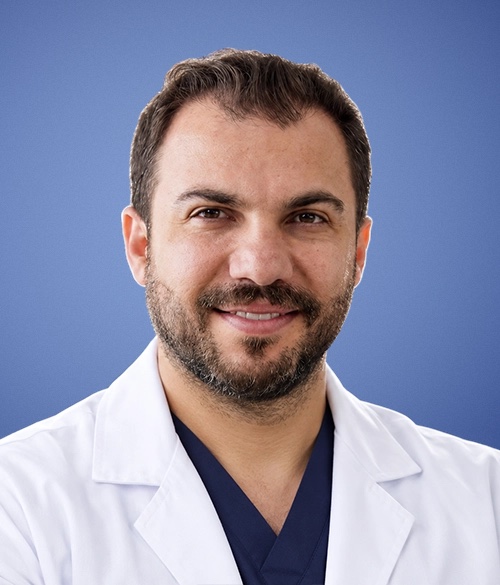

Assoc. Prof. Dr. Zülfü Sertkaya is an Istanbul urologist who focuses on andrology. He graduated from Gazi University Faculty of Medicine in 2008, completed his urology residency at Haydarpaşa Numune Training and Research Hospital in 2014, and holds the FEBU title (2017). He worked at state, university and private hospitals, including Memorial Diyarbakır and Başakşehir Çam and Sakura City Hospital. Since 2022 he has run his own clinic in Zeytinburnu, focusing on penile prosthesis, Peyronie's disease, premature ejaculation and male infertility.
Our medical consultants review all requests regularly, every three hours.
Get a free consultation and answers to all your questions by completing the form below
It may ease scrotal pain and heaviness, improve semen parameters in many men with palpable varicoceles and reduced fertility, and limit effects on the testicle in selected adolescents.
Men with a palpable varicocele plus abnormal semen and difficulty conceiving, or with persistent pain, and adolescents with reduced testicular growth; varicoceles without symptoms and with normal semen usually do not need surgery.
Examination, colour Doppler ultrasound and, when relevant, two semen analyses are done, plus fasting before anaesthesia. Never stop any medicine on your own, such as blood thinners; your doctor decides.
Through a small incision or laparoscopically, the surgeon reaches the spermatic cord, identifies the dilated veins, then ties and divides them while protecting the artery and the vas deferens.
There is no pain during surgery thanks to anaesthesia; discomfort afterwards is usually mild to moderate and managed with painkillers.
Most men return to desk work within days, wear supportive underwear and postpone sport and intercourse for about two weeks as advised.
Pain may ease within weeks, while semen improvement is measured after three to six months. The result is usually lasting, though recurrence rates vary with the technique.
Possible issues include recurrence, hydrocele, a blood collection, infection and, rarely, testicular shrinkage. No result can be guaranteed, and fertility does not improve in every man.
Guidelines note that microsurgical subinguinal repair has the lowest rates of recurrence and hydrocele, but the choice depends on the patient and the surgeon's experience and is discussed beforehand.
Staying about three to five days until the follow-up check is usually advised before flying; your doctor confirms the right time.