Percutaneous epididymal sperm aspiration (PESA)

Definition

”

Percutaneous epididymal sperm aspiration (PESA) draws sperm with a fine needle from the epididymis, the coiled tube behind the testis where sperm are stored and mature. Its aim is to obtain sperm for ICSI when a blockage stops them from reaching the semen.

It is usually done under local anaesthesia, sometimes with light sedation. The doctor steadies the epididymis between the fingers and passes a thin needle through the scrotal skin without an incision; the aspirated fluid is examined under the microscope and the sperm are used straight away or frozen.

The procedure usually takes under 30 minutes and the patient goes home the same day. Mild discomfort settles within a few days and there is no wound needing stitches. The final result is clear once the laboratory confirms motile sperm suitable for ICSI.

Prices

Percutaneous epididymal sperm aspiration (PESA)

Price on requestAvailable doctors: 1
Share your case

The final cost is set after a medical consultant reviews your case and photos.
Doctors

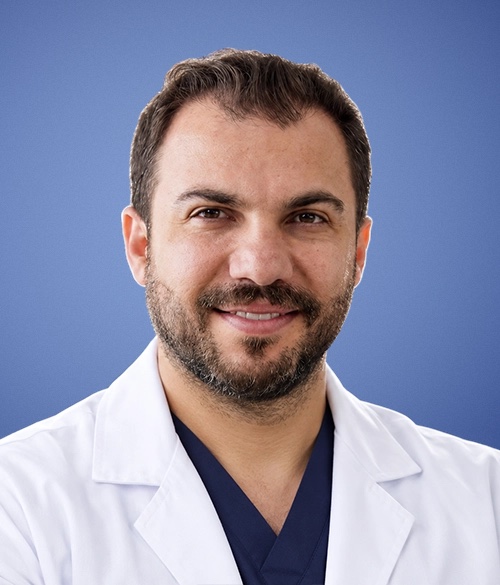
Assoc. Prof Zülfü Sertkaya
Verified
Istanbul, Turkey
4.9
(26 reviews)

Assoc. Prof. Dr. Zülfü Sertkaya is an Istanbul urologist who focuses on andrology. He graduated from Gazi University Faculty of Medicine in 2008, completed his urology residency at Haydarpaşa Numune Training and Research Hospital in 2014, and holds the FEBU title (2017). He worked at state, university and private hospitals, including Memorial Diyarbakır and Başakşehir Çam and Sakura City Hospital. Since 2022 he has run his own clinic in Zeytinburnu, focusing on penile prosthesis, Peyronie's disease, premature ejaculation and male infertility.

Free Consultation

Get a Free Quote

Our medical consultants review all requests regularly, every three hours.

  • Free Medical Consultation
  • Verified Specialist Doctors
  • 24/7 Fast Response

Let us contact you

Get a free consultation and answers to all your questions by completing the form below


Andrology
Advanced Endoscopy Center
Aesthetic & Plastic Surgeries
Algology (Pain) Clinic
Andrology
Anesthesia and Reanimation
Audiology
Bariatric Surgery Center
Biochemistry
Bone Marrow Transplantation
Brain and Nerve Surgery (Neurosurgery)
Breast Health Center
Breast Surgery
Cancer (Oncology) Center
Cardiology
Cardiovascular Surgery (CVS)
Check Up Center
Chest Diseases (Lung Diseases)
Child and Adolescent Psychiatry
Child and Adolescent Psychology (Pedagogy)
Coronary Intensive Care Unit (CCU)
Cosmetic Dermatology (Cosmetology)
Ear Nose Throat Diseases
Endocrine Surgery
Endocrinology and Metabolic Diseases
Endometriosis Center
Esophageal Diseases Center
Eye Diseases
Gastroenterology
Gastroenterology Surgery
Gastrointestinal Oncologic Surgery Center
General Intensive Care
General Surgery
Genetic Diseases Evaluation Center
Geriatrics (Old Age Health) Department
Gynecologic Oncology (Women's Cancers)
Gynecology and Obstetrics
Hair Transplant
Hematology
Home Care and Health Services
Immunology and Allergic Diseases
Infectious Diseases and Clinical Microbiology
Internal Medicine (Internal Medicine)
Interventional Neuroradiology
Interventional Radiology
IVF and Reproductive Health Center
Kidney Transplant Center
KVC Intensive Care Unit
Liaison Psychiatry
Liver Transplantation Center
Liver-Pancreas-Gallbladder and Pathways (HPB) Center
Lung Nodule Center
Manual Medicine
Medical Oncology
Microbiology Laboratory
Muscle and Nerve Diseases Center (Neuromuscular Diseases)
Neonatal Intensive Care Unit (Neonatology)
Nephrology
Neurology
Nuclear Medicine
Nutrition and Diet
Oncological Surgery Center
Oral and Dental Health
Organ Transplantation Center
Orthopedics and Traumatology
Pathology
Pediatric Allergy
Pediatric Bone Marrow Transplant Unit
Pediatric Cardiology
Pediatric Cardiovascular Surgery
Pediatric Chest Diseases
Pediatric Development
Pediatric Endocrinology
Pediatric Gastroenterology
Pediatric Hematology
Pediatric Infectious Diseases
Pediatric Nephrology
Pediatric Neurology
Pediatric Oncology
Pediatric Physical Therapy and Rehabilitation Center
Pediatric surgery
Pediatric Urology
Pediatrics
Perinatology (High Risk Pregnancies)
Physical Medicine and Rehabilitation
Proctology Center (Hemorrhoid and Anorectal Diseases Unit)
Psychiatry
Psychology (Clinical)
Radiation Oncology (Radiotherapy)
Radiology
Respiratory Physiotherapy
Rheumatology
Robotic Orthopedic Surgery (Robotic Prosthesis Surgery)
Robotic Rehabilitation Center
Robotic Surgery Center
Skin and Venereal Diseases (Dermatology)
Sleep Disorders Center
Smoking Cessation Clinic
Spine Center (Spine Surgery)
Stroke and Brain Injury Rehabilitation Center
Test-Tube Babies (IVF)
Thoracic Surgery
Undiagnosed Diseases Center
Urinary Tract
Urology
Percutaneous epididymal sperm aspiration (PESA)
Select Treatments ...


✓
Success!
Your message has been sent successfully. We will contact you soon.

Frequently Asked Questions

What are the advantages of PESA?

It provides relatively mature sperm from the epididymis without a surgical incision, and recovery is usually quick.

Who is it suitable for?

Mainly men with obstructive azoospermia, for example after vasectomy or with congenital absence of the vas deferens, once normal sperm production is confirmed.

How should I prepare?

The doctor reviews hormone tests, semen analysis and blood tests. Never stop any medicine, such as blood thinners, on your own; the doctor decides.

How is it performed?

After anaesthesia, a fine needle is passed through the skin into the epididymis, fluid is gently aspirated and examined immediately under the microscope.

Does it hurt?

Local anaesthesia prevents pain during the procedure; a feeling of heaviness or discomfort afterwards is eased with a simple painkiller prescribed by the doctor.

What is recovery like?

Rest for a day or two, wear supportive underwear and avoid strenuous activity for about a week.

When are results known?

Whether sperm were found is usually known on the same day; pregnancy depends on the ICSI outcome and factors in both partners.

What are the possible risks?

A haematoma, infection or temporary pain can occur, and repeated aspiration may scar the epididymis. Sperm may not be found; no result can be guaranteed.

How does PESA differ from TESA?

PESA targets the epididymis, where sperm are more mature, while TESA takes tissue from the testis itself; if no sperm are found in the epididymis, the doctor may turn to the testis.

When can I fly and how long should I stay in Turkey?

Most men can fly after one to two days; the stay is longer if linked to an ICSI cycle. Your doctor confirms when travel is safe.

×
Get a Free Consultation

Our commitments to you

  • Reliable care at accredited, contracted institutions
  • A clear price agreed before you travel, with no hidden costs
  • Full medical support with professional interpreters
  • Clear treatment plans and follow-up to international standards
  • Personal assistance throughout your treatment journey
  • Complete confidentiality for all your medical information
✓
Success!
Your message has been sent successfully.
Chat with us
1 WhatsApp