Microsurgical varicocelectomy is a precise technique in which dilated veins of the spermatic cord are tied using an operating microscope that magnifies the tissues many times. Its aim is to treat the varicocele while preserving the testicular artery and lymphatic vessels, lowering the chance of recurrence and of a hydrocele afterwards.
It is usually done under general or spinal anaesthesia through a small incision just below the groin. The spermatic cord is lifted and examined under the microscope, the artery is identified by magnification and sometimes a micro-Doppler probe, and the dilated veins are tied one by one.
The operation usually takes one to two hours, slightly longer when both sides are treated, and most men go home the same day and avoid strenuous effort for about two weeks. Semen improvement is assessed three to six months after surgery.
The final cost is set after a medical consultant reviews your case and photos.
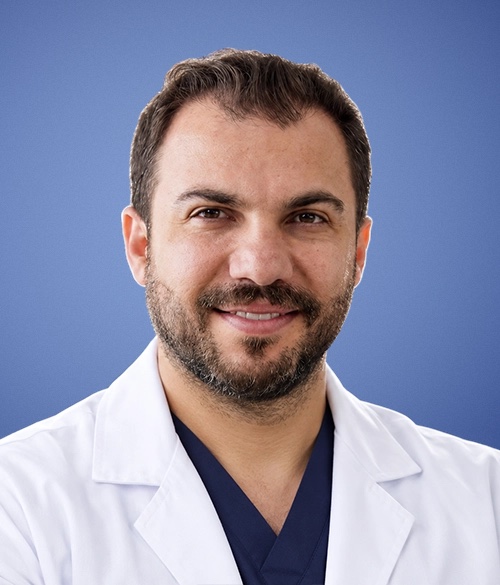

Assoc. Prof. Dr. Zülfü Sertkaya is an Istanbul urologist who focuses on andrology. He graduated from Gazi University Faculty of Medicine in 2008, completed his urology residency at Haydarpaşa Numune Training and Research Hospital in 2014, and holds the FEBU title (2017). He worked at state, university and private hospitals, including Memorial Diyarbakır and Başakşehir Çam and Sakura City Hospital. Since 2022 he has run his own clinic in Zeytinburnu, focusing on penile prosthesis, Peyronie's disease, premature ejaculation and male infertility.
Our medical consultants review all requests regularly, every three hours.
Get a free consultation and answers to all your questions by completing the form below
Magnification lets the surgeon distinguish small veins from the artery and lymphatics, so recurrence and hydrocele rates are lower than with conventional approaches, with a small incision and usually less pain.
Men with a palpable varicocele plus abnormal semen and difficulty conceiving, or persistent pain, and men whose varicocele returned after previous surgery, following a urologist's assessment.
Examination, colour Doppler ultrasound, semen analysis and sometimes hormone tests are needed, plus fasting before anaesthesia. Never stop any medicine on your own, such as blood thinners; your doctor decides.
The cord is lifted through a small incision and opened under magnification; dilated veins are identified and tied while the artery, lymphatics and vas deferens are preserved.
There is no pain during surgery thanks to anaesthesia, and pain afterwards is usually mild because the incision is small, managed with ordinary painkillers.
Most men return to desk work within a few days, wear supportive underwear and postpone sport and intercourse for about two weeks as advised.
Pain usually eases within weeks and semen improvement is measured after three to six months. Results are stable for most men and recurrence with this method is low.
Recurrence, hydrocele, a blood collection and infection remain possible though uncommon, and arterial injury is rare. No result can be guaranteed, and fertility does not improve in every man.
Studies show improved semen parameters in many carefully selected men, which may increase natural pregnancy chances or support assisted reproduction, but this is not guaranteed and also depends on the partner's fertility.
Staying about three to five days until the follow-up check is usually advised before flying; your doctor confirms the right time.