Priapism treatment is urgent medical care for an erection lasting more than four hours without, or beyond, sexual stimulation, which is often painful. The most common type is ischaemic priapism, caused by blood trapped in the penis, and it is an emergency; the aim is to end the erection quickly and protect the erectile tissue from permanent damage.
Treatment starts by identifying the type through a blood-gas test of blood drawn from the erectile chamber or a Doppler scan. The penis is then numbed locally and trapped blood is aspirated with a needle, sometimes with saline irrigation and injection of a vessel-constricting medicine under heart and blood-pressure monitoring. If this fails, the surgeon performs a shunt operation to drain the blood, and an implant may be considered in late cases. Non-ischaemic priapism, which is rarer and usually painless, may be observed or treated by catheter embolisation.
Initial treatment usually takes minutes to hours, and observation in hospital for one night or more may be needed depending on the procedure, with swelling and bruising that fade gradually. The effect on erectile function usually becomes clear after weeks to months and depends greatly on how quickly treatment was received.
The final cost is set after a medical consultant reviews your case and photos.
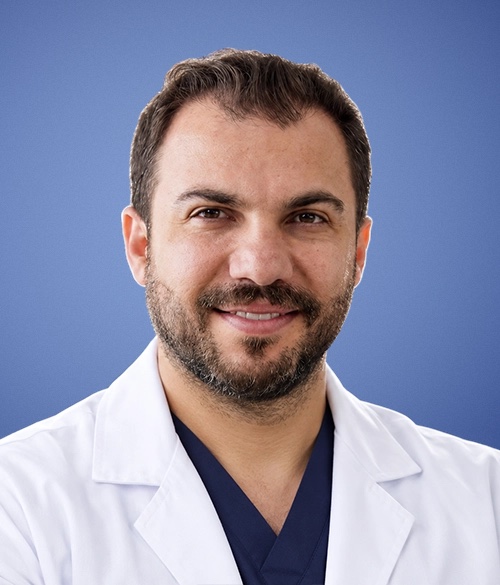

Assoc. Prof. Dr. Zülfü Sertkaya is an Istanbul urologist who focuses on andrology. He graduated from Gazi University Faculty of Medicine in 2008, completed his urology residency at Haydarpaşa Numune Training and Research Hospital in 2014, and holds the FEBU title (2017). He worked at state, university and private hospitals, including Memorial Diyarbakır and Başakşehir Çam and Sakura City Hospital. Since 2022 he has run his own clinic in Zeytinburnu, focusing on penile prosthesis, Peyronie's disease, premature ejaculation and male infertility.
Our medical consultants review all requests regularly, every three hours.
Get a free consultation and answers to all your questions by completing the form below
Trapped blood deprives the tissue of oxygen, and the longer the delay, the higher the risk of scarring and permanent erectile dysfunction, so going to the emergency department at once is essential.
Any man whose erection lasts more than four hours, especially after penile injections or certain medicines, or with sickle cell disease and some blood disorders.
Do not wait or try home remedies; go to the emergency department with a list of your medicines. Never stop any medicine, such as blood thinners, on your own; the doctor decides.
The penis is numbed locally, trapped blood is drawn out with a needle and a vessel-constricting medicine is injected in doses with monitoring; shunt surgery follows if these steps fail.
Local anaesthesia greatly reduces pain, and relief is usually marked once the erection subsides; surgery is done under suitable anaesthesia.
Swelling and bruising may last several days; rest and avoiding intercourse until the doctor allows are advised, and the underlying cause is treated to prevent recurrence.
It depends on the duration, type and speed of treatment; cases treated early often keep their function, while delayed cases may lead to permanent erectile dysfunction.
Permanent erectile dysfunction, scarring and penile shortening, bleeding and infection, and raised blood pressure or irregular heartbeat from the constricting medicine. No result can be guaranteed.
By keeping to prescribed doses of erection medicines, treating underlying conditions such as blood disorders, and discussing preventive medication with your doctor if episodes recur.
After successful aspiration and injection a few days of follow-up may be enough; after surgery about a week or more is generally advised. Your doctor confirms when it is safe to travel.