Male circumcision is a male surgical procedure in which the foreskin covering the glans of the penis is removed, and it can be performed in infants, children and adults. Its purpose is to make genital hygiene easier and lower the risk of bacterial build-up and some infections; it is also a recognised treatment for medical conditions such as a tight foreskin (phimosis), a retracted foreskin that cannot return (paraphimosis) and recurrent inflammation of the glans (balanitis).
The procedure is carried out by an andrology or urology specialist under local anaesthesia, sometimes with sedation, while children usually receive general anaesthesia. The surgeon may use the conventional technique, in which the foreskin is excised and the edges are closed with absorbable stitches, or a stapler or device-based method often described as sutureless; the choice depends on age, anatomy and the reason for the operation.
The operation usually takes about 20 to 45 minutes and is normally done as a day case, so the patient goes home the same day. Swelling and mild discomfort are common during the first days, the wound typically heals within one to two weeks, and adults are advised to avoid sexual activity until the surgeon confirms full healing, often about four to six weeks. The final appearance becomes clear once swelling settles completely, usually within about six weeks.
The final cost is set after a medical consultant reviews your case and photos.
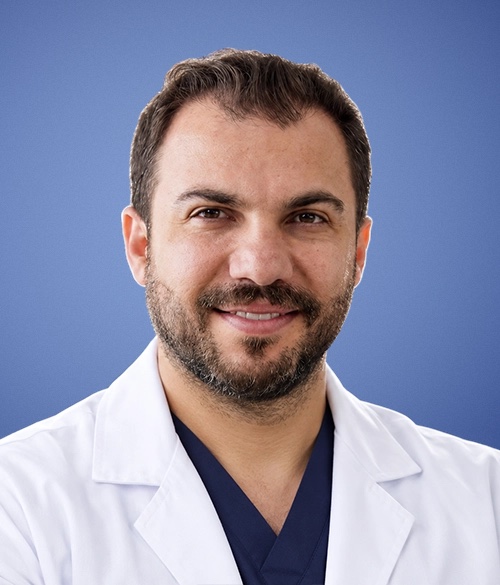

Assoc. Prof. Dr. Zülfü Sertkaya is an Istanbul urologist who focuses on andrology. He graduated from Gazi University Faculty of Medicine in 2008, completed his urology residency at Haydarpaşa Numune Training and Research Hospital in 2014, and holds the FEBU title (2017). He worked at state, university and private hospitals, including Memorial Diyarbakır and Başakşehir Çam and Sakura City Hospital. Since 2022 he has run his own clinic in Zeytinburnu, focusing on penile prosthesis, Peyronie's disease, premature ejaculation and male infertility.
Our medical consultants review all requests regularly, every three hours.
Get a free consultation and answers to all your questions by completing the form below
It makes cleaning the penis simpler and reduces the build-up of secretions under the foreskin. Studies show a lower risk of urinary tract infections in infant boys and of some sexually transmitted infections in men, although it does not replace safe-sex practices. It also treats phimosis, paraphimosis and recurrent balanitis.
It suits male infants and children whose families choose it for religious, cultural or health reasons, and boys or men with a medical indication such as a tight foreskin, recurrent infections or scarring of the foreskin. A specialist examines the patient first to confirm there is no condition, such as certain congenital anomalies of the penis, that makes the procedure inadvisable.
The doctor reviews your medical history, current medicines and any bleeding tendency, and may request basic blood tests. Never stop any medicine, especially blood thinners, on your own; your doctor decides whether to pause or adjust it. If general anaesthesia is planned, you will be told how long to fast beforehand.
After the area is cleaned and anaesthetised, the surgeon marks the amount of foreskin to remove, excises it and controls any bleeding. The edges are then joined with fine absorbable stitches, or sealed with a stapler or device in sutureless methods, and a light dressing is applied.
The operation itself is not painful because of the anaesthesia. Afterwards, mild to moderate soreness is expected for a few days and is usually controlled with simple painkillers prescribed by the doctor, along with loose underwear and careful wound care.
Swelling, slight bruising and sensitivity of the glans are common at first and fade gradually. Most adults return to desk work within a few days, avoid strenuous exercise for about two weeks, and follow the surgeon's instructions on showering, dressing changes and when sexual activity may resume.
The wound usually closes within one to two weeks, while the final appearance settles over several weeks as swelling disappears. The result is permanent, since the removed foreskin does not grow back.
Circumcision is generally safe, but bleeding, infection, swelling, delayed wound healing, an uneven cosmetic result, removal of too little or too much skin, or narrowing of the urinary opening can occur. Most complications are minor and treatable, yet, as with any surgery, no result can be guaranteed.
Circumcision does not affect fertility, because it does not involve the testicles or the sperm pathway. Current evidence does not show that it impairs erection or sexual function; some men notice a change in sensitivity of the glans during the first weeks, which usually settles over time.
Because it is a day procedure, many patients can travel within a few days, but staying about five to seven days allows the first wound check and early care of any swelling or bleeding. Your doctor confirms the safe time to fly after examining the wound.