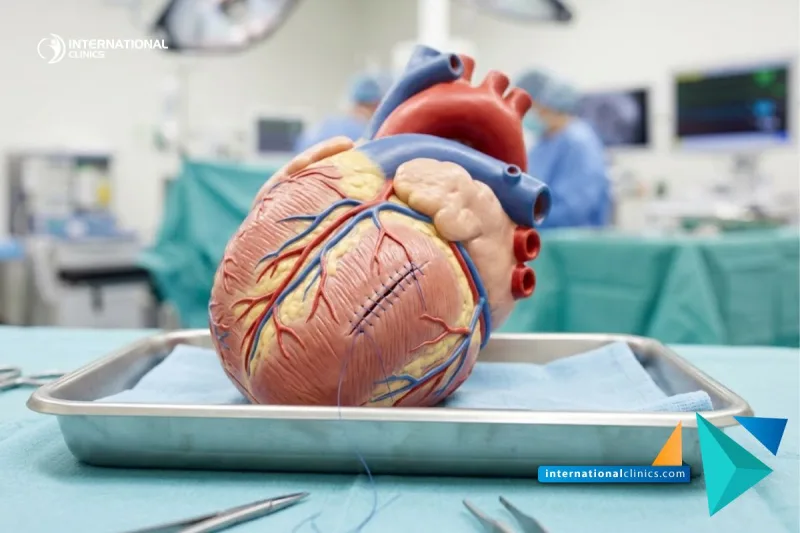
Heart valve repair or replacement is surgical treatment for a valve that has become narrowed or leaky and no longer works properly. The cause may be age-related wear, rheumatic disease, a congenital defect or infection. The operation aims to improve blood flow through the heart and relieve symptoms, and the care team chooses the approach that suits the affected valve and the patient's condition.
In repair, the surgeon reconstructs the patient's own valve with stitches, a supporting ring or reshaping of the leaflets. In replacement, the damaged valve is removed and a mechanical or biological valve takes its place. Surgery is usually done under general anaesthesia through a breastbone incision or smaller incisions.
The operation generally takes two to four hours, followed by several days in intensive care and the hospital, and activity returns gradually over a few weeks. A mechanical valve requires lifelong blood thinners. Recovery is usually complete in about two to three months, and the doctor assesses the result through follow-up visits and tests.
The final cost is set after a medical consultant reviews your case and photos.
Our medical consultants review all requests regularly, every three hours.
Get a free consultation and answers to all your questions by completing the form below
It may ease breathlessness, tiredness and palpitations, and protect the heart muscle from the strain caused by a faulty valve. The benefit varies from patient to patient, and your doctor explains what to expect in your case.
Usually people with severe narrowing or leakage of a valve that causes symptoms or affects heart function, as shown by an echocardiogram and other tests. The heart team decides after assessing your general health, blood vessels and other conditions.
Repair keeps the patient's own valve and, if successful, often avoids long-term blood thinners. Replacement is used when repair is not possible, and the valve's lifespan and the need for medication depend on whether it is mechanical or biological.
You will have blood tests, an ECG and an echocardiogram, and sometimes a catheter study or CT scan. Your medicines are reviewed and any dental or other infection is treated. Never stop a medicine, especially blood thinners, on your own; that decision belongs to your doctor.
After general anaesthesia, the surgeon reaches the heart through a chest incision, then repairs the valve or replaces it with a mechanical or biological one, sometimes using a heart-lung machine. In some cases smaller incisions are possible, and the surgeon chooses the most suitable technique.
Patients usually spend a few days in intensive care, then about a week or more in hospital. Breathing exercises, gradual walking and avoiding heavy lifting for several weeks are advised, and the doctor sets the time for returning to work and driving.
Many patients notice symptoms easing gradually over weeks to months. How long a valve lasts depends on its type and the patient's condition, and regular echocardiogram follow-up is needed for life.
They include bleeding, infection, irregular heart rhythm, blood clots or stroke, and problems with valve function or the kidneys. The operation may carry a high risk for some patients. The surgeon explains these risks and assesses them for your case before surgery.
You may need heart medicines. After a mechanical valve, blood thinners are required for life, while after a biological valve or a repair they may be needed only for a limited time. The doctor sets the drug and dose and monitors it with blood tests, so never change the dose without consulting them.
Patients are usually advised to stay about 10 to 14 days after leaving hospital for follow-up and tests, and this may be longer depending on your condition. The treating doctor confirms when you can travel and any precautions needed.