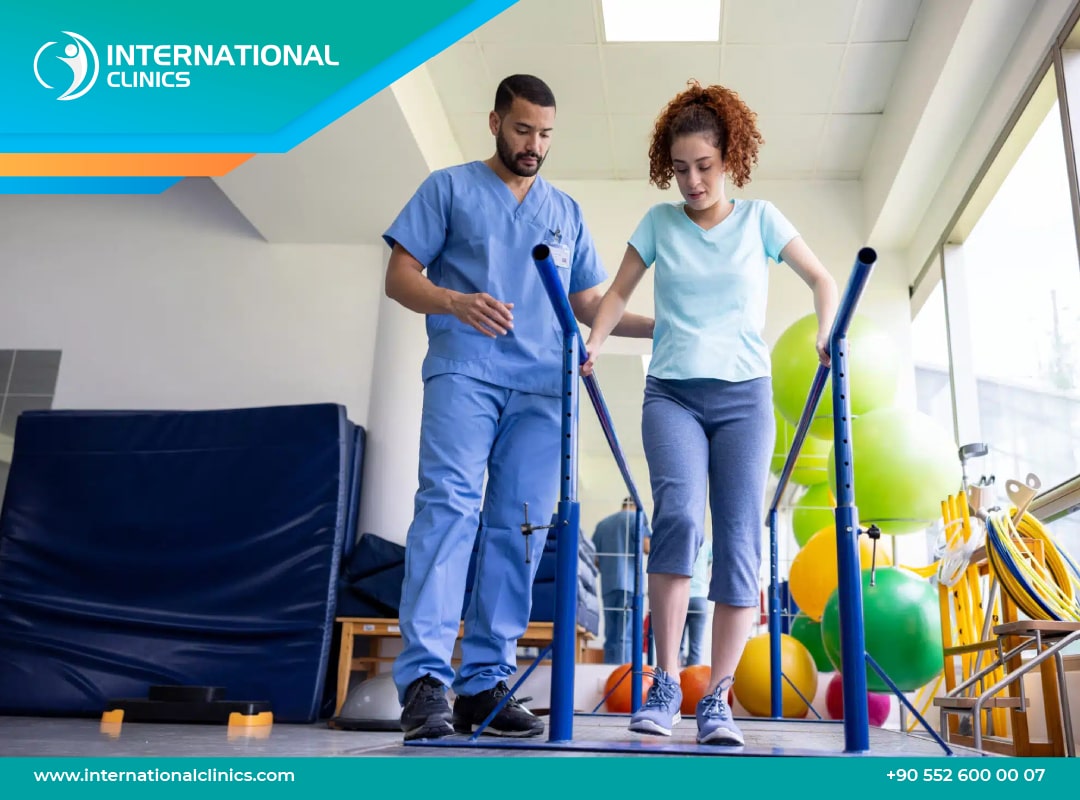
Hand rehabilitation and hand therapy is a non-surgical programme led by a hand therapist. It may help people with injuries or conditions of the hand, wrist and fingers, such as fractures, tendon or nerve injuries and stiffness, or after hand surgery. The aim is to ease pain and restore movement, strength and daily hand function.
It begins with an assessment of movement, strength, sensation and swelling, followed by an individual plan. This may combine mobility and strengthening exercises, splints, swelling control, scar care, sensory retraining and safe daily hand use. The plan is adjusted to the stage of healing and the surgeon's instructions.
Sessions usually last 30 to 60 minutes, once or several times a week, with daily home exercises, and a programme often runs from a few weeks to a few months. Progress is gradual, but the final result becomes clear only after the programme ends, which may take months, and it varies with the injury.
The final cost is set after a medical consultant reviews your case and photos.
Our medical consultants review all requests regularly, every three hours.
Get a free consultation and answers to all your questions by completing the form below
It may reduce pain, swelling and stiffness, widen the range of movement, strengthen the grip and improve hand skills at work and in daily activities. The benefit varies with the condition and how consistently the programme is followed.
It is suitable for people with fractures, tendon inflammation or carpal tunnel syndrome, those who have had hand surgery, and others with hand or wrist problems, after assessment by the doctor and the therapist.
Bring imaging reports and details of previous operations, and tell the team about your conditions and medicines. Never stop a prescribed medicine on your own. Wear comfortable clothing and think about which daily activities you most want to regain.
The therapist assesses your hand, then uses guided exercises, splints, swelling-control methods and training in daily activities. You are also shown in detail which exercises to do at home.
There is no separate recovery period, because rehabilitation is itself part of recovery and the load on the hand increases gradually. You may feel tired or have mild pain after sessions, and the intensity is adjusted to your tolerance.
Many people notice improvement within weeks, and it may continue for months. The effect usually lasts if exercises are kept up, but some injuries may leave lasting stiffness or weakness.
The programme is generally safe. Temporary pain or swelling after exercises, skin irritation from a splint or slow progress may occur. Tell the therapist if pain increases or numbness appears.
No, it is non-surgical. It may be used on its own or before or after surgery, as the doctor decides. If it is not enough, the doctor may discuss other options with you.
The number varies with the injury, and sessions are often repeated over several weeks. The therapist sets the plan and adjusts it as you progress.
Travelling does not usually prevent you from continuing the programme. After assessment and training in the home exercises, you may be able to continue them in your own country. The therapist will confirm the right duration for your case.