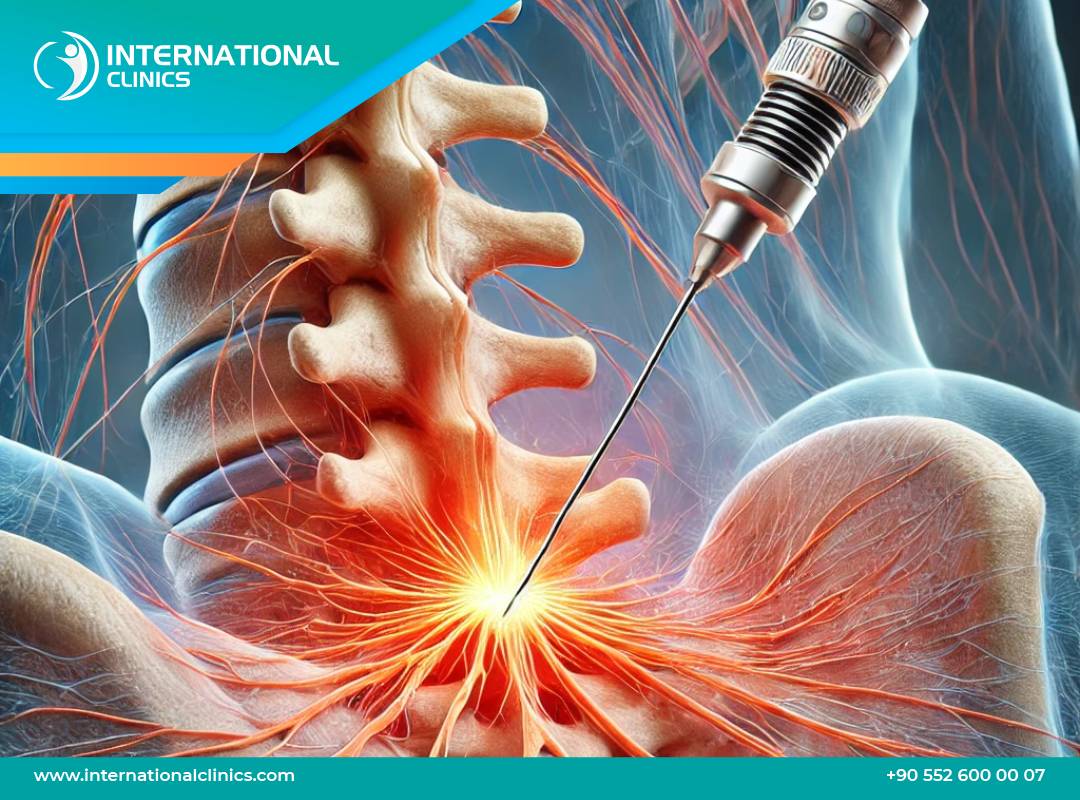
Surgery for epilepsy and chronic pain using neurostimulation involves implanting a device that sends mild electrical pulses to specific areas of the brain. It is used in selected cases of drug-resistant epilepsy and of chronic pain that has not responded to treatment. It aims to reduce seizure frequency or pain intensity, and it does not promise a cure.
In deep brain stimulation, fine electrodes are placed in a deep target under imaging guidance and connected to a pulse generator under the skin of the chest. Responsive neurostimulation, used for epilepsy only, relies on a device fixed in the skull that monitors the brain's electrical activity and stimulates when it detects activity that may precede a seizure. Anaesthesia is general, or local with sedation.
Surgery often takes several hours, followed by a stay of one day to a few days. Programming begins some weeks later, but benefit may appear gradually over months and needs repeated adjustment, assessed by the treating neurology team.
The final cost is set after a medical consultant reviews your case and photos.
Our medical consultants review all requests regularly, every three hours.
Get a free consultation and answers to all your questions by completing the form below
It may reduce the frequency or severity of seizures in some people whose condition has resisted medication, and it may ease chronic pain in selected cases. However, it does not cure the condition, medication may still be needed, and no specific result is guaranteed.
It usually suits people with epilepsy who have not benefited from suitable medicines tried at adequate doses and for whom another surgical option is unsuitable or has not helped, after a thorough assessment at a specialist centre. The choice between the two types depends on the seizure type and its origin, and is made by the neurology and surgical team.
Tests include MRI and EEG, and may also include video monitoring and neuropsychological assessment. Do not stop epilepsy medicines or any others, including blood thinners, on your own; adjusting doses when needed is the doctor's decision alone.
Targets are mapped using imaging, then the electrodes or device are placed through an opening in the skull. In deep brain stimulation the generator sits under the skin near the collarbone, while in responsive neurostimulation the device is fixed in the skull bone. After its position is checked, the wounds are closed.
Several weeks of rest are needed, avoiding strenuous activity, with the wound monitored and painkillers and antibiotics given as the doctor judges. The device is usually switched on once the wound has healed, followed by regular visits for programming.
Improvement is usually gradual over months as settings are adjusted. The benefit continues as long as the device works and is followed up, and the battery may need surgical replacement after some years, depending on the device type.
They include bleeding within the brain, infection, stroke, electrode movement, device malfunction, and stimulation side effects such as changes in speech, sensation or mood, and the skin over the device may break down. This is serious brain surgery, and the team explains its risks beforehand.
Scars are usually small and lie within the scalp under the hair. Deep brain stimulation adds a small scar near the collarbone or on the chest. They improve with time.
At least one to two weeks is usually advised, and the treating doctor confirms the timing after checking the wound. It is wise to carry the device identification card when passing airport security.
Yes, regular contact with the neurology team is needed to adjust programming, check the battery and assess seizures or pain, and medicines are reviewed according to your response.