Nasal Bridge Cartilage Grafting
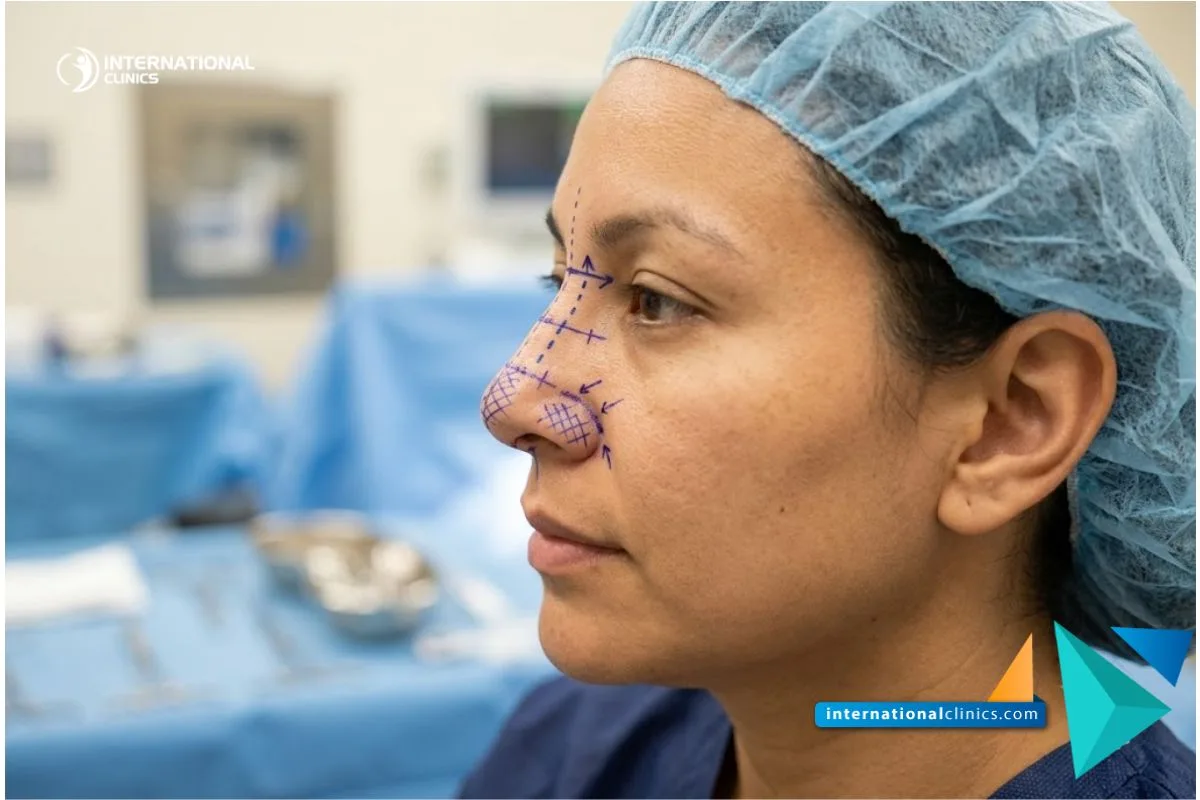
Nasal Bridge Cartilage Grafting is a specialized cosmetic and reconstructive rhinoplasty technique offered at International Clinics to reshape, elevate, or restore the dorsal profile using the patients own living tissue for optimal, natural-looking results.
What Is Nasal Bridge Cartilage Grafting?
Nasal Bridge Cartilage Grafting is a precise surgical procedure that utilizes autologous cartilage harvested from the septum, ear, or ribs to reconstruct or augment the nasal dorsum. (According to Cleveland Clinic, autologous tissue grafts significantly reduce the risk of infection and immune rejection compared to synthetic implants). Consequently, this technique restores structural integrity while enhancing facial symmetry and improving respiratory function seamlessly.
Top Reasons Patients Choose Nasal Bridge Cartilage Grafting
Many patients choose Nasal Bridge Cartilage Grafting to correct severe structural deformities or enhance the aesthetic appearance of a flat or crooked nasal profile permanently. Furthermore, using living body tissue minimizes long-term complications, making it the gold standard in modern revision and primary rhinoplasty globally.
The primary motivations for undergoing Nasal Bridge Cartilage Grafting include several key clinical benefits:
Deformity Correction: Repairing congenital defects and trauma injuries effectively.
Dorsal Augmentation: Elevating flat nasal bridges to improve facial harmony.
Revision Rhinoplasty: Rebuilding structural support lost during previous surgeries.
Breathing Improvement: Opening collapsed nasal airways for better airflow performance.
Biocompatible Integration: Eliminating foreign body rejection risks using natural tissue.
Long-Term Stability: Providing permanent structural support that resists warping.
Enhanced Aesthetics: Achieving balanced facial contours tailored to unique features.
Complication Prevention: Avoiding synthetic implant erosion, extrusion, and infection hazards.
Therefore, Nasal Bridge Cartilage Grafting represents the safest approach for lifelong nasal transformation.
"Nasal Bridge Cartilage Grafting provides unmatched structural reliability and natural aesthetic contours, ensuring patients achieve lifelong results without the risks associated with synthetic implants." — Senior Surgeon at International Clinics
Primary Cartilage Sources for Nasal Reconstruction
Nasal Bridge Cartilage Grafting relies on harvesting healthy tissue from specific donor sites within the patients body to ensure biological compatibility. (According to ASPS, septal cartilage is the preferred primary choice due to its straight profile and ease of harvest). However, the surgeon selects the ideal donor area based on the required graft volume, structural strength, and individual patient anatomy.
Several primary donor sites support Nasal Bridge Cartilage Grafting procedures:
Nasal Septum: Offering straight, firm cartilage ideal for primary augmentation needs.
Ear Cartilage: Providing flexible, curved grafts suitable for subtle tip shaping.
Rib Cartilage: Supplying abundant tissue for extensive revision and reconstructive cases.
Autologous Compatibility: Ensuring seamless tissue acceptance without immune rejection risks.

Concealed Incisions: Hiding donor site scars discreetly within natural anatomical folds.
Structural Durability: Maintaining long-term nasal height without collapsing over time.
Custom Malleability: Allowing precise surgical carving to match individual aesthetic goals.
Tissue Longevity: Preventing complete graft resorption for predictable aesthetic outcomes.
Consequently, Nasal Bridge Cartilage Grafting offers custom flexibility tailored to every patients requirements.
Step-by-Step Surgical Process for Nasal Bridge Grafting
Nasal Bridge Cartilage Grafting involves a carefully orchestrated surgical sequence requiring advanced precision from the initial incision to final splinting. Moreover, every step is executed under sterile clinical conditions to optimize tissue survival, minimize recovery time, and deliver exceptional aesthetic outcomes safely.
Surgeons perform Nasal Bridge Cartilage Grafting through several structured clinical steps:
General Anesthesia: Ensuring total patient comfort throughout the surgical procedure.
Surgical Incisions: Accessing the nasal framework using open or closed techniques.
Graft Harvesting: Extracting pristine cartilage from the septum, ear, or rib safely.
Precision Carving: Sculpting harvested cartilage into exact dimensions for dorsal placement.
Recipient Preparation: Creating a secure pocket along the nasal bridge for placement.
Graft Fixation: Securing the shaped cartilage firmly with delicate suture techniques.
Incision Closure: Suturing surgical cuts precisely to minimize visible scarring hazards.
Splint Placement: Applying protective external splints to support healing nasal tissues.
Ultimately, executing Nasal Bridge Cartilage Grafting requires high surgical expertise and meticulous planning.
Cost Factors and Financial Overview
The overall cost of Nasal Bridge Cartilage Grafting varies depending on the complexity of the case, the donor site selected, and the surgeons expertise. Furthermore, investing in an accredited medical facility ensures high safety standards, reducing the need for costly revision procedures in the future.
The following clinical parameters influence the total investment for Nasal Bridge Cartilage Grafting:
| Cost Factor | Price Impact | Clinical Considerations |
| Cartilage Donor Source | Higher for Costal (Rib) Grafts | Requires extended surgical time and specialized donor harvesting |
| Surgeons Expertise | Moderate Increase | Ensures superior precision, safety, and long-term aesthetic results |
| Revision Complexity | Increases with Previous Surgeries | Requires intricate scar tissue dissection and structural rebuilding |
| Hospital Facilities | Standard Fixed Rate | Includes operating room technology, anesthesia, and inpatient care |
| Post-Op Support | Included in Package | Covers follow-up visits, medications, and protective nasal splints |
For an exact personalized quote for Nasal Bridge Cartilage Grafting, scheduling a private consultation is recommended.
Pros and Cons of Nasal Bridge Cartilage Grafting
Nasal Bridge Cartilage Grafting offers substantial lifelong advantages alongside minor surgical considerations that patients should evaluate carefully before undergoing treatment.

Evaluating the benefits and risks of Nasal Bridge Cartilage Grafting helps patients make informed decisions:
| Advantages (Pros) | Risks & Drawbacks (Cons) |
| Complete Biocompatibility: Eliminates risk of tissue rejection and synthetic implant failure. | Extended Surgery Time: Requires additional operative time for graft harvesting. |
| Natural Look & Feel: Blends seamlessly into natural facial structures for permanent enhancement. | Second Donor Site: Involves an additional incision at the ear or rib area. |
| Low Infection Rates: Significantly safer than artificial silicone or Gore-Tex materials. | Potential Warping: Cartilage grafts may occasionally bend slightly as they mature. |
| Permanent Results: Living tissue integrates permanently into the surrounding nasal framework. | Temporary Donor Discomfort: Mild soreness at the harvest site during early healing. |
| Ideal for Revisions: Rebuilds severely damaged or over-operated noses effectively. | Gradual Recovery: Requires several months for full tissue integration and settling. |
Consequently, Nasal Bridge Cartilage Grafting remains the premier surgical standard for structural durability.
Recovery Stages and Timeline After Grafting
Recovery following Nasal Bridge Cartilage Grafting unfolds gradually over several months as swelling resolves and tissue integration occurs. (According to ISAPS, strict adherence to post-operative guidelines is essential for graft stabilization and optimal healing). While initial swelling subsides within weeks, final structural refinement settles completely over twelve months.
Patients recovering from Nasal Bridge Cartilage Grafting typically progress through defined healing milestones:
First Week: Resting strictly while wearing protective nasal splints and bandages continuously.
Splint Removal: Removing external splints and surface sutures after seven recovery days.
Swelling Reduction: Watching major bruising and acute facial edema fade within two weeks.
Light Activity: Returning to non-strenuous daily work routines after two recovery weeks.
Exercise Resumption: Avoiding vigorous workouts, heavy lifting, and sports for four weeks.
Eyewear Precautions: Refraining from resting heavy glasses directly on the bridge initially.
Tissue Integration: Allowing graft tissue to anchor firmly into nasal structures by month two.
Final Result: Enjoying settled aesthetic contours and restored nasal function at one year.
Following these recovery guidelines guarantees the long-term success of Nasal Bridge Cartilage Grafting.
Real Patient Stories: Transformation Journeys
Personal experiences highlight how Nasal Bridge Cartilage Grafting resolves complex cosmetic concerns and functional breathing difficulties simultaneously, restoring patient confidence through natural tissue reconstruction.
"After a sports injury left my nose flattened and deviated, breathing became difficult. The medical team at International Clinics recommended Nasal Bridge Cartilage Grafting using rib cartilage. The surgery completely rebuilt my bridge, and my breathing is perfect now. The results look totally natural!" — Michael, 32.
"I had a previous rhinoplasty elsewhere that left my bridge too low and unnatural. I visited International Clinics for revision surgery with Nasal Bridge Cartilage Grafting using ear cartilage. The surgeon shaped my nose beautifully, and the donor scar behind my ear is invisible." — Elena, 29.
Why Choose International Clinics for Nasal Grafting?
Choosing International Clinics for Nasal Bridge Cartilage Grafting guarantees access to world-class surgical expertise, advanced technological infrastructure, and comprehensive patient-centered care throughout your transformation journey.
Selecting our institution for Nasal Bridge Cartilage Grafting provides distinct patient benefits:
Board-Certified Surgeons: Performing complex reconstructive and revision rhinoplasty routines daily.
Advanced 3D Imaging: Simulating post-surgical outcomes during preliminary consultation stages.

Tailored Surgical Plans: Designing customized graft structures suited to unique patient facial anatomy.
JCI-Accredited Hospitals: Operating within state-of-the-art facilities with strict safety protocols.
VIP Travel Packages: Offering private airport transfers, luxury accommodations, and translation support.
Comprehensive Care: Delivering continuous post-operative monitoring and long-term guidance routines.
Transparent Pricing: Providing all-inclusive medical quotes without unexpected hidden extra costs.
Proven Success: Achieving consistently high satisfaction rates across international patient groups.
Choosing International Clinics ensures your Nasal Bridge Cartilage Grafting procedure is safe, seamless, and successful.
Expert Pro-Tips for Optimal Healing
To ensure superior results from Nasal Bridge Cartilage Grafting, follow these straightforward recovery recommendations provided by leading facial plastic surgeons. Proper home care minimizes swelling and accelerates your path to a complete recovery.
Follow these practical guidelines to support healing after Nasal Bridge Cartilage Grafting:
Elevate Head: Sleep on extra pillows to reduce facial swelling during early recovery.
Cool Compresses: Apply cold packs around the eyes rather than directly on the nose.
Protect Bridge: Avoid accidental bumps to the face, especially in crowded public spaces.
Gentle Cleansing: Use saline sprays gently without blowing your nose forcefully early on.
Nutritious Diet: Eat balanced meals rich in vitamins to support rapid tissue regeneration.
Avoid Smoking: Refrain from tobacco use to prevent delayed graft healing and complications.
Buttoned Clothes: Wear front-buttoning shirts to avoid brushing garments against your nose.
Keep Appointments: Attend all scheduled follow-up visits with your surgical care team.
Adhering to these expert recommendations protects your investment in Nasal Bridge Cartilage Grafting.
Conclusion
Nasal Bridge Cartilage Grafting (Nasal Bridge Cartilage Grafting) represents the ultimate surgical solution for restoring dorsal height, correcting structural defects, and refining nasal aesthetics permanently. By utilizing your bodys living tissue, this advanced procedure provides safe, long-lasting, and natural-looking results. Take the first step toward transforming your profile today—contact the expert surgical team at International Clinics to schedule your comprehensive personal consultation.