

- Feeling Hungry Every 2 Hours After Gastric Sleeve
- What Causes Constant Hunger Pains After Gastric Sleeve?
- How to Stop Feeling Hungry Every 2-3 Hours After Gastric Sleeve
- Why AM I So Hungry After Gastric Sleeve Surgery
- Does the Feeling of Hunger Change Over Time After Sleeve Gastrectomy?
- Common Side Effects After Gastric Sleeve Surgery
- Suggestions from Real-Life Experiences
For many gastric sleeve patients, constant hunger and cravings can be quite a challenge, especially when feeling hungry every 2 hours after gastric sleeve. Despite your good intention to lose weight and feel satisfied faster after eating, feeling constant hunger pains, sometimes even hungry 1 week after gastric sleeve, can lead to overeating, which can mess up your weight loss efforts completely.
Both gastric sleeve and gastric bypass surgeries are restrictive procedures that aim to shrink the size of the stomach, which ultimately results in weight loss through caloric restriction. According to a study, gastric sleeve patients often experience an improvement in certain dietary habits and there is no correlation between the decrease in hunger hormone levels and the decrease in appetite among these patients.
However, some patients may encounter the perplexing issue of hunger pains after gastric sleeve, particularly in the year that follows the procedure. This can be quite distressing as they worry that eating more than the recommended amount may undo all their hard work and result in weight gain.
In this article, we will learn all about feeling hunger after gastric sleeve, understanding the reason of why am I hungry every 2-3 hours, what is ghrelin hormone, how to stop hunger and control ghrelin hormone.
CONTENT_TABLE_AREA
Feeling Hungry Every 2 Hours After Gastric Sleeve

The feeling of an intense hunger every 2 hours after having a gastric sleeve surgery could be a physical or emotional hunger. Physical hunger arises from a real urge to eat food. You might initially experience a growling or gurgling stomach. If you don’t eat, this can escalate to feelings of fatigue, irritability, or even dizziness. You might even start to think: "I feel like Im eating too much after gastric sleeve" or even wondering "is it normal to be hungry every 3 hours?".
A key characteristic of physical hunger is that ones food cravings or "extreme hunger pains" are relatively open-ended and not tied to specific items. On the contrary, emotional hunger often presents itself in a more sudden and intense manner, often accompanied by cravings for specific foods or flavors.
Emotional hunger manifests, for instance, when you feel a yearning for a cookie when passing by a particular bakery or a hankering for a bowl of chicken nuggets after a stressful day. Unlike physical hunger, there is usually no accompanying digestive growling or gurgling. While the desire to eat may feel real, it’s not rooted in physical hunger.
Related topic: Gastric Sleeve Before and After Skin Changes
What Causes Constant Hunger Pains After Gastric Sleeve?
Below are some of the causes that could be contributing to persistent hunger after the surgery:
Increase Levels of Ghrelin (Hunger Hormone)
Ghrelin, or hunger hormone, is a hormone produced in the stomach, and sends signals to the brain to stimulate appetite and the feeling of hunger.
When you eat, ghrelin levels typically drop, signaling fullness.
So, what causes constant hunger pains? In many cases, it's ghrelin.
And if you feel hungry 2 hours after eating or hungry every 2-3 hours, your ghrelin levels might be fluctuating more than usual.
Insufficient Calorie & Nutrient Intake
One of the most common reasons behind your hunger pangs could be a shortage of caloric and nutrient-dense foods in your diet. If you have completed a year post-surgery, your caloric needs may have changed due to factors such as hormones and activity levels. After all, you need to consume between 1,000 to 1,200 calories per day to achieve your weight loss goal.
Quick & Unmindful Eating
People who eat fast are more likely to overeat and have a more intense appetite. This is due to the inadequate time spent chewing their food, leading to a lack of awareness about eating and hunger. Chewing your food thoroughly gives your brain more time to release signals that convey fullness.
Your bariatric surgeon and dietitian will advise you to pay attention to portion size and thoroughly chew your food, not only to avoid food getting stuck in your smaller pouch but also to maximize food breakdown and nutrient absorption.
Increased Physical Activity
As you feel more healthy and energetic after the surgery, you may have increased your physical activity levels. This is common among post-bariatric patients who have completed a year and are looking to break through a weight plateau. The more you exercise, the more calories you burn. Obviously, if you have not adjusted your caloric and macronutrient intake accordingly, this could be the cause of your constant hunger.
Lack of Protein
Protein plays a vital role in your post-bariatric diet. Surgeons often recommend consuming from 80 to 100 grams per day after gastric sleeve. High-protein foods help keep you feeling full for a longer time. Interestingly, protein only has four calories per gram compared to 9 calories per gram for fat. This ideally makes protein a necessary element to consider for weight loss.
Low Fiber Intake
Fiber is a type of carbohydrate indigestible by the body, but it’s highly beneficial in promoting feelings of fullness and satisfaction. This essential nutrient can be obtained from various sources such as oatmeal, wheat bread, whole-wheat, as well as fruits and vegetables. These foods not only fill you up with their size but also slow down the digestion process
Incorporating fibrous foods into your diet can play a crucial role in adding bulk and volume, helping to plummet the feelings of constant hunger that may arise after gastric sleeve. Unfortunately, a study has revealed that bariatric patients consume inadequate fiber when compared to recommendations for healthy populations.
Low Fluid Intake
Thirst can often be mistaken for hunger, particularly after bariatric surgery. That is why it’s important to maintain adequate hydration by drinking sugar-free beverages daily. This will not only help to combat the pangs of hunger but will also support optimal bodily functions.
Mood Hunger
Hunger experienced after bariatric surgery may not be an indication of a physical need for food, but rather an instance of mood or head hunger. Bariatric surgery addresses the physical aspect of weight loss and doesn’t affect the mind. Your mind, therefore, could struggle to adapt to the changes in eating habits and portion sizes.
As a result, you may find that your brain yearns for larger portions, even though your stomach can no longer accommodate them. This creates a mental hunger that can feel just as real as physical hunger.
Discover the Full Story of:
Discover more about: gastric sleeve 10 years later
How to Stop Feeling Hungry Every 2-3 Hours After Gastric Sleeve
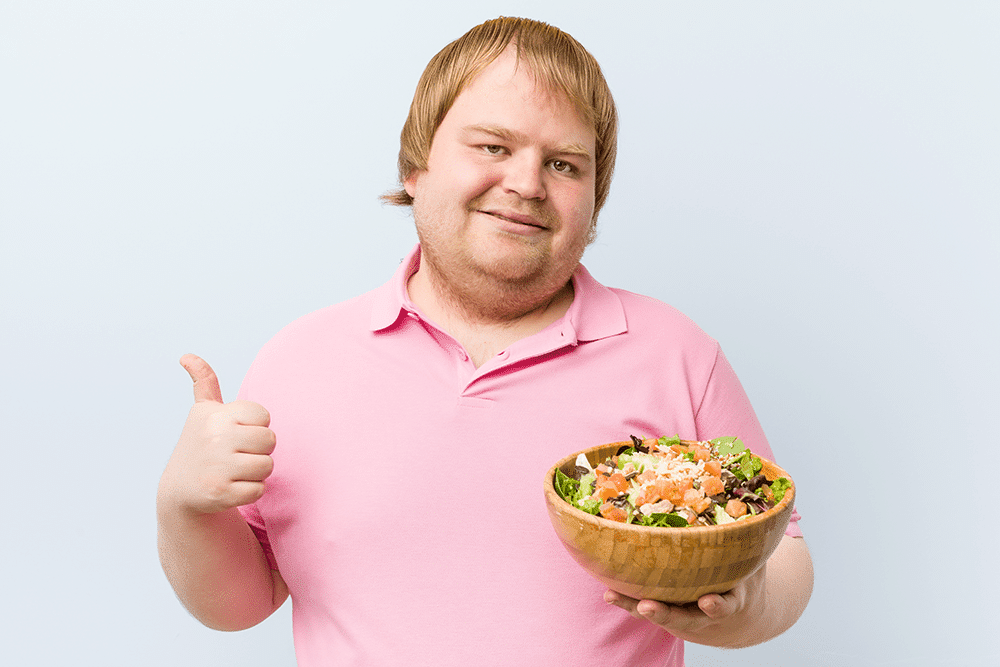
Feeling hungry every 2 hours after gastric sleeve surgery isn’t something pleasing for sure and may pave the road for some to cheat on their post-op diet. Thankfully, there are different ways to deal with the issue:
Why AM I So Hungry After Gastric Sleeve Surgery
Feeling hungry after gastric sleeve surgery can be due to several factors, including hormonal changes, emotional triggers, or not consuming enough protein and fiber-rich foods.
Sometimes, what feels like hunger may actually be thirst, acid reflux, or head hunger, eating out of habit rather than true physical need.
It's important to track your meals, stay hydrated, and follow your dietitian's guidelines to manage post-surgery hunger effectively.
Thankfully, there are different ways to deal with the issue:
How to Control the Hunger Hormone Ghrelin
If you're experiencing intense hunger pains we provide you various tips that can help you how to lower ghrelin hormone:
-
Prioritize Protein
High-protein diets are shown to reduce ghrelin levels and help you feel full longer. -
Get Enough Sleep
-
Poor sleep increases ghrelin and decreases leptin, another hormone that promotes fullness. So if you manage to get enough sleep, you'll reduce the feeling of extreme hunger pains.
-
Eat Mindfully
-
Chew thoroughly and eat slowly. This gives your brain time to register fullness, reducing the chance of feeling hungry every 3 hours.
-
Avoid High-Glycemic Foods
-
Sugar and refined carbs cause blood sugar spikes and crashes, which can lead to feeling hungry 2 hours after eating.
-
Manage Stress
-
Chronic stress elevates cortisol and ghrelin, both of which increase appetite and makes you feel like you are hungry every 2-3 hours.
Consume More Protein
You must determine your baseline protein needs and meet your daily protein requirements. Protein-rich foods are abundant and you have a lot of options to consider.
Consume Healthy Fats
Include enough healthy fats in your diet instead of unhealthy fats. Theres a common misconception that consuming fats will lead to weight gain, but this is not always the case. Healthy fats are known to contribute to feelings of fullness and satisfaction.
Eat Enough Carbs
Carbs are often viewed as a red flag, but not all carbohydrates are equally harmful. By including a balanced amount of starch, youll ensure that your diet is nutritious and satisfying.
Use Distractions
Here is a list of alternative actions that can divert your attention from hunger:
-
Have a warm and relaxing bath while listening to quiet, soothing music.
-
Watch an engaging movie or participate in a creative project.
-
Have a short walk in the nearby park or garden.
-
Clear your mind by recording your emotions in a journal.
-
Speak with people and close friends.
Does the Feeling of Hunger Change Over Time After Sleeve Gastrectomy?
Yes, for most people, the feeling of hunger changes after surgery, but it varies.
Initially, patients report less hunger due to reduced stomach size and ghrelin levels. However, over time, some find themselves hungry every 3 hours or even hungry every 2 hours, as hormonal adaptations occur.
This doesn’t mean the surgery failed. It means your body is adjusting. That’s why consistent follow-up with a bariatric dietitian or healthcare team is vital.
Common Side Effects After Gastric Sleeve Surgery
Feeling intense and frequent hunger isn’t the only troublesome symptom after a gastric sleeve. In fact, there are a variety of potential digestive complications associated with gastric sleeve surgery, such as:
-
Nausea: While many patients see an improvement in their symptoms, some may face prolonged nausea that could be attributed to the prolonged stay of food in the stomach.
- Indigestion: Indigestion or upset stomach is a common occurrence amongst gastric sleeve patients. Doctors often attribute the cause of indigestion after gastric sleeve to reduced stomach capacity.
- Food intolerance: Although rare, some gastric sleeve patients could develop food intolerance. As the stomach size decreases, digestion of certain food types like red meat and bread could become problematic.
- Diarrhea: This is another digestive issue that some may encounter after gastric sleeve surgery. The loose, watery stool could be a result of a disrupted balance of gut bacteria or undigested nutrients in the small intestine. Prolonged diarrhea can lead to malnutrition or dehydration.
- Malnutrition: Inadequate nutrition can lead to malnutrition. This problem is a long-term issue that some patients may face, particularly if they consume fewer calories or experience an intense case of diarrhea.
- Food addiction: Gastric sleeve surgery could trigger an addiction to food. Weirdly enough, some people may choose food to adapt to life stress instead of alcohol or drugs.
Related Article: Long-Term Diet After Gastric Sleeve
Suggestions from Real-Life Experiences
Incorporating real-life strategies can significantly enhance efforts to manage appetite and improve dietary habits.
One practical approach is using mobile applications to track hunger patterns and meal timings, which can help individuals become more mindful of their eating behaviors and prevent unnecessary snacking.
Additionally, consuming collagen-rich soups,such as bone broth or slow-cooked chicken soup, not only promotes satiety due to their high protein content but also supports skin, joint, and gut health.
These simple yet effective lifestyle adjustments, drawn from personal and community experiences, offer sustainable ways to support overall wellness and hunger regulation
International Clinics in Turkey offers special packages for those who seek affordable, safe gastric sleeve abroad. They also offer special diet plans and consultations. You can reach us immediately using the Contact Us button below.
Read more: Gastric Sleeve Surgery Abroad