

- What Is a Gastric Sleeve?
- Pros and Cons of Gastric Sleeve (Weight Loss Surgery in Turkey)
- Gastric Sleeve Pros
- Gastric Sleeve Cons
- Options & Techniques for Gastric Surgery in Turkey
- Laparoscopic Gastric Sleeve Technique
- Single Incision Gastric Sleeve
- Gastric Sleeve Surgery Cost in Turkey
- What Is Included in the Gastric Sleeve Package in Turkey?
- What Factors Affect Gastric Sleeve Cost in Turkey?
- Candidates for Sleeve Gastrectomy in Turkey
- Why Should You Choose Gastric Sleeve in Turkey?
- Which is the Best Location for Gastric Sleeve Surgery?
- What is The Success Rate of Gastric Sleeve in Turkey
- Our Clients Reviews on Gastric Sleeve Surgery in Turkey
- Best Doctor for Gastric Sleeve in Turkey
- Gastric Sleeve Diet
- Gastric Sleeve in Turkey Before and After
- What are The Risks of Gastric Sleeve Surgery
- Final Thought
Gastric sleeve surgery in Turkey costs $3,500 to $6,000 (about €3,200 to €5,500) for a standard all-inclusive package at International Clinics. The package covers the surgeon’s fee, 2 to 3 nights in hospital, 3 to 5 hotel nights, VIP airport transfers and a medical translator. What moves the price is the hospital’s accreditation, the surgeon’s experience and any VIP add-ons you choose.
Sleeve gastrectomy removes about 80% of the stomach, so you eat less and feel full sooner. It can be done on its own or as a first step before gastric bypass.
What Is a Gastric Sleeve?
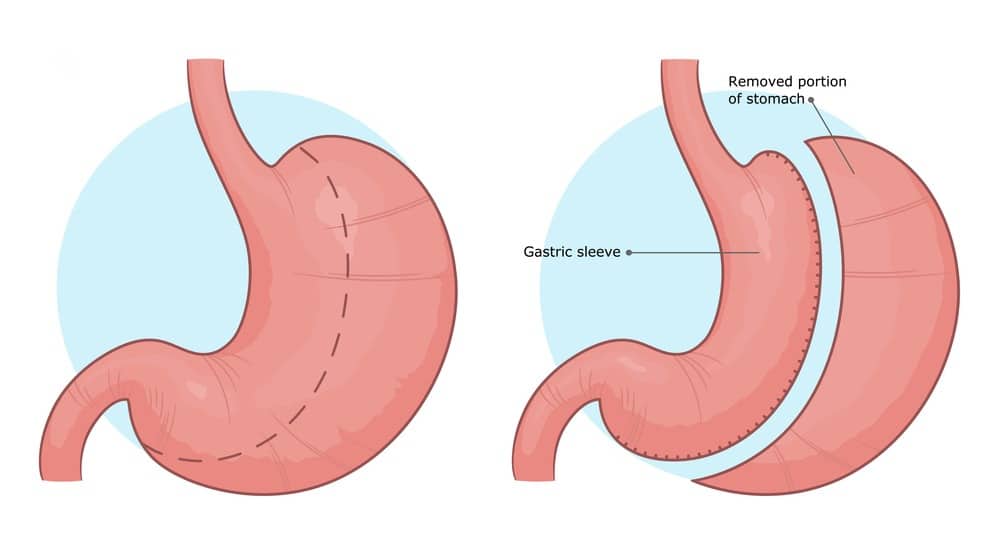
Sleeve gastrectomy, commonly known as vertical sleeve gastrectomy (VSG) or gastric sleeve surgery, aims at limiting the quantity of food you can eat by removing about 80% of your stomach. Of course, people who have smaller stomachs will eat less food. In addition, the surgery can cause hormonal changes and loss of appetite.
Sleeve gastrectomy is a minimally invasive procedure that Turkish surgeons perform regularly. A gastric sleeve can help people lose enough weight, but it may, however, be performed before a gastric bypass, which is another surgery that shortens the path that food takes through the digestive system, preventing some calories from being absorbed.
Patients with a complicated surgical history or who have other problems that put them at risk in case they undergo bypass surgery may choose to undergo gastric sleeve instead. During gastric sleeve in Turkey, the surgeon divides your stomach vertically to form a long, narrow pouch (or sleeve) and removes a part of your stomach to make it smaller - about the size and shape of a banana.
Read more: Kelly Clarkson Weight Loss: A Complete Transformation
Pros and Cons of Gastric Sleeve (Weight Loss Surgery in Turkey)
Below are the main advantages and disadvantages of gastric sleeve:
Gastric Sleeve Pros
Removing about 80% of the stomach will not only reduce the capacity for food storage but also decrease the production of hormones that signal hunger. Other benefits of the surgery include:
- Quick and significant weight loss (up to 70% of excess weight).
- A shorter procedure time compared to more complex procedures such as gastric bypass.
- Prevents and improves many obesity-related problems, such as diabetes.
- A safer option for high-risk patients.
- Less chance of intestinal obstruction.
- Doesn’t involve the insertion of foreign bodies like bands or clamps.
Gastric Sleeve Cons
The gastric sleeve comes with many benefits and pros, but it also carries some potential risks and drawbacks:
- Irreversible surgery.
- Can cause or worsen acid reflux (GERD).
- Produces fewer weight loss results than gastric bypass surgery.
- Can cause leaks, scars, and other complications.
- Requires lifelong supplements. Mayo Clinic states you will need “a multivitamin twice a day, a calcium supplement once a day and a vitamin B-12 injection once a month for life.”
Options & Techniques for Gastric Surgery in Turkey
In Turkey, most surgeons perform gastric sleeve laparoscopically to minimize the risks of scars and trauma. In rare cases, however, some Turkish surgeons may choose open surgery. Laparoscopic gastric is also known as laparoscopic sleeve gastrectomy (LSG) and remains the "trendy" technique of choice for most surgeons.
The surgery is performed in a hospital while the patient is under general anesthesia. The surgeon makes several small incisions in the abdomen and then uses a thin, elongated tool with a small camera on the end to remove around 80% of the stomach.
The surgery is guided by images displayed on a TV screen in the operating room. The removed section of the stomach is called the fundus, which is the portion that bulges outward. After removing the fundus, the remaining portion of the stomach is shaped into a tube, resembling a banana or the sleeve of a shirt.
With a smaller stomach, individuals will feel full more quickly and eat less. Additionally, the fundus of the stomach is where the hormone ghrelin is primarily secreted. Thus, removing this portion may also help decrease feelings of hunger and aid in weight loss.
Discover: gastric sleeve 10 years later
Laparoscopic Gastric Sleeve Technique
Interestingly, sleeve gastrectomy is one of the most widely performed obesity surgery in the world today. During the surgery, Turkish surgeons usually use a laparoscope, a tube-like instrument with a light and camera to provide digital footage. The steps of sleeve gastrectomy include the following:
- After giving you general anesthesia, your surgeon will make numerous tiny incisions in your belly.
- Next, they insert a laparoscope to examine the inside of the abdomen.
- Your surgeon will remove a portion of your stomach and make a "sleeve" with various surgical instruments.
The entire treatment takes around an hour, and you may need to stay in the hospital for 2-3 days to recover. Returning to a regular eating pattern takes roughly 4 weeks for most patients.
Single Incision Gastric Sleeve
Some clinics in Turkey offer a less invasive form of gastric sleeve called single-incision laparoscopic surgery (SILS). the main difference between this technique and the traditional laparoscopic gastric sleeve is that it involves the making of just one incision instead of multiple incisions to provide access to the laparoscopic tools and instruments.
Obviously, making just one incision will result in less scarring and shorter recovery time. This alone has made SILS one of the most demanded procedures. However, not everyone is a good candidate for this surgery. In addition, the surgery requires more effort and precision from the side of the surgeon. Hence, its not offered on a regular basis for patients.
Gastric Sleeve Surgery Cost in Turkey
Turkey stands out as a top destination for gastric sleeve surgery. The gastric sleeve cost in Turkey is significantly lower compared to many other countries, including the United States and European nations. On average, you can save up to 70% by opting for gastric sleeve surgery in Turkey.
For instance, lets compare the average gastric sleeve turkey prices in different countries:
| Country | Approximate Cost of Gastric Sleeve Surgery (USD) |
| United States | $15,000 - $25,000 |
| Canada | $15,000 - $20,000 |
| Thailand | $8,000 - $12,000 |
| Turkey | $3,500 - $6,000 |
| Brazil | $6,000 - $10,000 |
| United Kingdom | $9,000 - $14,000 (£7,000 - £11,000) |
| Australia | AUD $18,000 - $25,000 |
| Germany | $10,000 - $17,000 (€9,000 - €15,000) |
Related Article:
Gastric Sleeve Incisions: What You Need to Know
How to Avoid Loose Skin After Weight Loss: Best solutions for Tight Skin
Is Oatmeal Good for Weight Loss?
Gastric Sleeve vs. Gastric Bypass: Which One is Better for You
What Is Included in the Gastric Sleeve Package in Turkey?
An all-inclusive gastric sleeve package at International Clinics in Istanbul covers both the medical and the non-medical side of the trip, so there is no second invoice after surgery. A standard package includes:
- Pre-operative blood tests and medical scans
- The surgeon’s fee and general anesthesia
- 2 to 3 nights in hospital
- Post-operative medication and written dietary guidelines
- 3 to 5 nights of hotel accommodation
- VIP airport and clinic transfers
- A dedicated medical translator throughout your stay
International flights and any revision surgery are not included. Ask for the written package list before you pay a deposit — a package that does not name the number of hospital nights is not a package.
What Factors Affect Gastric Sleeve Cost in Turkey?
Three things move the price, and everything else is noise:
- Hospital accreditation. Facilities with international JCI accreditation charge more, and that difference buys you audited safety standards and a proper intensive-care backup.
- Surgeon experience. A bariatric surgeon with thousands of completed sleeves commands a higher fee than a general surgeon who performs a few each year.
- VIP add-ons. A private room, extra hotel nights or a luxury hotel upgrade can add $500 to $1,500 to the same operation.
The surgical technique itself changes the price far less than these three.
Candidates for Sleeve Gastrectomy in Turkey
“In general, sleeve gastrectomy surgery could be an option for you if: Your body mass index (BMI) is 40 or higher (extreme obesity). Your BMI is 35 to 39.9 (obesity), and you have a serious weight-related health problem, such as type 2 diabetes, high blood pressure or severe sleep apnea. In some cases, you may qualify for certain types of weight-loss surgery if your BMI is 30 to 34 and you have serious weight-related health problems.”
— Mayo Clinic, Sleeve gastrectomy
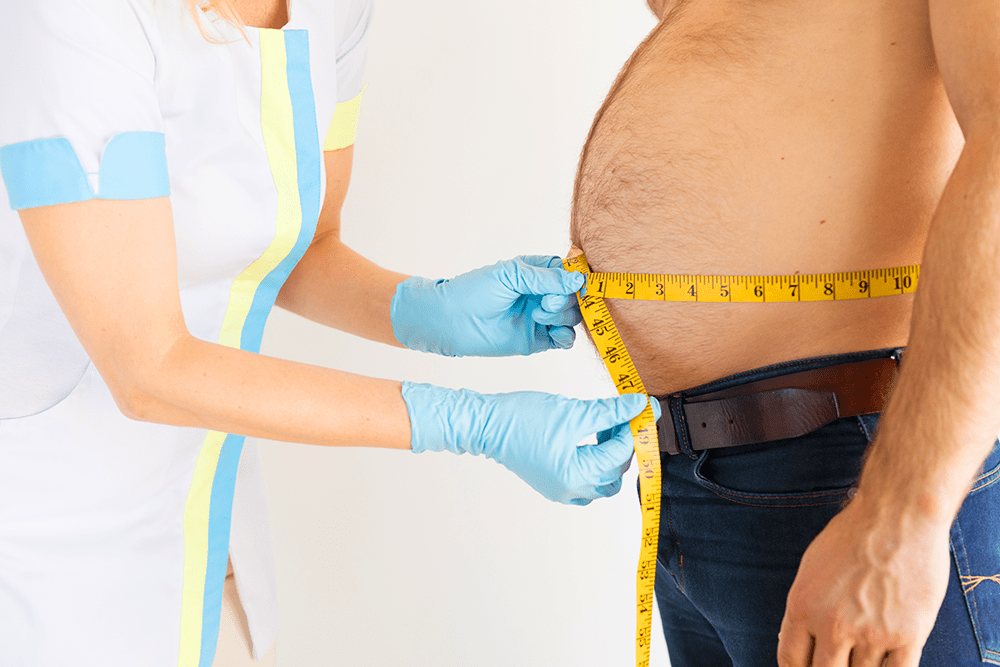
Gastric sleeve in Turkey isn’t suitable for everyone. Before a patient is approved for surgery, the surgeons must ensure that they meet certain criteria. In general, gastric sleeve surgery is recommended for morbidly obese adults (people with a BMI of 40 or above). However, many surgeons are considering providing surgery for people with low BMI. In any case, candidates for gastric sleeve should also:
- Have no health issues that make surgery extremely dangerous.
- Have a stable psychological state and are ready to adopt significant lifestyle modifications.
- Be 18 to 65 years old.
- Be willing to take a multivitamin, calcium and a monthly vitamin B-12 injection for life.
Related Article: What They Don’t Tell You About Gastric Sleeve?
Why Should You Choose Gastric Sleeve in Turkey?
Sleeve gastrectomy is a weight-loss surgery that is both safe and beneficial for obese patients. In Turkey, surgeons perform gastric sleeve surgery using methods and techniques similar to those used in the United States and the United Kingdom. Three things bring international patients here, and they are the same three things that move the price:
- Cost. Turkish clinics offer affordable prices for gastric sleeve and gastric bypass surgery, and those prices come from intense competition, low taxes and lower local operating costs — not from lower surgical standards.
- Surgeon experience. Most Turkish surgeons perform gastric sleeves laparoscopically, which doesn’t leave large scars and only requires a few small incisions in the abdomen. If the surgery is not suitable for you, they can suggest other obesity treatments, such as gastric balloons.
- Comprehensive packages. There are no waiting lists. Packages cover interpretation, accommodation, medical consultations and follow-up sessions, so you arrive to a clear, time-saving treatment plan instead of a queue.
Which is the Best Location for Gastric Sleeve Surgery?
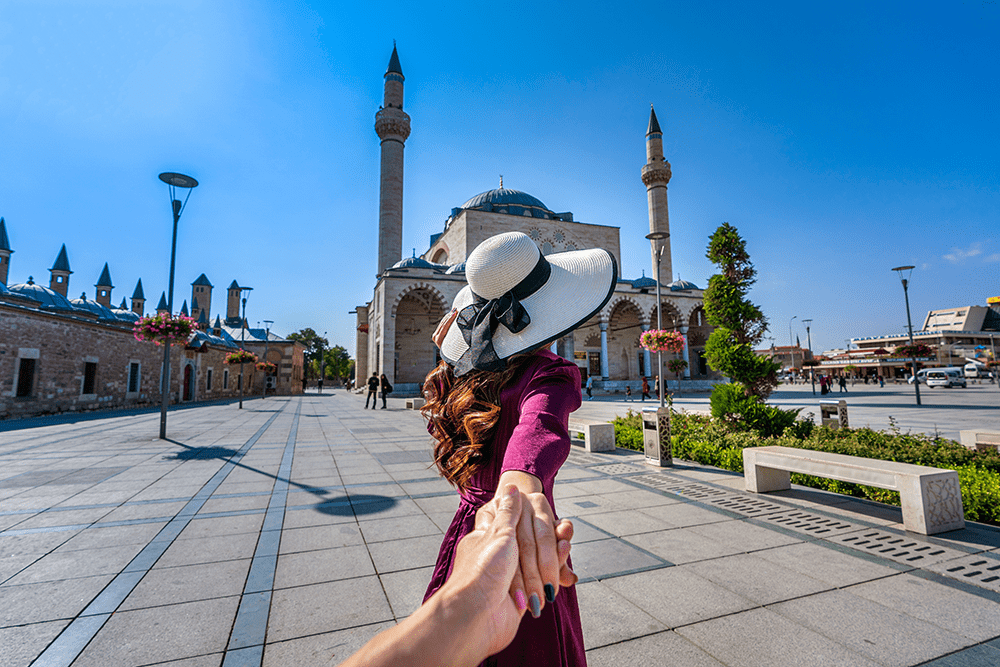
When deciding to undergo gastric sleeve in Turkey, you may become confused about which city you want to stay during the process. Of course, this depends on the hospital or clinic that you’re going to choose.
Most patients prefer to undergo the gastric sleeve in Istanbul since the city is closer to Europe and hosts incredible tourist activities and attractions. Fortunately, international Clinics is located in Istanbul and offers gastric sleeves for international patients.
However, others may choose to go to Antalya or Izmir to receive their treatment. Having a gastric sleeve in Antalya isn’t a bad choice at all. The same thing applies to Izmir. These cities have their own share of beauty and attractions too. Indeed, many famous celebrities and even politicians chose to get a gastric sleeve in Antalya.
What is The Success Rate of Gastric Sleeve in Turkey
The gastric sleeve procedure is known to be a highly effective and successful procedure, with success rates estimated to be between 80-90%. Due to these positive rates, gastric sleeve surgeries have become increasingly popular in recent times, especially in Turkey. Apparently, experienced and highly skilled Turkish surgeons guarantee success and actual results.
laparoscopic sleeve gastrectomy (LSG) was proven safe and highly effective as a stand-alone procedure in a study published in 2017. On average, patients can expect to lose around 60-70% of their excess weight within the first year following the procedure. Mayo Clinic states it is possible to lose “approximately 60%, or even more, of your excess weight within two years.” Additionally, many obesity-related health issues such as type 2 diabetes, hypertension, fatty liver disease, and high cholesterol tend to improve or even resolve after the surgery.
However, not all patients face success or get the results they were expecting before surgery. Some people may opt to undergo revisional surgery, especially those who have experienced complications or inadequate weight loss. The revisional surgery could involve a "re-sleeve" procedure or a complete revision to gastric bypass.
Our Clients Reviews on Gastric Sleeve Surgery in Turkey
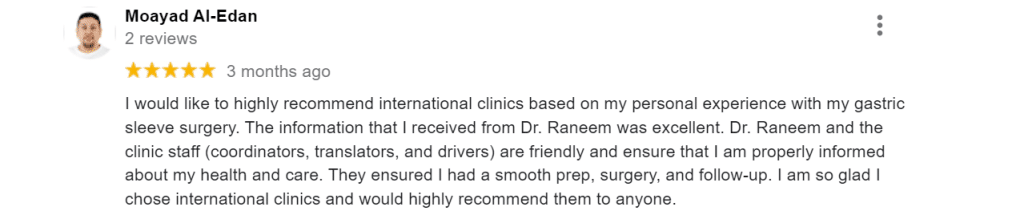
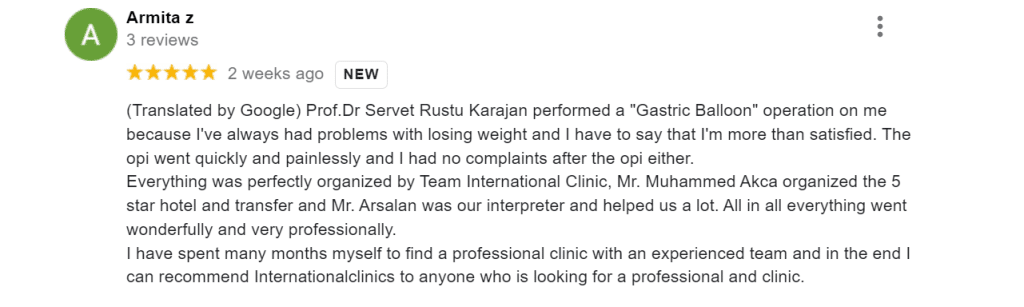
It’s hard to find authentic reviews that tell true success stories of gastric sleeve in Turkey due to the spread of fake and paid reviews on the internet. However, according to many gastric sleeve turkey reviews aggregated by Google, the majority of reviews concerning people who underwent the surgery in Turkey speak positively about their experiences.
Many people who wrote these reviews recommend others to visit Turkey to undergo gastric sleeve as well as other kinds of bariatric procedures, such as gastric bypass, gastric balloon, and Bariclip. They are usually amazed by the affordable, high-quality services that they receive in the country. Below are some reviews left by people who underwent gastric sleeve and other bariatric procedures in International Clinics in Turkey:
Best Doctor for Gastric Sleeve in Turkey
It’s hard to determine the best doctor for gastric sleeve in Turkey, but according to reviews and recommendations, prof. dr. Servet Rüştü Karahan is the best surgeon in the country for bariatric procedures. As expected, dr. Karahan works in International Clinics in Istanbul. He has been providing gastric sleeve and gastric bypass to patients from Europe, North America, and Asia.
Another prominent name worth mentioning is the associate professor. dr. Gökmen Öztürk, who also works in International Clinics in Istanbul. Dr. Öztürk is well-known for his manners and dedication, especially when dealing with international patients and foreigners.
- The best clinic: For most international patients, the obvious choice that guarantees the best gastric sleeve is International Clinics in Istanbul. These clinics have provided gastric sleeve and gastric bypass to thousands of international patients. Hence, it’s not surprising to see hundreds of positive reviews that imply positive impressions about the kind of services in these clinics.
- The best surgeon: Gastric sleeve can go wrong and do more harm than good if an inexperienced surgeon performs it. Thankfully, there are many renowned surgeons in Turkey who used to perform the procedure on international patients and yield great results.
Gastric Sleeve Diet

To make the procedure safer and lower the risk of complications, you must start your pre-op diet for a gastric sleeve before surgery and follow a post-op diet in the weeks that follow the surgery.
- Before surgery: Dietitians usually recommend people reduce their intake of carbs and focus more on consuming protein-rich foods before surgery. They also recommend patients drink more water and avoid unhealthy fats.
- After surgery: Dietitians pay great attention to the patient’s diet after gastric sleeve. They usually recommend patients stick to clear liquids in the first week following the surgery. In the second week, you can add thicker liquids, such as Greek yogurt and protein shakes. In the following weeks, you can start gradually eating soft foods, like eggs and fish, and then transition to eating solid foods after the fourth week, but you need to be mindful of the portion size.
Gastric Sleeve in Turkey Before and After
The outcome of gastric sleeve surgery can differ from person to person; however, many patients notice a considerable drop in weight in the aftermath of the surgery. They no longer find it challenging to try new clothes that fit comfortably or to feel content with their physical appearance.
Below are some before and after gastric sleeve pictures for well-known influencers who underwent the surgery at International Clinics in Turkey:


What are The Risks of Gastric Sleeve Surgery
Understandably, the major risk of the gastric sleeve comes from the fact that you will lose a large portion of your stomach permanently. This makes gastric sleeve a procedure that requires determination and solid decisions to prevent frustration and regret. Moreover, this surgery carries potential short-term and long-term risks, which involve the following:
- Short-term risks: These include things like infections, blood clots, bleeding from the surgical site, allergic reactions to anesthesia, respiratory issues, and stomach leaks.
- Long-term risks: Many of the long-term risks and issues are related to malnutrition, which results from consuming fewer nutrients than before. However, the risks also include hernias, scars, chronic vomiting, gastrointestinal blockage, gastroesophageal reflux, and hypoglycemia.
Final Thought
A gastric sleeve in Turkey costs $3,500 to $6,000 all-inclusive, and the number that matters after that is not the price but whether your BMI, your health history and your willingness to take supplements for life make you a candidate.
Send us your BMI and medical history and we will tell you, in writing, whether you qualify — and what your package would include.
Medically reviewed by Assoc. Prof. Dr. Gökmen Öztürk, Bariatric Surgery Center, International Clinics — August 2026.