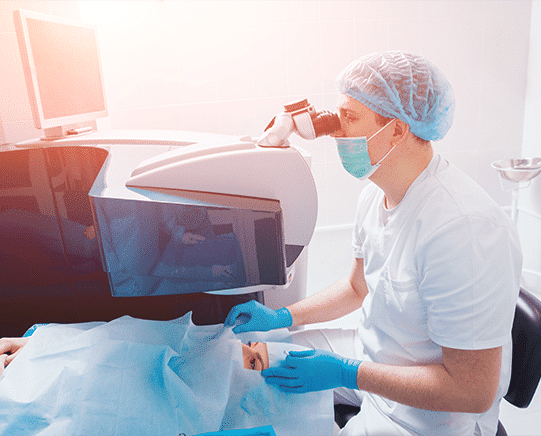
Thanks to laser eye surgeries such as LASIK, problems like nearsightedness and farsightedness are no longer an issue for millions of people around the globe! In 2019 alone, more than 23 million people underwent LASIK procedures in the United States to correct their vision problems!
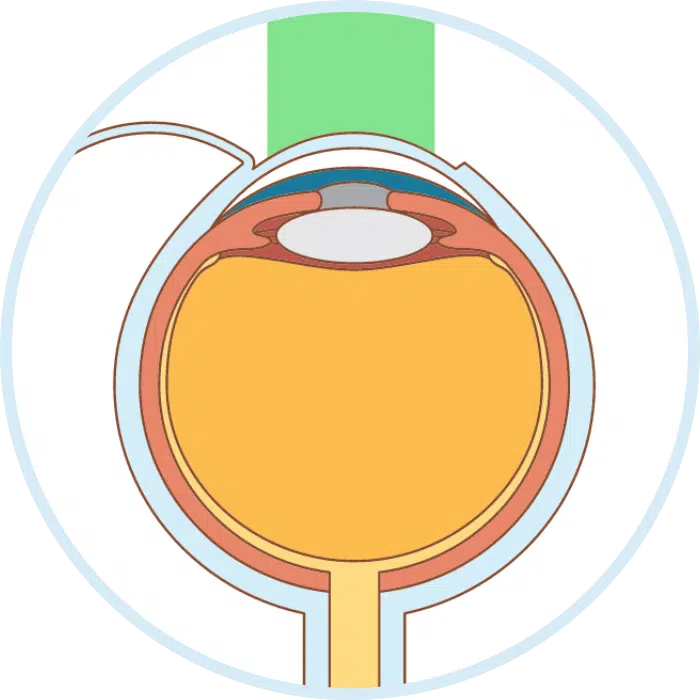
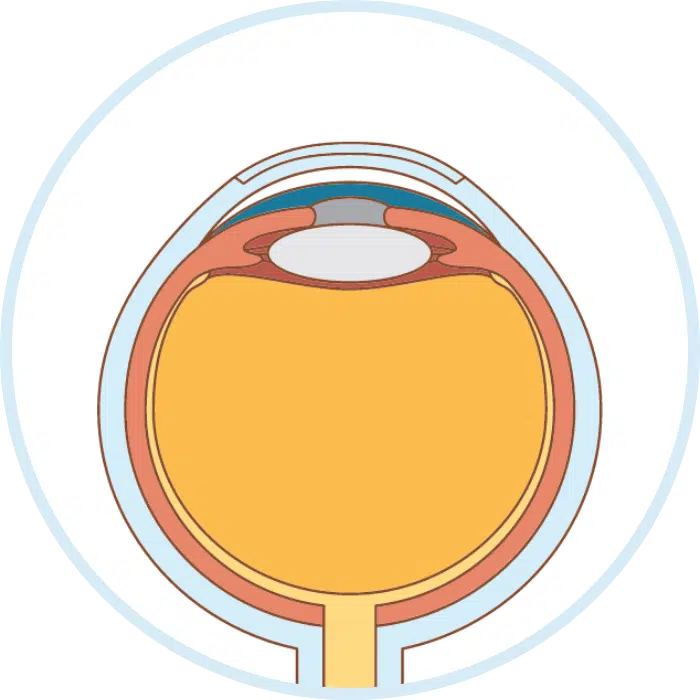
Laser-assisted in situ keratomileusis (LASIK) is a laser surgery that can permanently reshape the corneal tissue to help you see better without glasses or contact lenses. It helps the light bends correctly and focuses on your retina.
During surgery, doctors use an excimer laser to produce a concentrated beam of cool ultraviolet (UV) light to remove a tiny part of corneal tissue. Interestingly, the first LASIK surgery was performed in the United States in 1991.
Free Consultation
We provide you with free consultations by a specialized team
LASIK Surgery can dramatically improve your vision and boost your quality of life. Below are the benefits of this procedure:
Improve your vision and eliminates the need for eyeglasses or contact lenses
Treat refractive errors, such as nearsightedness (myopia), farsightedness (hyperopia), or astigmatism
Get satisfactory and long-lasting results (95% of people who have had LASIK surgery are satisfied with the results)
Enjoy a convenient, cost-effective solution without the need for repetition
Candidates for LASIK Surgery
First, you must contact an experienced eye doctor or a respected clinic that offers LASIK treatment regularly to patients. To prepare you for surgery, they may do the following:
Perform a complete eye exam to assess the thickness of your cornea and the kind of refractive error you have.
Ask you about your medications and medical history.
Ask you to stop wearing contact lenses for around 2 weeks before the surgery.
Steps of LASIK Surgery
LASIK surgery is a painless procedure that only takes around 15 minutes for both eyes and can be done in a doctor’s office or clinic. The steps include the following:
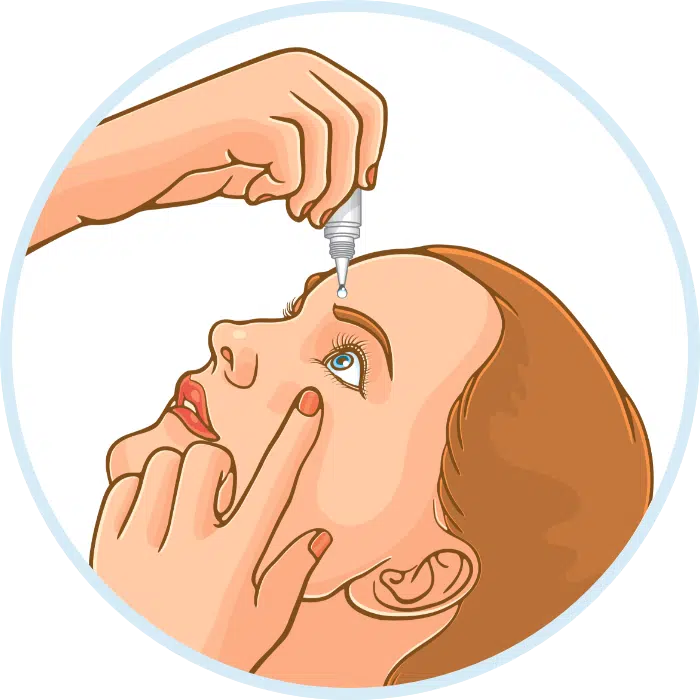
1. Anesthesia
Your doctor use eye drops to numb both your eyes and spare you any pain.
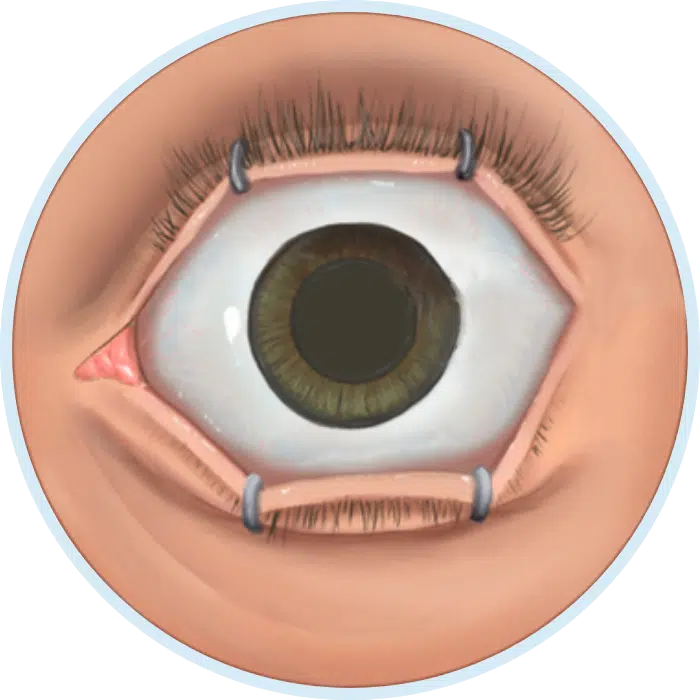
2. Eyelid Stabilization
Next, your doctor uses an eyelid holder to keep your eyelid open during the procedure.
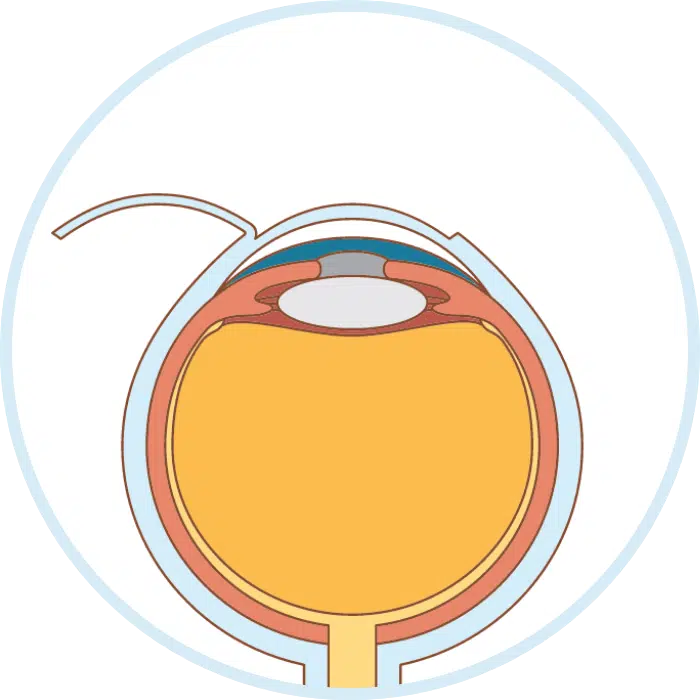
3. Flap Creation
Using a small blade or a laser, your doctor will make a flap in the outer layer of the cornea and lift the flap gently.
4. Cornea Reshaping
your doctor will reshape your cornea and fix irregularities using an excimer laser or custom laser.
5. Reattaching the Flap
Finally, they will place the flap in its original position without stitches as it can heal on its own.
Recovery After LASIK Surgery
Immediately after the procedure, you need to rest for a bit because you may feel burning or itching. Someone should drive you home as you can’t drive after the surgery. Remember the following instructions in the days that follow:
Expect some haziness or blurry vision after the surgery, but all these symptoms often disappear the next day.
Avoid wearing contact lenses, using eye makeup, or engaging in contact sports.
Avoid swimming, hot tubs, or immersing your eyes totally in water.
Doctors recommend at least one day of rest after the surgery, but you can still work the next day.
You may start noticing vision improvement immediately, but complete recovery and vision improvement needs 2-3 months to manifest.
Risks of LASIK Surgery
LASIK surgery is a very successful procedure, but it still poses some potential risks such as:
Poor or irregular healing
Long-term vision problems
Dry eye syndrome
Astigmatism
Unsatisfactory results
Vision loss (very rare)
Contact Information
Get a free consultation and answers to all your questions by completing the form below
Let us contact you
Get a free consultation and answers to all your questions by completing the form below
✓
Success!
Your message has been sent successfully. We will contact you soon.
Thank you
The form has been sent successfully
We will contact you as soon as possible
FAQ's
What is LASIK surgery?
LASIK modifies the shape of the cornea using a laser. It mostly uses a precise tool to remove a thin layer of the corneal surface, except a small part that keeps it attached to the eye and is pushed back of the eyeball.
Candidates for LASIK Surgery
Doctors often recommend LASIK surgery for people who meet the following criteria:
18 years or older who have stable vision
Have a refractive error that can be treated with LASIK surgery
Have thick, healthy cornea and without major eye issues
Have realistic expectations
Is the laser procedure painful?
The laser procedure causes no pain at all, but after the treatment, patients may feel some discomfort that will go away after several days.
How long does the LASIK procedure take?
The procedure takes approximately 30 minutes.
What is the price of a laser procedure?
The price of LASIK surgery varies from place to another, depending on the experience of the doctor, the technique used, and the place where the procedure is performed.
What is the success rate of the laser procedure?
Laser eye surgery is a very effective treatment. The surgery has achieved very high success rate of around 99%.
×
Get a Free Consultation
International Clinics Guarantees
Reliable medical care provided within our accredited facilities
Final fixed price with no hidden costs
Full medical support with professional interpreters
Clear treatment plans and follow-up at international standards
Personalized assistance throughout the entire treatment journey
We use our own cookies and third-party cookies so that we can display this website and better understand how you use it, with the aim of improving the services we offer. If you continue browsing, we consider that you have accepted the cookies.

 EN
EN AR
AR ES
ES FA
FA FR
FR