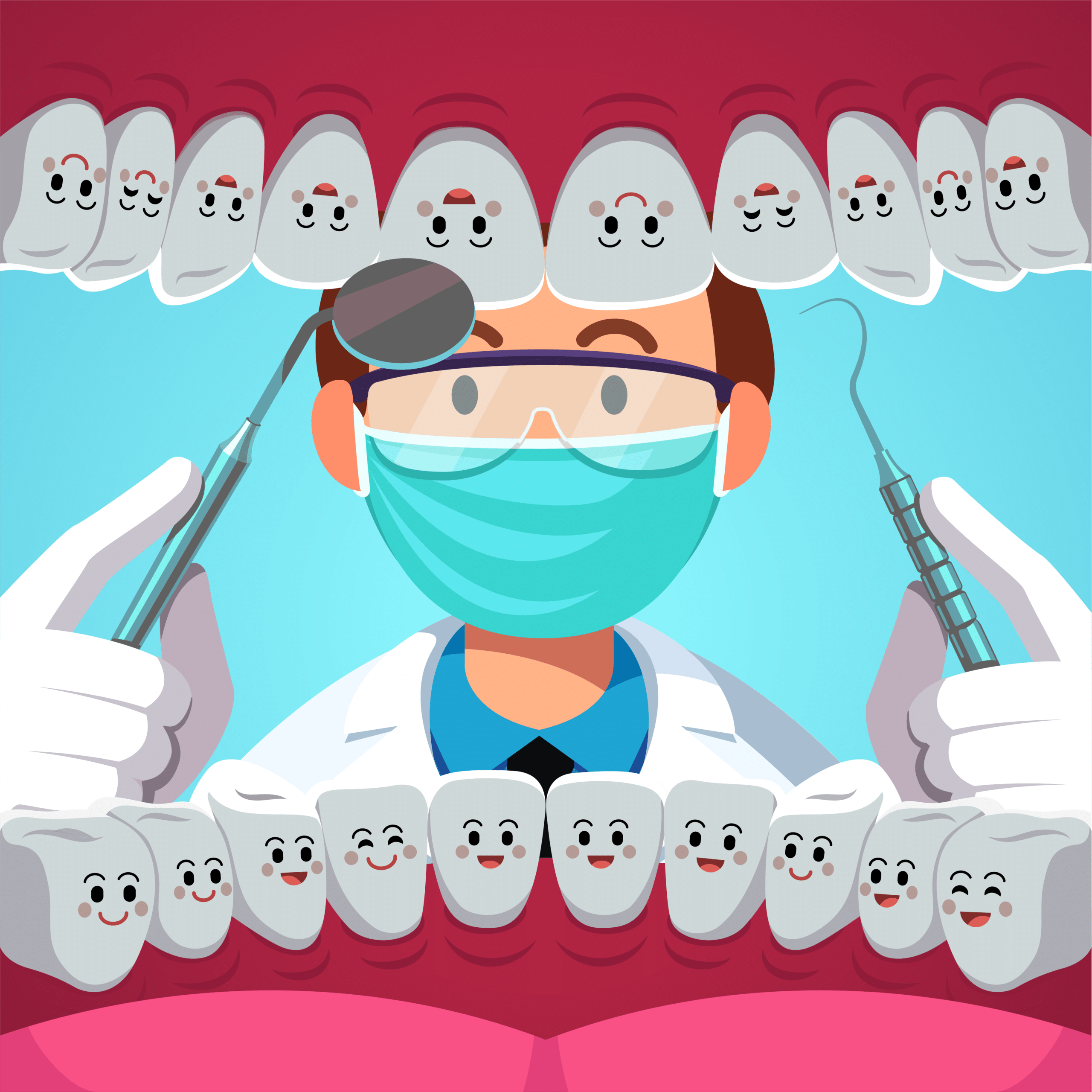
Are you tired of hiding your smile because of misaligned teeth? It brings down your morale and makes you less confident about yourself. But do you know that orthodontics can solve your dental imperfections and bring back your lost confidence?
Orthodontics is a branch of dentistry that diagnoses dental issues and corrects misaligned jaws and teeth. It offers various treatments including braces, retainers and other dental applications. Moreover, It is especially designed to position teeth and boost overall oral health.
This article will provide a comprehensive guide about the overall procedure of orthodontics including pros, complications and post-procedure care and cautions.
Let’s begin with understanding what orthodontics is!
Orthodontics is a specialized area in dentistry that focuses on fixing the irregularities in the teeth and jaws. Mainly its primary objective is the diagnoses, elimination and treatment of dental and facial problems. These problems may include overbite, underbite and the crowding of teeth.
Don’t be hesitant to consult an orthodontist and confidently begin your journey towards a perfect smile! After evaluating your dental problems and preferences, the oral health specialists may suggest treatments such as clear aligners, retainers for teeth or braces. These options not only straightens teeth but also provide an enhanced aesthetic facial structure.
Free Consultation
We provide you with free consultations by a specialized team
Orthodontic treatment requires care and dedication from both the patient and the dentist. The procedure involves the expertise and precision of the orthodontist.
The process begins with a thorough understanding of the patient's dental screening followed by planning a personalized treatment plan. Teeth straightening treatment usually spans several months to a few years, gradually moving teeth in their proper positions.
Following are common steps involved in the orthodontics procedure:
Step 1: Evaluation
During the initial consultation, your orthodontist evaluates your teeth and jaws. It is a very cautious task, as it involves taking impressions of teeth, digital scans, X-rays and 3D imaging in order to completely understand your oral structure.
Step 2: Treatment Plan
After consultation, the orthodontic dentist develops a comprehensive treatment plan. This plan incorporates which specific orthodontic tools will be used and what the expected result of the procedure will be.
Step 3: Taking Dental Impressions
This step involves taking dental impressions in order to create custom appliances, which include aligners or braces. A clay-like material is utilized to make molds of the teeth. This helps in tailoring identical devices that will fit the mouth perfectly.
Step 4: Fitting Orthodontic Appliances
Based on your preference or need, the orthodontist fits a specific orthodontic appliance such as retainers, braces or aligners.
Step 5: Adjustments
Adjustments are made periodically throughout the orthodontic treatment. The orthodontist adjusts the appliances, tightening the braces or clear aligners to ensure smooth progress.
Step 6: Removal and Retention
Once the desired outcome has been achieved, the appliances will be removed. Therefore, after the appliances have been removed, you still need to wear retainer or custom-made devices. These help in maintaining the results of the procedure.
Pre-Requisites of Orthodontic Process
Although orthodontic treatment may seem a daunting procedure, it aligns your teeth and jaws perfectly. Following are some pre-treatment requisites that aid in the perfect positioning of the teeth.
Don’t hide dental issues.
Maintain regular dental cleanings and flossing.
Drink plenty of water to keep yourself hydrated.
Extraction of surplus teeth and those which are severely damaged.
Avoid smoking and excessive alcohol consumption.
Avoid hard foods like popcorn, hard crusts and ice etc.
Avoid using whitening products like whitening toothpastes, or strips etc.
Post Orthodontist Treatment Care and Precautions
Following are the key precautions and care necessary after orthodontist procedure:
Make sure to wear your post-orthodontics retainers regularly.
Maintain good oral hygiene by flossing regularly and cleaning between the gaps and braces.
Avoid hard and staining food items like food containing tomato paste, curries, tea etc.
Avoid strenuous activities and do not put stress on the mouth; let it heal.
Follow a soft diet like scrambled eggs, soft bread etc which may soothe your teeth.
Visit the orthodontist for regular check-ups.
Benefits of Orthodontics
Orthodontics is your best guide to a happy life and a perfect smile. It not only straightens teeth and jaws but also provides healthier oral hygiene. Additionally, it eliminates the decaying and damaged teeth, making your oral cavities safe.
Here are some of the benefits of orthodontics:
Prevention of Tooth Decay: Orthodontics makes it easy for you to clean your teeth and helps prevent tooth decay.
Aids in Chewing and Speaking: It helps you chew and speak confidently.
Straighten Teeth and Jaws: Dental alignment aids to straighten teeth and fixes the jaw structure.
Overbite Correction: It is a case where the upper teeth overlap with the lower teeth. Orthodontics helps in the overbite correction.
Improved Digestion: It improves digestion by correcting bite issues.
Risk and Complications
Although dental alignment is the best solution for the straightening of teeth and jaws, there are some risks and complications which tag along the treatment.
Here is the list of possible complications which may result from orthodontic treatment:
Discomfort: The patient may feel discomfort from the dental appliances initially.
Tooth root shortening: In rare cases, the roots of the teeth may shorten during the process, affecting the stability of the teeth.
Toothache: Some people may feel alarming pain in their teeth after or during the process.
Gum Infections: Gingivitis is another risk of orthognathic treatment which may lead to bleeding gums and infections.
Broken wires: Sometimes, the wires and brackets of the appliances may come loose or break, which causes discomfort and irritation.
Contact Information
Get a free consultation and answers to all your questions by completing the form below
Let us contact you
Get a free consultation and answers to all your questions by completing the form below
✓
Success!
Your message has been sent successfully. We will contact you soon.
Thank you
The form has been sent successfully
We will contact you as soon as possible
FAQ's
Q. How long does the Orthodontic treatment procedure take?
The treatment process usually spans over several months to years. The time may vary for individual patients and the severity of the dental problem.
Is braces treatment painful?
Initially, the patient may feel irritation and discomfort but braces treatment is not much painful. The pain waver away soon after the initial stage.
Is it necessary to wear a retainer after the orthodontic treatment?
Yes, it is necessary in order to maintain the results of the treatment. The retainers add an extra layer of protection to the alignment.
What are the alternatives of traditional metal braces?
There are multiple alternatives of traditional metal braces. You may opt to use clear aligners, ceramic braces or retainers, all of which have their own advantages.
Does orthodontic treatment necessitates removing the additional teeth?
No, it is not necessary but additional teeth may be removed if it hinders the progress of alignment.
What is the purpose of braces?
Braces provide a structure to the teeth and position them in an order. It helps to straighten misaligned teeth and also to eliminate extensive spaces among them.
Does Orthodontic Treatment lead to jaw joint issues?
Although it is a rare phenomenon, some patients may face jaw joint pain and clicking issues. This is usually caused by pre-existing issues and orthodontic treatment itself is harmless and positive for the jaws.
×
Get a Free Consultation
International Clinics Guarantees
Reliable medical care provided within our accredited facilities
Final fixed price with no hidden costs
Full medical support with professional interpreters
Clear treatment plans and follow-up at international standards
Personalized assistance throughout the entire treatment journey
We use our own cookies and third-party cookies so that we can display this website and better understand how you use it, with the aim of improving the services we offer. If you continue browsing, we consider that you have accepted the cookies.

 EN
EN AR
AR ES
ES FA
FA FR
FR