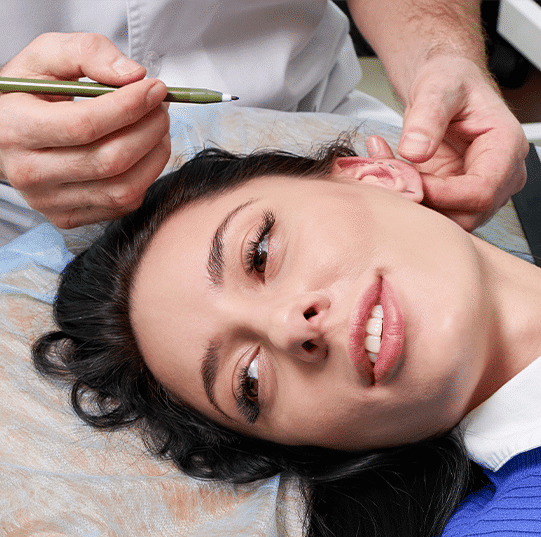
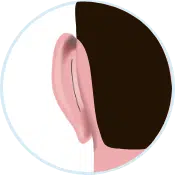
It is not a secret that oversized or protruding ears are a source of embarrassment and ridicule, especially for young children. If you or your child has this problem, otoplasty can be the right option to end the struggle and bring back harmony to facial appearance.
Otoplasty, also known as cosmetic ear surgery or ear reshaping, is a surgical procedure to reshape or resize the ears by using permanent sutures.
The surgery targets the outer ear or the auricle. According to the American Society of Plastic Surgeons, around 23,000 ear reshaping procedures were performed in the United States in 2018.
Otoplasty has a variety of types, including ear augmentation, ear pinning, and ear reduction. Based on your needs, your surgeon will pick the right type for you.
Free Consultation
We provide you with free consultations by a specialized team
Otoplasty brings more balance and proportion to your ears and face. In sum, you will gain the following benefits if you decide to undergo this surgery:
Reduce the size or protrusion of your large ears and reposition them against the sides of your head.
Repair irregularities caused by accidents, acute trauma, or congenital ear abnormalities.
Give your ears a more natural form and get a more symmetrical face.
Fix stretched earlobes with large creases and wrinkles.
Restore self-confidence and avoid embarrassment or bullying.
Be like Hollywood celebrities, such as Ben Stiller and Brad Pitt, who supposedly underwent otoplasty before!
Candidates for Otoplasty
Obviously, you need to find a skilled surgeon who has performed otoplasty on many patients before, or you can contact a recognized clinic that offers such treatment. During your initial consultation, your doctor may do the following:
Review your medical history, current medications, and medical issues.
Examine the position, size, and shape of your ears. In addition, they may measure your ears and take clinical images.
Discuss your expectations and inform you of the risks and possible complications of the surgery.
Steps of Otoplasty
Surgeons usually perform otoplasty in outpatient facilities. Depending on the nature and complexity of the surgery, it may take between 1 to 3 hours. The steps of the surgery include:
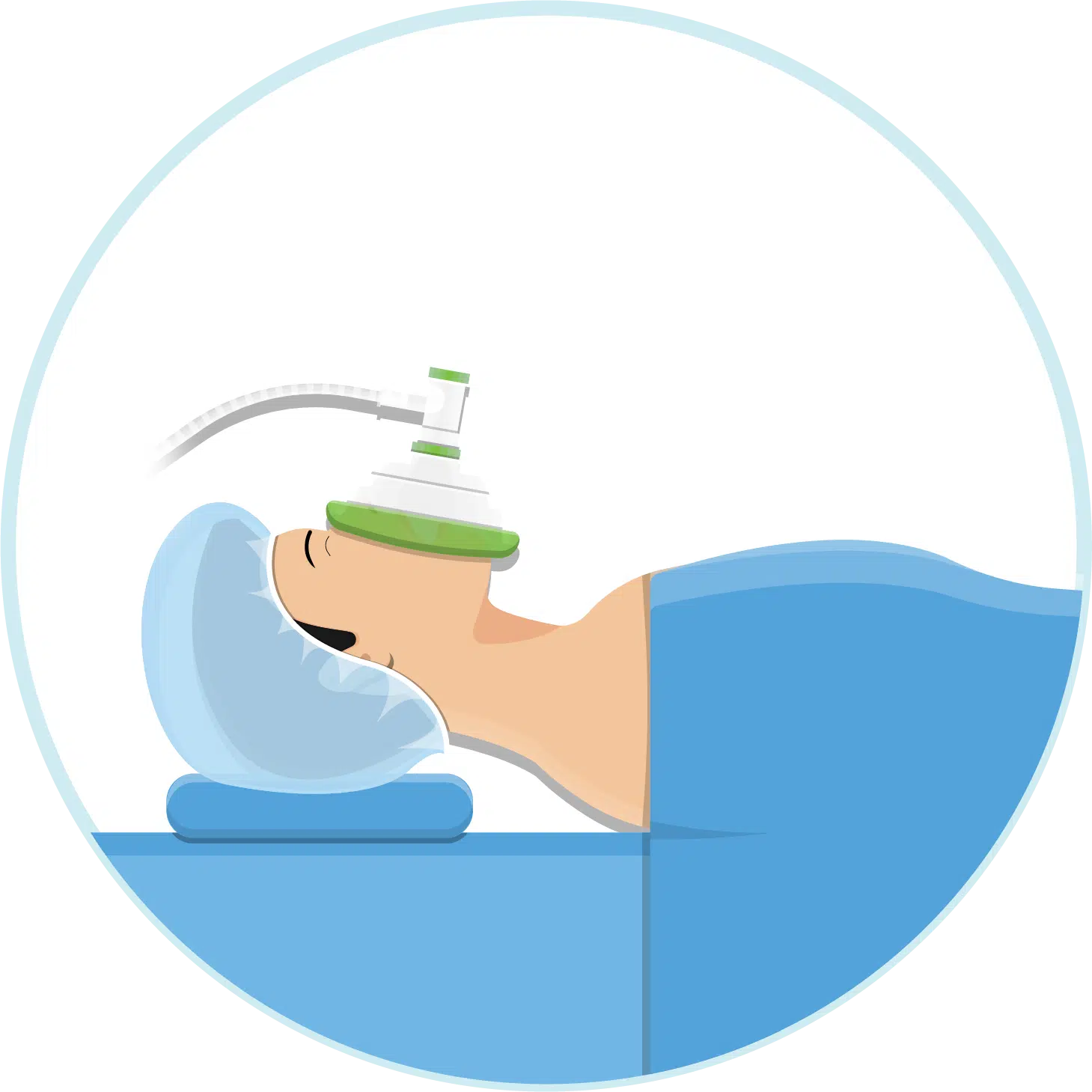
1. Anesthesia
Both adults and older kids can receive a local anesthetic along with a sedative to prevent pain and discomfort. However, general anesthesia is the right option for many cases, especially for younger children.
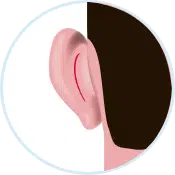
2. Incisions Making
The length and nature of the surgical incision depend on the type of otoplasty you’re having. In general, otoplasty entails making an incision either inside the ear folds or on the back of the ear.
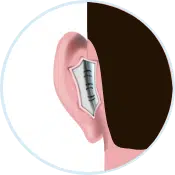
3. Ear Reshaping
Next, your surgeon starts removing some cartilage or skin and contouring the remaining cartilage by using permanent sutures. Sometimes, surgeons need to graft more cartilage to the ear.
4. Incision Closure
Finally, your surgeon seals the wounds with stitches and wraps a bandage around your head.
Recovery After Otoplasty
Here are some instructions and tips to follow during the recovery phase:
Don’t wash your hair until the bandage is removed. Also, try always to keep the site clean and dry.
Your doctor may allow you to use over-the-counter medications to alleviate any discomfort, such as ibuprofen or paracetamol.
You can wear a headband to keep your ears safe during sleep and try to choose a good sleeping position to prevent putting pressure on your ear.
Wear button-up shirts to avoid pulling your clothes over your head.
You may need to visit the doctor to remove your stitches. Some stitches, however, dissolve on their own.
Do not touch or scratch your ears.
Risks of Otoplasty
Otoplasty is generally a safe procedure, and most patients get the results they want. However, like any other surgery, ear reshaping carries potential risks and side effects, such as:
Anesthesia-related reactions
Bleeding or infection
Uneven or unnaturally shaped ears
Abnormal skin sensations
Suture extrusion
Visible scarring
Contact Information
Get a free consultation and answers to all your questions by completing the form below
Let us contact you
Get a free consultation and answers to all your questions by completing the form below
✓
Success!
Your message has been sent successfully. We will contact you soon.
Thank you
The form has been sent successfully
We will contact you as soon as possible
FAQ's
Candidates for Otoplasty
You’ll be a good candidate for otoplasty if you’re:
In excellent health
Having no major illnesses
Having reasonable expectations
Nonsmoker because smoking slows recovery
Having a large, protruding ear or abnormally shaped ear due to injury, trauma, or birth defect.
Is otoplasty painful?
Both general and local anesthesia will prevent pain during surgery. You may feel a little tired afterward, but your doctor should prescribe some pain medication anyway.
What are the side effects of otoplasty?
– Ear pain
– Itching
– Skin redness
– Bruising
– Swelling
– Scars behind or inside the ears
– Numbness or tingling
Is it a safe procedure?
Otoplasty is safe as long it is performed by an experienced surgeon.
How effective is this procedure?
Otoplasty is an effective way to improve the shape or size of the ears. The results do not change with time.
What are the alternatives?
Modifying the ear shape without surgical intervention is possible. This may happen by using an ear splint, which is suitable for newborns up to 6 months only.
×
Get a Free Consultation
International Clinics Guarantees
Reliable medical care provided within our accredited facilities
Final fixed price with no hidden costs
Full medical support with professional interpreters
Clear treatment plans and follow-up at international standards
Personalized assistance throughout the entire treatment journey
We use our own cookies and third-party cookies so that we can display this website and better understand how you use it, with the aim of improving the services we offer. If you continue browsing, we consider that you have accepted the cookies.

 EN
EN AR
AR ES
ES FA
FA FR
FR