![Breast Augmentation in Turkey: Best Clinics, Surgeons & Costs [2026 Update]](https://internationalclinics.com/uploads/international-clinics-25-10-14-23-00-24-68eeabd8c45d5.webp)
- What Is Breast Augmentation Surgery?
- Types of Breast Augmentation
- Best Breast Augmentation Mammoplasty in Turkey
- Best Breast Augmentation Mammoplasty
- Best Clinic in Turkey for Breast Augmentation
- Best Surgeon in Turkey for Breast Augmentation
- How Much Is Breast Augmentation in Turkey?
- Cost Comparison Table (Average Prices in 2026)
- Affordable Breast Augmentation Price in Turkey
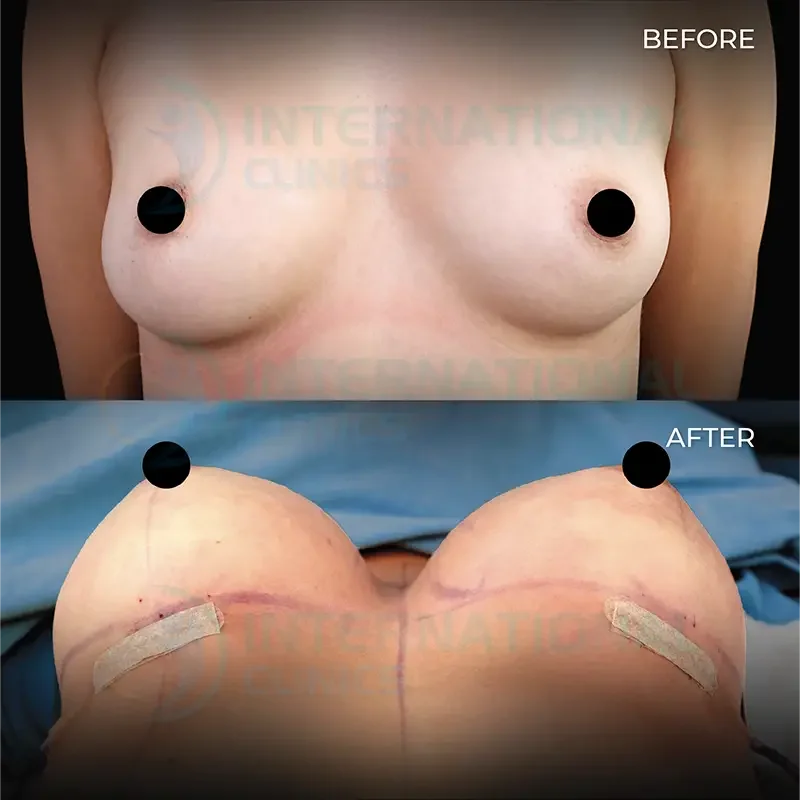
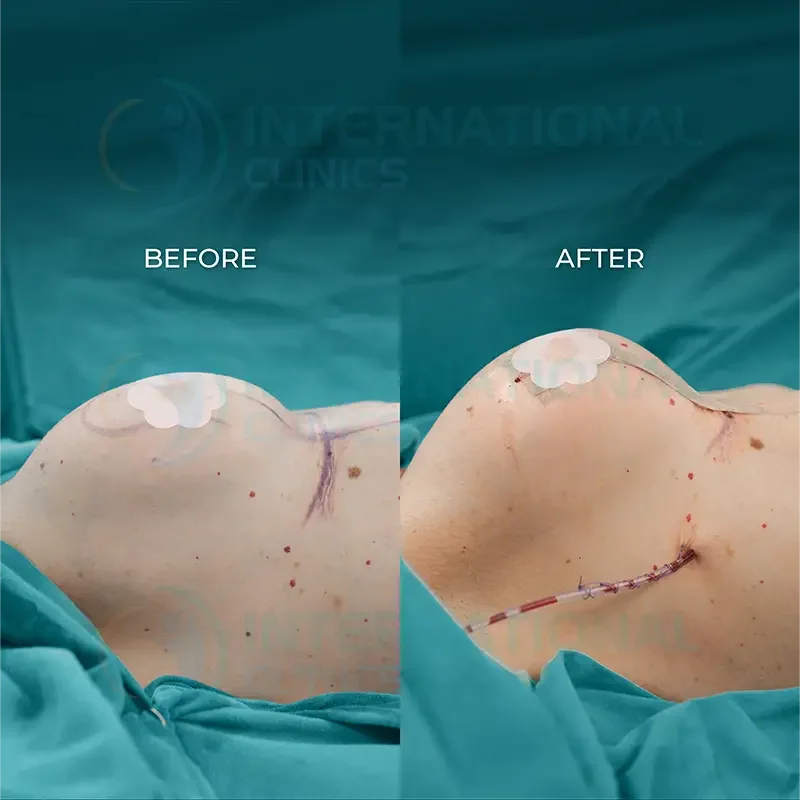
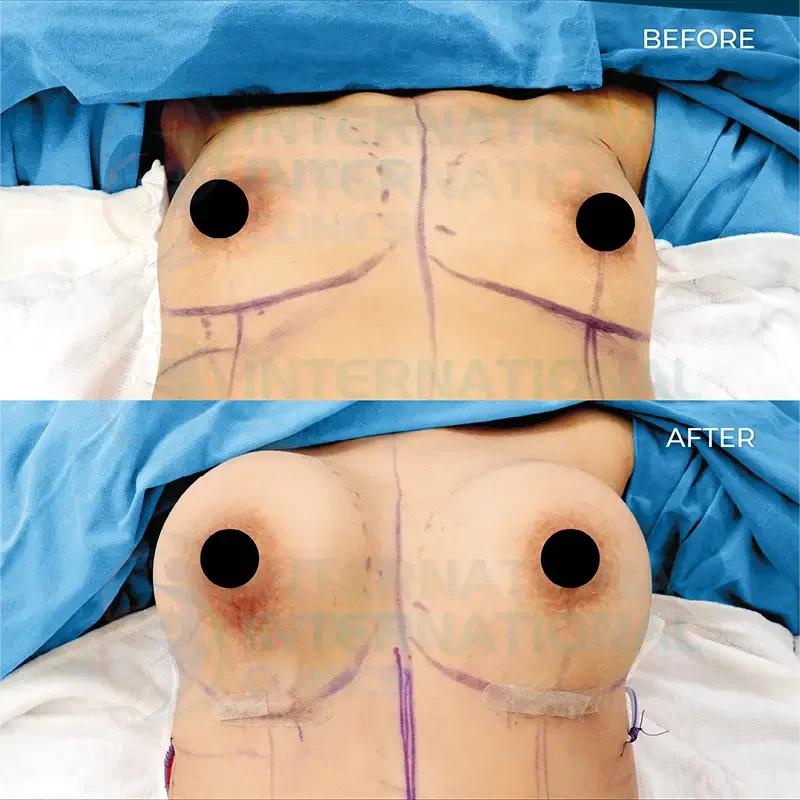
- Breast Augmentation Before and After in Turkey
- Breast Augmentation Malpractice in Turkey
- Breast Augmentation in Turkey Reviews
- Celebrity Insights on Breast Augmentation
- Surgical Codes for Medical Insurance Purposes (CPT & ICD-10)
Turkey is a popular destination for breast augmentation surgery due to its affordable costs, high-quality medical care, and experienced surgeons. It is a cosmetic surgery that transfers a patients own fat to the breasts for a natural-looking enhancement and body contouring.
Breast augmentation surgery, also known as augmentation mammoplasty, is one of the most popular cosmetic procedures sought by women worldwide. The highly competitive pricing, with costs often starting around $3,000 USD, offers significant savings compared to Western countries. This compelling combination of quality, expertise, and affordability has made Turkey a leading destination. This guide covers everything you need to know about pursuing breast augmentation in Turkey.
When researching this procedure, youll encounter several names, including the technical term Augmentation Mammaplasty, the widely used phrase Breast Enhancement, and the common slang term, a "boob job." Regardless of whether you choose the classic implant approach or a more subtle Fat Transfer Augmentation, Turkey is consistently ranked among the top global destinations for this life-changing procedure.
What Is Breast Augmentation Surgery?
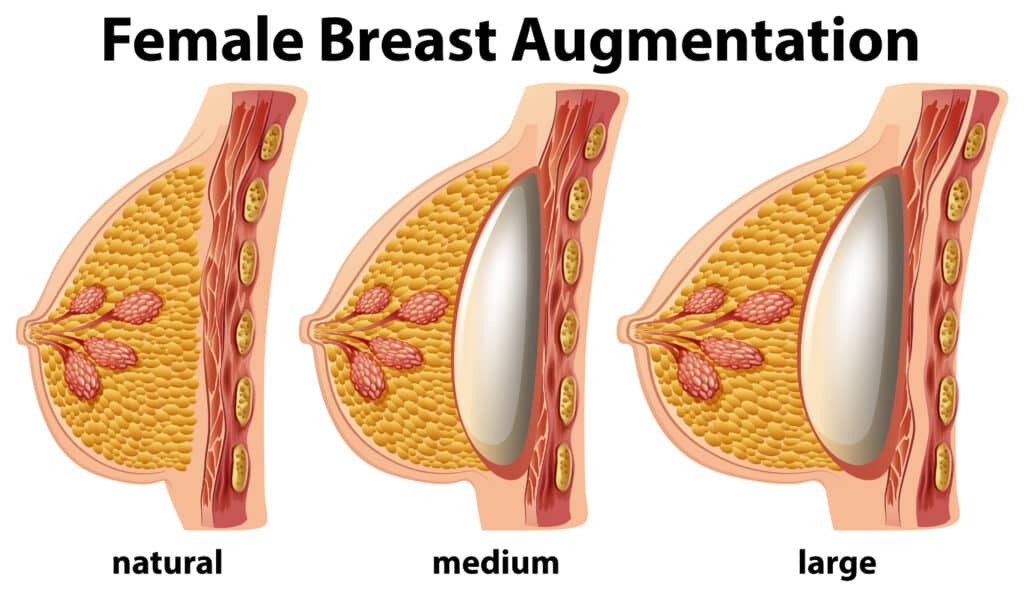
Breast augmentation is a surgical procedure designed to increase the size and improve the shape of the breasts. It typically involves placing breast implants (saline or silicone) under the breast tissue or chest muscles. Alternatively, it can be achieved using a patients own fat (fat transfer), a cosmetic surgery that transfers a patients own fat to the breasts for a natural-looking enhancement and body contouring. For many, this procedure is a way to enhance body contour, restore breast volume lost after weight loss or pregnancy, or correct natural asymmetry, ultimately boosting body image and self-confidence.
Types of Breast Augmentation
Implant-Based Augmentation (Breast Augmentation with Implants in Turkey)
This is the gold standard for achieving a significant, predictable increase in breast volume and projection.
Implant Composition
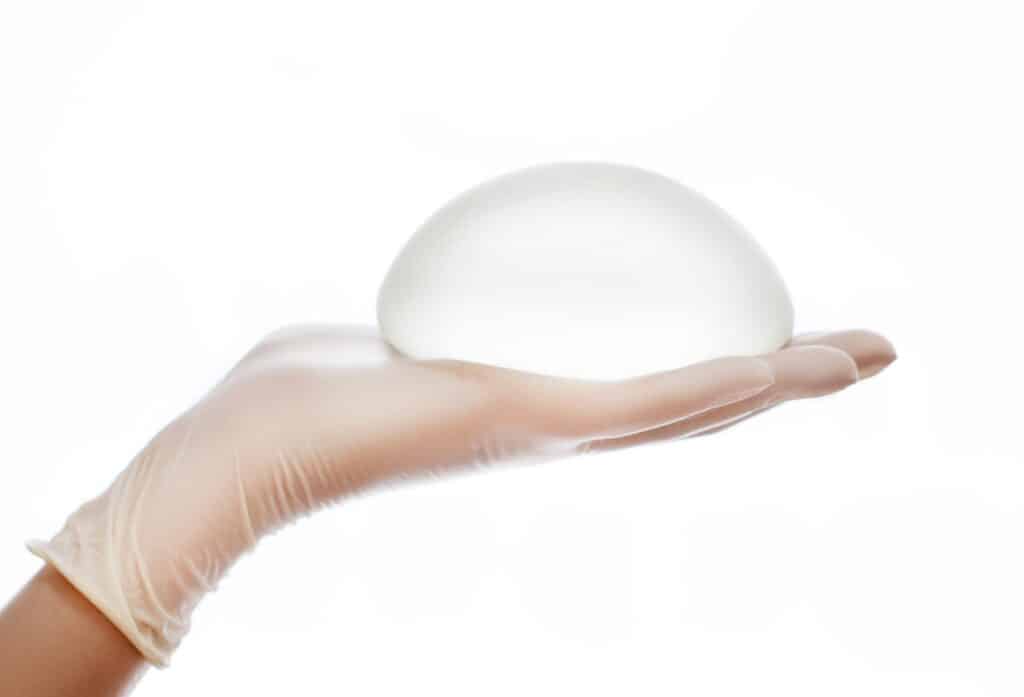
Silicone Gel Implants: These are filled with a highly cohesive, form-stable silicone elastomer gel. This advanced composition minimizes the risk of implant rupture (leakage) compared to earlier generations, as the material maintains its form. Popular brands utilized in Turkish clinics (Motiva, Mentor, Polytech) are often FDA-approved and provide a viscosity that closely mimics the palpability of natural breast adipose tissue.
Saline Implants: These consist of an elastomeric silicone shell, which is inserted empty and subsequently filled with sterile isotonic sodium chloride solution once positioned. They are preferred in certain cases for the ability to adjust final volume intraoperatively, though they can present a higher risk of visible rippling in patients with minimal subcutaneous tissue.
Incision and Placement Techniques
Surgeons utilize precise incision protocols to minimize scar visibility and optimize implant trajectory
Incision Sites:
Inframammary Fold (IMF): The most common approach. The incision is placed in the natural crease beneath the breast, facilitating direct visualization and accurate creation of the implant pocket.
Periareolar: An incision placed along the border of the areola. This camouflages the scar at the transition point between pigmented and non-pigmented skin but involves traversing breast parenchyma, which may slightly increase risks of bacterial contamination of the implant.
Transaxillary: The incision is placed within the armpit, completely avoiding visible scarring on the breast mound itself. Implant placement is typically guided endoscopically.
Implant Pocket Placement (Plane): The location relative to the Pectoralis Major muscle is critical for the long-term aesthetic and complication profile:
Subglandular (Above the Muscle): Placement is superficial to the Pectoralis Major muscle, resting directly under the glandular tissue. This offers a simpler recovery but is generally reserved for patients with sufficient native breast tissue to camouflage the implant and prevent palpable/visible rippling.
Submuscular (Dual Plane or Subpectoral): The implant is positioned partly (Dual Plane) or entirely beneath the Pectoralis Major muscle. This plane provides maximum soft tissue coverage, which is scientifically correlated with a reduced rate of capsular contracture and better camouflage, especially in thinner patients.
Autologous Fat Grafting (Breast Augmentation with Fat Transfer in Turkey)
This technique, also known as autologous fat grafting or Fat Transfer Breast Augmentation in Turkey, offers volume enhancement using the patients own biological material, resulting in a significantly more subtle and organic outcome.
The Three-Stage Scientific Process
Harvesting (Lipoaspiration): Adipose tissue is harvested using a specialized low-pressure liposuction technique from designated donor sites (commonly the abdomen or flanks) where fat stores are abundant. Low negative pressure is essential to maintain the viability of the adipocytes (fat cells).
Processing (Purification): The lipoaspirate is meticulously processed to separate viable fat cells from blood, tumescent fluid, and necrotic debris. This is typically achieved through centrifugation or filtration/washing methods, concentrating the purified fat for maximum graft survival.
Transfer (Meticulous Injection): The purified fat is strategically injected using fine, blunt-tipped cannulas in multiple fine tunnels throughout various tissue planes of the breast (subcutaneous, interglandular, and/or retropectoral). This multi-plane dispersion ensures maximum contact between the fat graft and the recipient tissue, crucial for vascularization and long-term engraftment (Dual Benefit).
Clinical Application
This method is scientifically preferred for:
Subtle volume increase (typically less than a one-cup size per session).
Correcting contour irregularities (e.g., rippling) following prior implant surgery (Hybrid Augmentation).
Achieving natural tissue softness and contour refinement.
Simultaneously providing body contouring at the donor site.
Best Breast Augmentation Mammoplasty in Turkey
The determination of the "best" breast augmentation mammoplasty in Turkey is highly individualized, based on the patients existing anatomy, lifestyle, and aesthetic goals. Modern Turkish surgeons excel in offering three primary, tailored approaches
Technique | Goal and Ideal Candidate | Key Feature |
Implant Augmentation | Significant volume increase (1+ cup size); patients with mild-to-moderate existing breast tissue. | Projection and Longevity. Provides the most dramatic and predictable size change. |
Fat Transfer Augmentation | Subtle volume correction (less than 1 cup size); patients seeking the most natural feel and dual benefit of body contouring. | Autologous and Natural. Uses the patients own tissue, eliminating foreign bodies. |
Hybrid Augmentation | Patients seeking significant volume increase (implants) but require natural contouring to mask implant edges. | Optimal Aesthetics. Combines implant projection with fats ability to refine cleavage and soften the upper pole transition. |
The Nuance of Implant Placement: Subfascial Technique
Beyond the standard subglandular (over the muscle) and submuscular (under the muscle) placement, top breast augmentation surgeon in Turkey often utilize advanced planes:
The Subfascial Plane: This increasingly popular technique places the implant beneath the thick fascial layer that covers the Pectoralis Major muscle, but above the muscle tissue itself.
Scientific Advantage: It offers the visual camouflage benefits and lower capsular contracture rates associated with submuscular placement, yet avoids muscle dissection, which means significantly less post-operative pain and a faster recovery.
Aesthetic Benefit: Crucially, it eliminates "animation deformity"the unnatural movement or distortion of the implant that can occur when the chest muscle contracts (common in active patients with submuscular implants).
The Best of Both Worlds: Hybrid Breast Augmentation
Hybrid Breast Augmentation is a specialized procedure that scientifically combines the two methods:
Implants are used to provide the desired primary volume and foundational lift.Fat transfer is then meticulously grafted to the edges of the implant and the upper breast pole. The autologous fat acts as a biological filler, providing a layer of soft tissue that prevents the edges of the implant from being visible or palpable ("rippling"). This results in a seamless, soft, and highly natural transition that maximizes the aesthetic outcome.
The Best of Both Worlds: Hybrid Breast Augmentation
Hybrid Breast Augmentation is a specialized procedure that scientifically combines the two methods:
Implants are used to provide the desired primary volume and foundational lift.Fat transfer is then meticulously grafted to the edges of the implant and the upper breast pole. The autologous fat acts as a biological filler, providing a layer of soft tissue that prevents the edges of the implant from being visible or palpable ("rippling"). This results in a seamless, soft, and highly natural transition that maximizes the aesthetic outcome.
Empower Your Health Knowledge:
- Fat Transfer Breast Augmentation: A Natural and Effective Solution
- Expectations of breast augmentation fat transfer after 5 years
- How much does fat transfer breast augmentation cost?
- Fat Grafting for Breast Reconstruction: In Turkey and the USA in 2026
- Mommy Makeover in Turkey
- Larsa Pippen Before and After Plastic Surgery
Best Breast Augmentation Mammoplasty
While Turkey maintains high standards for surgical safety, all medical procedures inherently carry risks and potential complications. Patients considering breast augmentation surgery in Turkey should be thoroughly informed regarding the potential complications specific to both implant and fat transfer methodologies.
Implant-Specific Long-Term Complications
The introduction of a foreign body (the implant) presents distinct, long-term risks:
- Capsular Contracture: This represents the most frequent complication, wherein the naturally forming scar tissue (capsule) around the implant abnormally constricts, resulting in a hardened, painful breast and potential distortion of the implants shape.
- Implant Rupture or Leakage: Contemporary silicone implants can experience a "silent rupture" (integrity failure without immediate deflation), necessitating diagnostic imaging (MRI or ultrasound) for detection. Saline ruptures are immediately evident due to rapid implant deflation.
- Implant Malposition/Displacement: The implant shifts from its intended anatomical pocket (e.g., rotation or "bottoming out"), frequently requiring corrective revision surgery.
- Rippling (Visible Folds): Visible or palpable folds in the implant shell are more prevalent in exceptionally thin patients or those with subglandular implant placement.
- BIA-ALCL (Breast Implant-Associated Anaplastic Large Cell Lymphoma): An exceedingly rare but severe non-Hodgkins lymphoma, primarily associated with specific types of textured implants.
- Breast Implant Illness (BII): A term employed by patients to delineate a constellation of systemic symptoms (e.g., fatigue, arthralgia, "brain fog") potentially attributable to the implants.
Fat-Transfer-Specific Complications
While offering a highly natural outcome, fat transfer breast augmentation in Turkey presents unique challenges related to the viability of injected fat cells:
- Fat Resorption: A substantial proportion (up to 50% or more) of the transferred fat cells may not survive the transfer process and are subsequently reabsorbed by the body. This results in a lesser volume increase than initially desired, often necessitating multiple treatment sessions.
- Fat Necrosis and Calcification: Deceased fat cells may form firm, non-cancerous lumps or oil cysts. These can be palpable and may complicate future mammographic screenings, as they can sometimes mimic malignant calcifications on breast imaging.
- Contour Irregularities: Uneven or excessive fat injection into a specific area can lead to an unnatural or lumpy appearance at either the recipient or donor sites.
Safety Protocols and Recommendations for Medical Tourists
Minimizing risks and ensuring a successful outcome mandates diligent preparation and strict adherence to medical guidance.
Pre-Procedure Safety
- Verify Credentials: Prior to booking, select a surgeon who is Board-Certified (Turkish and/or European boards) and confirm the clinics accreditation (ideally JCI-Accredited). This guarantees adherence to the most stringent international safety standards.
- Check Implant Quality: Request written confirmation that your implants are FDA or CE-approved and inquire about the implant surface (smooth is often preferred due to BIA-ALCL concerns with macro-textured devices).
- Discontinue Smoking and Blood Thinners: Cease smoking and avoid blood-thinning medications (such as Aspirin, Ibuprofen, and certain herbal supplements) for a minimum of two weeks pre-operatively. This is critical for minimizing the risk of bleeding (hematoma) and ensuring optimal wound healing.
During Your Recovery Stay
- Plan Adequate Downtime: Secure an all-inclusive package that incorporates a minimum 6-7 day stay in Turkey. This duration permits the surgeon to conduct essential post-operative examinations and ensures the patient is fit for travel, thereby mitigating the risk of dangerous blood clots associated with premature flying.
- Strictly Adhere to Aftercare Instructions: Wear the prescribed supportive surgical bra 24/7 (as directed) and rigorously avoid lifting heavy objects or raising arms above shoulder level for 4–6 weeks. This prevents implant malposition and minimizes strain on healing incisions.
Long-Term Vigilance
- Monitor Symptoms: Observe for indications of infection (spreading erythema, persistent pyrexia, atypical discharge) or hematoma (rapid, severe, unilateral swelling) and contact your surgeon immediately should these occur.
- Schedule Long-Term Screening: For patients with silicone implants, follow FDA recommendations for surveillance imaging (MRI or ultrasound) commencing 5–6 years post-surgery and every two to three years thereafter to screen for silent rupture.
Best Clinic in Turkey for Breast Augmentation
International clinics
When evaluating premier clinics in Turkey for breast augmentation, International Clinics emerges as a distinguished choice for medical tourists. Our commitment to international patient care is founded upon a model that prioritizes safety, luxury, and transparent, all-inclusive packages.
Why International Clinics?
International Accreditation: We collaborate with JCI-accredited hospitals, ensuring that our facilities adhere to the most stringent global standards for patient safety and quality of care.
All-Inclusive Treatment: Our meticulously designed packages for international patients typically encompass consultation, surgery, premium CE/FDA-approved implants (such as Motiva or Mentor), post-operative medications, hospital stay, luxury accommodation, and VIP transfers.
Dedicated Patient Support: We provide dedicated coordinators and translators who manage the entire patient journey, ensuring a seamless experience from the initial consultation to the final check-up prior to the patients return home.
Breast Augmentation Recovery Week by Week
Breast Lift Cost: Find the Most Affordable Option for You
Breast Lift Before and After Without Implant
Best Surgeon in Turkey for Breast Augmentation
Prof. Dr. Bilgehan Ilker
The efficacy of breast augmentation in Turkey is intrinsically linked to the expertise of the surgeon. We proudly present Prof. Dr. Bilgehan Ilker, a distinguished breast augmentation surgeon in Turkey, widely recognized for his precision and artistic approach to aesthetic and reconstructive breast surgery.
The Expertise of Prof. Dr. Bilgehan Ilker
Board Certification: Prof. Dr. Ilker is a certified Plastic, Reconstructive, and Aesthetic Surgeon, possessing extensive experience specializing in complex body and breast contouring procedures.
Mastery of Modern Techniques: He is highly proficient in both implant-based augmentation (utilizing advanced Subfascial and Dual-Plane techniques) and Fat Transfer Breast Augmentation in Turkey, ensuring that results are not only voluminous but also naturally contoured and proportionate to the patients physique.
Patient-Centric Philosophy: Prof. Dr. Ilker is highly esteemed in patient reviews for his meticulous consultation process, wherein he assiduously ascertains patient goals and employs precise measurements to achieve customized, natural-looking results, addressing concerns such as size, projection, and asymmetry.
Commitment to Safety: His practice emphasizes the utilization of globally recognized, high-quality implants and stringent pre-operative protocols to guarantee the highest level of patient safety.
Selecting International Clinics and the expertise of Prof. Dr. Bilgehan Ilker signifies choosing a team dedicated to providing a world-class surgical experience and exceptional, enduring aesthetic results.
How Much Is Breast Augmentation in Turkey?
The cost of breast augmentation in Turkey is highly competitive on a global scale, making it one of the most popular medical tourism procedures in the country.
The price typically falls into the range of $3,000 USD to $5,000 USD for an all-inclusive package, though premium options can go higher.
Average Price Range for Breast Augmentation in Turkey (2026)
Procedure Type | Estimated Average Price in Turkey |
Standard Breast Augmentation (Implants) | $3,200 – $5,000 USD |
Breast Augmentation with Fat Transfer | $3,500 – $6,000 USD |
Breast Augmentation with Lift (Mastopexy) | $4,000 – $6,500 USD |
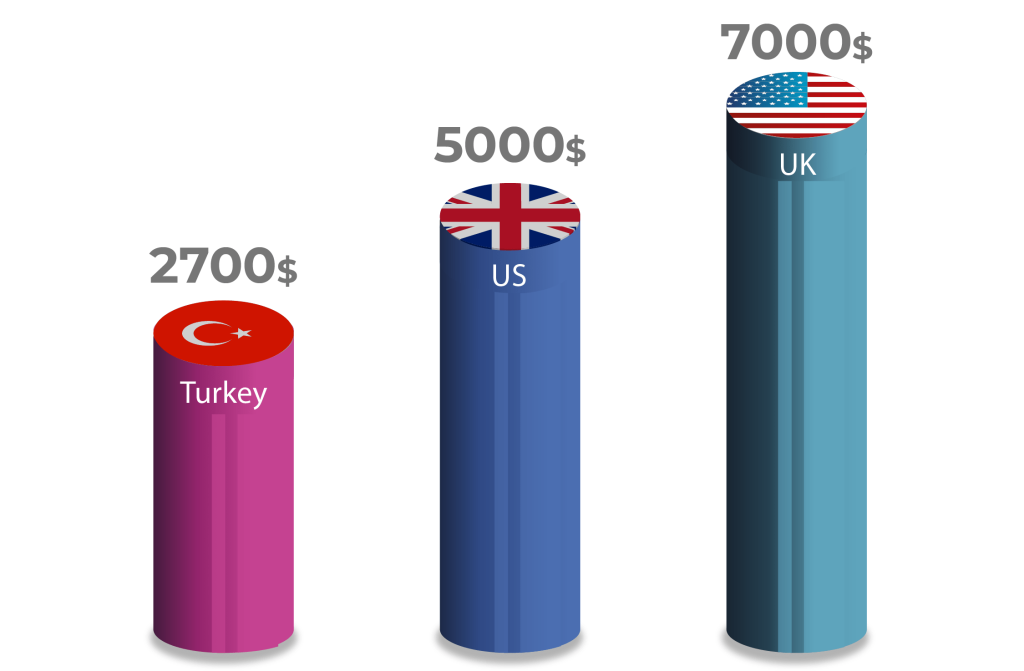
Cost Comparison Table (Average Prices in 2026)
Procedure | Turkey (Average Price) | UK (Average Price) | USA (Average Price) |
Breast Augmentation (Implants) | $3,000 - $5,000 | $7,000 - $15,000 | $8,000 - $18,000 |
Fat Transfer Augmentation | $3,500 - $6,000 | $8,500 - $17,000 | $10,000 - $20,000 |
Note: Prices in Turkey often include surgery, implants, anesthesia, hospital stay, hotel, and transfers.
Affordable Breast Augmentation Price in Turkey
Turkey offers a highly competitive price for breast augmentation due to its favorable exchange rates, lower operational costs, and competitive market dynamics, all while maintaining high medical standards, especially in internationally accredited facilities. Many clinics leverage this advantage by offering all-inclusive packages, providing exceptional value and simplifying the budgeting process for the entire medical journey.
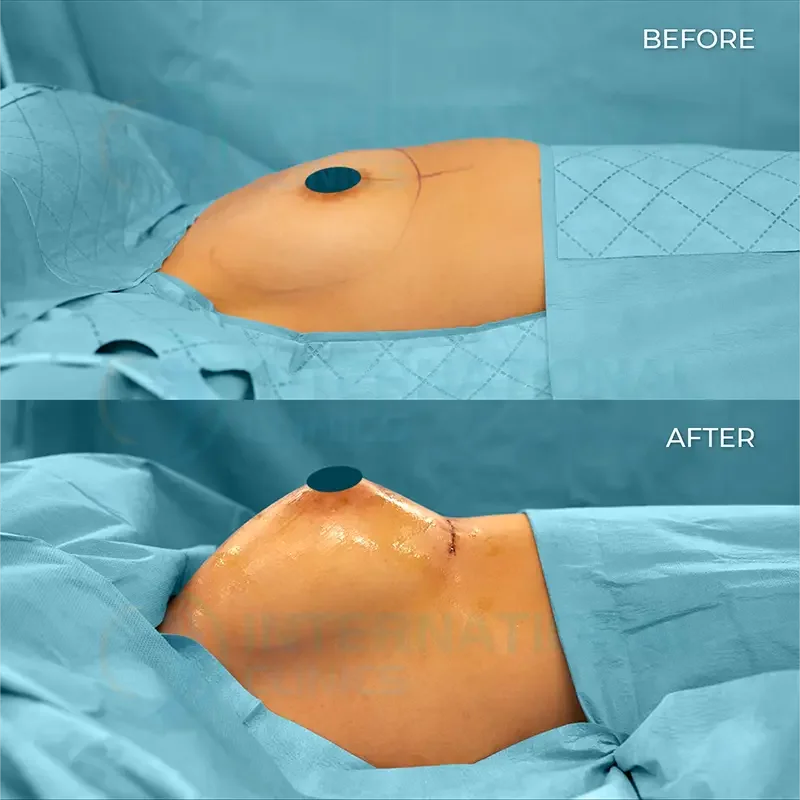
Breast Augmentation Before and After in Turkey
Our Result
Breast Augmentation Malpractice in Turkey
While the vast majority of patients have successful outcomes, the possibility of breast augmentation malpractice in Turkey or unsatisfactory results exists, as with any surgery anywhere in the world. To mitigate this risk:
Choose Wisely: Do extensive research on the surgeons qualifications, board certification, and facility accreditation.
Read Reviews: Look for balanced Breast Augmentation in Turkey Reviews from various sources.
Ensure Informed Consent: The surgeon must clearly explain the risks, potential complications, and expected results.
Legal Recourse: If a procedure is botched, patients have the right to seek legal counsel in Turkey for compensation, though the process can be complex and time-consuming.
Breast Augmentation in Turkey Reviews
Reviews are a vital part of the research process. Positive reviews frequently highlight the professionalism of the medical staff, the modern, clean facilities, the natural-looking results, and the excellent value of the all-inclusive packages. Negative reviews, though less common among top clinics, often relate to communication issues, unexpected costs (outside of all-inclusive deals), or a need for revision surgery. Always look for consistency and recent reviews.
Celebrity Insights on Breast Augmentation
Celebrity Insights on Breast Augmentation
Celebrities and public figures often discuss their breast augmentation journeys, offering valuable perspective into the motivations, outcomes, and occasional regrets associated with the surgery. Their experiences highlight that the decision is deeply personal and the results are not always permanent.
Here are key takeaways from celebrity discussions on the procedure:
- Motivation for Confidence: Many stars, like Kaley Cuoco, Kelly Rowland, and Iggy Azalea, cite increased self-esteem and feeling "complete" as reasons for their surgery.
- Trend Toward Subtlety: Recent celebrity augmentations, such as those of Kate Hudson and Kendall Jenner, favor natural and proportional enhancements over dramatic changes.
- Hybrid/Fat Transfer Choice: Some celebrities, like Kate Hudson in her early procedures, have opted for fat transfer for minimal volume and natural contouring.
- Reality of Revision and Regret:
- Kylie Jenner expressed regret over her initial augmentation and advised waiting until after having children.
- Gisele Bündchen felt emotional detachment from her body after her 2015 augmentation.
- Stars like Chrissy Teigen and Victoria Beckham have undergone multiple procedures, highlighting that implants are not permanent and bodies change over time.
- These candid celebrity discussions normalize the procedure while emphasizing the need for personalized consultation and realistic expectations, a philosophy embraced by experienced surgeons.
Patient Testimonials Highlighting Communication and Care:
The experience at top facilities, such as International Clinics, frequently earns high praise for its dedicated support and communication:
Seamless Communication & Professionalism: Patients like N. A. (United Kingdom) noted, "My choice of this company was very successful for several reasons for choosing the best and most powerful doctors in Istanbul... in addition to their dealings and responses to my inquiries every day, from time to time, their wonderful manners, punctuality, and their luxurious..." Another patient, Sary Najd, simply described the experience as "Perfect & professional."
Comprehensive Concierge Service: Sandra (United Kingdom) expressed her "gratitude for the wonderful experience," specifically thanking her contact person, Mr. Mohamad Abdalkader, for being "so helpful and informative from day one" and arranging the "hotel, hospital, transport and other things you can think of." This seamless logistical management is key for international patients.
Surgeon Skill and Trust: Sandra also commended the skill of her surgeon (Dr. Mustafa Karakas), noting he was "experienced, and knows what he does." The reviews consistently reinforce that the clean, professional environment and caring staff make for a "great stay."
Negative reviews are rare for top clinics but usually point to communication challenges (if a translator wasnt provided) or temporary post-operative complications common to any surgery.
Surgical Codes for Medical Insurance Purposes (CPT & ICD-10)
For international patients planning to claim insurance (especially in the US or other systems using these codes), understanding the procedural and diagnostic codes is essential. Please note: Cosmetic breast augmentation is typically NOT covered by medical insurance. These codes are primarily for documentation and potentially for medically necessary procedures (e.g., reconstruction).
CPT (Current Procedural Terminology) Code for the Procedure
- 19325: Breast augmentation with implant
This code is used to report the surgical insertion of a breast implant for augmentation.
- 15771 - 15772: (Related codes for Fat Grafting)
These are used for fat grafting, which is the procedure for fat transfer breast augmentation.
ICD-10-CM (International Classification of Diseases, 10th Revision, Clinical Modification) Code for the Diagnosis
- Z41.1: Encounter for cosmetic surgery
This is the standard code for the diagnosis when the procedure is purely elective/cosmetic and is the reason why insurance typically denies coverage.
- Z98.82: Encounter for adjustment or removal of breast implant
This is used to note the presence of an implant in the body.
Disclaimer: This information is for reference only. Patients must confirm with their surgeon, clinic, and home country insurance provider to determine the correct and billable codes for their specific procedure, especially for reconstruction or medically necessary cases.
Your road to getting a perfect and ideal body starts now!
Discover more important topics: