- Gastric Sleeve in Turkey at a Glance
- What a Gastric Sleeve Is and How It Works
- Is a Gastric Sleeve Reversible?
- Who Qualifies for a Gastric Sleeve in Turkey?
- What Else Your Surgeon Checks
- Who May Not Be Suitable
- Gastric Sleeve Surgery in Turkey: Techniques and Related Procedures
- Laparoscopic Sleeve Gastrectomy
- Single-Incision Gastric Sleeve
- Endoscopic Sleeve Gastroplasty (No Incisions)
- How Much Does a Gastric Sleeve Cost in Turkey?
- Gastric Sleeve Turkey Price Compared With the UK and US
- What a Gastric Sleeve Turkey All-Inclusive Package Includes
- What Can Change the Price
- Hidden Costs to Plan For
- Is Gastric Sleeve in Turkey Safe?
- How Often Do Complications Happen?
- What ASMBS and the CDC Advise Before Surgery Abroad
- How to Check a Surgeon and Hospital in Turkey
- Red Flags Before You Book a Gastric Sleeve Abroad
- Questions to Ask Your Gastric Sleeve Surgeon
- What Happens Before and on the Day of Gastric Sleeve Surgery?
- Preparing at Home
- Surgery Day Step by Step
- How Long to Stay in Turkey After Gastric Sleeve Surgery
- Gastric Sleeve Trip Plan, Day by Day
- Flying Home After a Gastric Sleeve and Blood Clot Risk
- Gastric Sleeve Recovery Timeline
- Gastric Sleeve Diet Stages
- Return to Work, Driving and Exercise
- Vitamins, Supplements and Follow-Up for Life
- Pregnancy, Alcohol and Sex After a Gastric Sleeve
- Gastric Sleeve Results: How Much Weight Will You Lose?
- Long-Term Gastric Sleeve Results at 10 Years
- Health Conditions That Can Improve
- Weight Regain and Revision Surgery
- Gastric Sleeve Risks and Side Effects
- Short-Term Risks
- Long-Term Risks
- Reflux After a Gastric Sleeve
- When to Seek Urgent Medical Care After a Gastric Sleeve
- Gastric Sleeve vs Gastric Bypass and Other Options
- Sleeve or Bypass: Side by Side
- Gastric Band, Gastric Balloon and Endoscopic Options
- Gastric Sleeve Turkey Reviews: How to Read Them
- Gastric Sleeve in Turkey Before and After
- Gastric Sleeve in Istanbul or Another City in Turkey
- How International Clinics Helps With Gastric Sleeve in Turkey
- All Our Gastric Sleeve Guides
- Gastric Sleeve Procedure and Techniques
- Gastric Sleeve Price and Cost
- Who Qualifies for a Gastric Sleeve
- Gastric Sleeve Recovery and Aftercare
- Diet After a Gastric Sleeve
- Gastric Sleeve Risks and Side Effects
- Gastric Sleeve Results
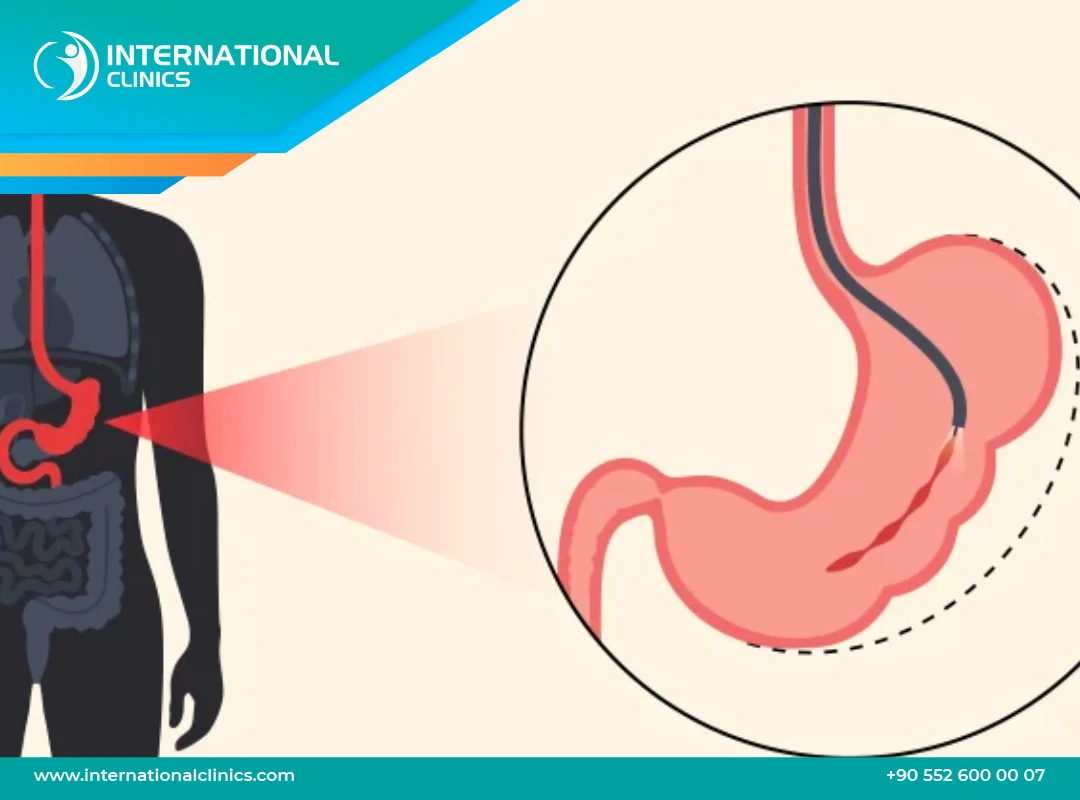
A gastric sleeve in Turkey costs from $1,800 (approx. £1,350) for the operation, and the all-inclusive package through International Clinics is $3,250 (approx. £2,450), with 2 nights in hospital and 5 nights in a hotel. Gastric sleeve surgery, or sleeve gastrectomy, removes about 80% of the stomach by keyhole surgery and leaves a narrow sleeve about the size and shape of a banana (Sources: Mayo Clinic and ASMBS). Most people lose about 25% to 30% of their body weight within two years (Source: Mayo Clinic). It is major surgery, so the surgeon, the hospital and a written aftercare plan matter as much as the price.
This guide answers the questions people ask most about a gastric sleeve in Turkey: what it costs and what an all-inclusive package covers, who qualifies, whether it is safe, how long to stay in Turkey after surgery, how recovery and diet work, what results to expect, and how to read gastric sleeve Turkey reviews. Where strong medical sources differ, it says so. For a quick overview of the procedure and available surgeons, see the sleeve gastrectomy treatment page.
Gastric Sleeve in Turkey at a Glance
A gastric sleeve in Turkey usually means a one-week trip around a 1 to 3 hour keyhole operation, followed by a liquid diet at first and lifelong follow-up. The table gives the short answers; each point is explained below with its source.

| Question | Short answer |
|---|---|
| Surgery cost in Turkey | From $1,800 (approx. £1,350) |
| All-inclusive package | $3,250 (approx. £2,450): 2 hospital nights, 5 hotel nights, tests, transfers and interpreter; flights not included |
| Market range in Turkey | $2,000–$4,000 (approx. £1,500–£3,000) (Source: social media platforms) |
| Who may qualify | BMI 35 or more, or 30 or more with type 2 diabetes or a serious weight-related condition (international criteria); the NHS uses 40, or 35 to 40 with a condition |
| How it works | About 80% of the stomach is removed, leaving a banana-shaped sleeve that holds less and lowers a hunger hormone |
| Operation time | Usually about 1 to 3 hours, by keyhole surgery under general anaesthesia |
| Hospital stay | Usually 1 to 3 days; the package plans 2 nights |
| Time in Turkey | About 7 nights planned; your surgeon decides when you are fit to fly |
| Back to normal activities | About 4 to 6 weeks |
| Expected weight loss | Most people lose about 25% to 30% of their body weight within two years |
| For life | Vitamin and mineral supplements, healthy eating, activity and regular follow-up |
Market and UK figures in this guide are typical prices shared publicly, not quotes. Your own price is confirmed in writing after a surgeon has reviewed your case.
What a Gastric Sleeve Is and How It Works
A gastric sleeve is a weight-loss operation in which the surgeon removes about 80% of the stomach, including the part that makes a hunger hormone, and shapes the rest into a narrow tube (Source: Mayo Clinic). Because the new stomach holds much less, you feel full after small amounts. The hormone changes can also lessen hunger, help you feel full sooner and improve blood sugar control (Sources: Mayo Clinic and ASMBS).
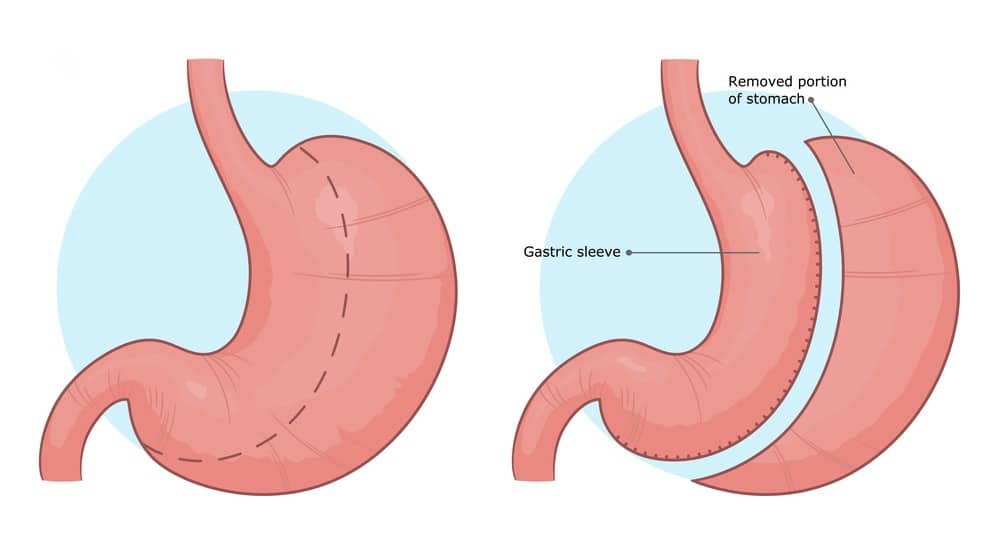
The rest of the digestive tract is not changed: there is no rerouting of the small intestine, and the muscles that let food enter and leave the stomach are not cut (Sources: Mayo Clinic and MedlinePlus). ASMBS lists among its advantages that it is technically simple with a shorter surgery time, and that it can be performed in some patients with high-risk medical conditions (Source: ASMBS).
The sleeve is now the most commonly performed weight loss operation in the United States and worldwide (Source: Cleveland Clinic). ASMBS estimates that 157,254 sleeve gastrectomies were performed in the United States in 2023, out of 270,089 bariatric procedures (Source: ASMBS (procedure numbers)). It began as the first step of a two-stage operation, the duodenal switch, and became a stand-alone procedure when many people did not need the second step (Source: Cleveland Clinic).
Is a Gastric Sleeve Reversible?
No. A gastric sleeve cannot be reversed, because part of the stomach is permanently removed (Sources: NIDDK and MedlinePlus). If weight returns or reflux becomes a problem, the sleeve can be repaired or converted to another operation, such as a gastric bypass (Source: Cleveland Clinic). Read more about whether a gastric sleeve can be reversed and about revision from sleeve to bypass before you decide.
Who Qualifies for a Gastric Sleeve in Turkey?
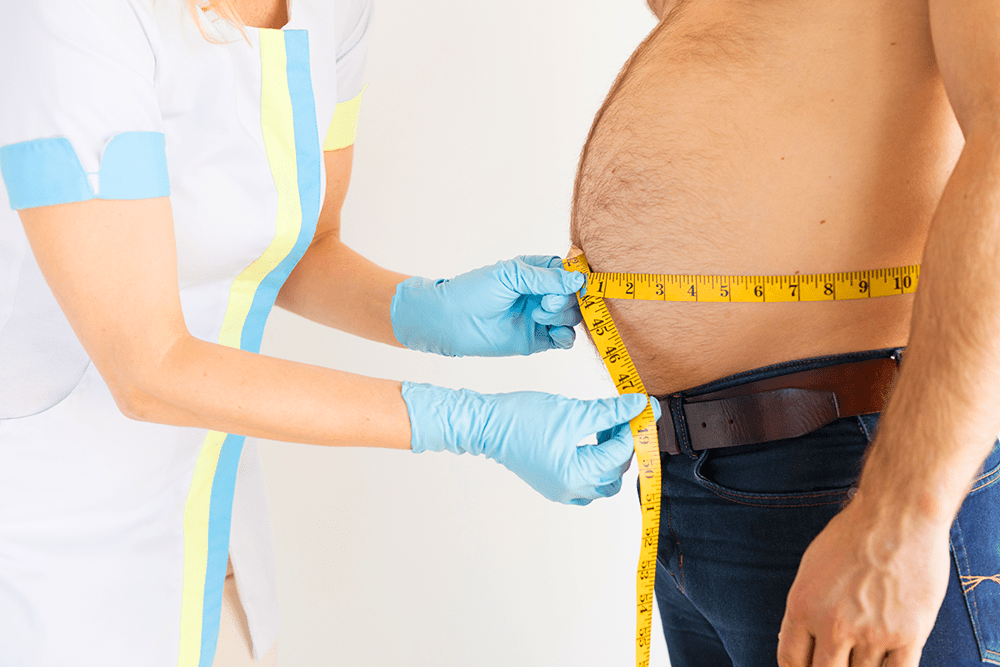
You may qualify for a gastric sleeve if your BMI is 35 or more, or 30 or more with type 2 diabetes or another serious weight-related condition, under the 2022 international criteria of ASMBS and IFSO and the thresholds Mayo Clinic uses (Sources: ASMBS (2022 criteria) and Mayo Clinic). Mayo Clinic adds that surgery usually follows diet, exercise and medical treatment that have not worked in the long term (Source: Mayo Clinic). The NHS uses higher thresholds for treatment in the UK (Source: NHS).
| Who sets the rule | BMI threshold for considering surgery |
|---|---|
| ASMBS and IFSO (2022 international criteria) | BMI 35 or more, with or without other conditions; BMI 30 or more with type 2 diabetes; considered at BMI 30 to 34.9 when non-surgical treatment has not worked |
| Mayo Clinic | BMI 35 or more, even without other health issues; BMI 30 to 34.9 with a serious obesity-related condition such as type 2 diabetes |
| NHS (United Kingdom) | BMI 40 or more, or BMI 35 to 40 with a condition that might improve with weight loss; lower thresholds may apply for some ethnic backgrounds |
The NHS also notes that people from South Asian, Chinese, other Asian, Middle Eastern, Black African or African-Caribbean family backgrounds may be considered for surgery with a BMI below 40 (Source: NHS). If your BMI is lower than the usual thresholds, read our guide to gastric sleeve with a low BMI and the low BMI gastric sleeve before and after results. Thyroid patients often ask whether hypothyroidism qualifies for a gastric sleeve; the surgeon assesses it together with your other conditions.
What Else Your Surgeon Checks
BMI is only the start: you must also be ready for lifelong changes in eating, activity and follow-up. Cleveland Clinic says candidates meet dietitians, psychologists and other specialists for counselling and screening before approval (Source: Cleveland Clinic). Conditions such as diabetes, high blood pressure and heart disease should be well managed before surgery, and a sleep study may be needed if sleep apnoea is suspected (Source: Mayo Clinic).
NIDDK suggests asking yourself a few honest questions: have non-surgical methods failed, do you understand the risks and benefits, can you commit to lifelong healthy habits, medical follow-up and extra vitamins and minerals, and have you considered the costs of surgery and follow-up care (Source: NIDDK (candidates))? For teenagers, guidelines recommend evaluation by a team with expertise in paediatrics (Source: NIDDK (candidates)).
Who May Not Be Suitable
A gastric sleeve may not suit people whose health makes surgery too risky, people who cannot commit to lifelong supplements and follow-up, or people who are not psychologically ready for the change (Sources: Mayo Clinic and Cleveland Clinic). Because the sleeve can cause or worsen reflux, people with significant reflux should discuss whether a bypass would suit them better (Sources: ASMBS and SLEEVEPASS trial, JAMA Surgery 2022). Tell your surgeon about every medicine, and whether you are or could be pregnant (Source: MedlinePlus).
Gastric Sleeve Surgery in Turkey: Techniques and Related Procedures
Gastric sleeve surgery in Turkey is usually done by laparoscopy, meaning the surgeon works through several small cuts in the upper abdomen with a camera and long instruments (Source: Mayo Clinic). Cleveland Clinic notes that some people may be better served by open surgery, depending on their conditions, and that robotic surgery is another minimally invasive option (Source: Cleveland Clinic).
Laparoscopic Sleeve Gastrectomy
In a laparoscopic sleeve gastrectomy, the surgeon makes about 5 small cuts, fills the abdomen with gas to create space, and removes around 80% of the stomach (Source: NHS). MedlinePlus puts the number of cuts at 2 to 5 (Source: MedlinePlus). The surgeon measures the sleeve, divides the stomach with a surgical stapler and removes the rest (Source: Cleveland Clinic). Our laparoscopic sleeve gastrectomy guide explains each step, and our article on gastric sleeve incisions shows where the cuts are and how large they are. You can also read how gastric sleeve surgery is done in plain language.
Single-Incision Gastric Sleeve
A single-incision sleeve uses one cut instead of several. The strong sources used in this guide describe the standard operation through several small cuts (Sources: MedlinePlus and NHS), so ask your surgeon about their experience with a single incision and whether it suits you. See our guide to the single-incision gastric sleeve and our page on gastric sleeve scars for what to expect from healing.
Endoscopic Sleeve Gastroplasty (No Incisions)
Endoscopic sleeve gastroplasty is not the same operation: a flexible tube with a stitching device is passed through the mouth to fold and sew the stomach, reducing its size by up to 80% without cuts or staples (Source: NHS). You can usually go home the same day, and as none of the stomach is removed, it may be possible to reverse it (Source: NHS). Read more about endoscopic sleeve gastroplasty in Turkey, and compare all options in our guide to the different types of gastric sleeve surgery.
How Much Does a Gastric Sleeve Cost in Turkey?
A gastric sleeve in Turkey costs from $1,800 (approx. £1,350) for the operation through International Clinics, and the all-inclusive package costs $3,250 (approx. £2,450). Across the wider market, gastric sleeve Turkey prices are typically $2,000–$4,000 (approx. £1,500–£3,000) (Source: social media platforms). The final price is confirmed after a surgeon has reviewed your medical history and test results.
| Option | Price | What it covers |
|---|---|---|
| Gastric sleeve surgery through International Clinics | From $1,800 (approx. £1,350) | The operation, confirmed after medical review |
| All-inclusive gastric sleeve package through International Clinics | $3,250 (approx. £2,450) | Surgery, pre-operative tests, 2 hospital nights, 5 nights in a 5-star hotel, VIP transfers, interpreter and complications insurance |
| Gastric sleeve in Turkey, wider market | $2,000–$4,000 (approx. £1,500–£3,000) (Source: social media platforms) | Varies with hospital, surgeon and package contents |
| Private gastric sleeve in the United Kingdom | £7,000–£12,000 (Source: social media platforms) | Surgery in a private hospital |
| Bariatric surgery in the United States | $17,000–$26,000 average (ASMBS) | All bariatric procedures, not only the sleeve |
For a detailed breakdown, read our gastric sleeve cost in Turkey guide and the gastric sleeve price in Turkey page, which focus only on prices and payment.
Gastric Sleeve Turkey Price Compared With the UK and US
Quoted gastric sleeve prices in Turkey are usually much lower than in the UK or the US. A private gastric sleeve in the UK is typically quoted at £7,000–£12,000 (Source: social media platforms), and the NHS says private weight loss surgery "can be expensive" (Source: NHS). In the United States, ASMBS gives an average cost of $17,000 to $26,000 for bariatric surgery as a whole (Source: ASMBS (fact sheet)), and it notes that facilities serving medical travellers offer surgery at costs 40% to 80% lower than in the US (Source: ASMBS (medical tourism)).
The figures are not like for like. A UK or US price may include years of follow-up close to home, while a Turkish package covers the trip itself. Before comparing, check what happens if you need care after you return. Our gastric sleeve cost in the UK vs Turkey article and our overview of gastric sleeve surgery abroad look at this in more detail.
What a Gastric Sleeve Turkey All-Inclusive Package Includes
The International Clinics all-inclusive gastric sleeve package costs $3,250 (approx. £2,450) and covers the medical and travel parts of the stay:
- Laparoscopic sleeve gastrectomy by a contracted bariatric surgeon, with general anaesthesia
- Pre-operative tests
- 2 nights in hospital
- 5 nights in a 5-star hotel
- VIP transfers between the airport, hotel and hospital
- An interpreter during your stay
- Complications insurance
International flights are not included. Whichever package you consider, ask for the list in writing before paying a deposit, and check that it names the hospital and hotel nights, the tests, who your surgeon is and who handles a complication after you fly home. For practical planning, see what to pack for gastric sleeve surgery.
What Can Change the Price
The price changes most with your health and the plan your surgeon recommends. Extra tests or specialist reviews, a longer hospital or hotel stay, a different operation such as a bypass, or a combined procedure such as gallbladder removal all change the quote. MedlinePlus notes that a surgeon may recommend removing the gallbladder before or at the same time as weight-loss surgery, because rapid weight loss can cause gallstones (Source: MedlinePlus). People searching for a gastric sleeve Turkey payment plan or finance should ask for the full total and the payment terms in writing before they commit.
Hidden Costs to Plan For
The main costs outside a package are flights, a companion, extra nights, lifelong supplements and follow-up blood tests at home. NIDDK lists the cost of surgery and follow-up care among the questions to answer before surgery (Source: NIDDK (candidates)). The CDC adds that care for complications after you return can be expensive and may not be covered by your health insurance (Source: CDC), and the NHS notes that travel insurance does not normally cover problems from surgery (Source: NHS (cosmetic surgery abroad)).
Is Gastric Sleeve in Turkey Safe?
A gastric sleeve in Turkey can be a safe choice when a qualified bariatric surgeon operates in an accredited hospital and follow-up is arranged before you travel. The operation itself has a good safety record: Cleveland Clinic reports surgical complications in less than 1% of sleeve gastrectomies (Source: Cleveland Clinic), and the NHS describes weight loss surgery as "a common and safe procedure", while stressing that every operation carries risks (Source: NHS (complications)). Travel adds its own questions, which this section helps you answer.
How Often Do Complications Happen?
Serious complications are uncommon, but they happen. For bariatric surgery as a whole, ASMBS puts the risk of death at about 0.1% and the overall likelihood of major complications at about 4% (Source: ASMBS (fact sheet)). Mayo Clinic notes that, very rarely, complications of sleeve gastrectomy can be fatal (Source: Mayo Clinic). Over a longer period, NIDDK reports that follow-up procedures, surgery or hospital stays affect about one-third of patients within 5 years of weight-loss surgery, and are needed more often after a bypass than after a sleeve (Source: NIDDK (side effects)).
For a gastric sleeve Turkey death rate or a detailed risk question, the honest answer is that no country-specific figure from a strong source compares Turkey with other countries. What changes your own risk is your health, the surgeon, the hospital and the follow-up. Our article on how safe gastric sleeve surgery is covers the evidence in more depth.
What ASMBS and the CDC Advise Before Surgery Abroad
ASMBS respects a patients right to choose where to have surgery, and recommends that anyone travelling for bariatric surgery choose a JCI-accredited institution or, preferably, a bariatric centre of excellence, and check that the surgeon is board certified by a national body (Source: ASMBS (medical tourism)). It also advises arranging follow-up with a local bariatric programme before surgery, making sure complications are covered, and bringing all medical records home (Source: ASMBS (medical tourism)).
The CDC adds that the risk of complications depends on the destination, the facility and your health, and recommends a pre-travel consultation 4 to 6 weeks before the trip, travel health insurance and copies of your medical records (Source: CDC). It also notes that accreditation does not guarantee a good outcome (Source: CDC).
How to Check a Surgeon and Hospital in Turkey
- Surgeon: a named bariatric or general surgeon, their training, how long they have practised and how many sleeve operations they perform (Sources: NHS (cosmetic surgery abroad) and ASMBS (medical tourism)).
- Hospital: international accreditation such as JCI (Sources: ASMBS (medical tourism) and CDC).
- Team: a dietitian and psychological screening as part of preparation, as Cleveland Clinic describes (Source: Cleveland Clinic).
- Language: a way to talk clearly with your surgeon and nurses, because misunderstandings about care are a known risk abroad (Source: CDC).
- Aftercare: a written plan for follow-up, blood tests and complications after you return (Source: ASMBS (medical tourism)).
Red Flags Before You Book a Gastric Sleeve Abroad
Be cautious if you cannot speak with the surgeon before paying, if only a salesperson answers medical questions, or if no one can tell you who will operate. The NHS advises against paying for a hospital you have never seen or a surgeon you have not met (Source: NHS (cosmetic surgery abroad)). Other warning signs are a plan that ignores your BMI or medical history, pressure to decide quickly, no written list of what the price includes, and no plan for complications after you fly home (Source: ASMBS (medical tourism)).
Questions to Ask Your Gastric Sleeve Surgeon
- Do I qualify, and is a sleeve or a bypass better for me, given my reflux, diabetes and other conditions?
- Who will operate, and how many sleeve gastrectomies do you perform each year?
- Which tests will I have before surgery, and what pre-operative diet do you recommend?
- How many nights will I stay in hospital and near the hospital, and when do you expect me to fly?
- Which supplements will I need, and who will check my blood tests at home?
- What happens, and who pays, if I have a complication after I return?
What Happens Before and on the Day of Gastric Sleeve Surgery?
Before surgery you go through a medical evaluation, a dietitian consultation and often a short diet, and on the day the operation is done under general anaesthesia by keyhole surgery (Source: Mayo Clinic).
Preparing at Home
Preparation starts weeks before the trip. Your surgeon may ask for blood tests, heart and lung tests and a medicine review, and may ask you to lose some weight first, which may make surgery safer (Source: Mayo Clinic). Cleveland Clinic describes a two-week liquid diet before surgery to reduce fat in the abdomen and liver (Source: Cleveland Clinic). If you smoke, vape or use nicotine, you will be asked to stop, because it raises the risk of infections and leaks (Source: Mayo Clinic). Blood thinners and some supplements may need to be paused in the week before, but only on your surgeons instructions (Source: MedlinePlus).
Surgery Day Step by Step
- You stop eating and drinking at the time your team sets; Cleveland Clinic describes nothing by mouth for 12 hours (Source: Cleveland Clinic).
- You receive a general anaesthetic, so you are asleep (Source: Mayo Clinic).
- The surgeon makes small cuts, inflates the abdomen with gas and inserts a camera and instruments (Sources: Cleveland Clinic and MedlinePlus).
- The stomach is measured, stapled and divided, and about 80% is removed (Sources: Cleveland Clinic and NHS).
- The cuts are closed with stitches, staples or glue (Source: MedlinePlus).
- You wake in a recovery area and are monitored closely (Source: Mayo Clinic).
The operation usually takes about 1 to 3 hours (Sources: NHS and Mayo Clinic); Cleveland Clinic and MedlinePlus give 60 to 90 minutes (Sources: Cleveland Clinic and MedlinePlus).
How Long to Stay in Turkey After Gastric Sleeve Surgery
Plan to stay in Turkey about 7 nights for a gastric sleeve: the package includes 2 nights in hospital after surgery and 5 nights in a hotel near your surgical team. Most people leave hospital 1 to 3 days after weight loss surgery (Source: NHS (recovery)), and Mayo Clinic gives 1 to 2 nights (Source: Mayo Clinic). The rest of the stay lets your surgeon check how you drink, walk and heal before you fly.
Gastric Sleeve Trip Plan, Day by Day
| Stage | What should happen |
|---|---|
| Weeks before travel | Send your BMI, medical history and medicines; a surgeon reviews whether you qualify; you receive a written plan and quote; arrange follow-up at home |
| Day 1 | Arrival, consultation with the operating surgeon, blood tests, heart and lung checks and anaesthetic assessment |
| Day 2 | Surgery, if you and the surgeon agree to go ahead; walking starts within hours |
| Days 2 to 3 | Hospital stay of 2 nights: clear liquids from the day after surgery, pain control, monitoring |
| Days 4 to 8 | Hotel stay of 5 nights with liquid diet, short walks and a surgeon check before discharge |
| Flight home | Only when your surgeon confirms you are fit to fly; ask whether a longer stay suits you |
| Back home | Follow-up, blood tests and diet support already arranged with a named contact |
The plan is a typical outline, not a rule: your surgeon may change it for your health and recovery.
Flying Home After a Gastric Sleeve and Blood Clot Risk
Flying soon after major surgery raises the risk of blood clots, so your surgeon should confirm that you are fit to fly. The CDC advises that delaying air travel for 10 to 14 days after major surgery, particularly chest surgery, will minimise the risks (Source: CDC), and ASMBS warns that prolonged travel after bariatric surgery may increase the risk of deep vein thrombosis and pulmonary embolism (Source: ASMBS (medical tourism)). If you have a long flight or other clot risk factors, ask whether a longer stay is wise. Follow your surgeons advice on moving, fluids and any compression stockings or blood-thinning injections for the journey.
In its advice on cosmetic surgery abroad, the NHS also advises against treating the trip as a holiday straight after surgery: rest, avoid alcohol and sun, and stay out of the water (Source: NHS (cosmetic surgery abroad)).
Gastric Sleeve Recovery Timeline
Recovery after a gastric sleeve takes about 4 to 6 weeks for normal activities (Source: NHS (recovery)), and Cleveland Clinic suggests allowing a good month before you feel like yourself or work at full capacity (Source: Cleveland Clinic). Diet changes go on for about 8 weeks, and supplements and follow-up continue for life.

| Period | What to expect |
|---|---|
| Day of surgery | Walking within hours, close monitoring in the recovery area |
| Days 1 to 3 | Clear liquids from the day after surgery; most people leave hospital 1 to 3 days after the operation |
| Weeks 1 to 2 | Water and fluids such as thin soup; small sips through the day; supplements begin |
| Weeks 3 to 4 | Runny and puréed food such as yoghurt |
| Weeks 4 to 6 | Most people start returning to normal activities |
| Weeks 5 to 8 | Soft food such as mashed potato |
| From week 8 | A gradual return to a healthy, balanced diet in small portions |
| First 6 months | Fast weight loss; tiredness, feeling cold, dry skin or hair thinning can appear and usually pass |
| 1 to 2 years | Most of the weight loss happens; follow-up continues for life |
For a week-by-week view, read our gastric sleeve recovery guide and our page on gastric sleeve recovery time.
Gastric Sleeve Diet Stages
After a gastric sleeve, food is reintroduced in stages: clear liquids, full liquids, purées, soft foods and then a regular diet, over several weeks (Source: Mayo Clinic). A typical NHS plan is water and fluids for the first 2 weeks, runny or puréed food in weeks 3 and 4, soft food in weeks 5 to 8, and a gradual return to a healthy, balanced diet from week 8 (Source: NHS (recovery)). Eat slowly, chew carefully and take small amounts, and be careful with foods that can block the stomach, such as soft white bread (Source: NHS (recovery)).
ASMBS advises drinking 64 ounces (about 1.9 litres) of fluid or more a day and, for most patients, eating 60 to 100 grams of protein a day, while avoiding foods high in sugar and starch (Source: ASMBS (life after surgery)). To lower the risk of a blockage, the NHS suggests cutting food into small chunks, chewing well and not drinking during meals (Source: NHS (complications)). Our guides cover what to eat 6 weeks after a gastric sleeve, portion size after a gastric sleeve, the long-term diet after a gastric sleeve, why cheating on the post-op diet is risky, and what to do if you feel hungry every 2 hours after a gastric sleeve.
Return to Work, Driving and Exercise
Most people start returning to normal activities 4 to 6 weeks after surgery (Source: NHS (recovery)). Walking often, starting within hours of surgery, helps recovery; check with your surgeon before intense exercise, then aim for about 30 minutes of moderate exercise a day (Source: ASMBS (life after surgery)). An exercise plan also helps prevent the weight loss from taking muscle with it (Source: NHS (recovery)).
Vitamins, Supplements and Follow-Up for Life
You will need vitamin and mineral supplements for life after a gastric sleeve. ASMBS lists a multivitamin, vitamin B12, calcium, vitamin D and iron, in doses your programme sets (Source: ASMBS (life after surgery)). Follow-up is also lifelong: the NHS describes visits at a weight loss surgery clinic for at least the first 2 years, then often a yearly check with a GP, including blood tests for vitamins and minerals (Source: NHS (recovery)). Signs of malnutrition can include tiredness, shortness of breath, palpitations, pale skin, pins and needles and weakness (Source: NHS (recovery)).
In the first six months, as the body adjusts to fast weight loss, some people notice body aches, tiredness, feeling cold, dry skin, hair thinning or mood changes, which usually pass (Source: Mayo Clinic). Read more about hair loss after a gastric sleeve and skin changes after a gastric sleeve.
Pregnancy, Alcohol and Sex After a Gastric Sleeve
Avoid pregnancy for 12 to 18 months after surgery, until your weight has stabilised; fertility may rise as you lose weight, so plan contraception (Sources: NHS (recovery) and ASMBS (life after surgery)). See how soon you can get pregnant after a gastric sleeve. Alcohol is absorbed faster after bariatric surgery and stays at higher levels for longer, which raises the risk of alcohol problems (Source: ASMBS (life after surgery)); read our article on drinking alcohol 3 weeks after a gastric sleeve. For intimacy, see sex after a gastric sleeve.
Gastric Sleeve Results: How Much Weight Will You Lose?
Most people lose about 25% to 30% of their total body weight within two years of a gastric sleeve, according to Mayo Clinic; some lose more and some less (Source: Mayo Clinic). Cleveland Clinic gives the same average for the first one to two years and describes it as consistent over five years (Source: Cleveland Clinic). Weight comes off more slowly than after a bypass, and loss can continue for up to 2 to 3 years (Source: MedlinePlus).
Long-Term Gastric Sleeve Results at 10 Years
The Finnish SLEEVEPASS randomised trial followed 240 patients for 10 years. The median excess weight loss was 43.5% after a sleeve and 50.7% after a bypass, and the authors concluded that both gave good and sustainable weight loss (Source: SLEEVEPASS trial, JAMA Surgery 2022). ASMBS adds that, across bariatric procedures, people lose most weight in the first 1 to 2 years and keep, on average, half of their excess weight loss at five years (Source: ASMBS (fact sheet)). Our article on the gastric sleeve 10 years later explores long-term life after surgery, and gastric sleeve before and after 3 months shows the early changes.
Health Conditions That Can Improve
Losing weight after a gastric sleeve can improve or even resolve type 2 diabetes, high blood pressure, high cholesterol, obstructive sleep apnoea, heart disease and obesity-related infertility (Source: Mayo Clinic). Blood sugar can improve within days to weeks, because of hormone changes in the digestive system (Source: Mayo Clinic). Cleveland Clinic adds fatty liver disease and joint pain (Source: Cleveland Clinic), and NIDDK notes that, for people with severe obesity, weight-loss surgery can extend years of life (Source: NIDDK (benefits)). In the SLEEVEPASS trial, type 2 diabetes remission at 10 years was 26% after a sleeve and 33% after a bypass, a difference that was not statistically significant (Source: SLEEVEPASS trial, JAMA Surgery 2022).
Weight Regain and Revision Surgery
Some people lose less weight than expected or regain some weight over time, because of eating habits, low activity, or biological and metabolic factors (Source: Mayo Clinic). Your team may then suggest changes to diet and activity, counselling or more treatment (Source: Mayo Clinic). Surgery can repair the sleeve or convert it to a bypass or duodenal switch (Source: Cleveland Clinic). In SLEEVEPASS, the overall reoperation rate for any reason at 10 years was 15.7% after a sleeve and 18.5% after a bypass, a difference that was not statistically significant (Source: SLEEVEPASS trial, JAMA Surgery 2022). Reading why some people regret a gastric sleeve and what they do not tell you about a gastric sleeve can help you set realistic expectations.
Gastric Sleeve Risks and Side Effects
Like any major operation, a gastric sleeve carries risks, some early and some months or years later (Source: Mayo Clinic). Knowing them helps you recognise problems early.
Short-Term Risks
Early risks include bleeding, infection, reactions to anaesthesia, blood clots in the legs or lungs, breathing problems, diarrhoea and leaks from the sleeved stomach (Source: Mayo Clinic). A leak can happen in the days or weeks after surgery and can cause a serious infection that needs treatment (Source: NHS (complications)). Read our guide to gastric sleeve leak symptoms so you know what to look for.
Long-Term Risks
Later problems can include narrowing of the stomach (stricture), reflux or worse heartburn, vitamin and mineral deficiencies, low blood sugar, hernia, bowel blockage and ongoing nausea or vomiting (Source: Mayo Clinic). Gallstones can form during rapid weight loss (Sources: NHS (complications) and Cleveland Clinic), and some doctors prescribe medicine for about 6 months after surgery to help prevent them (Source: NIDDK (side effects)). Loose skin can remain after large weight loss, and removing it is usually considered cosmetic surgery (Source: NHS (complications)); see how to reduce loose skin after weight loss. Our pages on gastric sleeve side effects, constipation after a gastric sleeve, bowel impaction after a gastric sleeve, diarrhoea after a gastric sleeve, stomach spasms after a gastric sleeve and feminine odour after a gastric sleeve explain the common concerns.
Reflux After a Gastric Sleeve
Reflux can get worse after a sleeve in people who had it before, and some people develop it for the first time; it can often be treated with medication (Source: Cleveland Clinic). ASMBS lists new or worse reflux and heartburn among the main disadvantages of the sleeve (Source: ASMBS). In SLEEVEPASS, oesophagitis was found in 31% of sleeve patients and 7% of bypass patients at 10 years, while Barrett oesophagus was 4% in both groups (Source: SLEEVEPASS trial, JAMA Surgery 2022). Tell your surgeon about any heartburn before the operation, because it can change which procedure suits you.
When to Seek Urgent Medical Care After a Gastric Sleeve
Call emergency services or go to an emergency department if you have difficulty breathing or chest pain together with leg pain and swelling, severe tummy pain, non-stop bleeding from the bottom, or vomiting of blood or material that looks like coffee grounds (Source: NHS (complications)). Seek urgent medical advice the same day for a red, tender, swollen or painful leg, a high temperature or shivering, a fast heartbeat, tummy pain, fast breathing, difficulty swallowing or regular vomiting, because these can be signs of a clot or a problem with the stomach (Source: NHS (complications)).
Gastric Sleeve vs Gastric Bypass and Other Options
Neither operation is best for everyone: a sleeve is simpler and causes fewer nutritional problems, while a bypass may give somewhat more weight loss and suits many people with reflux (Sources: ASMBS and SLEEVEPASS trial, JAMA Surgery 2022). Your surgeon recommends one after looking at your BMI, diabetes, reflux and medical history.
Sleeve or Bypass: Side by Side

| Point | Gastric sleeve | Gastric bypass (Roux-en-Y) |
|---|---|---|
| What is done | About 80% of the stomach removed; intestines unchanged | Small stomach pouch joined to the lower small intestine |
| Operation time | Usually 1 to 3 hours | Usually around 2 hours (NHS) |
| Weight loss at 10 years (SLEEVEPASS trial) | Median 43.5% of excess weight | Median 50.7% of excess weight |
| Reflux | Can start or worsen; oesophagitis 31% at 10 years | Oesophagitis 7% at 10 years; may suit people with reflux |
| Nutrition | Fewer vitamin and mineral problems than bypass | More vitamin and mineral deficiencies; dumping can occur |
| Reversible | No | Difficult to reverse |
Sources for the table: NHS, ASMBS, NIDDK and the SLEEVEPASS trial (Sources: NHS, ASMBS, NIDDK and SLEEVEPASS trial, JAMA Surgery 2022).
For more detail, read our comparisons of gastric sleeve vs gastric bypass and sleeve vs bypass weight loss surgery, our guide to gastric bypass surgery in Turkey, and our article on mini gastric bypass surgery in Turkey.
Gastric Band, Gastric Balloon and Endoscopic Options
The adjustable gastric band is now used less often, because it gives less weight loss and more problems that lead to removal (Source: NIDDK); see our comparison of the lap band vs gastric sleeve. A gastric balloon is placed in the stomach without surgery in a procedure that usually takes around 20 minutes (Source: NHS). Read our gastric balloon in Turkey guide.
Gastric Sleeve Turkey Reviews: How to Read Them
Gastric sleeve Turkey reviews are most useful when you can see who wrote them, when, and what happened after the first weeks. Star ratings say little about the surgeons training, the hospitals accreditation or what happens if there is a complication. When reading reviews of gastric sleeve surgery in Turkey, look for:
- Recent, dated reviews from verifiable profiles, on platforms that you can check independently
- Details on follow-up months later, not only on the hotel and transfers
- How the provider answers complaints and problems
- Whether the reviewer names the operation they actually had, since sleeve, bypass and balloon are often mixed together
A surgeons answers to the questions above, and their written plan, tell you more than any review. In its advice on cosmetic surgery abroad, the NHS suggests asking to see before and after pictures of the surgeons own work during the consultation (Source: NHS (cosmetic surgery abroad)). Our article on gastric sleeve revision to bypass reviews and results looks at experiences after revision surgery.
Gastric Sleeve in Turkey Before and After
Gastric sleeve before and after photos show what is possible, not what is guaranteed: results depend on starting weight, eating habits, activity and follow-up (Source: Mayo Clinic). The photos below show people who had bariatric surgery through International Clinics in Turkey.

Gastric Sleeve in Istanbul or Another City in Turkey
When choosing where in Turkey to have a gastric sleeve, the city matters less than the surgeon, the hospital and the follow-up plan. International Clinics works with contracted surgeons in Istanbul.
Patients choose Turkey mainly for price and for packages that combine surgery, hotel, transfers and interpreting. Weigh those benefits against the points in the safety section, and keep the days after surgery for rest rather than sightseeing (Source: NHS (cosmetic surgery abroad)).
How International Clinics Helps With Gastric Sleeve in Turkey
International Clinics is the link between you and the right bariatric surgeon and hospital, not a treatment centre or a hospital broker. It searched for experienced surgeons and reputable hospitals and medical centres, contracted with them against strict standards of equipment, institutional reputation and surgeon experience, and prepares a treatment plan for each patient.
The company is licensed by the Turkish Ministry of Health, has international partners and is expanding its hospital contracts across several countries, starting with the UAE. Gastric sleeve surgery is performed by surgeons contracted by International Clinics, including Assoc. Prof. Gökmen Öztürk, a general surgeon whose profile lists sleeve gastrectomy, gastric bypass and advanced laparoscopic surgery.
Your plan is reviewed before you travel. Send your height, weight, medical history, medicines and any reflux or diabetes treatment; a surgeon assesses whether a sleeve suits you, whether another option such as a bypass or a balloon would serve you better, and you receive a written plan with the package contents, hospital and hotel nights and the follow-up arrangements for when you return home.
All Our Gastric Sleeve Guides
Every gastric sleeve article on International Clinics, grouped by topic.
Gastric Sleeve Procedure and Techniques
- Types of gastric sleeve surgery
- How gastric sleeve surgery is done
- Laparoscopic sleeve gastrectomy guide
- Single-incision gastric sleeve
- Gastric sleeve incisions: number, location and size
- Endoscopic sleeve gastroplasty in Turkey
- Mini gastric bypass surgery in Turkey
- Lap band vs gastric sleeve
- Gastric sleeve vs gastric bypass: benefits, risks and costs
- Gastric sleeve vs bypass: comparing weight loss surgeries
- Gastric sleeve revision to bypass: reviews and results
- Gastric sleeve reversal: is it possible?
Gastric Sleeve Price and Cost
- Gastric sleeve cost in Turkey
- Gastric sleeve price in Turkey
- Gastric sleeve cost in the UK vs Turkey
- Gastric sleeve surgery abroad: destinations and packages
Who Qualifies for a Gastric Sleeve
- Gastric sleeve with a low BMI
- Low BMI gastric sleeve before and after
- Does hypothyroidism qualify for a gastric sleeve?
Gastric Sleeve Recovery and Aftercare
- Gastric sleeve recovery: what to expect
- Gastric sleeve recovery time
- What to pack for gastric sleeve surgery
- Drinking alcohol 3 weeks after a gastric sleeve
- Sex after a gastric sleeve: how long to wait
- Pregnancy after gastric sleeve surgery
Diet After a Gastric Sleeve
- Cheating on the gastric sleeve post-op diet
- Portion size after a gastric sleeve
- What to eat 6 weeks after a gastric sleeve
- Long-term diet after a gastric sleeve
- Hungry every 2 hours after a gastric sleeve
Gastric Sleeve Risks and Side Effects
- How safe is gastric sleeve surgery?
- Gastric sleeve side effects, risks and complications
- Gastric sleeve leak symptoms
- Constipation after a gastric sleeve
- Bowel impaction after a gastric sleeve
- Diarrhoea after a gastric sleeve
- Stomach spasms after a gastric sleeve
- Hair loss after a gastric sleeve
- Feminine odour after a gastric sleeve
- Gastric sleeve scars
- What they do not tell you about a gastric sleeve
- Gastric sleeve regrets: reasons and solutions
Gastric Sleeve Results
- Gastric sleeve 10 years later
- Gastric sleeve before and after 3 months
- Skin changes before and after a gastric sleeve
Medical review and disclaimer:
This article was reviewed by a specialist physician contracted with International Clinics. It is general health information, not a substitute for medical advice, and results vary between individuals.