- What Is BariClip Surgery?
- How Does BariClip Work?
- Benefits of BariClip
- Who Is a Good Candidate for BariClip?
- The BariClip Procedure Step by Step
- Recovery After BariClip Surgery
- How Much Weight Can You Lose With BariClip?
- BariClip vs Gastric Sleeve vs Gastric Bypass
- Risks and Side Effects of BariClip
- BariClip Surgery in Turkey
- BariClip Cost in Turkey
- Can BariClip Be Removed?
BariClip surgery (also called laparoscopic vertical clip gastroplasty, gastric clip or B-Clamp) is a keyhole weight-loss operation in which a surgeon places a silicone-coated titanium clip vertically along the stomach. The clip creates a narrow channel for food, so you feel full sooner, but nothing is cut, stapled or removed, and the clip can be taken out later. It is usually offered to adults with a BMI of about 30–40 who want a less invasive, reversible alternative to the gastric sleeve.
This guide explains how BariClip works, who it suits, what the operation and recovery involve, how it compares with the gastric sleeve and bypass, its risks, and what to know about having BariClip surgery in Turkey.
What Is BariClip Surgery?
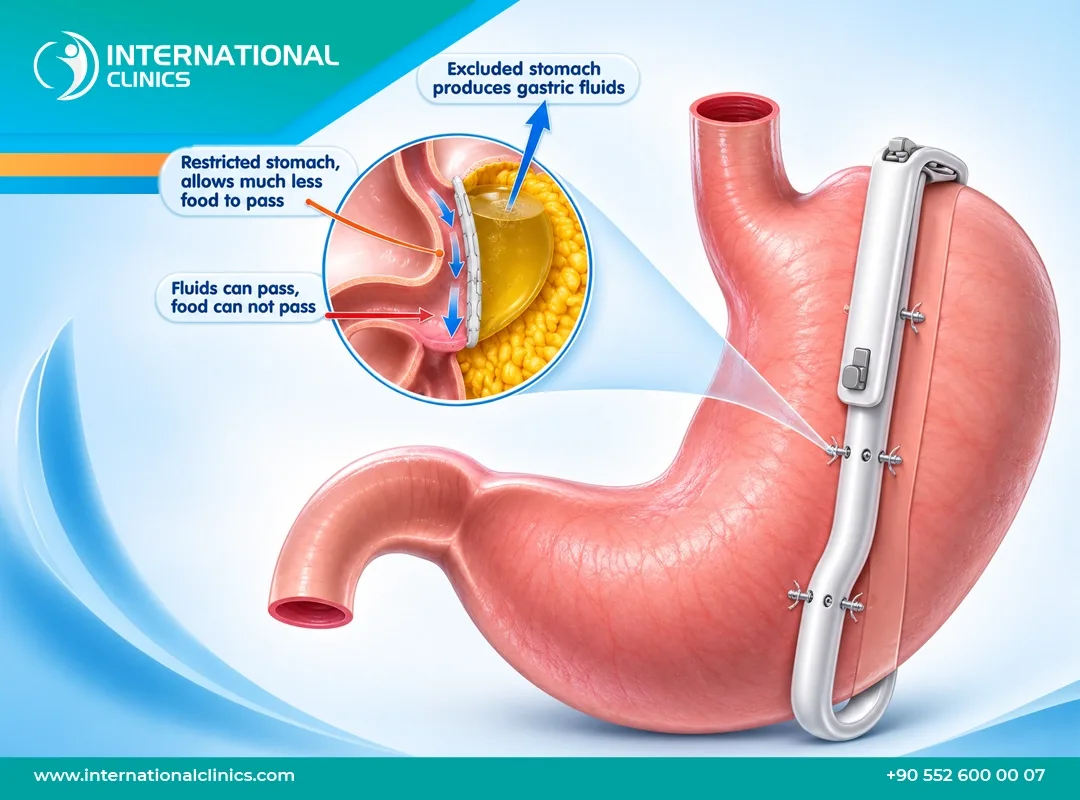
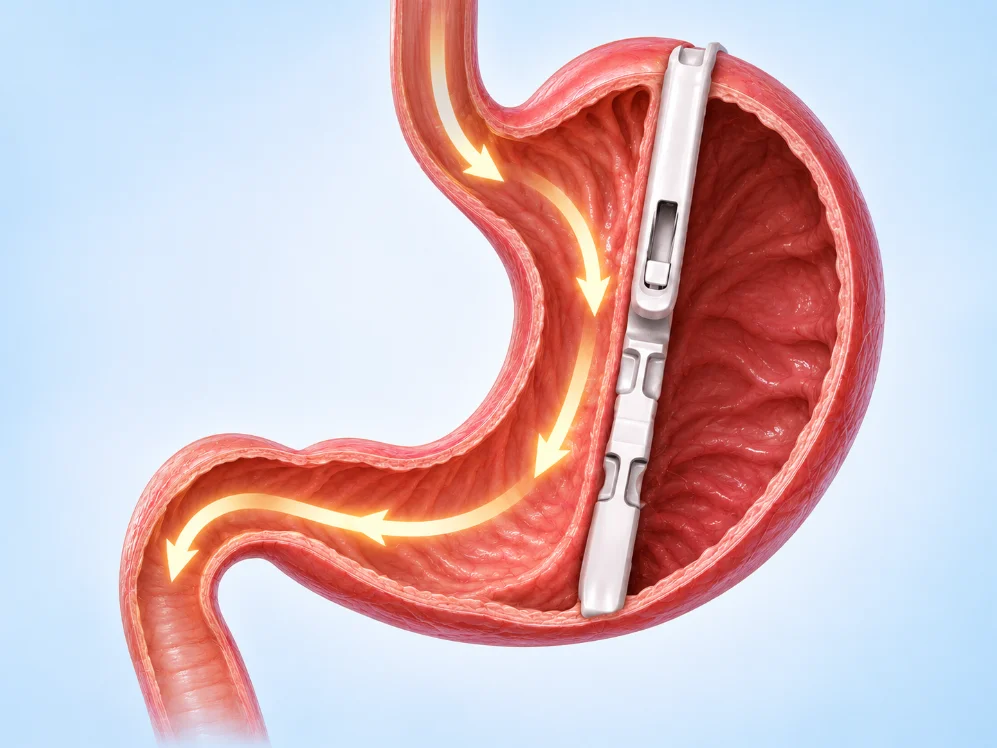
BariClip is a removable medical device made of titanium covered with a smooth silicone layer. During laparoscopic surgery it is fixed vertically on the stomach, parallel to the lesser curvature. The part of the stomach next to the clip becomes a narrow tube through which food passes, while the larger outer part (the greater curvature) stays in the body but is excluded from the food path.
The idea is to copy the restrictive effect of a sleeve gastrectomy without cutting the stomach. Because there is no staple line, there is no risk of a staple-line leak, which is one of the most serious complications of the sleeve. The device was developed by the US company Advanced Bariatric Technology, which markets it under the name B-Clamp, so BariClip and B-Clamp are the same device.
Other names you may meet when searching are stomach clip surgery, gastric clip and smart clip surgery. Note that surgeons also use “stomach clip” for small haemostatic clips used to stop bleeding during endoscopy, which are unrelated to weight loss.
How Does BariClip Work?
The clip divides the stomach without removing any of it. The narrow channel next to the lesser curvature holds a much smaller volume, so a small meal stretches it quickly and sends fullness signals to the brain. Liquids and food pass through the channel normally; the excluded part of the stomach keeps its blood supply and simply sits outside the main food path.
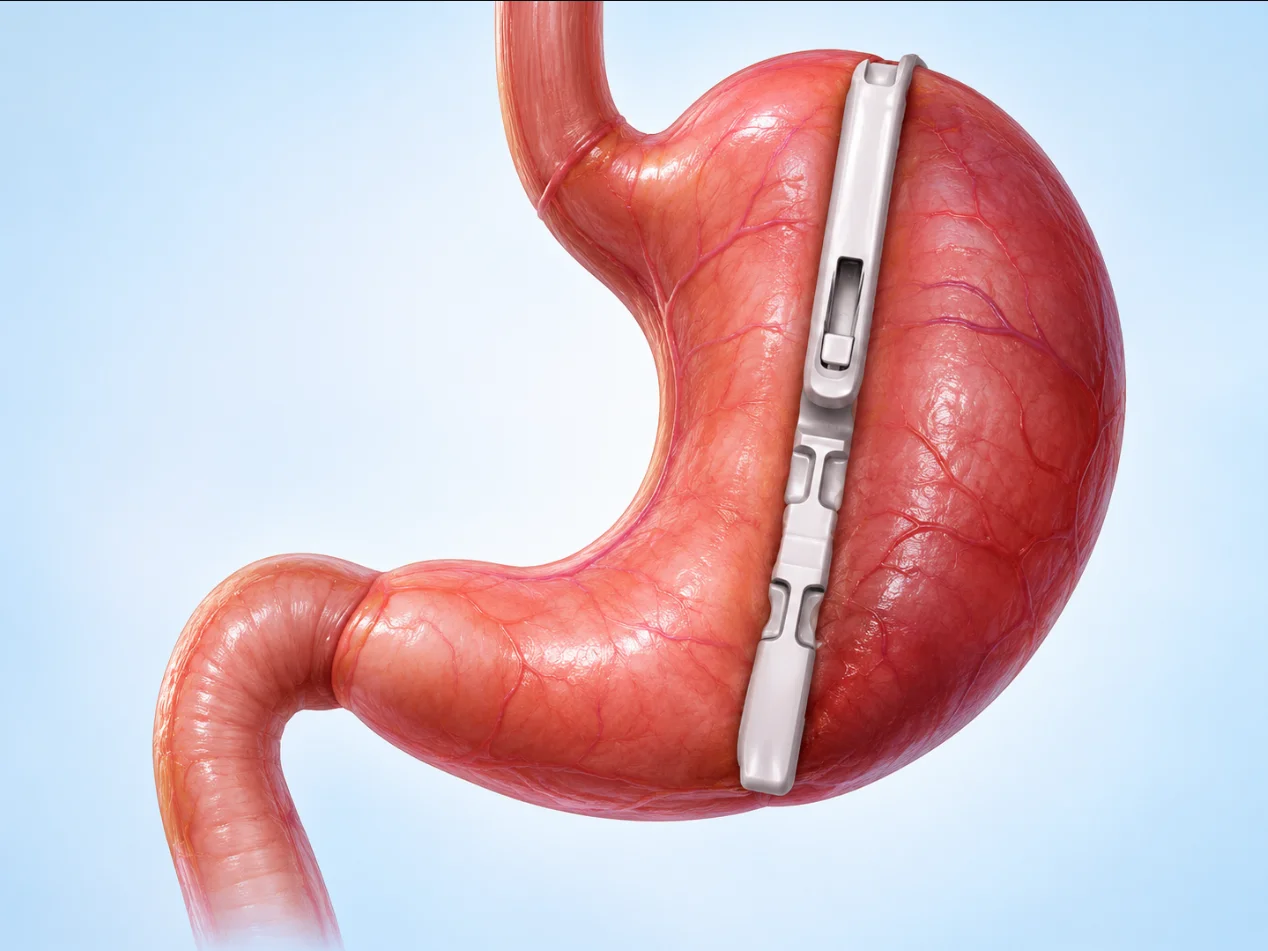
Because the anatomy is not changed permanently, BariClip is described as reversible: if there is a problem, or if the patient later needs another operation, the surgeon can remove the clip laparoscopically and the stomach returns to its previous shape.
Benefits of BariClip
- No cutting or stapling: no part of the stomach is removed and there is no staple line that could leak.
- Reversible: the clip can be removed in a second keyhole operation.
- Short operation: placement usually takes about 30–60 minutes under general anaesthesia.
- Less reflux pressure: early studies suggest BariClip does not raise pressure inside the stomach the way a sleeve can, which may mean less acid reflux; long-term data are still limited.
- No adjustments: unlike a gastric band, the clip needs no filling or adjustment visits.
- Keyhole surgery: small incisions, short hospital stay and quick return to daily life.
Who Is a Good Candidate for BariClip?
BariClip is generally considered for adults who:
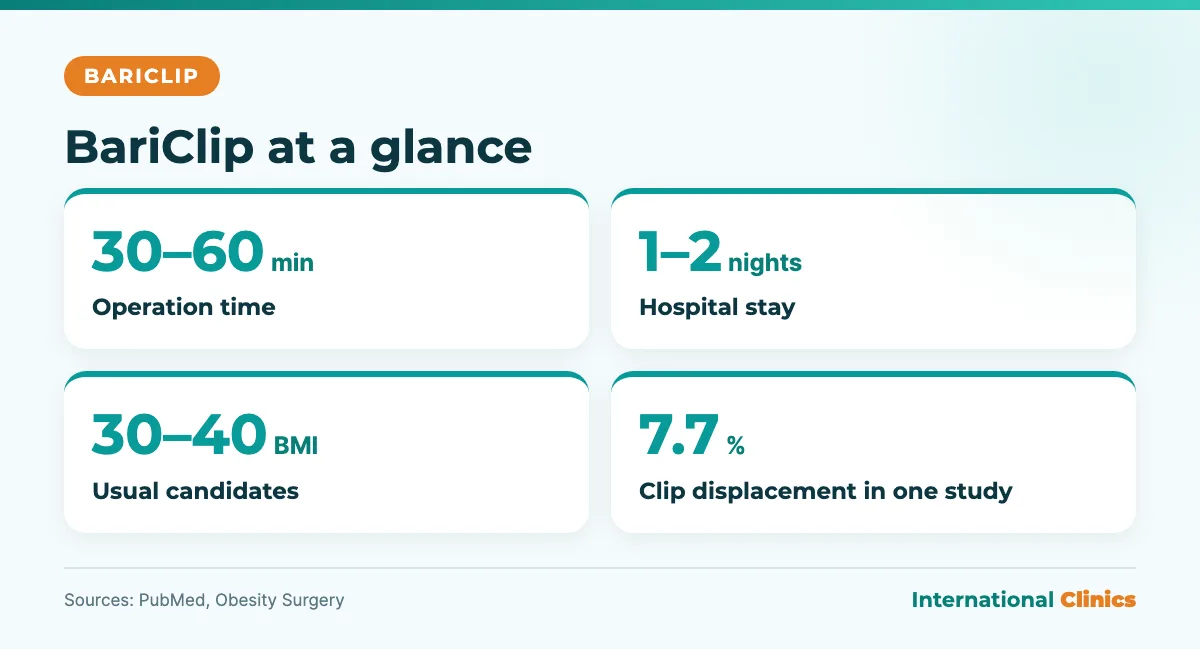
- have a body mass index (BMI) of about 30–40, or a lower BMI with obesity-related conditions, after assessment by a bariatric surgeon;
- have tried diet and exercise without lasting success;
- want to avoid having part of the stomach removed, or have reflux that makes a sleeve less attractive;
- are ready to follow the diet and lifestyle changes needed after any weight-loss operation.

People with a BMI well above 40, large hiatal hernias or previous stomach operations are often better served by a gastric sleeve or gastric bypass. The final decision always follows a consultation, blood tests and, when needed, an endoscopy.
The BariClip Procedure Step by Step
Before surgery, the surgeon reviews your medical history, weight history and test results. On the day of the operation, under general anaesthesia:
- Small incisions: the surgeon makes a few small cuts in the abdomen for the camera and laparoscopic instruments.
- Calibration: a calibration tube (bougie) is passed through the mouth into the stomach to set the size of the new channel.
- Placing the clip: the clip is positioned vertically along the stomach and closed around it.
- Securing the clip: stitches fix the clip to the stomach wall so that it cannot slide.
- Closing: the instruments are removed and the small incisions are closed.

Most patients stay in hospital for 1–2 nights and start on clear liquids the day after surgery.
Recovery After BariClip Surgery
Recovery is similar to other keyhole bariatric operations, though usually a little easier because the stomach is not cut:
- Days 1–2: walking on the ward, clear liquids, pain controlled with tablets.
- Weeks 1–2: full liquids and protein drinks; most people return to desk work after 7–10 days.
- Weeks 3–4: puréed and soft foods in small portions.
- From week 5–6: gradual return to normal textures and to the gym, following your surgeon’s and dietitian’s advice.
Long-term success depends on small portions, eating slowly, enough protein, regular exercise and follow-up visits.
How Much Weight Can You Lose With BariClip?
Published results so far come from relatively small studies with short to medium follow-up. They report meaningful weight loss in the first one to two years, generally lower than with a sleeve gastrectomy or gastric bypass. Results vary from person to person and depend heavily on diet and activity after surgery. Your surgeon can give you a realistic estimate based on your BMI and health.
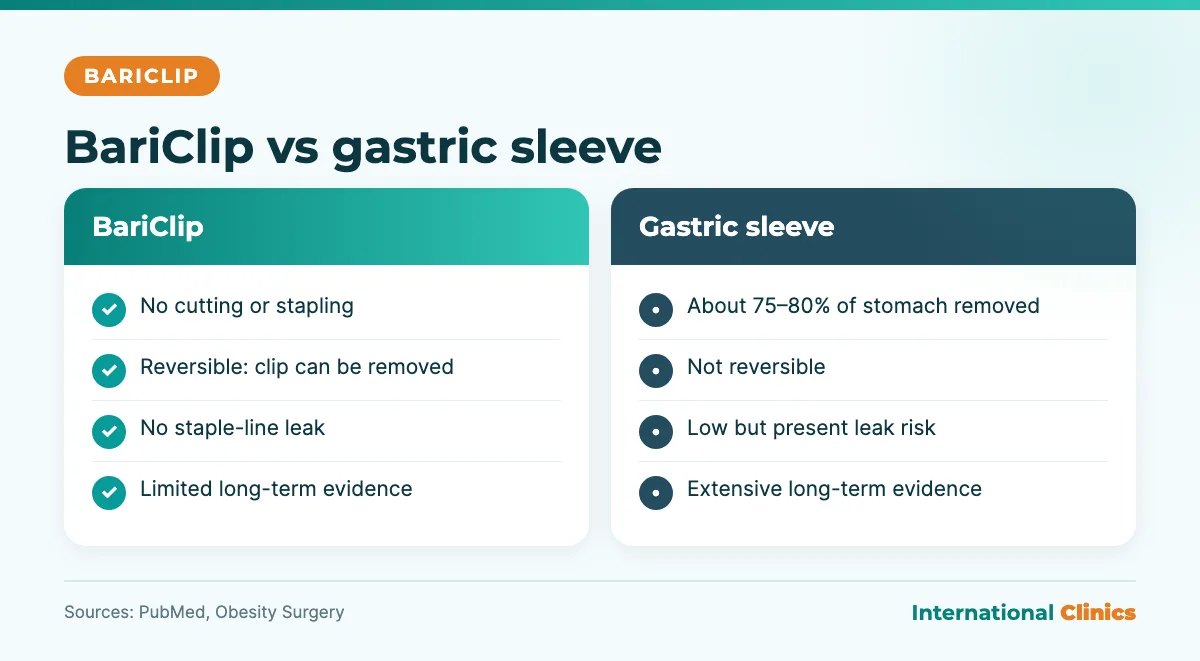
BariClip vs Gastric Sleeve vs Gastric Bypass
| Feature | BariClip | Gastric sleeve | Gastric bypass |
|---|---|---|---|
| Stomach cut or removed | No | Yes, about 75–80% removed | Yes, small pouch created |
| Intestine rerouted | No | No | Yes |
| Reversible | Yes (clip removed) | No | Technically possible but rarely done |
| Staple-line leak risk | None | Low but present | Low but present |
| Typical hospital stay | 1–2 nights | 2–3 nights | 2–3 nights |
| Long-term evidence | Limited | Extensive | Extensive |
In short, BariClip is less invasive and reversible, while the sleeve and bypass have much longer track records and usually produce more weight loss. Read more in our guide to the gastric sleeve vs gastric bypass, or compare non-surgical options such as the gastric balloon and endoscopic sleeve gastroplasty.
Risks and Side Effects of BariClip
Like any operation under general anaesthesia, BariClip carries general risks such as bleeding, infection and blood clots. Device-specific risks include:
- Clip displacement: the clip can move out of position, reducing its effect and sometimes requiring repositioning or removal. One study reported displacement in about 7.7% of patients (PubMed).
- Erosion: rarely, the clip may slowly wear into the stomach wall, as has been seen with gastric bands; this needs removal of the device.
- Nausea and vomiting: common in the first weeks, especially if you eat too fast or too much.
- Weight regain: possible if eating habits are not changed.
Seek medical help quickly if you have severe abdominal pain, persistent vomiting, fever or black stools after surgery.
BariClip Surgery in Turkey
Turkey is one of the main destinations for bariatric surgery, with experienced surgeons, modern hospitals and lower costs than the UK, Europe or the USA. BariClip is offered by a smaller number of centres than the sleeve, because it requires the specific device and surgeons trained in its placement.
International Clinics connects you with experienced bariatric surgeons in Istanbul and arranges a free remote consultation, so the surgeon can confirm whether BariClip or another procedure fits your case before you travel. Packages usually include the surgery, hospital stay, tests, hotel and transfers, with follow-up for one year after the operation.
BariClip Cost in Turkey
The price of BariClip in Turkey depends on your case, the hospital and the package you choose, and the surgeon confirms it after reviewing your details. For comparison, a gastric sleeve in Turkey starts from $1,800, and the price rises according to the case, the hospital and the services included. Send us your height, weight and medical history for a personalised quote.



Can BariClip Be Removed?
Yes. Removal is a short laparoscopic operation. The stitches are released, the clip is taken out, and the stomach usually returns to its earlier shape. Removal may be needed for displacement, erosion or intolerance, and some patients later convert to a sleeve or bypass if they need more weight loss.
Related reading: Stomach Botox in Turkey and how to avoid loose skin after weight loss.