
The adjustable gastric band is a weight-loss operation, reversible in principle, in which a silicone ring is placed around the upper stomach to create a small pouch that limits how much food fits and promotes fullness. Its purpose is to help people with obesity lose weight gradually. Band removal is a second operation considered when there are complications, intolerance or insufficient results.
Both operations are normally laparoscopic, under general anaesthesia, through small abdominal incisions. The band is connected to a port under the skin, through which saline is added or withdrawn to tighten or loosen it. During removal, the band is freed and taken out along with the port and tubing, and adhesions sometimes need to be treated.
Placement takes roughly thirty to sixty minutes, and removal is usually similar or a little longer; discharge typically follows within one or two days. Weight loss with the band is gradual, and results settle over one to two years with periodic adjustments and changes in habits. After removal, weight may be regained if follow-up lapses.
The final cost is set after a medical consultant reviews your case and photos.
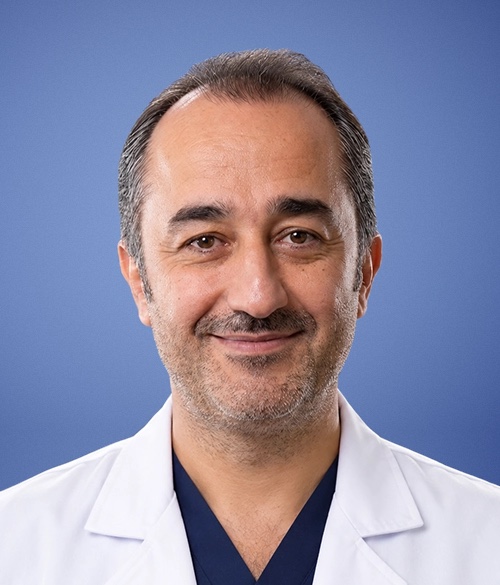

Assoc. Prof. Dr. Gökmen Öztürk is a highly experienced general and bariatric surgeon with more than 25 years of surgical experience. He is recognized for his expertise in obesity surgery, laparoscopic procedures, and gastrointestinal surgery, and has performed thousands of successful operations using modern minimally invasive techniques.
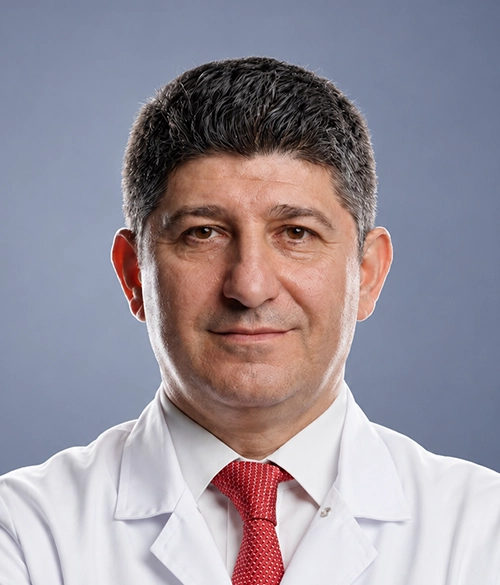
Necdet Derici is an experienced General Surgeon specializing in obesity surgery, breast surgery, thyroid surgery, and hemorrhoid treatments. With many years of surgical experience, he has performed numerous successful procedures using modern surgical techniques. Dr. Derici focuses on patient safety, accurate diagnosis, and effective treatment methods. He currently continues his clinical practice in leading hospitals in Istanbul.
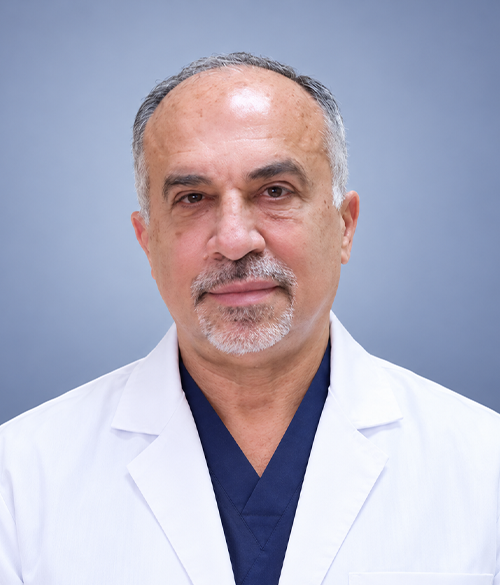
Dr. Gabi Wazz is a specialist general surgeon at Dr. Sulaiman Al Habib Hospital, Dubai Healthcare City, listed under the hospital's bariatric surgery and general surgery departments. He trained in general surgery at the American University of Beirut (AUB) and is a Fellow of the American College of Surgeons (FACS). His areas of expertise are obesity surgery and laparoscopic surgery, including surgery of the gallbladder, hernias and haemorrhoids.
Our medical consultants review all requests regularly, every three hours.
Get a free consultation and answers to all your questions by completing the form below
It can help reduce appetite and portion size, with gradual weight loss, and it is adjustable and, in principle, reversible. It avoids cutting or stapling the stomach, although it demands consistency with diet and check-ups.
Adults with obesity who have not achieved results with diet and exercise and who are willing to change their habits and attend reviews. The team decides after assessing body mass index, general health and the available alternatives.
Blood tests and medical, nutritional and psychological assessments are done, sometimes with a gastroscopy. Tell the team about all your medicines, including blood thinners, and do not change them without your doctor’s advice. You will need to fast before surgery and often follow a pre-operative diet.
Laparoscopically and under general anaesthesia, the band is placed around the upper stomach and connected to a port under the skin. For removal, the band is freed and taken out with the tubing and port; the surgeon assesses whether the stomach or any adhesions need treatment.
Mild discomfort is usual, and most people return to daily life within one or two weeks. A staged diet comes first, moving from liquids to purées and then solids, eating slowly and chewing well. Recovery after removal is usually similar or slightly shorter.
Weight loss is gradual and settles over one to two years, with periodic band adjustments. Results depend on habits and follow-up, and weight can be regained, especially after removal if there is no plan for ongoing care.
Infection, band slippage, erosion into the stomach, oesophageal dilation, reflux and port or tubing problems can occur, sometimes requiring reoperation or removal. The general risks of anaesthesia and surgery also apply.
Several small scars remain on the abdomen, one slightly larger where the port sits. They usually fade with time.
Normally two to four days for the first review, after either placement or removal. The doctor treating you confirms when you can travel in your case.
When there is slippage, erosion, persistent reflux or vomiting, port problems, intolerance or insufficient weight loss. The decision is individual: the team weighs symptoms and tests, and explains whether another weight-loss option or nutritional follow-up alone is advisable.


