
Testicular sperm aspiration (TESA) is a minor procedure in which a small amount of testicular tissue is drawn out with a fine needle, usually when no sperm are found in the ejaculate. Its aim is to obtain sperm that can be used for ICSI, giving the couple a chance of conception.
It is normally carried out under local anaesthesia, sometimes with light sedation. The surgeon passes a thin needle through the scrotal skin into the testis and aspirates tiny seminiferous tubules, which an embryologist examines under the microscope; any sperm found are used straight away or frozen.
The procedure usually takes under 30 minutes and is done as a day case. Mild scrotal soreness or swelling may last a few days, and desk work can often be resumed quickly. The final result is clear once the laboratory confirms whether viable sperm were found in the sample.
The final cost is set after a medical consultant reviews your case and photos.
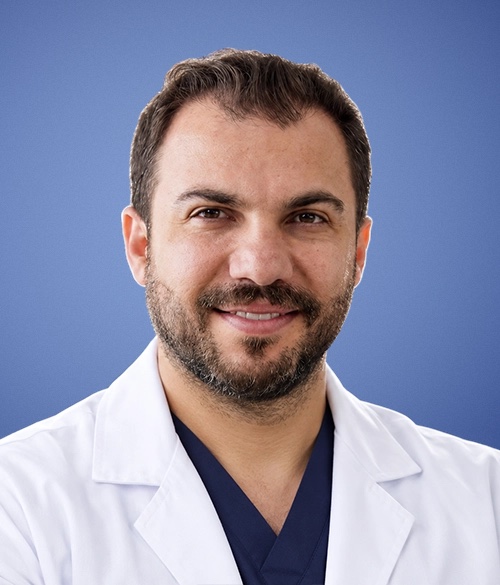

Assoc. Prof. Dr. Zülfü Sertkaya is an Istanbul urologist who focuses on andrology. He graduated from Gazi University Faculty of Medicine in 2008, completed his urology residency at Haydarpaşa Numune Training and Research Hospital in 2014, and holds the FEBU title (2017). He worked at state, university and private hospitals, including Memorial Diyarbakır and Başakşehir Çam and Sakura City Hospital. Since 2022 he has run his own clinic in Zeytinburnu, focusing on penile prosthesis, Peyronie's disease, premature ejaculation and male infertility.
Our medical consultants review all requests regularly, every three hours.
Get a free consultation and answers to all your questions by completing the form below
It allows sperm to be retrieved directly from the testis when none appear in the semen, through a short, minimally invasive procedure followed by ICSI.
Mainly men with obstructive azoospermia; in selected cases of impaired sperm production it may be considered after hormonal and genetic assessment by the specialist.
Blood tests, hormone levels and previous semen analyses are usually reviewed. Never stop any medicine, such as blood thinners, on your own; the doctor decides. Timing is often coordinated with the partner's ICSI cycle.
After numbing the scrotum, a fine needle is inserted into the testis to draw out a small amount of tissue, which is examined at once under the microscope.
Local anaesthesia prevents pain during the procedure, although some pressure may be felt; a simple painkiller prescribed by the doctor usually controls discomfort afterwards.
Rest for a day or two, wear supportive underwear and avoid strenuous exercise for about a week, or as your doctor advises.
Whether sperm are present is usually known on the day of the procedure; pregnancy chances depend on the ICSI outcome and factors relating to both partners.
Minor bleeding, a haematoma, infection or temporary pain can occur but are uncommon. Sperm may not be found, and no result can be guaranteed.
The doctor may suggest a more extensive technique such as microdissection TESE (micro-TESE), depending on the diagnosis and test results.
Most men can fly one to two days after TESA; the stay may be longer if it is linked to an ICSI cycle. Your doctor confirms when travel is safe.


