
Erectile dysfunction treatment covers medical and surgical options used when an erection sufficient for intercourse cannot be reached or kept. The goal is to improve erectile function and quality of life, and the specialist chooses the option after finding the cause and assessing general health.
Shockwave therapy is a non-surgical course of sessions in which low-intensity sound waves are directed at the penis; it may help some men with a mild or moderate vascular cause. Implant surgery, usually under general or spinal anaesthesia, places a prosthesis inside the penis: the inflatable type uses a small pump and fluid reservoir, the malleable type two flexible rods adjusted by hand.
A shockwave session lasts minutes and usually needs no recovery. Implant surgery typically takes one to two hours, and many patients go home the same or next day, avoiding intercourse for several weeks. The final implant result becomes clear once the tissues heal and the patient learns to use it, in about six weeks.
The final cost is set after a medical consultant reviews your case and photos.
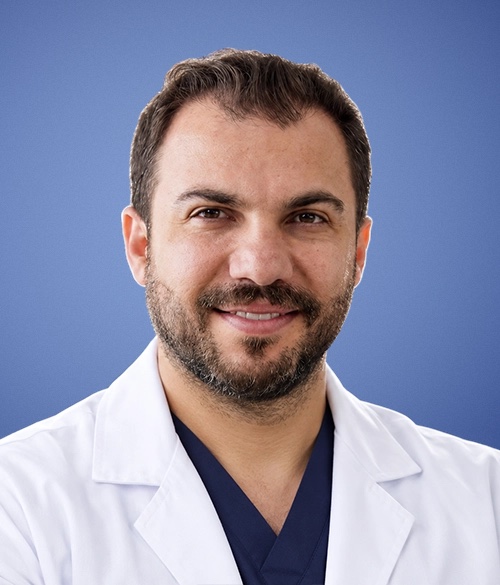

Assoc. Prof. Dr. Zülfü Sertkaya is an Istanbul urologist who focuses on andrology. He graduated from Gazi University Faculty of Medicine in 2008, completed his urology residency at Haydarpaşa Numune Training and Research Hospital in 2014, and holds the FEBU title (2017). He worked at state, university and private hospitals, including Memorial Diyarbakır and Başakşehir Çam and Sakura City Hospital. Since 2022 he has run his own clinic in Zeytinburnu, focusing on penile prosthesis, Peyronie's disease, premature ejaculation and male infertility.
Our medical consultants review all requests regularly, every three hours.
Get a free consultation and answers to all your questions by completing the form below
They may improve the ability to achieve an erection and so restore confidence and satisfaction. The benefit varies with the option and the cause, and no option suits every patient.
Shockwave therapy usually suits some cases with a mild or moderate vascular cause. A prosthesis is considered when other treatments do not work or are unsuitable. The doctor decides after examination.
Preparation includes a clinical examination, tests and ruling out treatable causes. Tell your doctor about all your medicines, especially blood thinners, and never stop them on your own; that decision belongs to the doctor. Before an implant, infection is excluded and chronic conditions such as diabetes are brought under control.
The doctor passes an external device over the penis to deliver low-intensity waves, in repeated sessions usually spread over several weeks. Mild discomfort may occur.
It is placed surgically through a small incision. You choose between the inflatable and malleable types according to your condition, preference and the surgeon's recommendation.
The inflatable type allows an erection and relaxation closer to natural, but it has more parts and a larger operation. The malleable type is simpler and easier to use, yet it stays semi-rigid and is positioned by hand. The surgeon recommends the better fit for you.
After an implant, pain and swelling are expected for some days, then several weeks of rest, followed by learning to use the device. After shockwave therapy most patients return to normal activities straight away.
Implant results appear once the tissues heal and you learn to use it, and they may last for years, although revision or replacement can be needed. The effect of shockwave therapy varies and may fade over time in some patients.
Implant risks include infection, mechanical failure, pain and changes in sensation or length, and removal or replacement may be needed. Shockwave therapy usually has few side effects, such as discomfort or mild bruising. A result cannot be guaranteed with either option.
After shockwave therapy a long stay is usually not needed beyond the session schedule. After an implant, staying about a week is usually advised, and your doctor confirms when you may travel.


