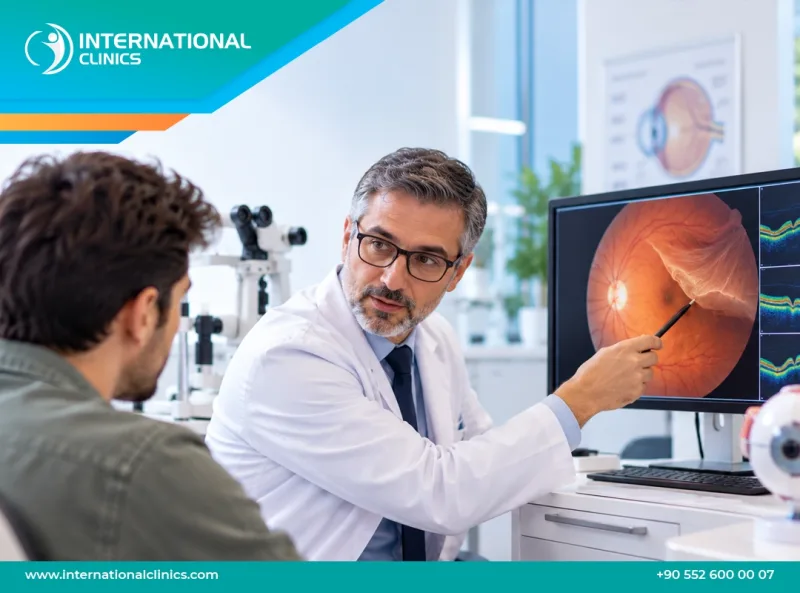
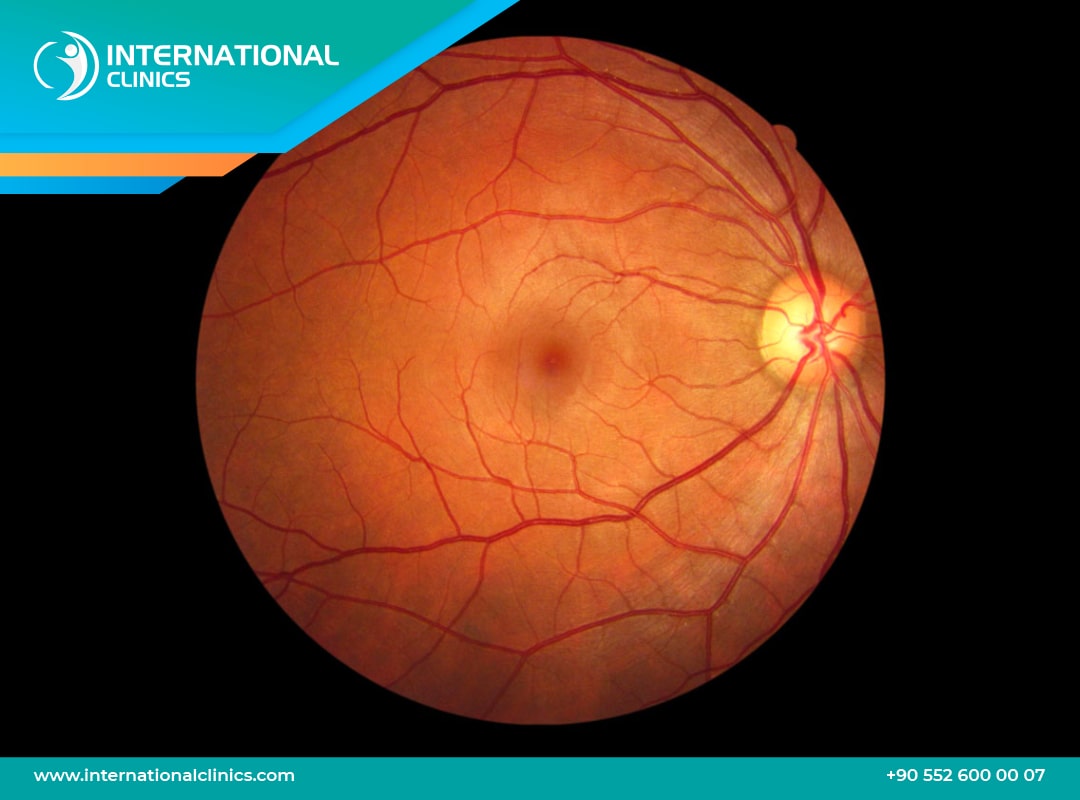
Diabetic retinopathy surgery, known as vitrectomy, is performed when diabetes causes bleeding inside the eye that does not clear on its own, scar tissue pulling on the retina, or a retinal detachment. It aims to protect the remaining vision and improve it as far as possible, but it does not treat diabetes itself.
The surgeon enters the eye through three tiny openings and removes the vitreous gel clouded by blood, along with membranes pulling on the retina. Laser may treat abnormal vessels. Sometimes the eye is filled with a gas bubble or silicone oil to hold the retina in place. Anesthesia is usually local with sedation, occasionally general.
The operation usually takes one to two hours, and most patients go home the same day. Eye drops are used for several weeks, and a specific head position may be needed if gas is used. Vision improves gradually over weeks to months, depending on the state of the retina before surgery.
The final cost is set after a medical consultant reviews your case and photos.
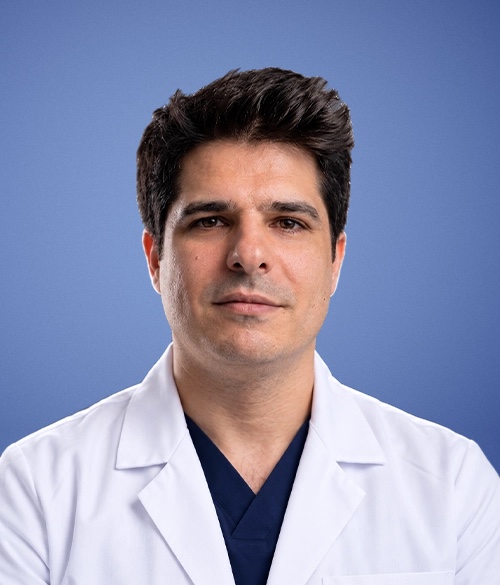

Op. Dr. Önder Aslan is an experienced specialist in ophthalmology. He completed his medical education at Dicle University Faculty of Medicine and specialized in eye diseases. His main areas of expertise include cataract surgery, laser eye treatments, and smart lens procedures. He provides modern and reliable treatments using advanced medical technologies. Dr. Aslan focuses on patient satisfaction and high-quality eye care.

Asst. Prof. Dr. Muhammed Talha Sadık is an ophthalmologist at BHT Clinic Istanbul Tema Hospital. He graduated from Istanbul University Çapa Faculty of Medicine and has worked at Gaziosmanpaşa Yeni Yüzyıl University Hospital and Sultan Abdülmecit Training and Research Hospital. His clinical interests include cataract surgery, refractive surgery, laser treatments and smart lens implantation, as well as pediatric eye examination, strabismus, retinal diseases and retinopathy of prematurity.

Dr. Muhammet Derda Özer is a Turkish ophthalmologist specializing in the diagnosis and treatment of eye diseases. He completed his medical education and ophthalmology residency at Istanbul University Istanbul Faculty of Medicine. Dr. Özer currently practices at Liv Hospital Ulus in Istanbul, where he provides advanced eye care services. His main areas of expertise include retina diseases, uveitis, ocular oncology, and cataract surgery. With more than eight years of clinical experience, he is also known for his scientific publications and academic contributions in ophthalmology. He focuses on p...
Our medical consultants review all requests regularly, every three hours.
Get a free consultation and answers to all your questions by completing the form below
It removes the blood and scar tissue that block vision or pull on the retina, and helps return the retina to its place, so vision may improve or stop getting worse. However, it does not always restore vision to its previous level.
Patients with persistent bleeding in the vitreous, traction on the retina, or a retinal detachment caused by diabetes. The retina specialist decides after an eye examination and imaging, and after confirming that general health is stable and blood sugar and blood pressure are under control.
Eye examinations, imaging and blood tests are done, and the doctor reviews diabetes medicines and blood thinners. Blood sugar and blood pressure should be controlled before surgery, fasting may be required, and you should arrange for someone to help you during the first days of recovery.
Usually three very small openings are made in the eye, the vitreous is removed and the retinal surface is cleaned of membranes, and laser is used when needed. The eye may be filled with gas or silicone oil to support the retina, and the openings are usually closed without stitches or with very fine ones.
In the first days, redness, mild discomfort and blurred vision are expected, along with the use of eye drops and protection of the eye. If gas is used, you may be asked to hold a certain head position for some days. Follow-up visits are scheduled to measure eye pressure and assess the retina.
Vision usually improves gradually over weeks to months, and the improvement may be limited if the retina was damaged before the operation. Diabetes remains a chronic disease that needs lifelong control and follow-up to preserve the result.
They include raised eye pressure, cataract formation, repeated bleeding, infection inside the eye and retinal detachment. Some cases need further surgery, and the doctor explains these risks before the operation.
The surgeon decides this during the operation according to the condition of the retina. Gas is absorbed gradually over weeks, while silicone oil is usually removed in a later operation.
Light activities are resumed gradually, while heavy bending, lifting, rubbing the eye and swimming are avoided for the period the doctor sets. Strenuous activity stays off limits until the doctor allows it.
It is advisable to stay until the first check-up after surgery, which is usually within the first few days. If a gas bubble was used, air travel must be avoided until it is completely absorbed, because pressure changes may harm the eye. The treating doctor will confirm the suitable date.