
- What Is Lipo 360 and How Does It Work?
- Is Lipo 360 Dangerous? Safety vs. Risks
- What are Risks Associated with Lipo 360?
- 1. Common and Expected Lipo 360 Side Effects
- 2. Specific Lipo 360 Complications
- 3. Serious but Rare Lipo 360 Complications
- Factors That Increase Lipo 360 Risks
- How Different Lipo 360 Techniques Impact Safety and Risks
- Essential Tips to Minimize Risks and Ensure Lipo 360 Safety
- Who Is a Safe Candidate for Lipo 360?
Lipo 360 is a popular body-contouring procedure designed to remove stubborn fat and reshape the midsection, helping you regain not only your body shape but also your confidence and self-esteem. But is Lipo 360 dangerous?
When performed by a skilled, board-certified surgeon in an accredited clinic, and with a healthy patient, Lipo 360 is generally safe.
Like all surgical procedures, it carries potential side effects and risks, especially since it treats the entire midsection. Understanding these risks, safety considerations, and candidacy requirements is essential before proceeding.
This article breaks down Lipo 360’s real risks, safety tips, who is a safe candidate, and how to minimize complications, so you can make an informed decision.
What Is Lipo 360 and How Does It Work?
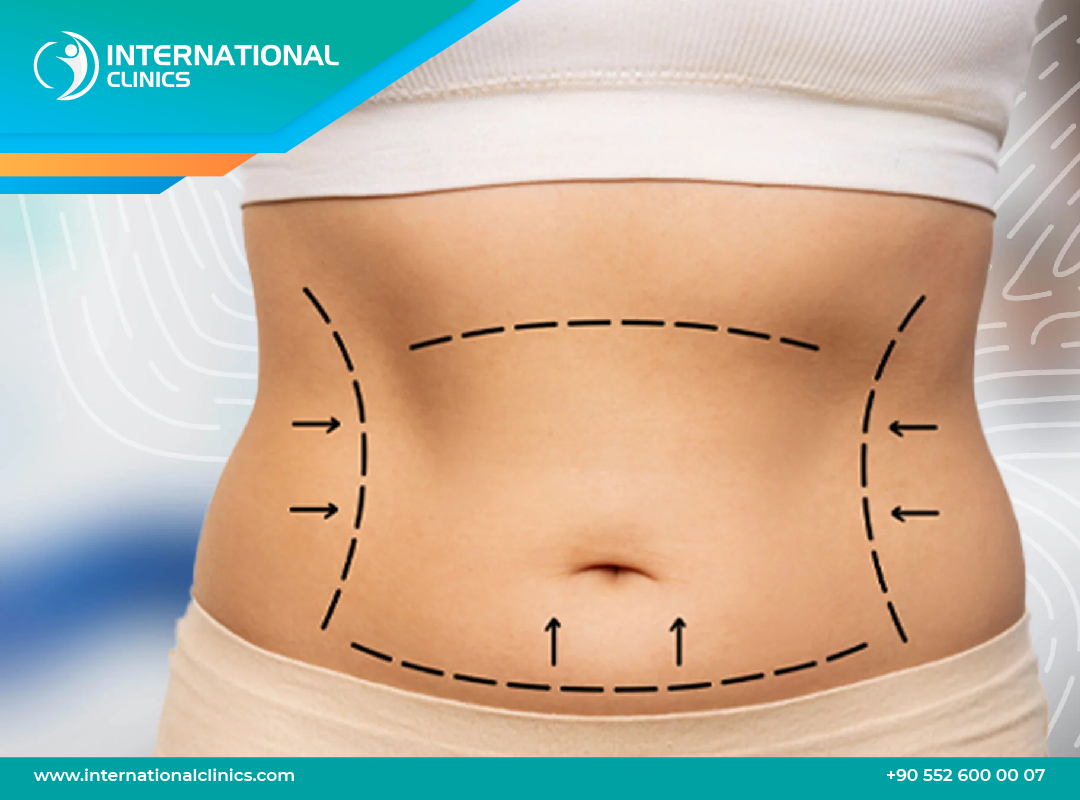
Lipo 360 is a body-contouring procedure designed to remove stubborn fat from the entire midsection, including the abdomen, waist, flanks (love handles), and back. Unlike traditional liposuction that targets one area at a time, Lipo 360 treats the torso in a full 360-degree approach to create a more balanced, sculpted silhouette.
The procedure works by inserting a thin, hollow tube called a cannula through small incisions. The surgeon then uses controlled movements to break up and suction out excess fat from multiple angles. While Lipo 360 can noticeably enhance the waistline and overall body shape, it isn’t intended for weight loss; its primary goal is to refine contours and improve proportions.
Is Lipo 360 Dangerous? Safety vs. Risks
Lipo 360 is generally considered safe when performed by a qualified, board-certified surgeon. However, like any surgical procedure, it carries potential risks that patients should understand before deciding to undergo treatment. Complications such as infection, bleeding, fluid buildup, and contour irregularities can occur, while common side effects include bruising, swelling, and temporary numbness. Serious, but rare, complications like fat embolism can also happen and require immediate medical attention.
The safety of Lipo 360 largely depends on proper patient evaluation, using the right surgical technique, and following post-operative care instructions. When performed in an accredited clinic with strong hygiene standards and an experienced surgeon, Lipo 360 is not inherently dangerous. The procedure becomes high-risk mainly when done by an uncertified practitioner or in low-quality facilities that overlook safety protocols.
What are Risks Associated with Lipo 360?
Risks associated with Lipo 360 fall into three main categories: common side effects, specific complications, and rare but serious risks.
1. Common and Expected Lipo 360 Side Effects
These effects are normal after Lipo 360 and usually improve within a few weeks or months:
- Bruising and swelling: Very common as the body heals; swelling gradually subsides, and cold compresses can help.
- Temporary numbness or altered sensation: Minor nerve irritation is normal, with sensation returning over time.
- Fluid accumulation (seroma): Small pockets of fluid may form and sometimes require drainage.
- Bleeding or hematoma: Slight bleeding under the skin can occur, but controlled surgical techniques minimize this risk.
- Contour irregularities: Mild unevenness or asymmetry may appear as swelling decreases; touch-ups can correct persistent issues.
2. Specific Lipo 360 Complications
Some complications are more procedure-specific and may require close monitoring:
- Scarring: Though Lipo 360 uses small incisions, some patients may develop darker or raised scars depending on skin type and healing. Proper wound care and sun protection help reduce visibility.
- Contour irregularities: Uneven fat removal, dimpling, or slight asymmetry can happen, particularly if swelling persists. Minor revisions can smooth out results.
- Changes in skin sensation: Tingling, numbness, or hypersensitivity can occur due to nerve irritation. These usually resolve over weeks to months, with permanent changes being rare.
3. Serious but Rare Lipo 360 Complications
While uncommon, these risks are important for patients to understand:
- Internal organ injury: Very rare, but the liposuction cannula could accidentally puncture an internal organ, requiring emergency intervention.
- Fat embolism: Fat can enter the bloodstream and travel to vital organs such as the lungs or brain. This is a medical emergency.
- Organ stress from fluid shifts: Large-volume liposuction may temporarily affect the heart, kidneys, or lungs. Preoperative assessment and monitoring reduce this risk.
- Lidocaine toxicity: Excess anesthetic may affect the central nervous system or heart if improperly administered, emphasizing the need for experienced anesthesia management.
Factors That Increase Lipo 360 Risks
The risks associated with Lipo 360 can become more likely due to several factors, including underlying health issues, poor surgical technique, or not following post-operative instructions. Problems such as infection, bleeding (hematoma), fluid buildup (seroma), or uneven fat removal can occur, while more serious issues may involve anesthesia reactions, nerve injury, or fat embolism.
- Pre-existing health conditions: Chronic illnesses such as uncontrolled diabetes, heart problems, or immune disorders can raise the risk of complications during and after Lipo 360.
- Inexperienced surgeon: Choosing a surgeon without proper board certification or insufficient experience can significantly increase the chance of poor results, including irregular body contours or nerve injury.
- Ignoring post-operative instructions: Failing to follow your surgeon’s guidelines for rest, activity, and aftercare can result in infection, delayed healing, or other complications.
- Poor circulation and lifestyle habits: Smoking, poor nutrition, or heavy alcohol consumption can slow tissue repair and heighten the likelihood of complications after Lipo 360.
How Different Lipo 360 Techniques Impact Safety and Risks
The technique used in Lipo 360 can significantly affect both the procedure’s risks and recovery time. Techniques that minimize tissue trauma generally lead to faster healing and fewer complications. However, even with the most advanced methods, a skilled surgeon and proper post-operative care remain the most important factors in ensuring patient safety.
Newer techniques such as Power-Assisted Liposuction (PAL), Ultrasound-Assisted Liposuction (UAL), and Laser-Assisted Liposuction (LAL) are designed to improve safety by reducing bruising, swelling, and overall tissue damage. Each method has its own advantages, but they can also introduce specific risks—for example, laser-assisted liposuction may carry a small risk of burns if not used correctly.
Ultimately, while the choice of technique can influence outcomes, the surgeon’s experience, expertise, and the quality of the surgical facility play a far more critical role in minimizing complications and achieving safe, effective results.
Essential Tips to Minimize Risks and Ensure Lipo 360 Safety
While Lipo 360 is generally safe, risks can be significantly reduced with proper preparation, professional guidance, and adherence to medical advice. Complications are minimized by choosing an experienced, board-certified surgeon, maintaining good overall health, and strictly following all pre- and post-operative instructions. This include:
- Choose a Qualified Surgeon:
The most important factor in minimizing Lipo 360 risks is selecting a highly skilled, board-certified plastic liposuction surgeon. An experienced surgeon can prevent complications such as excessive bleeding, uneven fat removal, or performing the procedure on unsuitable candidates. Proper technique, including advanced methods like tumescent liposuction or power-assisted approaches, requires precision and an artistic hand to achieve natural, balanced results. Choosing the right surgeon ensures both safety and the best aesthetic outcome.
- Maintain good health:
Ideal candidates are in good overall health, with controlled medical conditions and realistic expectations. Your surgeon will review your medical history to ensure you are suitable for Lipo 360. Patients with a history of heart disease, uncontrolled diabetes or immuno related diseases can not undergo procedures under general anesthesia or need proper healing. Tell your surgeon honestly your medical history and make prioritize your body health and safety over body shape
- Follow pre- and post-operative instructions:
Proper wound care, wearing compression garments, taking prescribed medications, and attending follow-up appointments are essential to prevent complications and support optimal healing.
- Consider the risks of large-volume liposuction (Mega Lipo): Removing very large amounts of fat in a single session increases the chances of complications such as fluid imbalance, bleeding, slower recovery, and stress on organs. Always discuss with your surgeon whether a staged or smaller-volume approach is safer for you.
- Consider the safest liposuction technique: The safety of Lipo 360 greatly depends on the technique used. Tumescent liposuction combined with advanced methods like Power-Assisted Liposuction (PAL) or Ultrasound-Assisted Liposuction (UAL) is generally safer, as it minimizes tissue trauma, reduces bleeding, and allows for more precise fat removal. Choosing a technique your surgeon is highly experienced with helps ensure smoother results, faster recovery, and fewer complications.
- Lifestyle factors:
Avoid smoking and maintain proper nutrition before and after surgery to support healing and reduce infection risk.
Who Is a Safe Candidate for Lipo 360?
The safest candidates for Lipo 360 are individuals who meet the following criteria:
- Good overall health: No uncontrolled diabetes, hypertension, heart disease, lung problems, or immune disorders that could increase surgical risks.
- Stable weight: Ideally at or near their goal weight and stable for at least six months.
- Good skin elasticity: Skin that can contract smoothly after fat removal, reducing the chance of sagging or irregularities.
- Non-smokers: Because smoking impairs blood flow, delays healing, and increases the risk of complications.
- Realistic expectations: Understanding that Lipo 360 shapes and sculpts—it does not replace weight loss.
- Stubborn fat deposits: Localized fat around the abdomen, flanks, waist, or back that does not respond to diet or exercise.
You may like:Liposuction vs Tummy Tuck Results: Which One is Better for You?