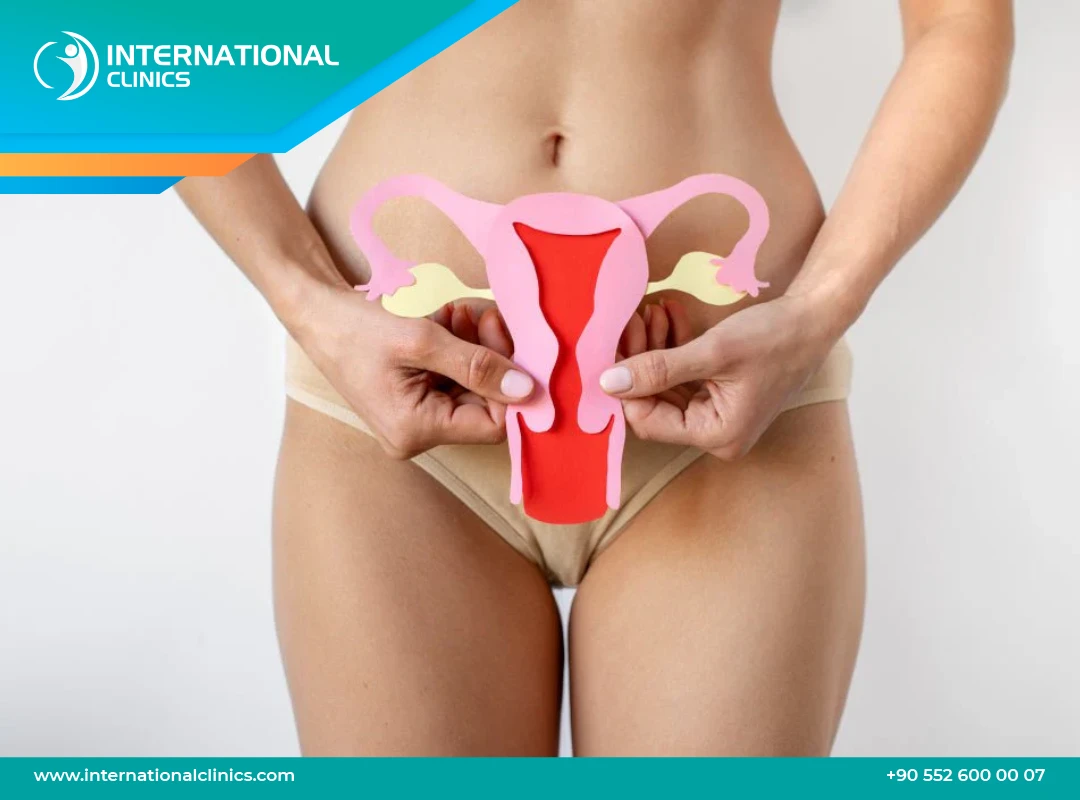
When a woman has endometriosis, the tissue that borders her uterus develops outside of it in an abnormal manner.
Sure, every woman wants to think they are better after surgery, but they are scared to have high expectations for fear of being let down again.
Pain or any other symptom that resembles those that had before surgery might easily lead one to believe—or be told—that "the endo is back."
Every instance of endometriosis is unique due to the varying locations of the lesions and the extent of tissue invasion, despite certain commonalities and characteristics.
Comparing your recovery to that of others or even to your own recovery from a prior operation is, therefore, a very terrible idea.
Hormone therapy and anti-inflammatory drugs such as ibuprofen and naproxen sodium are often the primary therapies for endometriosis.
Surgery can be used to remove implants and scar tissue when these methods are insufficient, which should result in pain alleviation that lasts longer.
However, endometriosis growth rates vary, but recurrence after surgery is common, with Post-surgery relapse occurring months to years later and affecting 20–50% of women. Pain can also recur in approximately one-third of patients, depending on the completeness of lesion removal and ongoing hormonal factors.
Recurrence can happen from missed tissue, new implants, or other factors like scar tissue, but better surgical techniques (excision) and post-op hormonal care reduce risks

Endometriosis Surgery
As mentioned before, endometriosis is a disorder in which tissue that normally grows inside the uterus grows outside of it, which can affect Female Infertility.
If medicine is insufficient to relieve your severe endometriosis pain, your doctor may potentially suggest surgery. It can be diagnosed and treated with endometriosis surgery in most cases.
Surgery may be necessary to remove endometriosis-related regions or fluid-filled sacs (ovarian cysts). It can also remove your ovaries (oophorectomy) or womb (hysterectomy).
They can locate endometriosis inside your body and remove all or parts of the impacted tissue, such as a portion of your bladder or colon, if it is hurting these organs.
Whether you wish to become pregnant later is one of the things to consider. Some endometriosis surgeries may prevent you from becoming pregnant.
How Quickly Can Endometriosis Grow Back After Surgery?
After surgery, 20–30% of cases of endometriosis return. As a result, its critical to consult your physician again following surgery. If there is a chance that the problem will recur, they will let you know for sure.
Endometriomas can grow back surprisingly fast, with recurrence often seen within 2 to 5 years after surgery, though some women experience symptoms returning in months, while others have longer relief. About 20-50% may recur within 5 years, with rates varying based on factors like the initial cyst size (larger cysts have a higher risk), age (younger patients riskier), surgical technique (rupture during surgery increases risk), and post-op management.
Common Timelines for Recurrence
Within Months: Some cases can recur quite rapidly, though early post-op pain is often healing-related.
2-5 Years: This is the average range where many women see symptoms return, with rates sometimes reaching 40-80% within five years.
Longer Term: With effective management, long-term relief is possible, but recurrence rates increase with time, as shown in studies going out 8-10 years.
It is unclear, however, how long it takes for endometriosis to return following surgery because the majority of recurrence data is not retained after five years following surgery.
The type of procedure performed is one of the factors that determine whether endometriosis returns (recurs) following surgery.
After undergoing surgery for endometriosis, between 20% and 30% of women relapse within five years, unfortunately. This, of course, affects their chances of pregnancy even with In vitro fertilization (IVF).

Why Does Endometriosis Return After Surgery?
The reasons for endometriosis recurrence are complex and multifactorial. After surgery, endometriosis can return from new (de novo) cells or from residual tissue left behind. Even after removal, new lesions may develop, similar to the original growths. While the exact cause of endometriosis remains unclear, retrograde menstruation is a widely accepted explanation: menstrual blood and tissue can flow backward through the fallopian tubes, attaching to the ovaries or other pelvic organs. Recurrence depends on complete excision, surgeon skill, and post-op care, with hormonal management critical to suppress estrogen-driven growth, though microscopic cells can persist or develop into new disease
Key factors influencing recurrence include:
- Incomplete removal of lesions: Small endometriosis tissue may remain after surgery and grow back later, causing flare-ups.
- Hormonal imbalances: Estrogen and other hormones can stimulate growth of new or remaining tissue.
- Microscopic cells: Tiny cells not visible during surgery may persist and develop into new lesions.
- New tissue formation: Endometriosis can appear in new areas even after all visible tissue is removed.
- Severity of disease: More extensive endometriosis at the time of surgery increases the likelihood of recurrence.
- Post-operative care: Proper follow-up and use of hormonal or medical suppressive therapy can reduce the risk of symptoms returning.
The risk of recurrent endometriosis can be raised by factors such as:
- The severity of the illness at the time of surgery: the more serious the illness, the more probable it appears to be to return.
- Poor lesion removal: lesions may eventually come back if any are left behind after surgery.
- Age: Younger age is a risk factor.
- Body Fat: Higher BMI can increase recurrence risk
How to Stop Endometriosis from Recurring?
Sadly, this question has no conclusive answer. After surgery, some women have a recurrence of their endometriosis, while others do not.
Pregnancy goals are one of the variables that influence the steps taken to prevent endometriosis from recurring. A second operation can be used to treat recurrent endometriosis.
Pregnancy following surgery may help reduce endometriosis recurrence, according to certain research.
Hormonal suppression has been demonstrated in certain trials to help lower the chance of endometriosis recurrence for patients who do not wish to become pregnant following surgery.
Hormonal suppression initiated after six weeks following endometriosis surgery has been shown in one trial to dramatically minimize pain and recurrence of endometriosis up to a year after surgery.
You may take a number of steps to lessen the likelihood that your endometriosis will recur, including:
Pay close attention to the post-operative instructions given by your physician. It entails taking all recommended drugs and showing up for all follow-up consultations.
keeping up a healthy lifestyle that includes a balanced diet and lots of exercise.
Steer clear of recognized endometriosis flare-up factors, such as coffee and stress.
If you encounter any symptoms that point to the recurrence of endometriosis, consult your physician.They might suggest new treatments such as stem cells therapy.

Signs of Endometriosis Returning
Endometriosis symptoms can differ from one woman to the next and may also evolve with time. Endometriosis can recur without any obvious symptoms, however.
Studies on endometriosis recurrence following surgery frequently report new or worsening pelvic pain and/or menstrual discomfort in individuals who do have symptoms.
Nonetheless, there is a possibility that endometriosis may have reappeared if you have undergone surgery to remove endometrial tissue and are exhibiting any of the following symptoms:
- Menstrual pain, including painful cramps, or pain during or after intercourse
- Persistent pelvic and lower back discomfort
- Pain during urinating or having bowel motions
- Lower abdominal/intestinal discomfort
- Having trouble conceiving
- Too much bleeding
- Unable to conceive or fertility issues
- Nausea or bloating
- Heavy or painful periods
- Diarrhea or constipation
- Ovarian cysts
Post-Endometriosis Pain vs. Signs of Recurrence
After surgery, some pelvic discomfort is normal as the body heals. However, recurrence is usually indicated by the return of specific, cyclical symptoms, such as severe period pain (dysmenorrhea), deep pain during sex (dyspareunia), or bowel and bladder pain following the same patterns as before surgery. In contrast, normal post-operative pain generally gradually improves over weeks to months and is not tied to your menstrual cycle.
Interesting read:
Male Infertility Treatment in Turkey: Methods & Costs
Mommy Makeover in Turkey: Everything You Need to Know
Mommy Makeover Cost: Contour Your Body Without breaking the Bank