
 EN
EN
- Does Liposuction Hurt?
- How Painful Is Liposuction?
- Why Does Liposuction Hurt So Bad?
- Liposuction Pain Level
- Most Painful Liposuction Areas
- Exploring the Factors that Contribute to Pain in Liposuction:
- The amount of fat removed & the number of areas treated
- Invasive techniques like traditional liposuction may cause more discomfort
- Swelling and bruising after surgery can contribute to temporary discomfort.
- Strategies for Postoperative Recovery
- Taking Prescribed Pain Medications
- Applying Ice Packs or Cold Compresses
- Engaging in Light Activities
- Following Physical Restrictions
- Maintaining a Healthy Diet and Hydration
- Anesthesia &Pain Management
- Local Anesthesia for Numbing Targeted Areas
- General Anesthesia for Larger-Scale Procedures
- Minimizing Immediate Pain but Not Postoperative Discomfort
- Postoperative Pain and Recovery
- Recovery Process and Pain Management after Liposuction
- Outlining the Recovery Process
- Emphasizing Proper Postoperative Care
- The Role of Compression Garments
- Comparing Liposuction Pain with Other Procedures
- Duration of Pain After Liposuction
- Coping with Liposuction Pain and Achieving Desired Results:
- Conclusion
Liposuction has long been ( and probably will always be) a popular cosmetic procedure for those seeking to eliminate stubborn fat deposits and achieve a more sculpted physique, but does liposuction hurt?
While the desire for a toned body is widespread, concerns about the potential pain associated with liposuction often arise among patients.
Liposuction isnt painful when you are under procedure, but youll experience mild to moderate pain in the form of soreness, bruising, and discomfort, like a deep muscle ache, for days or weeks afterward, managed with pain meds, compression garments, and gentle movement.
By shedding light on the topic, we aim to provide you with valuable insights and empower you to make an informed decision regarding liposuction.
If youre considering this procedure, join us to uncover the truth about its potential discomfort.
Does Liposuction Hurt?
Liposuction isnt painful during the procedure due to anesthesia, but youll experience mild to moderate soreness, swelling, and bruising afterward, often described as muscle aches from intense exercise, peaking in the first few days.
Liposuction hurts so bad after surgery because its a trauma to your tissues, causing intense inflammation, swelling, and bruising.
Pain is usually manageable with prescribed medication and compression garments, subsiding significantly within a week, though full recovery can take weeks. Discomfort levels depend on the treated areas size and nerve endings, and larger areas generally mean more soreness.
How Painful Is Liposuction?
Why Does Liposuction Hurt So Bad?
Liposuction Pain Level
Pain level varies between patients, usually ranging from mild to moderate. The intensity of pain is usually highest during the first 2-3 days post-surgery and gradually subsides over the following week.
Pain levels after liposuction depend on several factors, including the technique used (such as PAL, VASER, or laser-assisted methods), the areas being treated, and the amount of fat removed. Procedures using advanced, minimally invasive techniques often result in less postoperative discomfort compared to traditional methods.
Most Painful Liposuction Areas
The most painful liposuction areas are generally the abdomen, flanks (love handles), and inner thighs due to higher nerve density, extensive tissue manipulation, and more pronounced swelling. Patients often describe the discomfort as deep soreness, burning, or intense muscle aches after the procedure. Pain levels also depend on the amount of fat removed and individual sensitivity.
More Painful Areas:
- Abdomen: Deep soreness, tightness, and burning sensations, especially with larger fat removal.
- Flanks (Love Handles): Tender with aching, stiffness, and sharp pulls from extensive work.
- Inner Thighs: Sensitive skin can cause burning, friction, and tenderness.
- Back: Pressure and tightness may affect posture and sleep, increasing discomfort.
Less Painful Areas:
- Chin & Neck: Mild discomfort, usually feeling like tightness.
- Arms & Knees: Minor stiffness and soreness, less intense than core areas.
Why Some Areas Hurt More:
Pain intensity depends on nerve density, tissue sensitivity, the amount of fat removed, and movement during recovery. Areas with thicker skin, more muscles, or higher concentration of nerves and blood vessels—like the thighs, hips, and abdomen—typically experience higher discomfort, while arms and legs are usually less painful. Individual pain tolerance also plays a key role.
Related Article: How to Treat Nerve Pain After Liposuction
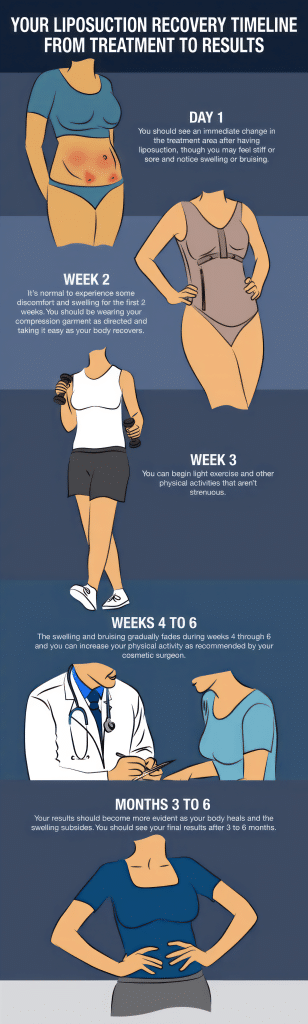
Exploring the Factors that Contribute to Pain in Liposuction:
One of the concerns that many individuals have is the level of pain they may experience during and after the procedure. Lets gain a better understanding of what influences pain levels in this popular cosmetic surgery.
The amount of fat removed & the number of areas treated
During liposuction, a surgeon uses various techniques to remove unwanted fat deposits from specific regions of the body. The more extensive the treatment area or the greater the volume of fat being removed, the longer and more invasive the procedure tends to be, leading to increased postoperative pain.
Invasive techniques like traditional liposuction may cause more discomfort
Invasive techniques like traditional liposuction may cause more discomfort compared to minimally invasive methods like laser-assisted lipolysis.
Traditional liposuction involves manually breaking up fatty tissue using a cannula and suctioning it out. This method requires larger incisions and more aggressive movements, potentially resulting in increased soreness and bruising post-surgery.
On the other hand, minimally invasive methods such as laser-assisted lipolysis utilize laser energy to liquefy fat cells before removal. This approach typically involves smaller incisions, less trauma to surrounding tissues, and reduced bleeding, resulting in a potentially less painful recovery period.
Swelling and bruising after surgery can contribute to temporary discomfort.
Following liposuction, it is common for patients to experience swelling and bruising in the treated areas. This localized inflammation can lead to temporary discomfort and tenderness. The severity of swelling and bruising varies from person to person but generally subsides over time as the body heals.
Strategies for Postoperative Recovery
Taking Prescribed Pain Medications
One of the most effective ways to manage postoperative discomfort after liposuction is by taking the pain medications prescribed by your surgeon. These medications are specifically chosen to help alleviate pain and promote a smoother recovery process.
Applying Ice Packs or Cold Compresses
To reduce swelling and alleviate pain, By gently placing an ice pack on the affected area for short intervals, you can experience significant relief from postoperative discomfort. The cold temperature helps constrict blood vessels, reducing inflammation and providing temporary numbing effects.
Engaging in Light Activities
Engaging in light activities, such as walking, plays a vital role in managing postoperative pain and promoting faster healing.
Light exercise improves blood circulation and can contribute to reduced pain levels. Walking not only helps prevent blood clots but also stimulates lymphatic drainage, facilitating the removal of excess fluid from the body.
Following Physical Restrictions
Strenuous activities should be avoided as they can strain the healing tissues and potentially lead to complications.
Your surgeon will provide specific instructions regarding lifting heavy objects, exercising, and returning to work based on your unique circumstances. Adhering to these restrictions ensures that you give your body ample time to heal without exacerbating any discomfort.
Maintaining a Healthy Diet and Hydration
A balanced diet rich in nutrients, vitamins, and minerals provides your body with the necessary fuel to repair tissues and fight off infections. Staying hydrated is equally important as it helps flush out toxins from your system and aids in the healing process.
By incorporating foods that are high in antioxidants, such as fruits and vegetables, you can further boost your bodys ability to heal itself. Consuming foods rich in omega-3 fatty acids can help reduce inflammation and promote faster recovery.
Anesthesia &Pain Management
One of the common concerns that individuals have is the level of pain they may experience during and after the procedure. Fortunately, advancements in medical science have led to various anesthesia options that can effectively manage pain and discomfort throughout the liposuction process.
Local Anesthesia for Numbing Targeted Areas
For many patients, local anesthesia with sedation proves to be a suitable choice for managing pain during liposuction procedures.
This involves injecting an anesthetic solution directly into the treatment area, which helps minimize immediate pain during surgery. By numbing the nerves in the region, patients can undergo the procedure without experiencing significant discomfort.
Local anesthesia with sedation offers a faster recovery time compared to other options. Since patients are not fully unconscious during the procedure, they experience less post-operative grogginess and can often resume their normal activities sooner. The use of sedatives also helps alleviate anxiety or nervousness that some individuals may feel before undergoing liposuction.
General Anesthesia for Larger-Scale Procedures
In cases where liposuction treatments involve larger areas or multiple regions of the body, general anesthesia may be recommended. Under general anesthesia, patients are completely unconscious throughout the procedure as a combination of intravenous medications and inhaled gases keep them asleep and pain-free.
General anesthesia carries a higher level of risk compared to local anesthesia, as it affects the entire body rather than just specific areas. The use of general anesthesia also requires additional monitoring and specialized medical personnel to ensure patient safety.
Minimizing Immediate Pain but Not Postoperative Discomfort
While anesthesia plays a crucial role in minimizing immediate pain during liposuction surgery, its important to note that it does not eliminate postoperative discomfort altogether.
Once the effects of anesthesia wear off after the procedure, patients may experience varying degrees of soreness, swelling, and bruising in the treated areas. However, this postoperative discomfort can be managed through appropriate pain medication prescribed by your surgeon.
Postoperative Pain and Recovery
After liposuction, patients can expect some degree of pain, swelling, and bruising in the treated areas. This is a normal part of the healing process as the body adjusts to the changes made during surgery. Most patients can resume light activities within a few days but may require several weeks for a full recovery.
The initial soreness gradually subsides over time as your body heals itself. It is important not to rush into strenuous activities or exercise too soon after liposuction, as this can impede proper healing and potentially lead to complications. During the recovery period, it is essential for patients to follow their surgeons instructions diligently.
Recovery Process and Pain Management after Liposuction
Proper postoperative care plays a significant role in minimizing discomfort and ensuring a smooth healing process. Lets delve into the steps involved in recovery, the techniques used for pain management, and the importance of compression garments.
Outlining the Recovery Process
| Immediate Post-Procedure | You will spend some time in a recovery room where medical professionals will monitor your vital signs. You may experience grogginess from anesthesia or mild pain at this stage. |
| First Few Days | Once discharged, it is essential to have someone accompany you home. During these initial days, swelling and soreness are common, but they gradually subside over time. |
| Recovery Weeks | Over the next few weeks, youll notice gradual improvements in your condition. It is crucial to follow all postoperative instructions provided by your surgeon diligently. |
| Resuming Normal Activities | Depending on the extent of your procedure, you may be able to resume light activities within a week or two. |
Emphasizing Proper Postoperative Care
| Medications | Your surgeon will prescribe appropriate medications to manage any discomfort during the healing process. These may include pain relievers or antibiotics to prevent infection. |
| Pain Management Techniques | There are several techniques that can help alleviate post-liposuction discomfort. These may include the use of ice packs, heat therapy, or gentle massages as recommended by your surgeon. |
| Follow-up Appointments | Regular follow-up appointments with your surgeon are essential to monitor your progress and ensure any potential issues are addressed promptly. |
The Role of Compression Garments
| Reduced Swelling | By compressing the surgical area, these garments aid in reducing postoperative swelling. This can lead to a more comfortable recovery process. |
| Support and Comfort | Compression garments provide support to the treated areas, which can help alleviate pain and discomfort during movement. |
| Improved Healing | The gentle pressure exerted by compression garments promotes blood circulation and lymphatic drainage, aiding in faster healing. |
Comparing Liposuction Pain with Other Procedures
Liposuction generally involves less pain compared to more extensive surgeries like abdominoplasty or breast augmentation. These procedures require larger incisions and involve manipulation of internal tissues, resulting in more discomfort during the recovery period.
Abdominoplasty (tummy tuck) involves removing excess skin and tightening abdominal muscles in addition to addressing fat deposits.
This procedure requires a longer incision along the lower abdomen and often results in a more extended recovery time due to the increased trauma inflicted on tissues. The post-operative discomfort experienced after abdominoplasty may be more significant than that of liposuction.
Breast augmentation surgery also involves a higher level of invasiveness compared to liposuction. The placement of implants or fat transfer requires incisions either around the areola, under the breast crease, or through an armpit approach.
The stretching and manipulation of breast tissues during the procedure can result in post-operative pain and discomfort that may exceed that of liposuction.
The level of pain experienced after liposuction is typically similar to that of other minimally invasive cosmetic surgeries.
During liposuction, small incisions are made in targeted areas where excess fat is removed using specialized tools. While some discomfort can be expected after the procedure, it is usually can be controlled with prescribed pain medication.
Duration of Pain After Liposuction
Following the liposuction procedure, it is common for patients to experience mild discomfort or soreness as their bodies heal. This lingering pain may persist for several weeks but tends to gradually decrease over time.
It is important to note that while pain is a common aspect of the recovery process, severe or prolonged pain should not be ignored. If you experience intense or worsening pain, it is essential to contact your surgeon immediately for further evaluation and guidance.
Coping with Liposuction Pain and Achieving Desired Results:
- Communicating openly with your surgeon about your concerns regarding pain management is crucial for a positive experience. Your surgeon will be able to provide you with detailed information on what to expect during the recovery process and how they plan to manage any discomfort.
- Maintaining a healthy lifestyle, including regular exercise and a balanced diet, can help achieve desired results and minimize the need for future procedures. Opting for nutrient-rich foods while minimizing processed foods high in sugar and saturated fats can support overall well-being while preventing weight gain.
- Regular exercise plays a vital role in toning muscles and improving overall body composition. Incorporating activities such as cardio exercises, strength training, and flexibility exercises into your routine can help enhance the effects of liposuction by promoting muscle definition and reducing fat accumulation in other areas.
- In addition to physical discomfort, its crucial to address any emotional or psychological concerns you may have during this time. Surrounding yourself with a support system of friends and family who understand your journey can be immensely helpful in staying motivated and positive throughout the recovery process.
Conclusion
Liposuction can involve varying levels of pain depending on several factors. The pain experienced during and after the procedure can be managed effectively with the use of anesthesia and postoperative pain management techniques.
While some discomfort is to be expected, many patients find that the benefits of liposuction outweigh any temporary pain they may experience.
Many individuals report a significant improvement in their body contour and self-confidence following the procedure.
By choosing a reputable surgeon who prioritizes patient care and employs advanced pain management strategies, you can minimize your discomfort and achieve your desired results.
In conclusion, by shedding light on the pain of liposuction, we aim to alleviate any anxieties or misconceptions you may have. We believe that a well-informed approach to pain management can help you make informed decisions, enhance your overall experience, and achieve optimal results from your liposuction journey.