
 EN
EN
- Gastric Sleeve 10 Years Later
- Benefits of Gastric Sleeve 10 Years Later
- 1. Noticeable Weight Loss
- 2. Improved Health and Quality of Life
- 3. Normal Food Tolerance
- 4. Disease Prevention
- Possible Weight Gain 10 Years After Sleeve Gastrectomy:
- Complications of Gastric Sleeve 10 Years Later
- How to Keep the Results After Gastric Sleeve?
- Follow the Right Lifestyle Changes
- Get the Necessary Support
- Gastric sleeve reset after 10 years
- Keep the Contact Channels Open with Your Surgeon
- Gastric Sleeve Statistics
- The Bottom Line
Gastric sleeve is a type of weight loss surgery that entails extracting roughly 75-80% of your stomach. Although the surgery is known for being highly effective and safe in the short and long term, many people speculate about the results of the gastric sleeve 10 years later.
The surgery leaves you with a stomach that takes the appearance of a banana, akin to a “sleeve”. Your new stomach can only hold around 5-6 ounces of food and liquids. Gastric sleeve in Turkey, in particular, can largely contribute to the reduction in overall caloric intake and facilitate weight loss.
Nonetheless, what could happen after 10 years following the surgery is something interesting and worth investigating because a gastric sleeve is a “permanent” solution that must remain active for years to come.
Gastric Sleeve 10 Years Later
Ten years after a gastric sleeve, most people maintain a significant portion of their excess weight loss, often between 51% and 54%, while around 35% may experience some degree of weight regain.
Long-term benefits, including improvements in chronic conditions such as type 2 diabetes, hypertension, and sleep apnea, become more evident over this period, alongside enhancements in overall health and quality of life.
On the other hand, some patients can experience long-term complications that may persist for years or even lifelong, such as nutritional deficiencies (iron, vitamin B12, vitamin D), gastroesophageal reflux, chronic nausea or vomiting, and, in rare cases, surgical-related issues like staple line leaks or strictures.
Benefits, Reset or complication, these are the suspected scenarios 10 years after gastric sleeve, and in all situations, you should commit to careful long-term follow-up, dietary monitoring, and supplementation are essential to minimize these risks and maintain optimal outcomes. People who experience weight gain may need to reset their gastric sleeve results.
Benefits of Gastric Sleeve 10 Years Later
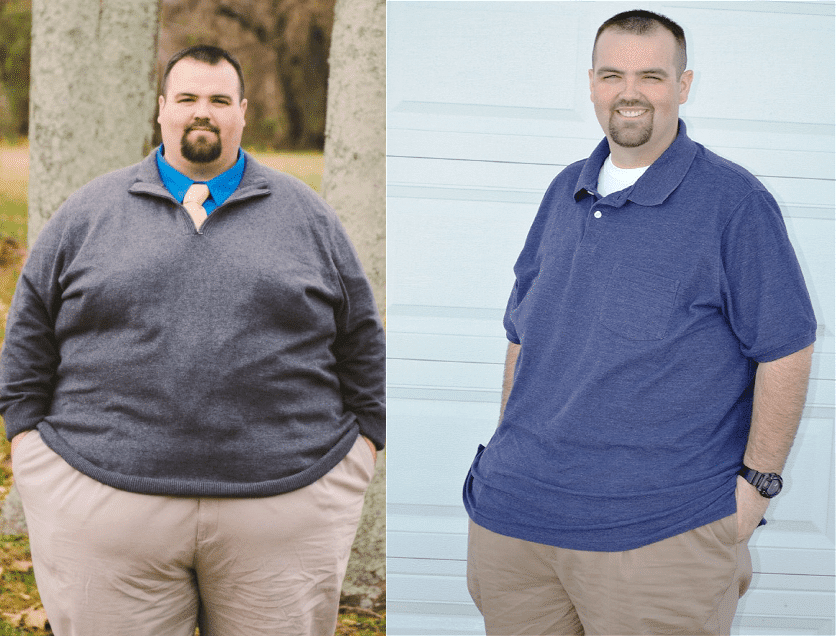
Ten years after a gastric sleeve, the benefits include sustained weight loss (around 50% of excess weight), significant remission or improvement of related health conditions like type 2 diabetes, hypertension, and sleep apnea, and improved quality of life.
According to recent studies, patients who have undergone gastric sleeve surgery have shown significant improvement in their quality of life even after a decade following the procedure. The improvements manifest in the following aspects:
1. Noticeable Weight Loss
As you may expect, 10 years are enough to show up the full results of gastric sleeve. On average, people lose around 55% of their original excess body weight after 10 years. Some may lose more than this percentage, depending on their commitment to a healthy lifestyle.
One crucial factor that determines the long-term success of the surgery is the percentage of excess weight loss, which refers to the amount of weight you lose above your ideal body weight.
Research examining long-term weight loss after the gastric sleeve indicates that the average excess weight loss changes over time. After 5 years, the average was 62.3%, then it decreased to 53.8% after 6 years, 43% after 7 years, and rose again to 54.8% after 8 or more years following the gastric sleeve procedure.
However, the 10-year success rate after undergoing the gastric sleeve is observed to be only 41% according to a study. Hence, the surgery should only be recommended to selected patients, including people with low BMI (Body Mass Index) and without preoperative symptoms of acid reflux GERD.
2. Improved Health and Quality of Life
Ten years after gastric sleeve surgery, many patients achieve lasting health benefits, including remission of obesity-related conditions such as type 2 diabetes, hypertension, and sleep apnea. Beyond physical improvements, long-term quality of life is significantly enhanced, with sustained positive effects on social life, self-esteem, mobility, and mental well-being. These enduring outcomes make the gastric sleeve one of the most effective solutions for long-term weight management and overall health improvement, demonstrating its value even a decade after the procedure.
3. Normal Food Tolerance
Gastric sleeve surgery in Turkey may cause a certain level of food intolerance. Thankfully, most people return to the normal level of food tolerance as the years go by after the gastric sleeve. Indeed, 95.2% of people report acceptable to excellent food tolerance, which is a significant aspect of a better quality of life.
4. Disease Prevention
Obesity-related illnesses, such as type 2 diabetes and high blood pressure, can be put into remission following the surgery. As a result, people may experience an increase in overall welfare, self-confidence, mobility, and social life.
Interestingly, the incidence of depression can decrease significantly after the procedure. However, it is important to note that each patients experience may differ, and the level of benefits will depend on several factors.
Related Article: Low BMI Gastric Sleeve Before and After
Related Article: Hair Loss After Gastric Sleeve
Possible Weight Gain 10 Years After Sleeve Gastrectomy:
Unfortunately, the reality after gastric sleeve surgery isn’t always straightforward. While the majority of people happily lose weight over the years and escape the dangers of obesity, some people may gain weight, especially those who ignore the instructions of the surgeons or cheat on their post-op diet.
Indeed, approximately 13-30% of gastric sleeve patients are estimated to experience long-term weight regain. In fact, some patients may gain up to 2% of their starting weight back or even more.
That isn’t something common, but it happens in some cases. Weight gain following the gastric sleeve procedure is often related to patient diet cheating and lifestyle factors.
Early weight loss progress during the first 1-3 months after surgery can potentially predict your long-term weight loss results.
Therefore, its highly recommended that high-risk individuals start implementing dietary and lifestyle modifications as soon as possible after the surgery.
Related Article: Mini Gastric Sleeve
Complications of Gastric Sleeve 10 Years Later
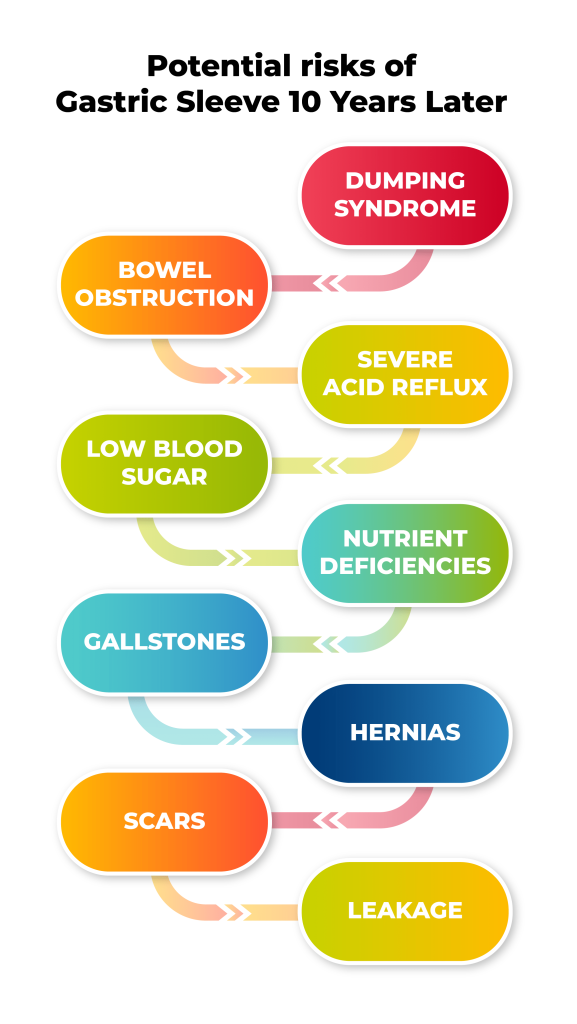
A small percentage of patients may eventually require revision surgery to a gastric bypass about 10 years after a gastric sleeve, usually due to severe or persistent GERD that does not respond well to treatment. Revision surgery can effectively resolve reflux and improve long-term weight control.
On the positive side, severe vitamin or micronutrient deficiencies are uncommon. Low levels of vitamin D, iron, or B12 can usually be corrected easily with oral supplements, which is why gastric sleeve surgery is still considered a generally safe option. Long-term studies show that it carries fewer complications than many other obesity surgeries performed in Turkey, and the long-term health risks remain far lower than those associated with untreated obesity.
Common Long-Term Complications After Gastric Sleeve
Several long-term complications can occur years after gastric sleeve surgery:
Acid Reflux (GERD): More than 40% of patients who never had reflux before may develop it after gastric sleeve surgery. In some cases, symptoms become persistent and require long-term medication, lifestyle adjustments, or even revision surgery to gastric bypass if reflux becomes severe.
Nutritional Deficiencies: Because part of the stomach responsible for absorbing vitamins and minerals is removed, patients can develop deficiencies in vitamin B12, iron, calcium, and vitamin D. If left untreated, these deficiencies may lead to fatigue, hair thinning, nerve problems, and long-term bone issues such as osteoporosis.
Hernias: Some patients develop internal or incisional hernias years after surgery. These can cause discomfort, digestive issues, or pain, and may require surgical repair if symptoms worsen.
Gallstones: Rapid or significant weight loss after gastric sleeve surgery increases the risk of gallstone formation. Some patients may develop pain, inflammation, or infection of the gallbladder and eventually need gallbladder removal.
Weight Regain: Around 20–35% of patients experience some degree of weight regain in the years following surgery. This is usually linked to stomach stretching, hormonal changes, or returning to previous eating habits.
Gastrointestinal Obstruction: Scar tissue or adhesions from the original surgery can lead to partial or complete intestinal blockage many years later. This is uncommon, but when it happens, it often requires medical or surgical management.
Dumping Syndrome: Fast emptying of food into the small intestine may cause nausea, abdominal cramping, dizziness, sweating, or diarrhea after meals. Symptoms usually improve with dietary adjustments but may persist in some patients.
Loose Skin: Major weight loss almost always leads to excess or sagging skin around the abdomen, arms, thighs, or chest. While not dangerous, it can cause rashes, discomfort, or hygiene issues, and some patients choose body-contouring surgery to remove it.
Related Article: Gastric Sleeve vs Gastric Bypass
How to Keep the Results After Gastric Sleeve?
Although some weight gain after gastric sleeve surgery is inevitable in many cases, there are certain measures you can take to improve the long-term outcomes and keep the good results. Before and after the procedure, the surgeon will guide the patient through the lifestyle modifications and tips that may be required to fulfill this purpose. Below are some of these tips:
Follow the Right Lifestyle Changes
To sustain weight loss, you must make ongoing changes to your lifestyle. Complying with these changes is crucial to achieving overall success. This could entail embracing a healthier diet and engaging in more physical activity. After all, committing to healthier habits and attitudes that facilitate weight loss will have the most direct effect on sustaining weight reduction over the long term.
When it comes to diet, this may involve the consumption of certain foods in a particular order and in specific portion sizes to ensure that the patient obtains the nutrients they require without promoting weight gain.
Get the Necessary Support
Building a support network with individuals around you can help maintain your motivation, facilitate success, and remain on track with your weight loss goals. Most gastric sleeve patients prefer to keep in touch with other patients who underwent the surgery. This helps them share their experiences and get more advice on many things.
Gastric sleeve reset after 10 years
A "gastric sleeve reset" after 10 years is a comprehensive plan designed to address weight regain. It involves a structured, short-term diet of clear liquids, full liquids, purees, and soft foods, along with a renewed focus on lifestyle changes like mindful eating, increased physical activity, and stress management, to help you regain control and restart weight loss. The goals are to help your stomach pouch return to a healthier size, break a weight loss plateau, and rebuild commitment to a healthy lifestyle.
Keep the Contact Channels Open with Your Surgeon
Maintaining open lines of communication with your bariatric surgeon and their team is critical. If you observe any weight regain, make an appointment to speak with them so they can identify the root cause and work with you to find the most effective solution. They are here to aid you in your weight loss journey and are committed to assisting you.
Related Article: Hungry After Gastric Sleeve
Gastric Sleeve Statistics
Here are the key statistics on gastric sleeve surgery.
| Statistic | Details |
| Success Rate | 80-90% success rate in terms of weight loss and health improvements. |
| Weight Loss (1 Year Post-Surgery) | 60-70% of excess weight lost within the first year. |
| Initial Impact (First 2 Weeks) | 10-20 lbs lost in the first two weeks, with 1 lb per day on average. |
| Early Months (First 3 Months) | 35-45% of excess weight loss within the first three months. |
| Halfway Mark (First 6 Months) | 50-60% of excess weight loss by six months post-surgery. |
| One-Year Milestone | 60-70% of excess weight loss by the end of the first year. |
| Long-Term Success (12-24 Months) | Patients reach their lowest weight between 12-24 months after surgery. |
| Seven Years Post-Op | Patients regained only 3.9% of body weight on average after 3-7 years. |
| Health Condition Improvement | Type 2 diabetes, hypertension, sleep apnea, fatty liver, joint pain, and high cholesterol improve or enter remission. |
| Effect on Appetite | Decreased hunger and reduced desire to eat post-surgery. |
| Surgery Prevalence (US) | Over 50% of weight-loss surgeries in the U.S. are gastric sleeve procedures. |
| Global Statistics | Approximately 380,000 gastric sleeve surgeries are performed worldwide annually. |
| Surgery Qualification | Only 1% of people who qualify for the surgery actually undergo it. |
The Bottom Line
The results and changes of the gastric sleeve 10 years later are commonly positive and worth speculating. Patients enjoy a better life quality and easily can reach their weight loss goals. Besides, the surgery prevents various obesity-related problems, including diabetes.
However, some patients may gain weight in the years that follow the surgery. It’s also possible for some complications and side effects to develop, which may require revision surgery in some cases. Thus, it’s extremely important to stick to the diet instructions given by the surgeon.
International Clinics in Turkey provides special packages for those who seek gastric sleeve abroad. The packages include follow-up consultations in the years following the procedure. You can contact us immediately using the Contact Us button below.
Related Article: What They Don’t Tell You About Gastric Sleeve?