- What Happens to the Donor Area After Extraction?
- Why Choose International Clinics for Donor Area Safety
- Expected Symptoms and Changes in the Scalp
- Essential Medical Care Steps After Surgery
- Complete Recovery Timeline for the Scalp
- Healthy Recovery vs. Potential Complications
- Wound Healing Stages: When Does it Return to Normal?
- Real Patient Stories: Preserving Scalp Density
- Medical Guarantees for a Safe Recovery
- Pro-Tips for Accelerated Healing
- Conclusion
Donor Area After Hair Transplant
Understanding the recovery process of the Donor Area After Hair Transplant (Donor Area After Hair Transplant) is an absolute necessity for achieving a flawless, completely natural look. Fortunately, International Clinics provides exceptional medical care, customized treatment plans, and highly advanced surgical techniques to ensure a rapid healing phase and dense, completely scar-free results.
What Happens to the Donor Area After Extraction?
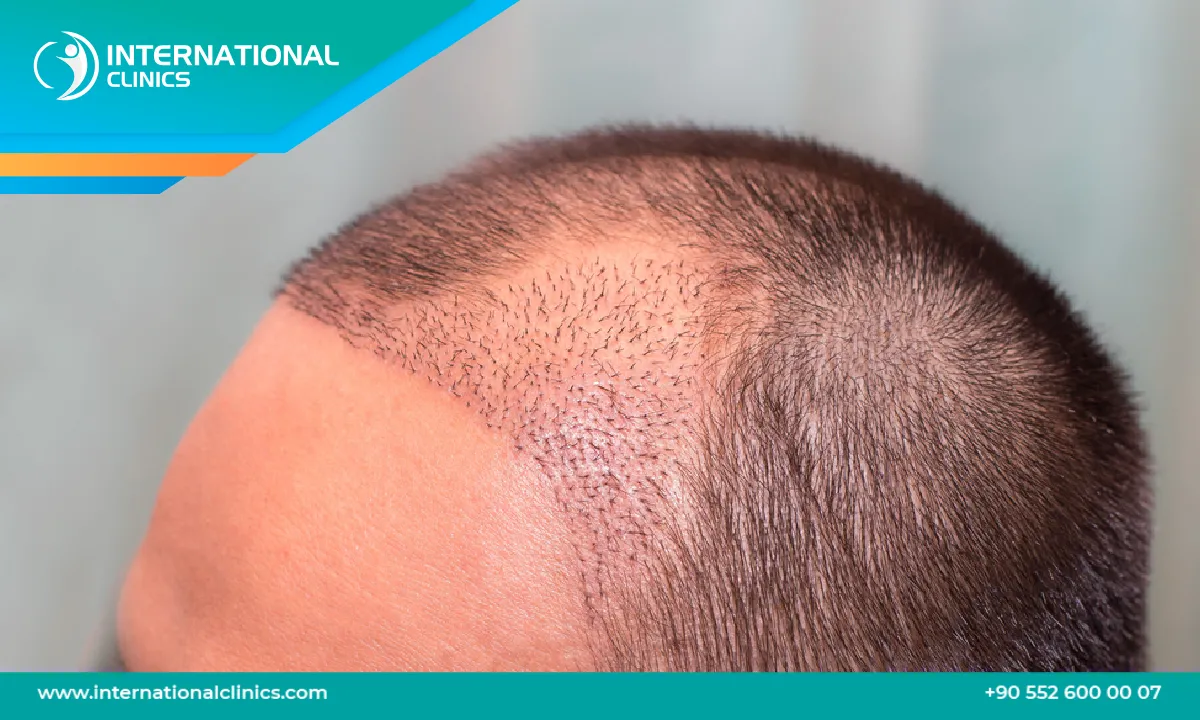
The Donor Area After Hair Transplant typically experiences mild localized redness, subtle swelling, and the formation of tiny protective scabs around the extracted follicles. Consequently, these completely normal symptoms fade quickly within the first few days as the skin rapidly regenerates, closing the micro-wounds seamlessly and restoring a completely natural appearance without any visible, long-term scarring.
Why Choose International Clinics for Donor Area Safety
To guarantee the maximum safety and optimal density of the Donor Area After Hair Transplant, you require specialized medical expertise and cutting-edge extraction technologies. Furthermore, our dedicated medical team prioritizes the long-term health of your scalp, ensuring that the extraction process is meticulously planned to avoid any unnecessary depletion of your precious hair reserves.
Here are the primary reasons to choose our clinic to protect the Donor Area After Hair Transplant completely.
Density Evaluation: To determine the safest extraction limit without creating any visible bald patches.
Precision Tools: To utilize advanced sapphire blades that prevent unnecessary tissue damage effectively.
Even Distribution: To ensure follicles are harvested uniformly for a seamlessly natural appearance.
Comprehensive Sterilization: To prevent any bacterial infections that might delay the healing process.
PRP Therapy: To accelerate cellular regeneration and stimulate the growth of remaining hair.
Routine Follow-ups: To monitor recovery stages closely and intervene early if necessary.
Personalized Care: To provide customized medical kits tailored specifically for your healing journey.
Medical Guarantee: To ensure your scalp fully regains its aesthetic shape and density safely.
By explicitly selecting our premier facility, you effectively protect the Donor Area After Hair Transplant from permanent scarring.
"Exceptional care and precise planning for the Donor Area After Hair Transplant is the true benchmark of a successful cosmetic procedure. Ultimately, preserving hair density, minimizing trauma, and preventing over-harvesting guarantees the patient a flawlessly natural, scar-free appearance."
— Senior Surgeon at International Clinics
Expected Symptoms and Changes in the Scalp
Your Donor Area After Hair Transplant continuously undergoes several temporary physiological changes due to the microscopic extraction process. Moreover, these expected side effects are an integral part of the bodys natural defense mechanism. (According to ISAPS, complete superficial skin recovery typically occurs within a few short weeks when protocols are followed).
Several temporary signs will inevitably appear on the Donor Area After Hair Transplant during early recovery.
Localized Redness: Due to increased blood flow to accelerate tissue healing and repair.
Mild Swelling: Resulting from injected fluids during local anesthesia and natural body reactions.
Scab Formation: To protect the tiny open wounds and prevent bacterial entry completely.
Itching Sensation: Serving as a strong natural indicator that the skin is healing.
Slight Pain: Due to temporary nerve irritation which is easily managed with painkillers.
Temporary Numbness: Caused by the lingering effects of local anesthesia for a few days.
Shock Loss: Involving temporary shedding of surrounding hairs due to surgical stress and trauma.
Skin Dryness: Occurring as a natural reaction requiring consistent moisturizing with medical lotions.
These minor symptoms fade rapidly, allowing the Donor Area After Hair Transplant to return to a completely healthy state.
Essential Medical Care Steps After Surgery
Properly managing the recovery for the Donor Area After Hair Transplant requires your strict adherence to a highly specific, clinically approved care protocol. Furthermore, meticulously following the daily washing guidelines and utilizing suitable medical products aggressively prevents dangerous infections, thereby accelerating the overall healing timeline.
Our comprehensive protocols include precise steps to protect the Donor Area After Hair Transplant and accelerate recovery.
Applying Lotion: To moisturize scabs and facilitate their shedding without harming surrounding skin.
Gentle Washing: To clean the scalp softly using a specially formulated medical shampoo daily.
Pat Drying: To prevent harsh friction that could severely irritate the healing micro-wounds.
Avoiding Scratching: To prevent unexpected bleeding and avoid the formation of undesirable scars.
Using Ointments: To speed up tissue healing and effectively reduce redness and skin irritation.
Correct Sleeping: To minimize pressure and reduce potential tissue swelling during the night.
Sun Avoidance: To prevent sensitive skin pigmentation and avoid delaying the natural healing process.
Taking Antibiotics: To avoid any bacterial infections that might negatively impact the final results.
This exact routine ensures the full, flawless recovery of the Donor Area After Hair Transplant without any complications.
Complete Recovery Timeline for the Scalp
The distinct healing stages of the Donor Area After Hair Transplant vary slightly depending on the specific extraction technique utilized and your bodys innate healing speed. However, rapid foundational recovery generally begins within the first few days, with complete aesthetic restoration expected within several months of careful maintenance.
Here are the detailed, chronological healing stages for the Donor Area After Hair Transplant over time.
| Timeframe | Expected Physical Changes | Required Medical Action |
| Days 1-3 | Redness, mild swelling, and tiny scab formation | Apply prescribed lotion and take painkillers |
| Week 1 | Scabs begin to fall off naturally, itching decreases | Perform gentle daily scalp washing procedures |
| Weeks 2-4 | Complete disappearance of redness, superficial surface healing | Apply light massage and nutritional support |
| Months 2-3 | Surrounding hair grows steadily, covering micro-gaps entirely | Utilize PRP therapy for follicle stimulation |
| Month 6 | Full restoration of density and natural aesthetic appearance | Attend routine follow-up and clinical evaluation |
These structured stages guarantee that the Donor Area After Hair Transplant heals safely and completely naturally.
Healthy Recovery vs. Potential Complications
Accurately evaluating the health of the Donor Area After Hair Transplant involves carefully balancing the signs of proper healing against any potential surgical risks. Consequently, the premium, world-class medical care provided at International Clinics significantly minimizes any associated risks, guaranteeing you a flawless aesthetic result without any visible evidence of surgery.
This detailed comparison highlights signs of healthy recovery versus complications in the Donor Area After Hair Transplant.
| Advantages (Healthy Recovery Signs) | Disadvantages (Potential Risks) |
| Rapid Healing: Micro-wounds close completely within just a few days. | Bacterial Infection: Resulting from neglecting proper sterilization and thorough daily washing. |
| Even Density: Preserving the completely natural appearance of the back hair. | Over-harvesting: Aggressive extraction causing very noticeable and permanent bald patches. |
| Temporary Pain: Mild discomfort that fades quickly using prescribed pain relievers. | Chronic Pain: Nerve damage caused by utilizing inaccurate or outdated surgical tools. |
| Invisible Scars: Achieved thanks to advanced sapphire blade extraction technologies. | Visible Scarring: Formation of thick scar tissue due to excessively large surgical incisions. |
| Natural Growth: Restoring the vitality of follicles adjacent to the extracted zones. | Permanent Loss: Shedding of surrounding hair due to severe surgical shock or trauma. |
| Treatment Response: Positive reaction to platelet-rich plasma (PRP) injection sessions. | Severe Dryness: Excessive skin peeling resulting from neglecting necessary medical hydration protocols. |
This clear matrix emphasizes choosing a highly reliable clinic to safely protect the Donor Area After Hair Transplant.
Wound Healing Stages: When Does it Return to Normal?
The Donor Area After Hair Transplant generally returns to its completely normal state within a few short weeks when you strictly follow the prescribed medical protocols. (According to Cleveland Clinic, superficial epidermal tissue healing is effectively and safely completed within the first two weeks post-procedure).
We outline the crucial wound healing stages ensuring the Donor Area After Hair Transplant recovers safely and swiftly.
Blood Clotting: To form a natural protective layer over the tiny open extraction wounds.
Scab Formation: To prevent germs and harmful bacteria from entering the extracted skin pores.
Immune Response: To direct white blood cells to actively fight any potential surgical infection.
Cell Regeneration: To build fresh surface tissues that cover the microscopic gaps completely.
Scab Shedding: To eliminate dead skin cells after the wounds have healed entirely.
Swelling Reduction: To drain trapped fluids and return the skin to its usual thickness.
Blood Perfusion: To nourish the remaining follicles and strongly stimulate their natural growth.
Complete Healing: To eliminate redness and restore the skin to its normal, healthy color.
These critical vital indicators ensure complete healing and vibrant health for the Donor Area After Hair Transplant.
Real Patient Stories: Preserving Scalp Density
Real patient experiences in restoring the aesthetic density of the Donor Area After Hair Transplant provide compelling, undeniable evidence of excellent medical care. Furthermore, these authentic narratives highlight the absolute importance of relying on the highly experienced surgeons at International Clinics to achieve a perfectly natural look without any visible gaps or tell-tale surgical signs.
"I was initially terrified about how the back of my head would look post-surgery, having seen patients elsewhere suffer from severe over-harvesting and patchiness. However, thanks to the meticulous, personalized planning by my doctor at International Clinics, the follicles were extracted intelligently with perfectly even distribution. Today, six months later, absolutely no one can tell I had a transplant. The Donor Area After Hair Transplant has fully regained its usual density without any scars, and the post-operative redness vanished entirely within just one week."
"After a previous, disastrous experience at an unlicensed center abroad, I unfortunately suffered from noticeable scarring on the back of my head. I urgently turned to the recognized experts at International Clinics to fix the damage and restore my frontal hairline. They utilized an ultra-precise micro-extraction technique to avoid stressing the delicate area further. The result was genuinely astonishing; the Donor Area After Hair Transplant recovered much faster than I expected, and thanks to the concentrated PRP sessions included in my package, my skin quality improved drastically."
Medical Guarantees for a Safe Recovery
We fully understand that meticulously preserving the density of the Donor Area After Hair Transplant is the absolute cornerstone of your entire treatment plan. Therefore, our prestigious clinic proactively provides a comprehensive package of medical guarantees and rigorous post-operative follow-up to ensure a perfectly safe recovery journey, utterly free from any distressing cosmetic complications.
We provide very strict medical guarantees to fully protect the Donor Area After Hair Transplant from any damage.
Thorough Examination: To assess skin elasticity and follicle density before making extraction decisions.
Advanced Equipment: To utilize ultra-fine punches that prevent skin distortion and tissue damage.
Sterilization Protocol: To guarantee a clean surgical environment that prevents infections and severe inflammation.
Treatment Kit: To provide authentic medical products that significantly speed up skin healing.
Remote Monitoring: To maintain continuous communication and carefully monitor your recovery progress periodically.
PRP Sessions: To stimulate hair growth and significantly accelerate cellular repair in affected areas.
Specialized Team: To handle any sudden medical emergencies with high efficiency and absolute professionalism.
Warranty Certificate: To secure your medical rights and our full commitment to agreed results.
These highly reliable clinical services grant you complete peace of mind regarding the Donor Area After Hair Transplant.
Pro-Tips for Accelerated Healing
The Donor Area After Hair Transplant requires highly specific, gentle daily care to ensure a smooth, comfortable, and thoroughly safe recovery period. (According to ASPS, strictly following post-operative home care instructions directly reduces visible scarring risks by up to 80%).
To perfectly maintain the health of the Donor Area After Hair Transplant, we prepared these essential medical tips.
Complete Rest: Sleep with your head elevated to reduce swelling and lower blood pressure.
Proper Washing: Use the medical shampoo extremely gently without ever rubbing your sensitive scalp.
Continuous Hydration: Apply the prescribed lotion regularly to help scabs fall off safely.
No Itching: Keep your hands completely off your head so wounds heal without scars.
Sun Protection: Wear a wide hat if you go outside to prevent skin pigmentation.
Drink Water: Hydrate your body internally to rapidly accelerate the regeneration of damaged skin.
Healthy Diet: Focus heavily on vitamins and protein to strengthen your remaining hair follicles.
Avoid Exertion: Stop strenuous sports for two weeks to prevent sweating and wound inflammation.
By carefully and consistently following these expert tips, you protect the Donor Area After Hair Transplant from complications.
Conclusion
In conclusion, properly and attentively caring for the Donor Area After Hair Transplant (Donor Area After Hair Transplant) is undoubtedly the most critical step to ensure a beautifully natural appearance and restore your self-confidence completely. By strictly adhering to all provided medical guidelines and choosing the right renowned experts, you will navigate the entire recovery period seamlessly and comfortably. Do not hesitate to book your personalized consultation now with the top specialists at International Clinics to receive comprehensive, VIP care and stunning, lifelong results.