Definition

”

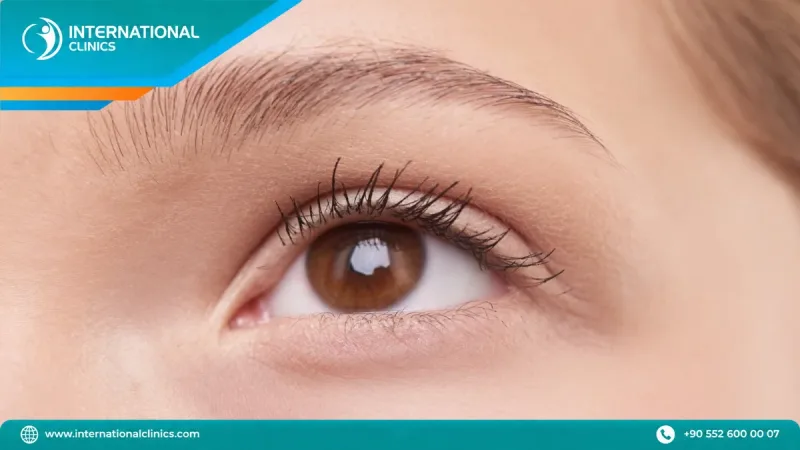
An eyebrow transplant is a hair restoration procedure that moves hair follicles from a donor area, usually the scalp, into the eyebrows. It is used for sparse, thin or missing eyebrows caused by over-plucking, scarring, injury or naturally low density, with the aim of creating fuller, natural-looking eyebrows.

The procedure is done under local anaesthesia. Individual follicles are harvested one by one, or in very small units, and the surgeon designs the brow shape. Tiny recipient sites are then made and each graft is placed at the angle and direction of natural eyebrow hair, so the result blends with the surrounding brow.

The session usually takes a few hours and most people return to normal activities within a few days, with mild redness and small scabs. The transplanted hairs often shed after two to three weeks, and new growth begins around three to four months. The final result is usually visible after about nine to twelve months.

Prices

Eyebrow transplant

Price based on your caseAvailable doctors: 1
Share your case

The final cost is set after a medical consultant reviews your case and photos.
Doctors

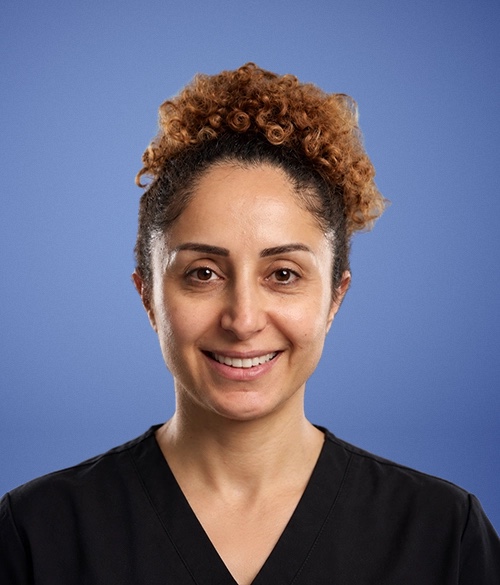
Specialist Gokcen Ozkul
Verified
Istanbul, Turkey
0.0
(0 reviews)

Specialist Gökçen Özkul is an experienced professional in the field of hair transplantation in Turkey. With more than 20 years of experience, she has participated in numerous successful hair transplant procedures using modern techniques. She is particularly known for her expertise in the Perkutan technique, which allows precise channel opening and natural-looking results. Based in Istanbul, she works with a specialized medical team providing advanced hair transplantation treatments. Her approach focuses on achieving natural hair density and designing hairlines that match each patient’s facial ...

Pricing

View Profile
Free Consultation

Get a Free Quote

Our medical consultants review all requests regularly, every three hours.

  • Free Medical Consultation
  • Verified Specialist Doctors
  • 24/7 Fast Response

Let us contact you

Get a free consultation and answers to all your questions by completing the form below


Hair Transplant
Advanced Endoscopy Center
Aesthetic & Plastic Surgeries
Algology (Pain) Clinic
Andrology
Anesthesia and Reanimation
Audiology
Bariatric Surgery Center
Biochemistry
Bone Marrow Transplantation
Brain and Nerve Surgery (Neurosurgery)
Breast Health Center
Breast Surgery
Cancer (Oncology) Center
Cardiology
Cardiovascular Surgery (CVS)
Check Up Center
Chest Diseases (Lung Diseases)
Child and Adolescent Psychiatry
Child and Adolescent Psychology (Pedagogy)
Coronary Intensive Care Unit (CCU)
Cosmetic Dermatology (Cosmetology)
Ear Nose Throat Diseases
Endocrine Surgery
Endocrinology and Metabolic Diseases
Endometriosis Center
Esophageal Diseases Center
Eye Diseases
Gastroenterology
Gastroenterology Surgery
Gastrointestinal Oncologic Surgery Center
General Intensive Care
General Surgery
Genetic Diseases Evaluation Center
Geriatrics (Old Age Health) Department
Gynecologic Oncology (Women's Cancers)
Gynecology and Obstetrics
Hair Transplant
Hematology
Home Care and Health Services
Immunology and Allergic Diseases
Infectious Diseases and Clinical Microbiology
Internal Medicine (Internal Medicine)
Interventional Neuroradiology
Interventional Radiology
IVF and Reproductive Health Center
Kidney Transplant Center
KVC Intensive Care Unit
Liaison Psychiatry
Liver Transplantation Center
Liver-Pancreas-Gallbladder and Pathways (HPB) Center
Lung Nodule Center
Manual Medicine
Medical Oncology
Microbiology Laboratory
Muscle and Nerve Diseases Center (Neuromuscular Diseases)
Neonatal Intensive Care Unit (Neonatology)
Nephrology
Neurology
Nuclear Medicine
Nutrition and Diet
Oncological Surgery Center
Oral and Dental Health
Organ Transplantation Center
Orthopedics and Traumatology
Pathology
Pediatric Allergy
Pediatric Bone Marrow Transplant Unit
Pediatric Cardiology
Pediatric Cardiovascular Surgery
Pediatric Chest Diseases
Pediatric Development
Pediatric Endocrinology
Pediatric Gastroenterology
Pediatric Hematology
Pediatric Infectious Diseases
Pediatric Nephrology
Pediatric Neurology
Pediatric Oncology
Pediatric Physical Therapy and Rehabilitation Center
Pediatric surgery
Pediatric Urology
Pediatrics
Perinatology (High Risk Pregnancies)
Physical Medicine and Rehabilitation
Proctology Center (Hemorrhoid and Anorectal Diseases Unit)
Psychiatry
Psychology (Clinical)
Radiation Oncology (Radiotherapy)
Radiology
Respiratory Physiotherapy
Rheumatology
Robotic Orthopedic Surgery (Robotic Prosthesis Surgery)
Robotic Rehabilitation Center
Robotic Surgery Center
Skin and Venereal Diseases (Dermatology)
Sleep Disorders Center
Smoking Cessation Clinic
Spine Center (Spine Surgery)
Stroke and Brain Injury Rehabilitation Center
Test-Tube Babies (IVF)
Thoracic Surgery
Undiagnosed Diseases Center
Urinary Tract
Urology
Eyebrow transplant
Select Treatments ...


✓
Success!
Your message has been sent successfully. We will contact you soon.

Frequently Asked Questions

What are the benefits of an eyebrow transplant?

It can add long-lasting density to sparse or missing brows and can look natural because your own hair is used. It may reduce the need for daily brow make-up or pencils.

Who is a good candidate?

People with thin, patchy or absent eyebrows who have enough healthy donor hair. The doctor checks the cause of hair loss first, and some medical conditions need treating before surgery.

How do I prepare?

The doctor reviews your health and medicines, and may ask you to avoid certain products or habits that increase bleeding. Never stop a prescribed drug, including blood thinners, unless the doctor tells you to. Avoid plucking or tattooing brows beforehand if advised.

How is the procedure performed?

After local anaesthetic, follicles are taken from the donor area, the brow shape is planned, and grafts are placed one at a time into tiny recipient sites in the natural direction of growth.

What is recovery like?

Mild redness, swelling and small scabs are common for several days. You will be advised to avoid rubbing and heavy sweating, and to wash the area only gently, until the doctor allows otherwise.

When do results appear and how long do they last?

Transplanted hairs usually shed within a few weeks, and new hair starts to grow after about three to four months, reaching its final look at roughly nine to twelve months. Transplanted hair is intended to be long lasting.

What are the risks and complications?

Possible risks include infection, bleeding, swelling, uneven density or direction of hairs, and poor growth of some grafts. Hairs grow like scalp hair, so they may need regular trimming.

Will there be scars?

Tiny marks at the donor and recipient sites usually fade and are often barely noticeable, but scarring can occur in some people.

How many days should I stay before flying home?

Most people can usually fly about one to three days after the procedure, once the doctor has checked the area. The treating doctor confirms the right timing for you.

Will the transplanted eyebrows need special care?

Because the hairs come from the scalp, they tend to keep growing and may need trimming from time to time. Gentle handling during the early weeks helps the grafts settle.

×
Get a Free Consultation

Our commitments to you

  • Reliable care at accredited, contracted institutions
  • A clear price agreed before you travel, with no hidden costs
  • Full medical support with professional interpreters
  • Clear treatment plans and follow-up to international standards
  • Personal assistance throughout your treatment journey
  • Complete confidentiality for all your medical information
✓
Success!
Your message has been sent successfully.
Chat with us
1 WhatsApp