![Rhinoplasty in Turkey : Cost, Best Surgeons, Clinics [2026 Updates]](https://internationalclinics.com/uploads/international-clinics-24-12-03-15-50-55-674efeafa2b83.webp)
- What is Rhinoplasty?
- Types of Rhinoplasty Procedures
- Nose Anatomy & Physiology
- Why Anatomy Matters for Surgery?
- Why Choose Rhinoplasty in Turkey?
- How much is Rhinoplasty cost in Turkey?
- What’s Usually Included in a Rhinoplasty Package
- Rhinoplasty before and after Images
- Factors That Can Affect the Cost
- Best Rhinoplasty Surgeons & Top Clinics in Turkey
- Top Clinics in Turkey for Rhinoplasty
- Top 10 Rhinoplasty Surgeons in Turkey
- Patient Reviews, Reddit & Forum Insights
- Celebrity Rhinoplasty stories
- Revision Rhinoplasty & Ethnic Rhinoplasty in Turkey
- Revision Rhinoplasty
- Ethnic Rhinoplasty in Turkey
- Functional Considerations: Breathing & Septorhinoplasty
- Safety, Risks & Malpractice: What You Need to Know
- Malpractice and How to Reduce Risk
- Why Surgery Is Generally Safe in Turkey
- How to Prepare for Rhinoplasty in Turkey
- Recovery Timeline & Aftercare
Rhinoplasty, or a nose job, is a popular procedure in Turkey, attracting people from all over the world. Many come not just only to change the shape of their nose, but to fix droopy tips or bulbous noses, while taking advantage of experienced surgeons and modern clinics. Thanks to competitive rhinoplasty prices, patients can achieve high-quality results without paying the high costs often seen in Europe, the UK, or the USA.
Whether you’re thinking about a primary nose job, a revision rhinoplasty, ethnic rhinoplasty, or even a non-surgical liquid rhinoplasty, this guide from International Clinics will walk you through everything: different types of procedures, costs starting from $1800 USD, how to choose the best rhinoplasty surgeon in Turkey, recovery, and preparation tips.
Some people are also unsure about related procedures like septoplasty or septorhinoplasty, which focus on improving breathing difficulties and nasal airflow rather than purely cosmetic changes. We also cover celebrity nose jobs, droopy tip and bulbous nose corrections, and key tips to help you make an informed decision.
What is Rhinoplasty?
Rhinoplasty is a surgery that changes the shape of the nose. The term comes from Ancient Greek: ῥίς (rhís), meaning “nose,” and πλαστός (plastós), meaning “moulded.” It is commonly called a nose job and medically referred to as nasal reconstruction. Rhinoplasty is a plastic surgery procedure used to alter and reconstruct the nose for cosmetic, functional, or combined purposes.
People choose rhinoplasty for cosmetic reasons, such as refining a droopy tip, reducing a bulbous nose, or improving facial harmony. It is also used for functional purposes, including correcting structural problems that cause breathing difficulties. In some cases, rhinoplasty is combined with septoplasty in a procedure called septorhinoplasty, which improves both appearance and nasal airflow.
Rhinoplasty can range from minor tip refinements to complex revision rhinoplasty that corrects previous surgeries. Every procedure is tailored to the patient’s anatomy, goals, and facial proportions.
Top-Rated Rhinoplasty Surgeons in Turkey | Same-Week Consultations
Types of Rhinoplasty Procedures
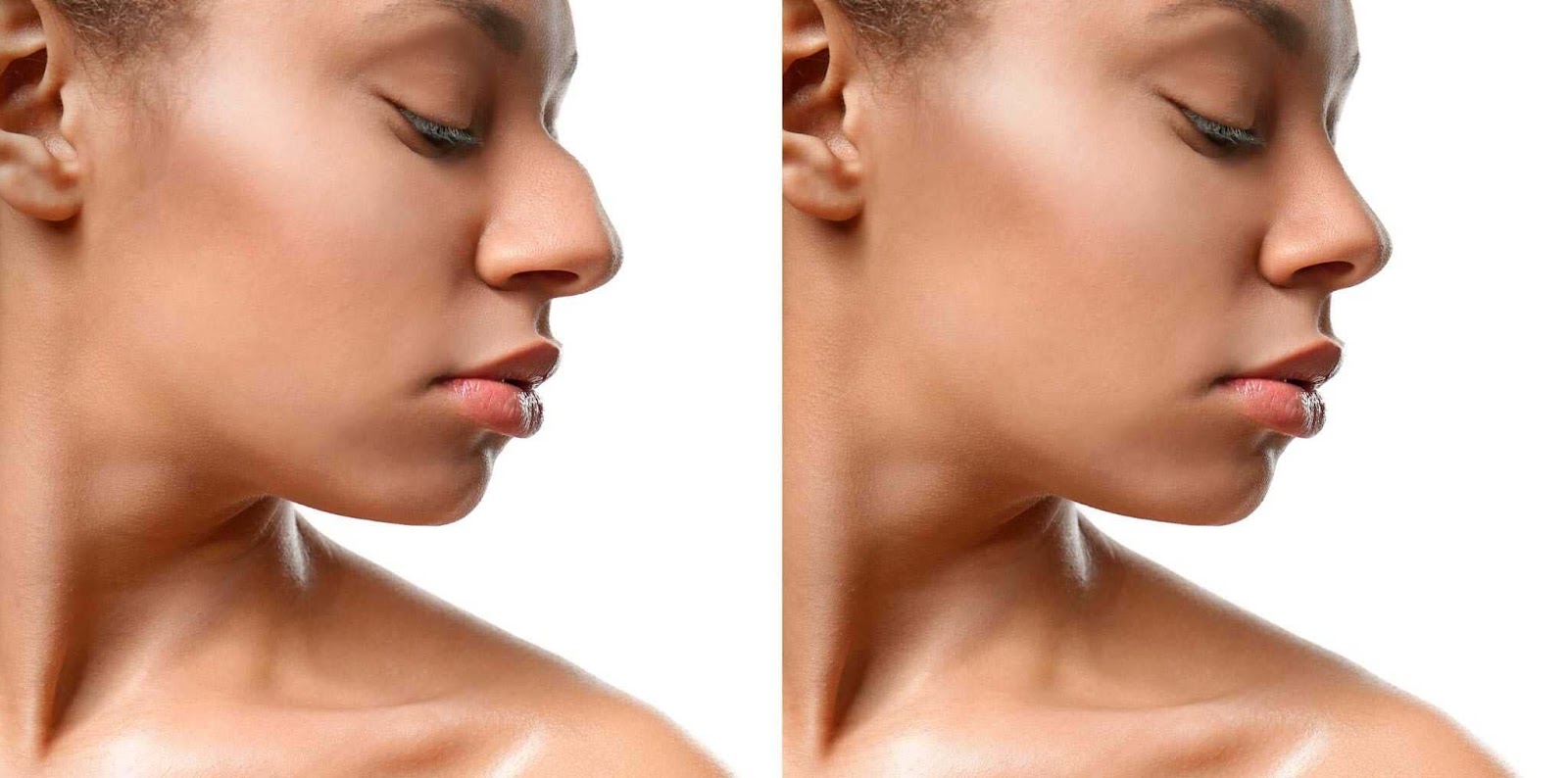
Every rhinoplasty procedure is tailored to your nose, your goals, and whether you need functional improvements. Some surgeries focus mainly on appearance, while others like tip plasty, septorhinoplasty, and revision rhinoplasty address both how your nose looks and how it works.
Here’s a closer look at the types of rhinoplasty people often have in Turkey:
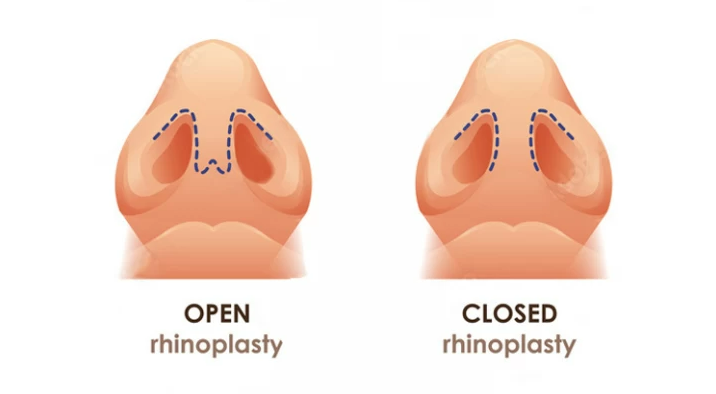
Open rhinoplasty :This Involves a small cut across the columella (the tissue between your nostrils) so the surgeon can see the whole nasal structure. This approach is best for big changes, complicated cases, or revision rhinoplasty. It gives the surgeon more control over shaping bones, cartilage, and the tip.
Closed rhinoplasty All cuts are made inside the nostrils, leaving no visible scars. It’s ideal for subtle adjustments or small refinements. Recovery tends to be faster, though the surgeon has a more limited view of the nose’s internal structure.
Tip plasty / Tip rhinoplasty / Droopy tip rhinoplasty Focuses on lifting or reshaping the tip. Perfect if your nose has a droopy tip or you just want a more refined tip. Often combined with other procedures for complete results.
Bulbous nose rhinoplasty Designed to slim down or define a rounded tip for better facial balance. Frequently paired with tip plasty for a natural-looking outcome.
Ethnic rhinoplasty in Turkey Many people come to Turkey for ethnic rhinoplasty, where surgeons work carefully to preserve your natural features while improving symmetry. Choosing the best ethnic rhinoplasty surgeon in Turkey can make a big difference in achieving results that look balanced and natural.
Revision rhinoplasty / Secondary nose job ; Done to fix or improve a previous nose surgery. More complex because of scar tissue and structural changes. Surgeons often use cartilage grafts and advanced techniques to restore both appearance and function.
Septorhinoplasty : Combines cosmetic reshaping with septoplasty to improve breathing difficulties and nasal airflow. Ideal if you want a nose that looks great and functions well.
Non-surgical / Liquid rhinoplasty : Uses fillers to adjust the nose’s shape temporarily. Great for small contour changes, but it won’t reduce the size of the nose or fix breathing problems.
Read about: what age should you get face lift
Nose Anatomy & Physiology
Before getting a rhinoplasty, it helps to understand the structure of your nose. The nose isn’t just about looks it plays a key role in breathing, airflow, and overall facial harmony. Knowing the basics also helps explain why surgeons may recommend procedures like tip plasty, septorhinoplasty, or revision rhinoplasty.
Main Parts of the Nose
Here’s a simple guide to the parts of your nose that matter for surgery:
The bridge (nasal bones) The upper part of your nose that gives it shape and structure.
Cartilage Soft tissue that shapes the tip and sides. Weak or uneven cartilage can cause a droopy tip or a bulbous nose.
Septum The wall separating your nostrils. A crooked or deviated septum can lead to breathing difficulties and is often corrected during a septorhinoplasty.
Turbinates Small structures inside the nose that help warm, filter, and direct airflow. Enlarged turbinates can affect breathing and sometimes need adjustment during surgery.
Skin and soft tissue Covers the nose and influences how the final result looks. Skin thickness can affect whether an open or closed nose job is recommended.
How the Nose Works
Your nose filters, warms, and humidifies the air you breathe. Even minor structural issues, like a deviated septum or enlarged turbinates, can cause reduced airflow, snoring, or general difficulty breathing. Cosmetic procedures often take function into account, which is why surgeons sometimes combine rhinoplasty with septoplasty into a septorhinoplasty for both aesthetic and functional benefits.
Why Anatomy Matters for Surgery?
Every nose is unique. Surgeons look at your bones, cartilage, skin, and facial proportions to decide the best approach. Understanding your nasal anatomy helps you set realistic expectations and ensures your rhinoplasty in Turkey is safe, effective, and harmonizes naturally with your face.
Read more:
Botox Nose Slimming: The Quick and Effective Solution
Rhinoplasty vs. Septoplasty: Which Surgery is Right for You?
Erin Moriarty Plastic Surgery: Truth or Just a Rumor?
Why Choose Rhinoplasty in Turkey?
Turkey, once a center of attraction during the Middle Ages for its magnificent empire and legendary tales, continues to draw attention today but now for a modern reason. It has become one of the most popular destinations for rhinoplasty (nose jobs), welcoming thousands of international patients each year seeking expert cosmetic surgery. Affordable prices, high-quality medical services, and experienced surgeons make Turkey a top choice for people from the UK, USA, Europe, and beyond.
1- Cost Comparison
One of the biggest advantages of getting rhinoplasty in Turkey is affordable pricing without compromising quality. On average:
Turkey Primary rhinoplasty costs between $2,000–$4,500, depending on the surgeon, clinic, and procedure complexity.
UK Costs typically range from £5,000–£9,000 ($6,000–$11,000).
USA Average prices are $7,000–$15,000.
Europe Prices vary by country, usually €5,000–€10,000 ($5,400–$11,000).
This means patients can often safe up to 50–70% by choosing Turkey, while still receiving care from highly skilled surgeons.
2- Surgeon Experience & Expertise
Turkish rhinoplasty surgeons often train in high-volume clinics and are skilled in complex procedures like revision rhinoplasty, ethnic rhinoplasty, tip plasty, and septorhinoplasty. Many have international certifications and years of experience performing hundreds of nose surgeries per year, making them highly capable of achieving both aesthetic and functional results.
3- Comprehensive Packages
Many clinics in Turkey offer all-inclusive rhinoplasty packages, which can include:
- Pre-op consultation and medical tests
- Surgeon and anesthesia fees
- Surgery and hospital stay
- Post-operative care and follow-ups
- Airport transfers and accommodation
These packages make traveling for surgery stress-free and convenient, especially for international patients coming from abroad.
4- Safety & Accreditation
Short answer Yes, getting rhinoplasty in Turkey is generally safe. Safety is a top priority, and most accredited clinics follow international standards to ensure high-quality care. Look for clinics with:
5- Board-certified surgeons
- Modern operating rooms and strict sterilization standards
- Positive patient testimonials and before/after galleries
- Clear pre-op consultations and informed consent
Even with cost savings, Turkish clinics maintain high medical standards, making rhinoplasty in Turkey safe and effective when you choose accredited facilities.
How much is Rhinoplasty cost in Turkey?
Thats the most frequent question that is always asked, and often the one that makes people take the next step, is the price. Who doesn’t think about it, especially these days? Whether you’re considering a simple tip refinement, a revision rhinoplasty, or an ethnic rhinoplasty in Turkey, understanding the cost helps you plan your journey with confidence.
Rhinoplasty cost in Turkey typically ranges between €5,000 and € 7,000 euros, depending on the complexity of the surgery and the surgeons expertise. This price includes high-quality medical care, advanced surgical techniques, and internationally accredited clinic standards.
For many patients, affordability doesn’t just mean saving money it means finally being able to take that long-awaited step toward feeling more confident and comfortable with their appearance.
Average Price Range
Primary Rhinoplasty (first-time surgery): $2,000–$4,500
Revision Rhinoplasty: $3,500–$6,500 (more complex and detailed work)
Closed Rhinoplasty: $2,000–$4,000 (usually lower due to less invasive access)
Liquid / Non-Surgical Rhinoplasty: $500–$1,500 (temporary filler correction)
Ethnic Rhinoplasty in Turkey: $2,500–$5,000 depending on surgeon skill and technique
Prices vary by clinic, surgeon reputation, and what’s included in your package — Istanbul often offers the widest selection.
What’s Usually Included in a Rhinoplasty Package
When you travel for rhinoplasty in Turkey, most clinics simplify the process with all-inclusive packages designed for international patients. These often include:
- Pre-op consultation and necessary medical tests
- Surgeon and anesthesia fees
- Use of a modern, accredited operating facility
- Post-operative care and follow-up visits
- Airport transfers and hotel accommodation in some cases
This streamlined approach reduces stress and helps patients focus entirely on their recovery and results.
If you want a personalized quote based on your anatomy and procedure type (open, closed, or revision), International Clinics can provide one-on-one guidance and transparent cost breakdowns.
You can even read verified Google Reviews to see how other international patients rated their experience.
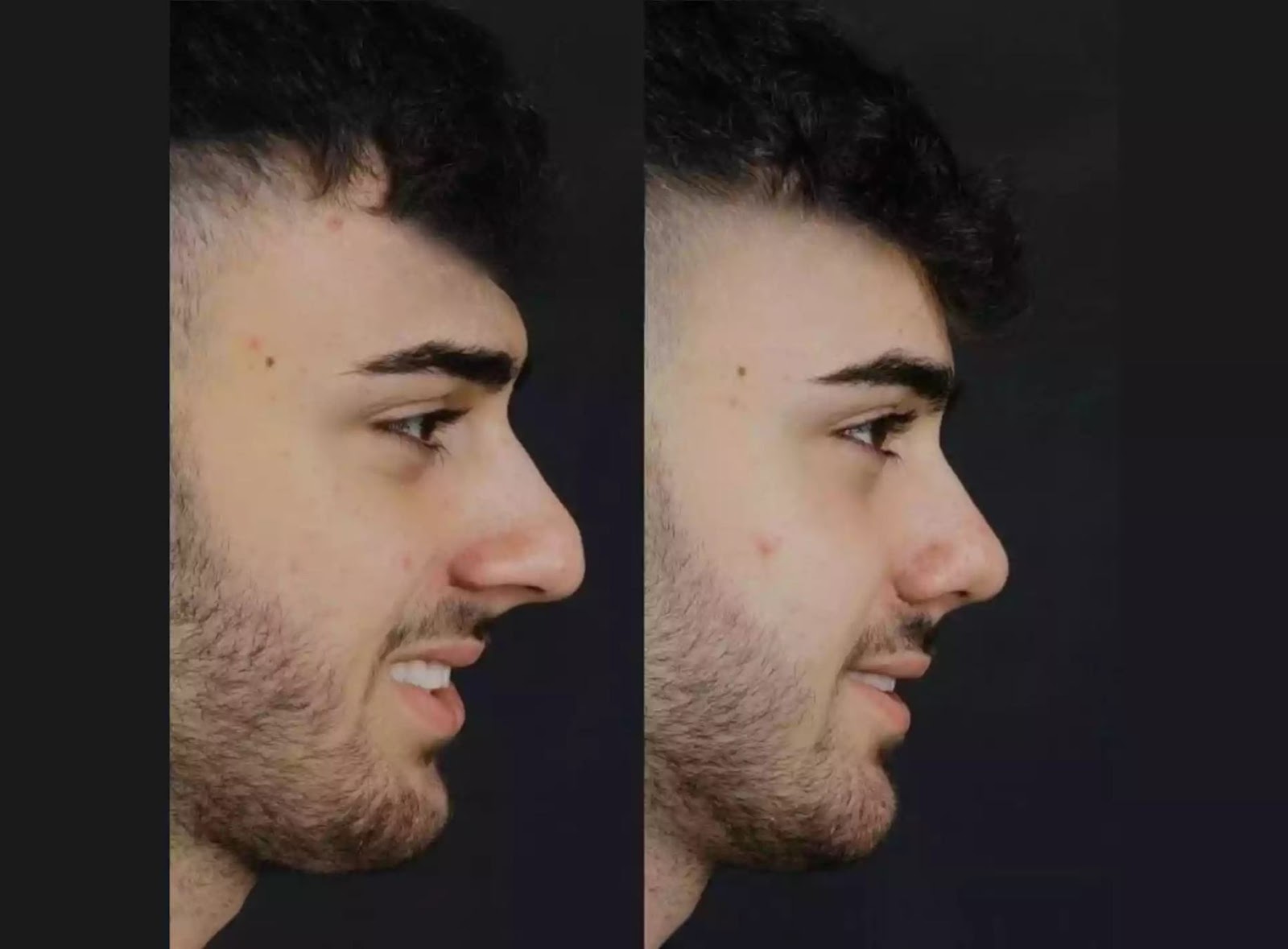
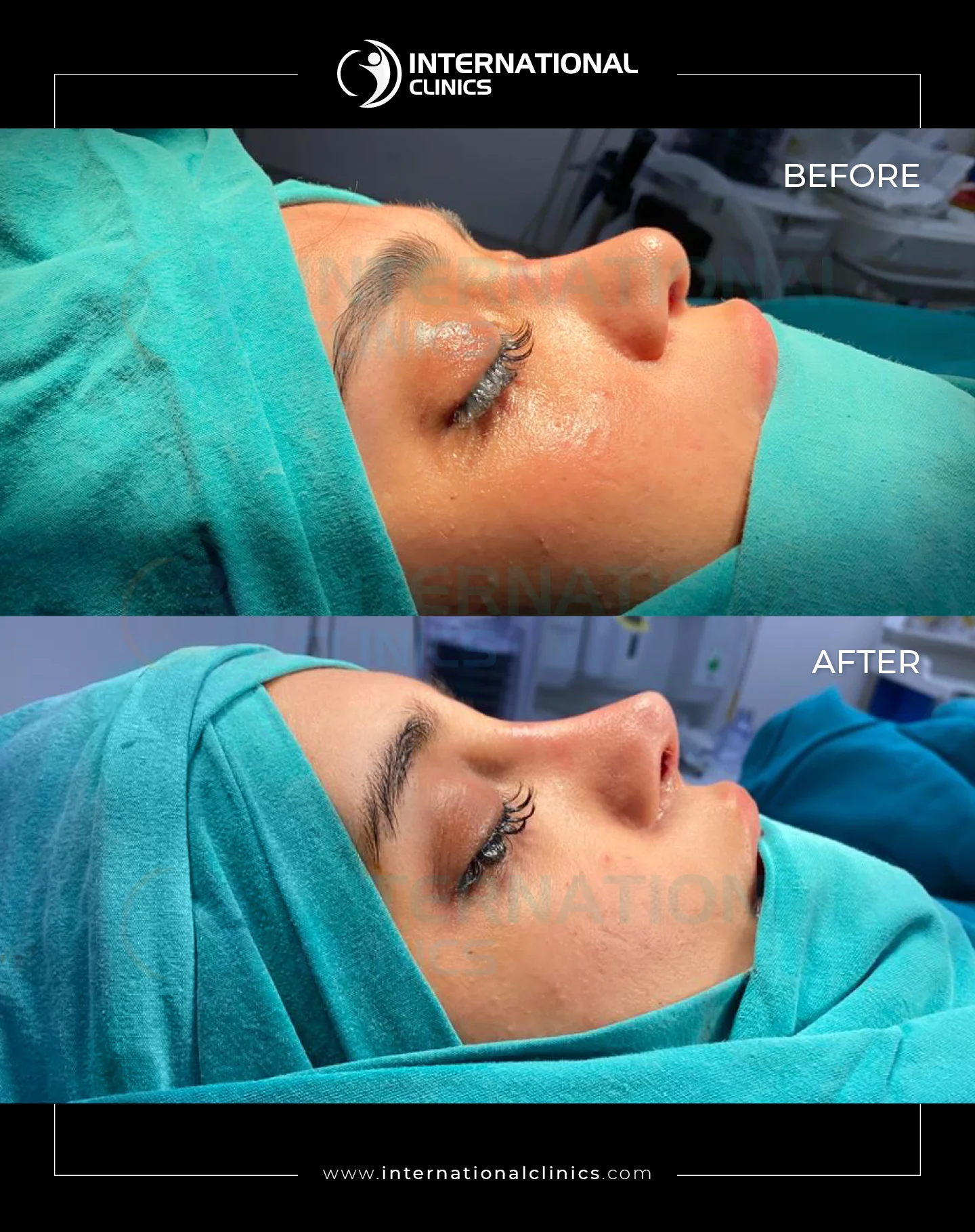
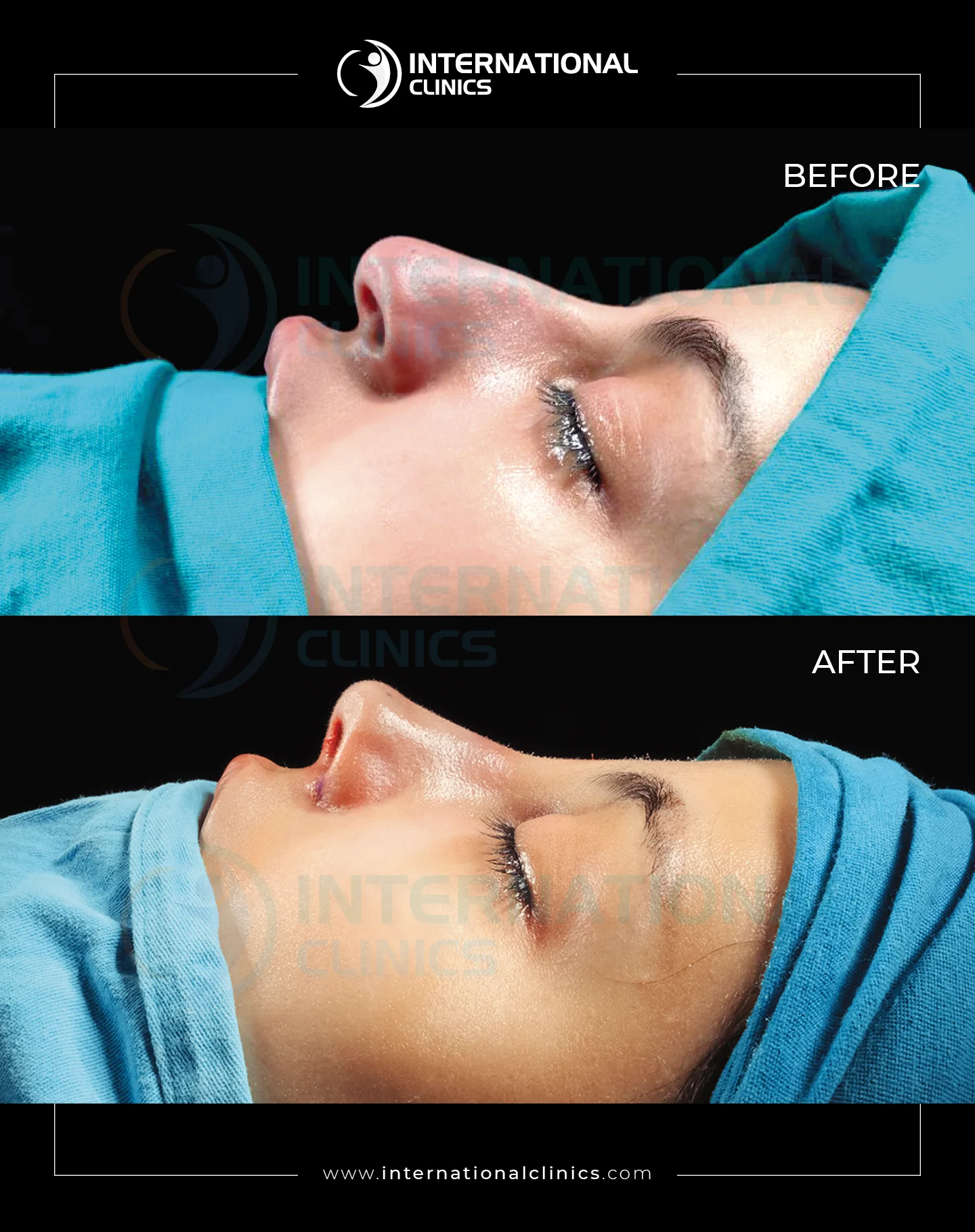
Rhinoplasty before and after Images
Our Result
Factors That Can Affect the Cost
While the base price gives you an idea, several elements can raise or lower the overall cost of rhinoplasty in Turkey:
The surgeon’s level of experience and international recognition
Type of procedure open, closed, tip plasty, revision, or septorhinoplasty
Clinic location (Istanbul, Ankara, Izmir, or Antalya)
The complexity of the nose shape and breathing structure
Additional services like accommodation, private nurse, or translation support
These factors explain why two clinics might quote different prices even for similar cases.
Rhinoplasty Cost Comparison: Turkey vs. UK, USA & Europe
It’s easy to see why so many patients travel to Turkey for rhinoplasty. Costs are typically 50–70% lower than in the UK or the USA without compromising on medical standards or results.
Country | Average Rhinoplasty Cost | Average Revision Rhinoplasty Cost | Notes |
Turkey | $2,000–$4,500 | $3,500–$6,500 | Includes packages and aftercare |
United Kingdom (UK) | £5,000–£9,000 | £8,000–£12,000 | Often excludes accommodation and recovery costs |
United States (USA) | $7,000–$15,000 | $10,000–$20,000 | Prices vary by city and surgeon prestige |
Europe (average) | €5,000–€10,000 | €8,000–€12,000 | Western Europe tends to be higher than Eastern Europe |
While prices are significantly lower in Turkey, it’s not just about cost. Patients also value the experience of Turkish surgeons, modern hospitals, and packages that cover every step making the overall experience both affordable and convenient.
Best Rhinoplasty Surgeons & Top Clinics in Turkey
Picking the right surgeon honestly, it’s almost as important as the surgery itself. Turkey has so many talented surgeons, and if you’re looking for a nose job, you really want someone who knows their stuff, has done it a hundred times, and can balance aesthetics with breathing. Finding the best rhinoplasty surgeon in Turkey isn’t just about fancy titles or photos — it’s about feeling comfortable, trusting them, and knowing you’re in good hands.
What Makes a Rhinoplasty Surgeon Truly Great
Not all surgeons are the same, and what’s “best” can depend on what you need. Here’s what most patients notice matters:
Training and certification Make sure they’re board-certified in plastic surgery or ENT and actually have a ton of rhinoplasty experience.
Experience matters Especially for tricky cases, like revision rhinoplasty, ethnic rhinoplasty, or septorhinoplasty to improve airflow.
Seeing is believing Check before/after photos, but remember, everyone’s nose is different. Look for consistency, not perfection.
Communication counts The surgeon should actually listen to what you want, set realistic expectations, and explain things in plain English.
Follow-up care Good surgeons check in, not just on day one but weeks later, to make sure everything’s healing right.

Top Clinics in Turkey for Rhinoplasty
There are loads of clinics in Istanbul and other cities, some better than others it’s a bit of a jungle if you don’t know where to look. A good clinic usually ticks these boxes:
Accredited by the Turkish Ministry of Health or international boards
Uses modern imaging or 3D simulation tools
Hospital-grade operating rooms that feel safe and clean
Staff that speak English and help international patients feel at home
Transparent pricing no hidden surprises
International Clinics is one of the names that keeps popping up for good reason. They work with experienced surgeons, have advanced imaging tech, and support patients in multiple languages. If you want, you can check Google Reviews real patients, real stories, not just marketing fluff.
Little nudge: “It’s always a good idea to look at reviews and maybe even ask for a short call with the clinic seeing it for yourself makes all the difference.”
Top 10 Rhinoplasty Surgeons in Turkey
Everyone searches for the “top 10” list, right? It’s tempting, but it can be misleading. Instead, focus on:
Who has actually done the kind of surgery you want ethnic, revision, droopy tip, tip plasty, or septorhinoplasty
Real results before/after photos that aren’t heavily edited
Surgeon’s approach: are they aiming for dramatic change, or a more natural look?
Remember, a personalized consultation will tell you far more than a list ever could.
Patient Reviews, Reddit & Forum Insights
Real patient experiences can give you a clearer picture than before-and-after photos alone. Many international patients check Google Reviews, Reddit, RealSelf, and independent forums to learn about surgeons, clinics, and recovery.
Look for patterns: How’s communication? Was aftercare thorough? Did the results match expectations? Minor complaints are normal, no surgery is perfect.
Forums discussing rhinoplasty in Turkey often highlight surgeon experience, common risks like language barriers, and share before-and-after photos.
Combine online feedback with a direct consultation to make the best decision.
Tip: Reviews are guidance, not guarantees. Every nose, procedure, and recovery journey is unique. Checking multiple sources gives a well-rounded perspective
Celebrity Rhinoplasty stories
Many celebrities have undergone rhinoplasty, commonly called a “nose job,” either for cosmetic or functional reasons. While results vary based on anatomy and surgeon skill, these examples help illustrate what’s possible:
Jennifer Aniston subtle refinements to maintain a natural look
Rhinoplasty for breathing issues (some athletes and singers have had functional adjustments combined with aesthetic changes)
Zac Efron minor tip adjustments reported for cosmetic balance
Scarlett Johansson tip and bridge refinement to enhance symmetry
Tip: These are just examples to show trends and possibilities. Every patient’s nose and goals are unique.
Dive Deeper:
- guide on plastic surgery in Turkey
- Hispanic wide nose rhinoplasty
- Nose tip surgery: 2026 Procedure & Recovery result
- Istanbuls Premier Revision Rhinoplasty Specialists: Precision Meets Artistry
- New Year in Turkey: Fireworks, Traditions & Exclusive Plastic Surgery Offer
Revision Rhinoplasty & Ethnic Rhinoplasty in Turkey
Sometimes, the first nose surgery doesn’t turn out exactly how you imagined or maybe your goals just changed over time. That’s where revision rhinoplasty comes in. And then there’s ethnic rhinoplasty, which is all about enhancing your features while keeping what makes you you. Both procedures need a surgeon who really understands the balance between how your nose looks and how it works.

Revision Rhinoplasty
Revision surgery is trickier than a first-time nose job. Scar tissue, previous changes, and delicate cartilage mean the surgeon has to plan very carefully.
Why people go for revisions: Maybe the tip droops a bit, the nose looks uneven, or breathing feels harder than it should. Sometimes it’s just a little tweak to get it right.
Cost and complexity: Revisions usually cost more than the first surgery. Surgeons may need extra grafts from your septum, ear, or rib to rebuild structure.
Choosing the right surgeon: For a revision, experience is everything. Look for someone who has done lots of revision cases, and don’t hesitate to ask for before-and-after photos. A good surgeon will tell you honestly what’s realistic.
Think of revision rhinoplasty like giving your nose a second chance but you really want the best hands guiding it.
Ethnic Rhinoplasty in Turkey
Many patients choose ethnic rhinoplasty in Turkey because surgeons here know how to enhance symmetry while keeping your natural identity intact. The goal isn’t to erase your features, it’s to make your nose fit your face in the most natural way.
Why it matters: Every face is different. Your ethnicity, bone structure, and nasal shape all matter. A generic approach just won’t look right.
Choosing the right surgeon: Find someone experienced with your specific ethnic profile. Their portfolio should show natural, consistent results noses that look like the person, just better.
Cost: Usually a bit higher than standard rhinoplasty, depending on the complexity and surgeon’s expertise.
The best result is a nose that feels like yours just refined.
Functional Considerations: Breathing & Septorhinoplasty
Not every nose surgery is purely cosmetic. Some patients have trouble breathing or structural issues. That’s where septorhinoplasty comes in it combines cosmetic improvement with fixing the septum.
Improves airflow and can make breathing easier
Often combined with tip plasty or other cosmetic refinements
Surgeons in Turkey are experienced at balancing looks and function in one procedure
It’s reassuring to know your nose can look great and work well.
Safety, Risks & Malpractice: What You Need to Know
Thinking about rhinoplasty can feel exciting but it’s completely normal to have a few worries about safety. The good news? Getting rhinoplasty in Turkey is generally safe, especially when you choose an experienced surgeon and an accredited clinic. Like any surgery, there are potential side effects and rare complications, but most patients recover smoothly when they follow pre- and post-operative guidance.
Common Side Effects
These are effects almost every patient experiences to some degree:
- Swelling and bruising caused by minor tissue trauma and inflammation; most noticeable in the first 2–3 days and gradually improves over 2–4 weeks. Some subtle swelling, especially at the tip, can persist for up to a year.
- Mild pain or discomfort usually managed with prescribed painkillers. Temporary numbness around the nasal tip or upper lip can occur due to nerve irritation.
- Minor bleeding (epistaxis) slight oozing is common in the first 24–48 hours.
- Nasal congestion swelling inside nasal passages can temporarily make breathing feel harder.
- Tenderness and stiffness cartilage and soft tissue may feel firm as they heal.
Tip: Following post-op instructions like saline sprays, avoiding trauma, and resting helps reduce these effects.
Less Common Side Effects
Less frequent but important to know:
- Infection rare if proper sterile techniques and aftercare are followed.
- Scarring usually minimal; open rhinoplasty can leave a small external scar.
- Persistent asymmetry or irregularities minor unevenness is common; major irregularities are rare and may need revision.
- Functional issues over-resection of cartilage or internal changes can rarely cause long-term breathing problems.
- Skin changes temporary numbness, tingling, or discoloration may occur as nerves recover.
Malpractice and How to Reduce Risk
Yes, cases of malpractice do occur, and they can involve issues like poor aesthetic results, breathing difficulties due to excessive cartilage removal, or lack of informed consent. While rare in accredited clinics, it’s important to be aware of them.
Here’s how to reduce risk:
Check credentials carefully board certification, ENT/plastic surgery training, and extensive rhinoplasty experience
Look at real patient reviews not just marketing photos; check Google Reviews and independent forums
Get a second opinion if something feels uncertain
Ask questions about complication rates, post-op care, and follow-up procedures
Being proactive and informed goes a long way toward a safe and satisfying experience.
Why Surgery Is Generally Safe in Turkey
Accredited hospitals with modern operating rooms
Experienced surgeons skilled in both cosmetic and functional rhinoplasty
Packages often include post-op care and support for international patients
Surgeons combining aesthetics and function, e.g., septorhinoplasty, for better breathing
With the right preparation and clinic choice, most patients experience smooth recovery and excellent results.
How to Prepare for Rhinoplasty in Turkey
Getting ready for your rhinoplasty doesn’t have to be stressful a little preparation goes a long way in making your experience smooth and comfortable. Here’s how to plan:
Choosing Your Clinic & Surgeon
Look for accredited clinics with experienced surgeons who specialize in your procedure type whether tip plasty, revision rhinoplasty, ethnic rhinoplasty, or septorhinoplasty.
Check Google Reviews and independent forums to see what real patients say about their experiences. Don’t rely solely on before-and-after photos read about recovery, communication, and overall satisfaction.
Ask about the surgeon’s experience, the number of surgeries performed each year, and their approach to both aesthetics and function.
Pre-Operative Medical Checks
Complete any recommended blood tests, ECGs, or other assessments.
Consult with your surgeon, provide a detailed medical history, and follow all their instructions, especially regarding medications and supplements.
Disclose all medications, supplements, and medical conditions to ensure your safety.
Stop smoking or reduce alcohol intake as instructed it helps with healing.
Tip: Being thorough and honest with your medical information allows your surgeon to plan precisely and reduces the risk of complications.
Travel & Logistics
Plan to stay in Turkey for the recommended recovery period usually 7–14 days for primary rhinoplasty, longer for revision cases.
Organize accommodation and post-op transport; many clinics include airport transfers or hotel bookings in rhinoplasty packages.
Pack essentials like saline sprays, soft clothing, and a travel pillow for comfort during your flight home.
Recovery Timeline & Aftercare
Healing after rhinoplasty is a journey every patient’s experience is a bit different. Knowing what to expect makes recovery less stressful.
Days 0–7: Immediate Post-Op
Your nose will be supported with a splint and dressings.
Swelling and bruising are normal and usually peak in the first 2–3 days.
Mild to moderate discomfort is common and managed with prescribed pain medication.
Keep your head elevated when resting to reduce swelling.
Avoid touching or bumping your nose even gentle pressure can affect results.
Tip: Ice packs on your cheeks (not directly on the nose) can help reduce swelling and discomfort.
Weeks 2–4: Early Recovery
Swelling and bruising continue to decrease, revealing a more natural nose shape.
Light activities are usually okay, but avoid strenuous exercise or contact sports.
Nasal congestion improves gradually as internal swelling subsides.
Any dissolvable stitches are usually absorbed, or your surgeon will remove them during follow-up.
Be careful with glasses or sunglasses; even light pressure can irritate healing tissue.
Months 3–12: Long-Term Healing
Most swelling resolves, but subtle changes, especially at the tip, can continue for up to a year.
Final contour and shape gradually emerge patience is key.
Regular follow-ups ensure proper healing and help detect any issues early.
Tip: Protect your nose from trauma, sunburn, and heavy exercise until your surgeon clears you. Think of these months as letting your nose “settle” into its final shape.
Practical Aftercare Tips
Use saline sprays as recommended to keep nasal passages moist.
Avoid smoking and alcohol during recovery.
Sleep with your head elevated for the first couple of weeks.
Follow all instructions regarding medications and supplements carefully your surgeon’s guidance is crucial.
Don’t hesitate to contact your surgeon if anything feels unusual or concerning.