Vasectomy reversal (vasovasostomy) is a microsurgical operation that rejoins the two ends of the vas deferens divided during a previous vasectomy. The aim is to let sperm pass into the semen again, restoring the possibility of natural conception.
It is usually performed under general or spinal anaesthesia. Through a small scrotal incision the surgeon exposes the vas and examines fluid from the testicular end; if sperm are present, the ends are joined with sutures finer than a hair under the operating microscope, and if not, the vas may be connected directly to the epididymis instead.
Surgery usually takes two to four hours, with discharge the same day or after one night. Scrotal support is advised, and exertion and intercourse are avoided for a few weeks as the doctor directs. The final result is clear when sperm reappear on semen analysis, which can take from a few months up to a year.
The final cost is set after a medical consultant reviews your case and photos.
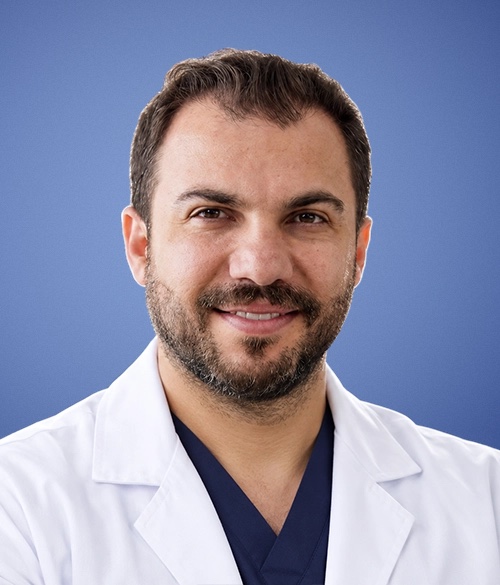

Assoc. Prof. Dr. Zülfü Sertkaya is an Istanbul urologist who focuses on andrology. He graduated from Gazi University Faculty of Medicine in 2008, completed his urology residency at Haydarpaşa Numune Training and Research Hospital in 2014, and holds the FEBU title (2017). He worked at state, university and private hospitals, including Memorial Diyarbakır and Başakşehir Çam and Sakura City Hospital. Since 2022 he has run his own clinic in Zeytinburnu, focusing on penile prosthesis, Peyronie's disease, premature ejaculation and male infertility.
Our medical consultants review all requests regularly, every three hours.
Get a free consultation and answers to all your questions by completing the form below
It offers the chance of natural pregnancy without ongoing reliance on assisted reproduction, and if successful may allow more than one pregnancy.
Men who have had a vasectomy and wish to father children again, after assessing the partner's fertility and age and the time since vasectomy.
Blood tests and an anaesthetic assessment are done, and assessing the partner's fertility is advisable. Never stop any medicine, such as blood thinners, on your own; the doctor decides.
The surgeon exposes both ends of the vas through a small incision, checks the fluid and joins them in fine layers of sutures under magnification.
Anaesthesia prevents pain during surgery; afterwards pain is moderate and controlled with prescribed painkillers and cold packs in the first days.
Most men return to desk work within days; heavy lifting, intense sport and intercourse are usually avoided for two to three weeks, or as advised.
Semen analysis is usually requested about two months after surgery and then at intervals; sperm may return within months, while pregnancy can take longer.
Bleeding, haematoma or infection can occur, and the join may narrow later and block again. Neither the return of sperm nor pregnancy can be guaranteed.
Yes; the longer since vasectomy, the more likely a connection to the epididymis is needed, which the surgeon judges during the operation.
Staying three to five days after surgery for a wound check before flying is usually advised; your doctor confirms when travel is safe.