Definition

”

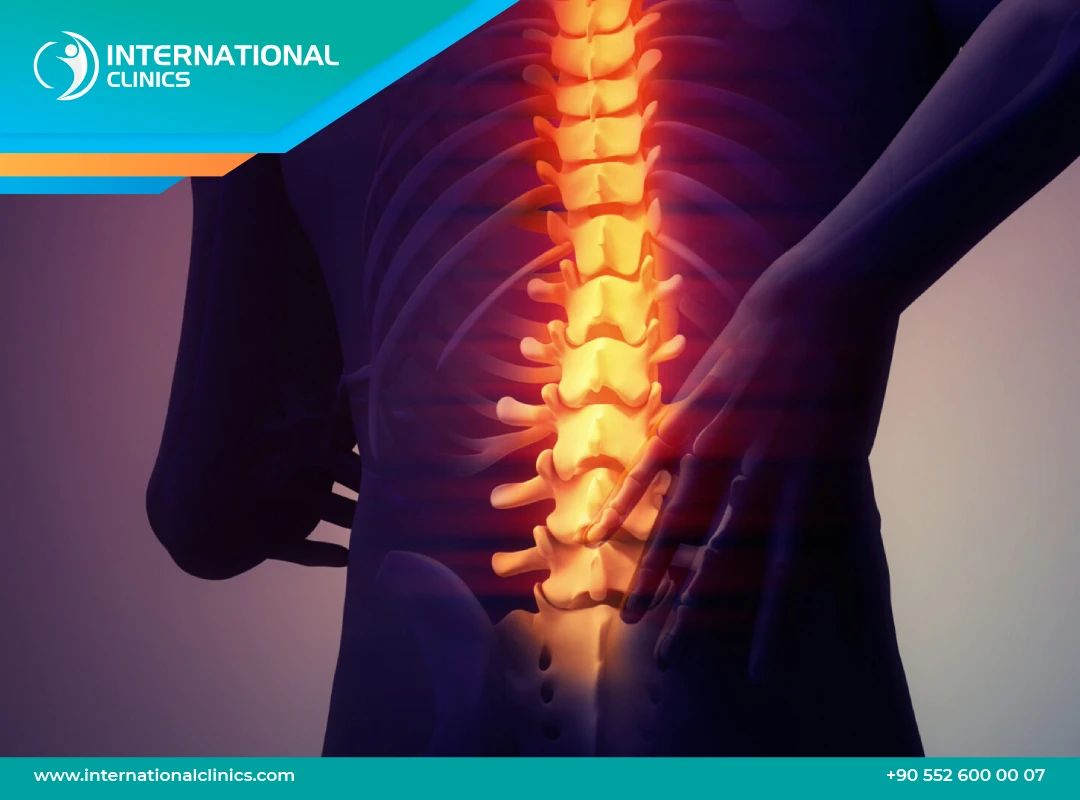
Spinal tumor surgery removes a mass growing in or around the vertebrae or inside the spinal canal, whether benign, malignant or spread from another organ. Its aim is to relieve pressure on the spinal cord and nerves, protect their function and keep the spine stable. The team decides how much to remove according to the tumor's type and position, and surgery does not guarantee a cure.

Under general anesthesia, the surgeon usually reaches the tumor from the back, sometimes from the front, while nerve function is monitored. The tumor is removed completely or in part with great care to protect the spinal cord, and the vertebrae may be stabilized with screws and rods. A sample goes for pathology, and radiation or drug treatment may follow.

The operation takes several hours, followed by days in hospital and weeks of rehabilitation. Symptoms usually improve gradually over weeks to months, and the outcome depends on the tumor type and the condition of the nerves before surgery, with regular follow-up MRI.

Prices

Spinal tumor resection

Price based on your case
Share your case

The final cost is set after a medical consultant reviews your case and photos.

Articles

Free Consultation

Get a Free Quote

Our medical consultants review all requests regularly, every three hours.

  • Free Medical Consultation
  • Verified Specialist Doctors
  • 24/7 Fast Response

Let us contact you

Get a free consultation and answers to all your questions by completing the form below


Brain and Nerve Surgery (Neurosurgery)
Advanced Endoscopy Center
Aesthetic & Plastic Surgeries
Algology (Pain) Clinic
Andrology
Anesthesia and Reanimation
Audiology
Bariatric Surgery Center
Biochemistry
Bone Marrow Transplantation
Brain and Nerve Surgery (Neurosurgery)
Breast Health Center
Breast Surgery
Cancer (Oncology) Center
Cardiology
Cardiovascular Surgery (CVS)
Check Up Center
Chest Diseases (Lung Diseases)
Child and Adolescent Psychiatry
Child and Adolescent Psychology (Pedagogy)
Coronary Intensive Care Unit (CCU)
Cosmetic Dermatology (Cosmetology)
Ear Nose Throat Diseases
Endocrine Surgery
Endocrinology and Metabolic Diseases
Endometriosis Center
Esophageal Diseases Center
Eye Diseases
Gastroenterology
Gastroenterology Surgery
Gastrointestinal Oncologic Surgery Center
General Intensive Care
General Surgery
Genetic Diseases Evaluation Center
Geriatrics (Old Age Health) Department
Gynecologic Oncology (Women's Cancers)
Gynecology and Obstetrics
Hair Transplant
Hematology
Home Care and Health Services
Immunology and Allergic Diseases
Infectious Diseases and Clinical Microbiology
Internal Medicine (Internal Medicine)
Interventional Neuroradiology
Interventional Radiology
IVF and Reproductive Health Center
Kidney Transplant Center
KVC Intensive Care Unit
Liaison Psychiatry
Liver Transplantation Center
Liver-Pancreas-Gallbladder and Pathways (HPB) Center
Lung Nodule Center
Manual Medicine
Medical Oncology
Microbiology Laboratory
Muscle and Nerve Diseases Center (Neuromuscular Diseases)
Neonatal Intensive Care Unit (Neonatology)
Nephrology
Neurology
Nuclear Medicine
Nutrition and Diet
Oncological Surgery Center
Oral and Dental Health
Organ Transplantation Center
Orthopedics and Traumatology
Pathology
Pediatric Allergy
Pediatric Bone Marrow Transplant Unit
Pediatric Cardiology
Pediatric Cardiovascular Surgery
Pediatric Chest Diseases
Pediatric Development
Pediatric Endocrinology
Pediatric Gastroenterology
Pediatric Hematology
Pediatric Infectious Diseases
Pediatric Nephrology
Pediatric Neurology
Pediatric Oncology
Pediatric Physical Therapy and Rehabilitation Center
Pediatric surgery
Pediatric Urology
Pediatrics
Perinatology (High Risk Pregnancies)
Physical Medicine and Rehabilitation
Proctology Center (Hemorrhoid and Anorectal Diseases Unit)
Psychiatry
Psychology (Clinical)
Radiation Oncology (Radiotherapy)
Radiology
Respiratory Physiotherapy
Rheumatology
Robotic Orthopedic Surgery (Robotic Prosthesis Surgery)
Robotic Rehabilitation Center
Robotic Surgery Center
Skin and Venereal Diseases (Dermatology)
Sleep Disorders Center
Smoking Cessation Clinic
Spine Center (Spine Surgery)
Stroke and Brain Injury Rehabilitation Center
Test-Tube Babies (IVF)
Thoracic Surgery
Undiagnosed Diseases Center
Urinary Tract
Urology
Spinal tumor resection
Select Treatments ...


✓
Success!
Your message has been sent successfully. We will contact you soon.

Frequently Asked Questions

What are the benefits of spinal tumor surgery?

It may relieve pain and pressure on the spinal cord and nerves, and it may preserve or improve mobility and bladder control. It also allows the tumor type to be identified precisely. The benefit varies with the type and location of the tumor and with the patient's condition.

Who needs this operation?

Surgery is considered for people whose tumor presses on the spinal cord or nerves, causes severe pain or makes the spine unstable, and who can tolerate anesthesia and surgery. The decision is made by a multidisciplinary team that includes a spine surgeon, oncologists and radiologists.

How do I prepare for the operation?

You will have blood tests, MRI and CT imaging, and sometimes a study of the tumor's blood supply, together with a heart and lung assessment. Do not stop blood thinners or any other medicine on your own; this decision belongs to your doctor.

How is the operation performed?

After general anesthesia, the surgeon reaches the tumor from the back or the front and removes it while monitoring nerve function to protect it. The vertebrae are stabilized with screws and rods if needed, and the tumor is sent for pathology.

What does recovery involve?

Patients usually stay in hospital for several days and may begin sitting and walking with a physiotherapist. Rehabilitation takes weeks to months, and heavy lifting and deep bending are generally avoided until your doctor allows them.

When do results appear and how long do they last?

Pain may ease early, while strength and sensation improve slowly over months and may not return fully to how they were. How long the result lasts depends on the tumor type, and regular imaging is needed to detect any recurrence.

What are the possible risks and complications?

They include bleeding, infection, cerebrospinal fluid leak, and injury to the spinal cord or nerves, which can cause weakness, numbness or bladder problems and, rarely, paralysis. The spinal fixation may fail or the tumor may return. Your surgeon will explain the risks that apply to you.

Can the tumor be removed completely?

That depends on its type, its position and how close it lies to the spinal cord and nerves. Complete removal may be possible for some benign tumors, while in other cases the goal is partial removal to relieve pressure, followed by other treatment.

Will I need additional treatment after surgery?

The team may recommend radiation, chemotherapy or targeted therapy depending on the pathology results, along with physiotherapy and rehabilitation. The decision is individual and is made after discussing your case.

How many days should I stay before traveling after surgery?

A stay of at least 10 to 14 days is usually advised, and it may be longer depending on your neurological condition and rehabilitation progress. Your treating doctor confirms the travel date and the precautions to take.

×
Get a Free Consultation

Our commitments to you

  • Reliable care at accredited, contracted institutions
  • A clear price agreed before you travel, with no hidden costs
  • Full medical support with professional interpreters
  • Clear treatment plans and follow-up to international standards
  • Personal assistance throughout your treatment journey
  • Complete confidentiality for all your medical information
✓
Success!
Your message has been sent successfully.
Chat with us
1 WhatsApp