
- A Brief Overview of the Spine: Structure and Function
- Spinal Cord Injury: Causes and Diseases
- Treatment Options for Spine Diseases
- What is Spine Surgery?
- When is Spine Surgery Necessary? Are You a Candidate?
- How is Spine Surgery Done? 6 Types of Spinal Surgeries
- Decompression Spine Surgery
- Spinal Fusion Surgery
- Removal of Tumor Masses or Compressing Structures
- Dilation of A Narrowed Spinal Canal:
- Spinal Reconstruction Surgery
- Revision Spine Surgery
- Types of Spinal Surgeries According to Spine Location
- Cervical spine surgery:
- Lumbar spine surgery:
- Sacral spine surgery
- Spine Surgery Techniques: Traditional vs. Modern
- Traditional Spine Surgery
- Minimally Invasive Spinal Surgery: Modern Technology
- Minimally Invasive Spinal Surgery Techniques
- Endoscopic Spine Surgery
- Laser Spine Surgery
- Robotic Spine Surgery:
- Spinal Cord Surgery Risks and Complications
- Recovery From Spinal Cord Surgery
- The Role of Skilled Surgeons and Robotic Technologies in Spinal Cord Surgery in Turkey
- Cost of Spine Surgery in Turkey and International Comparison 2026
- Medical Insurance, Surgical Codes, and Spine Surgery Abroad
- Why Choose Turkey / Summary
- FAQs: Spine Surgery in Turkey
Spinal surgery is considered a rescue operation and is the best choice for many patients suffering from chronic back pain and spine deformities associated with a poor lifestyle.Turkey has become a top destination for international patients seeking spine surgery, offering highly skilled surgeons, JCI-accredited hospitals, and affordable surgery packages starting from $3,000 USD, compared to $30,000 in the USA and $10,000+ in Germany. Patients can also request a free consultation or direct price without commission to plan their treatment effectively Even celebrities as,like Tiger Woods and Peyton Manning, and entertainers like Bono and Harrison Ford they did undergo spinal surgery.
However, the biggest drawback is the high risk involved.A minor mistake during or after the surgery can lead to dramatic consequences, potentially resulting in permanent disability or even death.
Thanks to modern technology, such as robotic-assisted spine surgery, navigation guided spinal procedures, and laser spine surgery, surgeons can now minimize risks and complications, increasing success rates and improving patient outcomes, even highly skilled surgeons can now perform these high-risk surgeries with minimized risks and complications, leading to higher success rates.
Through this article, we will break down all the conditions requiring spinal surgery and explain how combining surgical expertise with advanced technology has paved the way for a promising future of safe, effective, and life-changing spine surgeries.Whether you are searching for back surgery Turkey, get your spine fixed, or advanced endoscopic spine surgery, this guide covers the options, risks, recovery, and cost considerations for patients worldwide
To better understand how spinal surgery could work for your individual condition, feel free to contact us at International Clinics in Turkey.
Our highly qualified surgeons will guide you toward the best treatment option tailored to your needs.Spine Surgery in Turkey, Lumbar Open Spine Surgery, or Robotic Spine Surgery Packages.
Discover: Spine Surgery in Turkey or Lumbar Open Spine Surgery

A Brief Overview of the Spine: Structure and Function
What is the spinal cord and why does it have its specific importance?
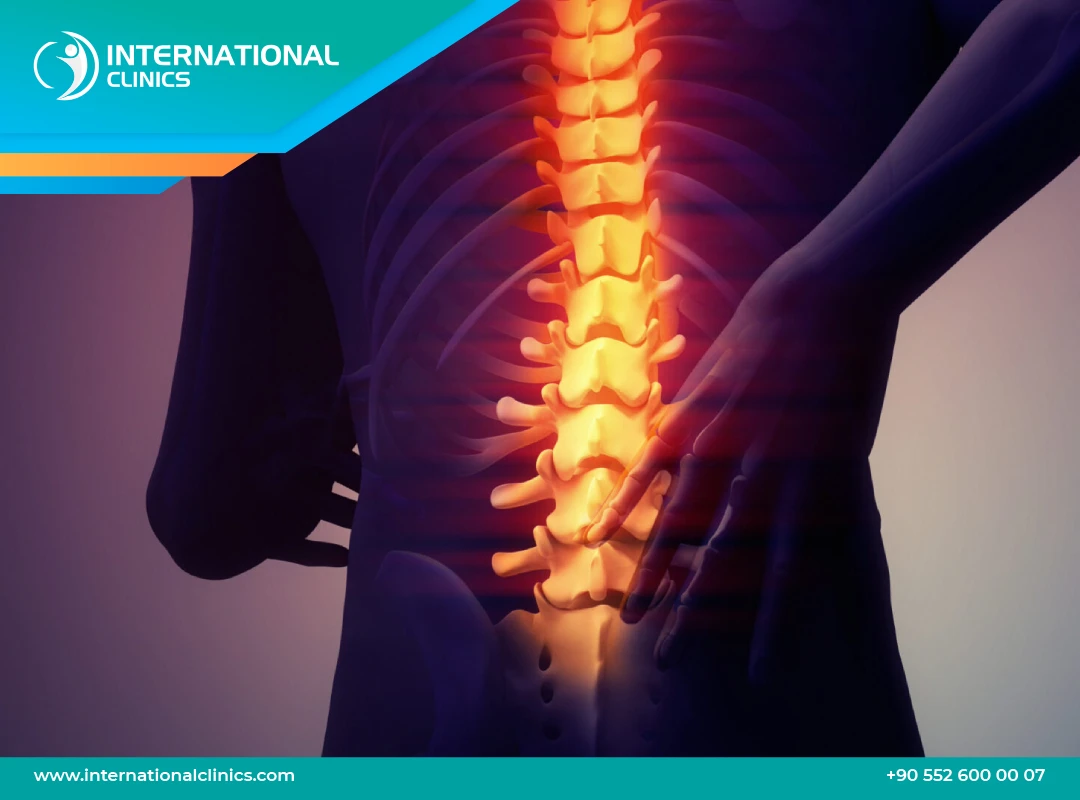
The spine is the long structure that runs along your back from your neck to your lower back.
spine structure consists of 33 bony vertebrae separated by flexible cartilage discs, which contain a soft, gel-like substance that helps absorb shock and protect vertebrae from friction against each other
While a bony structure provides desired stiffness and strength, cartilages give the spine flexibility to move freely within acceptable limits, and the contents of discs play a vital role in protecting the entire spine from friction and nerves from compression.
The spinal cord is one of the most vital parts of your central nervous system, it runs along the spine length carrying essential nerves that transmit signals between your brain and various body parts.
The spinal cord is housed within the spinal canal, which protects the spinal cord and its nerves from injuryThink of your spine like a flexible column. Spine surgery in Turkey can repair, stabilize, or replace damaged segments, restoring mobility, reducing pain, and improving overall quality of life.For patients seeking spine surgery in Turkey, understanding spinal anatomy helps explain why procedures such as discectomy Turkey, spinal fusion Turkey, and disc replacement Turkey are critical for restoring mobility and alleviating pain.
Discover more options:
Minimally Invasive Spine Surgery
Spinal Cord Injury: Causes and Diseases
Spinal cord injuries can occur for various reasons, including:
- Congenital conditions (present at birth), such as scoliosis
- Degenerative diseases like herniated discs
- Age-related conditions like vertebral osteoarthritis
- Spinal cord injuries secondary to accidents, tumors, and infections
- PLUS OTHER Factors like lifestyle, weight, and physical activity also impact spinal health.
These injuries can affect any area of the spine, with varying levels of severity and different accompanying symptoms, which, in turn, influence treatment options.
Factors such as age and sex are important in determining the type and progression of these conditions. For example, degenerative diseases tend to progress more rapidly in older individuals.
Lifestyle factors, such as physical activity levels, weight, and even social stressors, can contribute to the overall health of the spine by placing additional stress on its structure.
Treatment Options for Spine Diseases
The variety of treatment options allows your doctor to choose the most effective and safe approach to alleviating symptoms and addressing the underlying cause with minimal associated risks and side effects.
These options include:
Non-surgical medications: These medications primarily help reduce pain, numbness, and other associated symptoms. While they are usually unable to reverse the condition or address the primary cause, they may be beneficial in treating secondary causes, such as infections or tumors.
Physiotherapy, home remedies, rest, and supportive garments: Physiotherapy performed by a specialized physiotherapist is recommended for many conditions. Rest and limited mobility can help prevent disease progression and minimize pain. Supportive garments can also provide relief and stability.
Surgical spine treatments: These treatments range from traditional options to more advanced modern techniques, depending on the specific condition and its severity.

What is Spine Surgery?
Spine surgery encompasses a range of procedures aimed at addressing various spinal conditions, including herniated discs, spinal stenosis, and spinal fractures.
These conditions can affect different parts of the spine, including the cervical, thoracic, lumbar, or sacral regions.
The primary objectives of these surgeries are to alleviate pain, restore function, and stabilize the spine.
Spinal surgeries may involve decompression of displaced vertebrae, relief of compressed nerves, removal of tumor masses or compressing structures, fusion of damaged spinal components, or dilation of a narrowed spinal canal.
Surgical treatment for spinal cord injuries is considered an advanced option for several conditions.
Spine surgery today can be performed through traditional open surgery by an experienced surgeon or with the aid of modern technologies, including endoscopes, lasers, and robots.
The choice of procedure depends on your condition, the suitability of these techniques, their availability, and the cost
Discover more: Back Surgery Types: For Sciatica, Herniated Disc, Scoliosis, and Arthritis
When is Spine Surgery Necessary? Are You a Candidate?
How can you tell if you might need spine surgery to treat a neck or back condition?
Spine surgery is typically considered a last resort due to its high risks, the delicate nature of the spinal region, and the need for highly skilled surgeons. It is usually reserved for severe cases where nonsurgical treatments have failed or are deemed inappropriate.
If you suffer from chronic back pain and are looking for a lasting and effective solution, spine surgery might be an option.
However, the decision should be made in consultation with your doctor. Ideal candidates are generally in good overall health, free from serious diseases, and physically able to undergo major surgery that could last several hours.
You might be an ideal candidate for spine surgery, but only a consultation with an expert surgeon can provide clarity.
Contact us at International Clinics for your free consultation. Get answers to your questions and determine if spine surgery is the right choice for you.
Common indications for spine surgery in Turkey include:
- Chronic back or neck pain unrelieved by medication
- Severe herniated disc or spinal stenosis
- Spinal deformities such as scoliosis or kyphosis
- Post-traumatic spinal injuries
- Failed previous spine surgeries
Patients often search for spine surgery indications Turkey to learn when surgery may be necessary.
How is Spine Surgery Done? 6 Types of Spinal Surgeries
Decompression Spine Surgery
Spinal compression is a painful condition that occurs when part of the bony vertebra, disc cartilage, or contents of discs (such as a plug or mass) compress a neighboring nerve.
The symptoms depend on the site of compression—such as cervical vs. lumbar compression—as well as the affected nerve and associated organs.
This compression can lead to pain, usually moderate to severe, numbness in organs supplied by that nerve, or even dysfunction of an organ or the inability to move an affected skeletal muscle.
Spinal decompression surgery is a procedure aimed at relieving pressure on the spinal cord or nerve roots, which can alleviate symptoms such as back or neck pain and radiating limb pain.
Examples of decompression spinal surgeries include:
- Laminectomy: This involves removal of a portion of the vertebra called the lamina, which is the back part of the vertebra that covers the spinal canal.
- Discectomy: A portion or the entire damaged intervertebral disc is removed to relieve pressure on spinal nerves or the spinal cord.
Patients also use informal phrases like laser back surgery Turkey or get your spine fixed when searching online. Options include robotic-assisted procedures, minimally invasive surgery, and endoscopic techniques, which aim to reduce pain, speed up recovery, and minimize surgical risks.
If youre experiencing severe sciatic nerve pain (sciatica), a disc herniation, or nerve compression due to injury or age that hasnt improved with non-surgical treatments, contact us at International Clinics.
Our trusted and highly qualified surgeons will assess your condition and guide you on whether surgical or non-surgical spinal decompression is right for you.
Spinal Fusion Surgery
Sometimes in degenerative spinal injuries, the vertebral bones, discs, or both may be damaged, and in such cases, surgical fusion may be the best solution.
In spinal fusion surgery, damaged discs or vertebrae are removed and two or more vertebrae are surgically connected—or fused— using a small piece of bone called a spinal surgical cage to stabilize the spine, support spinal cord, and minimize pain and other symptoms.
Deformities such as scoliosis, degenerative herniated discs (commonly seen in older age), and certain cases of vertebral fractures may benefit most from spinal fusion, as it can be the most effective treatment option.
Spinal fusion in Turkey is often combined with advanced implants or robotic guidance to improve outcomes and ensure spinal stability
Removal of Tumor Masses or Compressing Structures
The removal of masses or any compressing structures, such as cysts or sacs, is performed in cases where the mass may affect a vital organ, is accompanied by deteriorating symptoms or poor quality of life, or if the mass is likely to progress if not removed.
These types of surgeries are high-risk and should be performed by a highly qualified and experienced surgeon to prevent any nerve injury during the procedure.
The successful removal of the mass or sacs can significantly alleviate symptoms, enhance your quality of life, and contribute to complete remission and recovery from certain conditions.
Removing compressive masses in Turkey is performed by highly experienced surgeons to ensure nerve safety and maximize recovery
Dilation of A Narrowed Spinal Canal:
Dilation of a narrowed spinal canal is a surgical procedure performed to widen the spinal canal when it becomes narrowed, a condition known as spinal stenosis.
Lumbar or cervical spinal stenosis caused by conditions like degenerative disc disease, bone spurs, or thickened ligaments is typically treated using this procedure.
Spinal Reconstruction Surgery
The procedure involves removing or replacing damaged vertebrae and may require the insertion of devices like rods, screws, or bone grafts to provide stability to the spine.
Spinal reconstruction surgery is typically used post traumatic to correct deformities or fractures in the spine, which may occur due to injury, congenital conditions, or degenerative diseases.
Revision Spine Surgery
Revision spine surgery is a procedure designed to correct or adjust the outcomes of a previous spinal surgery that may have failed or not provided the desired results. This type of surgery becomes necessary when a patient experiences continued pain, complications, or new symptoms after their initial spinal surgery.

Types of Spinal Surgeries According to Spine Location
Cervical spine surgery:
The most common procedures include cervical laminoplasty, which is performed to dilate the spinal canal in that region.
Additionally, Anterior Cervical Discectomy and Fusion (ACDF) is a common cervical surgery that removes damaged discs, replacing them with a cage to dilate the narrowed canal, eliminate damaged discs, and decompress cervical nerves.
Thoracic Spine Surgery:
In the chest area, the thoracic spine runs behind vital organs such as the lungs and heart. Surgeries like scoliosis fixation, mass removal, and fusion of deformed or damaged discs may be necessary, thoracic surgeries type is a rare spine surgery.
Lumbar spine surgery:
Lumbar decompression is one of the most common spine surgeries for both men and women suffering from lumbar disc problems.
Lumbar laminectomy, lumbar fusion, and lumbar discectomy are the most effective solutions for this condition. Nowadays, several lumbar spine surgery techniques are available to maximize success rates, enhance outcomes, and minimize complications.
One example of modern technology is robotic lumbar spine surgery, which offers several distinctive advantages, including reduced surgeon effort, increased surgical accuracy, and a higher success rate for the operation.
Another type of back surgery is lumbar mass removal, which is commonly performed to treat tumors and eliminate congenital sacs.
Sacral spine surgery
Sacral spine is located in the lower part of your back that ends in Coccyx.
Sacroiliac fusion is common to correct the damaged discs, alleviate pain and improve quality of life
Spine Surgery Techniques: Traditional vs. Modern
Traditional Spine Surgery
It is an open surgery in which the surgeon makes an incision of varying length and moves the back muscles and tissue aside to access the spinal cord.
This procedure is performed under general anesthesia, typically taking several hours and requiring a long recovery period.
Additionally, it is classified as a high-risk procedure, necessitating a specialized, highly experienced surgeon, as well as a reputable hospital equipped with all the necessary advanced spine surgery tools and devices.
Examples of spinal injuries treated with traditional open surgeries include spine fusion surgery, revision spine surgery, discectomy, large mass removal, spinal deformity fixation, and spinal stabilization.
Advantages of Traditional Spinal Surgeries:
High accessibility and accurate access to the targeted site
Most beneficial for complex cases
Complete removal of large masses
Easier handling of specific tools and cages
Disadvantages of Traditional Spinal Surgeries:
- These surgeries are high risk surgeries, that require a large incision or are more complex and performed in combining procedure are best done by an open surgery
Techniques include endoscopic spine surgery, laser spine surgery, and robotic-assisted spine surgery, attracting international patients for precision and improved outcomes.
A table summarizing techniques, recovery, and costs helps patients make informed decisions:
Technique | Incision Size | Recovery Time | Risks | Cost in Turkey |
Traditional Open Surgery | Large | 6–12 weeks | Higher | $3,000 – $12,000 |
Minimally Invasive Surgery | Small | 4–6 weeks | Lower | $5,000 – $12,000 |
Robotic-Assisted Surgery | Small | 4–6 weeks | Lowest | $8,000 – $12,000 |
These modern techniques are commonly searched as robotic spine surgery Turkey, endoscopic spine surgery Turkey, or minimally invasive spine surgery Turkey
Minimally Invasive Spinal Surgery: Modern Technology
These are modern spinal injury treatments. These options are minimally invasive, with a shorter recovery period, lower risk of complications, and high accuracy.
Minimally invasive spinal surgery techniques involve a smaller incision and the insertion of a tube through which the surgeon uses small surgical instruments to work on the spine, minimizing the risk of muscle or nearby tissue disruption.
Advantages of minimally invasive spinal surgery:
Minimum incision
Less pain and post surgery symptoms.
Shorter recovery period
Less risk and complication association.
Minimal disruption to muscle and other tissues surrounding the spine.
Disadvantages of minimally invasive spinal surgery:
These modern advanced techniques are highly expensive, require a specially trained surgeon, and involve periodic maintenance that costs hospitals more than traditional surgical procedures. Minimally invasive surgeries are not suitable for complex cases and carry risks of complications that may not be immediately visible
Minimally Invasive Spinal Surgery Techniques
Endoscopic Spine Surgery
In endoscopic spinal surgery, the surgeon inserts a small tube with a camera connected to its external portion. Through this setup, the surgeon can precisely visualize and perform the procedure
Endoscopic spine surgery, including uniportal and biportal endoscopic approaches, is the focus of ongoing research efforts that may lead to further expansion of the indications for endoscopic spine surgery.
Laser Spine Surgery
In laser spinal surgery, the laser fiber is inserted through a small incision into the affected area, and the laser energy is used to remove, shrink, or destroy the abnormal or enlarged tissue of the disc. This helps alleviate pain, improve movement, and enhance quality of life with minimal incision, pain, risk, and recovery time.
Robotic Spine Surgery:
How do robots improve accuracy and reduce complications?
As an advanced, innovative clinical spinal surgery technique, robots are used to assist surgeons during delicate and precise surgeries such as in spine surgeries.
With great accuracy, the robot is able to place the surgical instruments and perform precise steps.
This robotic surgery provides great improvement in technology that aims to minimize the risk of complications significantly and increase the rate of success. However, it is still an expensive technique that makes the cost of these surgeries out of reach for many patients
If you are interested in robotic lumbar spine surgery, visit The robotic orthopedic surgery

Spinal Cord Surgery Risks and Complications
Risks associated with anesthesia
Allergic reaction to medications
Changes in blood pressure
Changes in heart rate or rhythm
Risks of Complications that can occur During the Surgery
Nerve or spinal cord injury
Abnormal bleeding
Injury to nearby anatomical structures
Risks of Complications that can occur After the Surgery
Continued pain, numbness or weakness
Blood clots in the legs (DVT)
Medical complications (heart attack, stroke, pneumonia, urinary infection)
Wound Infection
While risks exist, most patients in Turkey experience successful outcomes. Advanced technologies like robotic-assisted or minimally invasive surgery significantly reduce complication rates and speed recovery
Recovery From Spinal Cord Surgery
Healing of the incision: This is especially important in traditional surgery, where the incision is larger and carries a higher risk for complications, such as infection.
Nursing care may be required to keep the injured skin dry, clean, and disinfected until complete healing is achieved.
It usually takes about 7 to 10 days for the incision to close. However, in some conditions, such as diabetes mellitus or the use of medications like corticosteroids and immunosuppressants, poor healing ability can prolong the recovery period up to 2 weeks.
Proper care, along with a protein-rich diet, is essential during this period.
Post-surgery rest: For some spinal surgeries, such as in cases of fractures or orthopedic device placement, your surgeon will instruct you to restrict your mobility for a specific period, which varies depending on your condition.
During lumbar spinal surgery recovery, especially in cases like spinal fractures, you may be recommended to lie on your back for up to 2 months. However, this is not the case for all surgeries.
It is crucial to adhere to these instructions to avoid the risk of complications or surgery failure.
Rehabilitation: At the proper time, your surgeon will recommend you to start physiotherapy to strengthen your muscles and enable you to return to normal life and incorporate into daily activities gradually
The recovery time for spine surgery varies depending on the type of procedure, the patients overall health, and the complexity of the surgery. Generally:
- Minimally invasive spine surgery: Recovery can take 4 to 6 weeks.
- Traditional open spine surgery: Recovery may take 6 to 12 weeks or longer.
Full recovery can take several months, especially for more complex procedures like spinal fusion. Physical therapy is often recommended to aid in recovery and improve mobility
International patients often benefit from comprehensive packages in Turkey, including post-operative physiotherapy, hotel accommodation, and follow-up consultations. This allows patients to get back on their feet safely and return to daily activities sooner.
Learn more about robotic rehabilitation
The Role of Skilled Surgeons and Robotic Technologies in Spinal Cord Surgery in Turkey
Turkey has become a leading global destination for patients seeking specialized, highly qualified surgeons with extensive experience in high-risk surgeries, such as spinal cord surgery.
With the integration of advanced robotic technologies, these delicate surgeries benefit from increased precision, reduced risks, and improved overall success rates.
The combination of skilled surgeons and cutting-edge technology sets a high standard in spinal cord surgery, ensuring optimal outcomes for patients.
Turkish clinics and hospitals are known for their patient-centered approach, providing personalized treatment plans, state-of-the-art facilities, and comprehensive post-surgery rehabilitation programs.
This holistic care model not only accelerates recovery but also ensures highest levels of patient satisfaction.
Discover more important topics:
How Long Does it Take for Nerves to Heal After Back Surgery?
Cost of Spine Surgery in Turkey and International Comparison 2026
Turkey offers high-quality spine surgery at highly competitive prices, making it a preferred destination for medical tourism. With price in average from $7000USD-$12000USD LESS THAN 50 TO 80% FROM OTHERS COUNTRIES.
Type of Spinal Surgery Procedure | Estimated Price Range (USD) | Estimated Price Range (EUR) | Key Factors Affecting Price |
Discectomy / Microdiscectomy | $3,000 – $9,000 | €2,800 – €8,300 | Minimally invasive procedures cost less; complexity of herniation. |
Laminectomy / Spinal Decompression | $4,000 – $12,000 | €3,700 – €11,000 | Area of surgery (lumbar, cervical, thoracic); combined minor fusion. |
Lumbar Spinal Fusion (1-2 Levels) | $8,000 – $25,000 | €7,500 – €23,000 | Number of vertebrae fused; type of hardware; surgical technique (TLIF, PLIF). |
Cervical Spinal Fusion (ACDF) | $6,500 – $12,000 | €6,000 – €11,000 | One-level fusion; price depends on cage and plate used. |
Artificial Disc Replacement (ADR) | $8,000 – $15,000 | €7,500 – €14,000 | Cost of specialized implant is a major factor. |
Scoliosis Surgery (Complex Fusion) | $10,000 – $35,000+ | €9,200 – €32,000+ | Depends on curvature degree, vertebrae fused, and complexity. |
Vertebroplasty / Kyphoplasty | $3,500 – $7,000 | €3,200 – €6,500 | Minimally invasive; depends on number of vertebrae treated. |
Spinal Cord Tumor Removal | $9,700 – $15,000+ | €9,000 – €14,000+ | Highly complex; depends on tumor size, location, and proximity to nerves. |
Minimally Invasive Spine Surgery (MISS) | $4,900 – $10,000+ | €4,500 – €9,200+ | Technique-dependent; may overlap with discectomy or simple fusion pricing. |
Note: Turkey packages often include hospital stay, implants, pre-op tests, medication, nursing care, airport transfers, and interpreter services.
International Comparison (After Turkey Costs)
Procedure Type | Poland (USD) | Germany (USD) | UK Private (USD) | USA Uninsured (USD) |
Microdiscectomy / Discectomy | $4,800 – $12,000 | $11,000 – $16,000 | $12,000 – $25,000 | $20,000 – $50,000+ |
Laminectomy / Decompression | $2,800 – $5,800 | $12,500 – $21,000 | $15,000 – $35,000 | $30,000 – $70,000+ |
Spinal Fusion (1-2 Levels) | $9,000 – $20,000 | $25,000 – $40,000+ | $25,000 – $55,000+ | $60,000 – $150,000+ |
Artificial Disc Replacement (ADR) | $6,700 – $10,000 | $23,500 – $30,000 | $20,000 – $40,000+ | $50,000 – $100,000+ |
Takeaways
Turkey: Lowest to mid-range cost, often saving patients 50–80%. All-inclusive packages for medical tourists.
Poland: Competitive mid-range, sometimes close to Turkey for decompression or discectomy.
Germany: High-end European quality, 3–5 times more expensive than Turkey.
UK (Private): Very expensive, often similar to Germany; long wait times for NHS.
USA (Uninsured): Highest globally; Turkey offers potential savings of 80%
Medical Insurance, Surgical Codes, and Spine Surgery Abroad
Spine surgery in Turkey is increasingly chosen by international patients due to highly skilled surgeons, advanced techniques, and significantly lower costs. Understanding how insurance and surgical codes work is essential for planning the procedure effectively.
For US Patients: Insurance and Reimbursement
Many US patients consider Turkey for spine surgery because full procedures often cost less than high deductibles in the US, even before any reimbursement.
How It Works:
Out-of-Pocket Payment with Reimbursement
Pay the Turkish clinic directly.
Submit CPT and ICD-10 codes along with invoices and medical reports to your US insurance company.
Partial reimbursement is possible depending on your plan.
Medical Necessity Documentation
Turkish clinics provide detailed surgical plans, imaging, and pre-operative tests, increasing the likelihood of insurer approval.
High Deductible / Out-of-Network Benefits
Patients with high-deductible plans or out-of-network coverage often save 50–80% compared to US private surgery.
Telemedicine Consultations
Some insurers accept virtual pre-op consultations with Turkish surgeons for prior authorization.
Surgical Codes for US Insurance Claims
Procedure | CPT Code | Typical Use / Notes |
Microdiscectomy / Discectomy | 63030 – 63035 | Herniated disc removal |
Laminectomy / Decompression | 63047 – 63048 | Relieve nerve compression |
Spinal Fusion (1-2 Levels) | 22612 – 22633 | Stabilize damaged vertebrae |
Artificial Disc Replacement | 22857 – 22858 | Replace damaged discs |
Scoliosis / Complex Fusion | 22800 – 22818 | Correct spinal deformities |
Providing accurate procedure and diagnosis codes helps US patients maximize insurance reimbursement and make spine surgery in Turkey affordable and safe.
For UK Patients: NHS and Private Insurance Considerations
UK patients have two main options: NHS or private care.
How It Works:
Private Surgery Abroad
NHS rarely covers surgeries abroad, but private insurance may offer partial coverage.
Turkish clinics provide full invoices and medical documentation to submit to insurers.
All-Inclusive Packages
Packages often include surgery, hospital stay, physiotherapy, implants, and post-operative care, giving UK patients transparent pricing and convenience.
Surgical Codes / Documentation
Similar to the US, CPT and ICD-10 codes are provided to help private insurers process claims.
Cost Comparison for UK Patients (Private)
Procedure | Turkey (USD) | UK Private (USD) | Savings |
Microdiscectomy / Discectomy | $3,000 – $9,000 | $12,000 – $25,000 | 60–75% |
Laminectomy / Decompression | $4,000 – $12,000 | $15,000 – $35,000 | 65–80% |
Spinal Fusion (1-2 Levels) | $8,000 – $25,000 | $25,000 – $55,000 | 60–70% |
UK patients benefit from shorter wait times, lower costs, and advanced technology in Turkey while retaining documentation for insurance purposes.
Why Choose Turkey / Summary
Spine surgery in Turkey combines highly skilled surgeons, modern hospitals, advanced technologies, and affordable prices. Informal search terms like get your spine fixed Turkey or back surgery abroad reflect how patients research these procedures online. With personalized treatment plans and comprehensive post-operative care, patients can achieve pain relief, improved mobility, and a better quality of life.