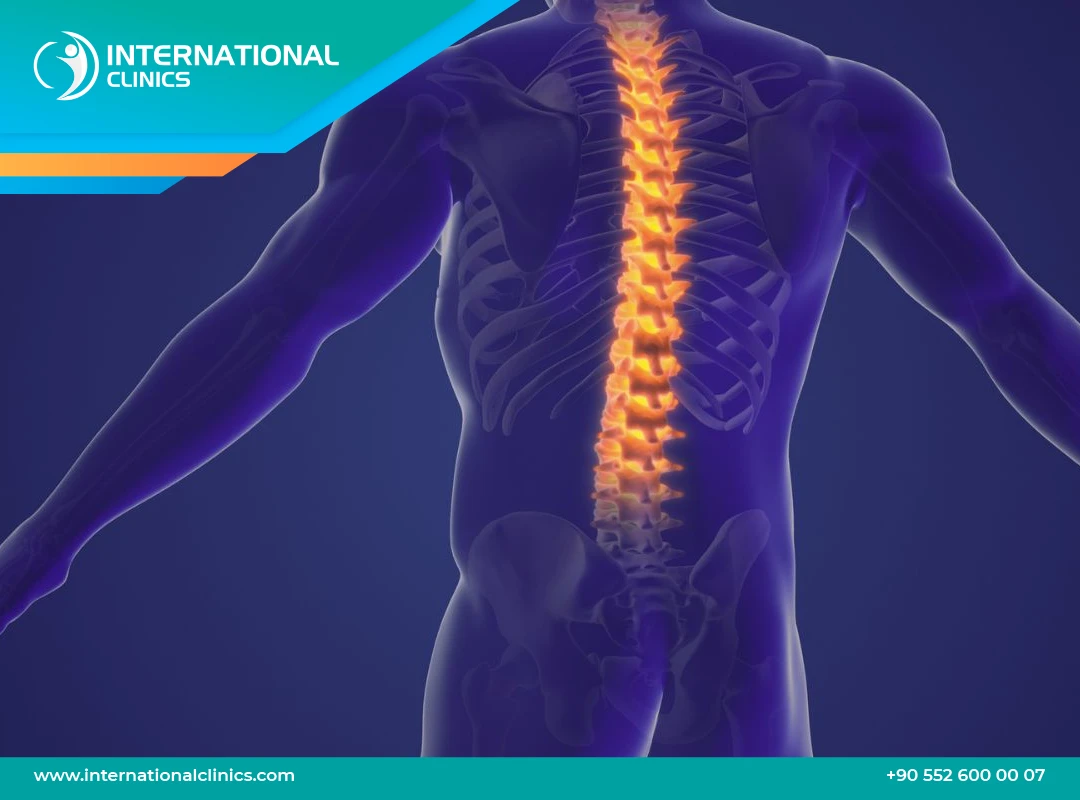
Spinal cord injury rehabilitation is a multidisciplinary programme for people whose spinal cord was damaged by an accident, fall or illness, which may cause weakness or paralysis, loss of sensation and bladder and bowel problems. It aims to improve remaining function, independence and quality of life and reduce complications, without promising a cure.
It begins with a careful assessment of the level and completeness of the injury. It may include physical and occupational therapy, strengthening, balance and assisted walking exercises, bladder and bowel training, spasticity and pain control, skin care, psychological support and assistive devices. Electrical stimulation or robot-assisted walking may be used in some cases, and separate surgery may be needed if the doctor decides so.
Rehabilitation usually lasts weeks to months as an inpatient, followed by long home follow-up. Recovery varies greatly between patients depending on the level and severity of the injury, and improvement may continue for months to years. Full recovery cannot be promised, and the team sets realistic goals.
The final cost is set after a medical consultant reviews your case and photos.
Our medical consultants review all requests regularly, every three hours.
Get a free consultation and answers to all your questions by completing the form below
It aims to strengthen remaining muscles, improve movement, balance and independence in daily life, and reduce complications such as pressure sores and infections. The amount of benefit differs from person to person.
It suits people with a spinal cord injury, recent or long-standing, whose medical condition is stable. The rehabilitation team decides suitability after assessing general health and goals.
Bring your previous medical reports and scans and have a full neurological and medical assessment. Tell the team about all your medicines, and do not stop any prescribed drug, such as blood thinners or anti-spasm medicines, unless the doctor instructs you. A trained companion is advisable.
It starts with a full assessment, followed by an individual programme of physical and occupational therapy, bladder and bowel training and adjustment of assistive devices. The programme is adapted as the condition progresses.
It is a long process, with sessions held regularly, daily or several times a week, followed by a home programme. Tiredness, pain or spasm may appear, and the team manages them. The patience of the patient and family matters greatly.
Improvement may begin in the first weeks and months and continue longer, and its extent varies greatly with the injury. Full recovery cannot be guaranteed, and keeping the gains requires continuing the exercises.
Fatigue, falls, muscle pain, skin sores, urinary infections, low blood pressure on standing or spasms may occur. The team reduces these risks through monitoring and gradual progression.
Rehabilitation is non-surgical, so a scar is not usually expected. If separate surgery is needed, the doctor explains its effect.
It depends on the programme length and your condition, often weeks to months. Special arrangements may be needed for air travel, and the treating doctor confirms the right time.
Yes. The team usually sets a home programme and recommends follow-up at a nearby rehabilitation centre, since continuing is important to maintain improvement and limit complications.