Snoring and sleep apnea treatment covers procedures on the soft palate, uvula, throat tissues and other parts of the upper airway. The aim is to widen the airway and reduce tissue vibration and nighttime breathing obstruction. Surgery is not the first choice for every patient; weight loss or a positive airway pressure device may be recommended first.
In uvulopalatopharyngoplasty (UPPP), excess tissue is removed from the palate and uvula, sometimes with the tonsils, and the area is reshaped under general anesthesia. Radiofrequency treatment uses targeted heat to shrink and firm soft tissue and may be done under local anesthesia. Sleep apnea surgery depends on where the blockage lies; the doctor chooses the approach after an examination and a sleep study.
These procedures take roughly half an hour to two hours, and patients may go home the same day or after a night or more. A sore throat is common for days. Results appear gradually over weeks to a few months, and a follow-up sleep study may be needed.
The final cost is set after a medical consultant reviews your case and photos.
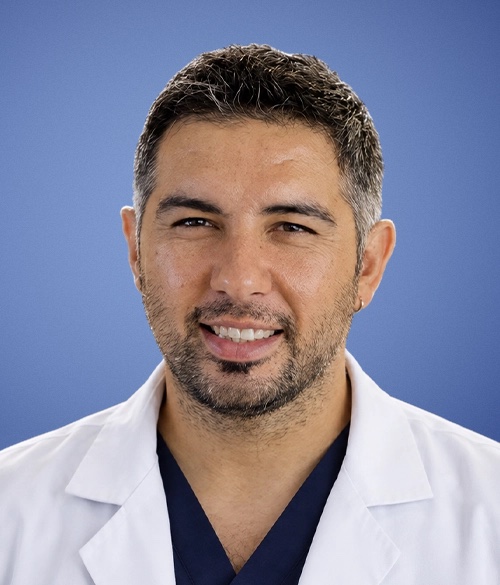

Assoc. Prof. Dr. Mustafa Çelik is an experienced ENT specialist with an academic background in ear, nose and throat diseases and head and neck surgery. Throughout his career, he has been actively involved in clinical practice, academic research, and medical education, contributing to numerous scientific studies and international medical publications.
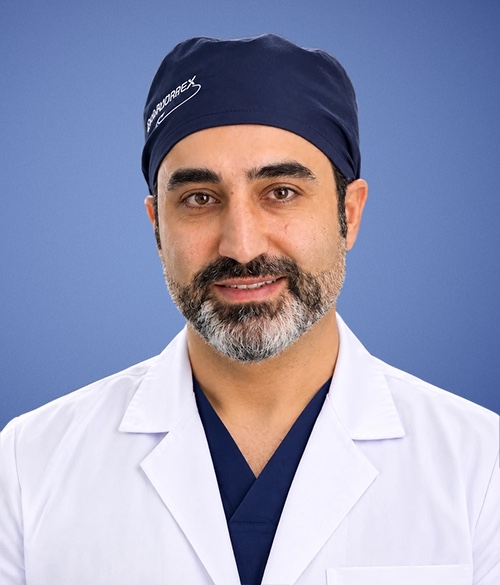
Op. Dr. Mustafa Karakaş is a highly experienced ENT specialist born in 1984, known for performing nearly 5,000 successful surgeries. After graduating from Cerrahpaşa Faculty of Medicine, he completed his specialization at Istanbul Haseki Training and Research Hospital. He is a Board-Certified surgeon who has been honored with a Certificate of Appreciation by the Istanbul Governorship for his medical services. His expertise focuses on aesthetic and functional procedures, particularly Rhinoplasty, Otoplasty, and advanced endoscopic sinus surgeries. Currently, he provides world-class care to loca...
Our medical consultants review all requests regularly, every three hours.
Get a free consultation and answers to all your questions by completing the form below
It may reduce snoring, improve sleep quality and daytime energy, and lessen episodes of interrupted breathing. Results vary between patients, and the condition may not disappear completely.
It may suit people with an obstruction in the palate, uvula or elsewhere that can be treated surgically and who did not benefit from, or could not tolerate, non-surgical treatments. A sleep study and an ear, nose and throat examination locate the blockage. Surgery is not right for everyone.
No. Weight loss, lifestyle changes, a positive airway pressure device or an oral appliance are usually tried first. Surgery is considered only if these fail or cannot be used, and the doctor decides based on your condition.
You will usually have a sleep study, blood tests and an assessment of your heart and breathing, and your medications will be reviewed. Never stop blood thinners or any other drug on your own; that decision belongs to your doctor. You will be asked to fast before anesthesia.
In UPPP, tissue is removed from the palate and uvula under general anesthesia. In radiofrequency treatment, a small probe heats and shrinks the tissue, often under local anesthesia. For sleep apnea surgery, the surgeon chooses the technique according to the site of obstruction.
You may have a sore throat, difficulty swallowing and an unpleasant mouth odor for several days. Soft, cold foods and painkillers prescribed by your doctor are usually advised. Most patients return to work after about a week, and recovery may take longer after more extensive surgery.
Results appear gradually once swelling settles, over weeks to months. Snoring may return with weight gain or aging, and some patients need further treatment, so a permanent result cannot be promised.
They include bleeding, infection, persistent pain, difficulty swallowing, voice changes and a dry throat. Rarely, fluid may pass into the nose or the airway may narrow. Symptoms may not improve, and the doctor explains these risks before you decide.
Not always. Radiofrequency treatment may need several sessions, and more than one procedure may be combined. The doctor assesses the result after recovery and may recommend a follow-up sleep study.
Staying about three to seven days is usually advised so the team can check for bleeding and swallowing problems; it may be longer after more extensive surgery. Your treating doctor confirms the right time to travel.