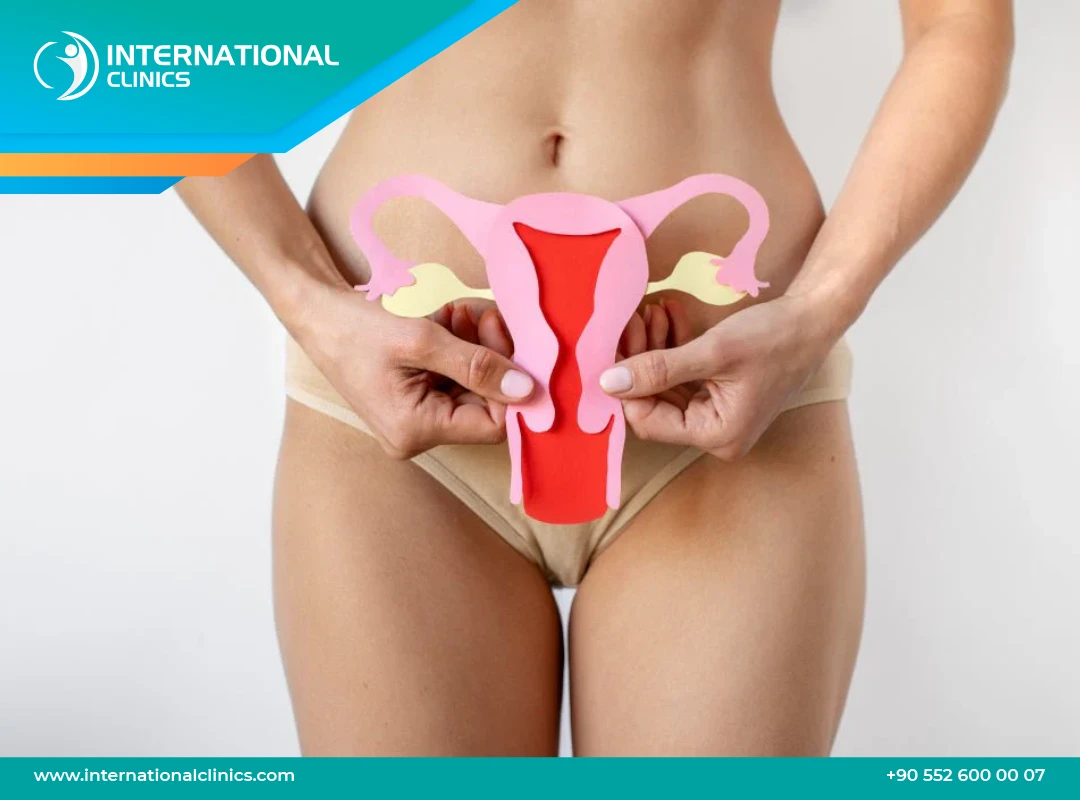
Hysterectomy is a surgical operation that removes all or part of the uterus. Doctors may recommend it for fibroids, heavy uterine bleeding, uterine prolapse, endometriosis or certain uterine tumours, with the aim of controlling symptoms and treating their cause. After the operation, periods stop and pregnancy is no longer possible.
The uterus can be removed through an abdominal incision, with a laparoscope through small incisions, or through the vagina without any abdominal cut. General anaesthesia is usual, although spinal anaesthesia may be enough in some cases. The surgeon chooses the route according to the size of the uterus, the underlying disease and earlier operations, and may also remove the fallopian tubes or ovaries when needed.
Surgery usually takes one to three hours, with a hospital stay of one to three days. Recovery is generally quicker after laparoscopic and vaginal approaches, with a return to daily activities in about two to six weeks, and full recovery usually takes six to twelve weeks.
The final cost is set after a medical consultant reviews your case and photos.
Our medical consultants review all requests regularly, every three hours.
Get a free consultation and answers to all your questions by completing the form below
It may relieve heavy bleeding, pain and other symptoms caused by fibroids, endometriosis or prolapse, and it can treat some diseases of the uterus. It may be a definitive solution when medication cannot control the condition.
A woman who has not responded to less invasive treatments and has completed her family or does not wish to have children, or whose medical condition calls for this treatment. The doctor decides after examination, imaging and a discussion of the alternatives.
Blood tests and imaging are done, and sometimes a smear or biopsy. Tell your doctor about all your medicines and never stop any of them on your own, especially blood thinners; that decision belongs to the doctor. You will be asked to fast before anaesthesia.
The surgeon separates the uterus from its ligaments and blood vessels and then removes it through an abdominal incision, with a laparoscope or through the vagina, depending on your case. At the end the incisions or the vaginal wound are closed.
Pain and tiredness last for a few days, and light bleeding or discharge may continue for weeks. Heavy lifting and sexual intercourse are usually restricted for about six weeks, and recovery is quicker after laparoscopic or vaginal surgery than after open surgery.
Menstrual bleeding stops after the operation, and uterus-related symptoms gradually ease as recovery is completed over a few weeks. The result is permanent because the organ has been removed, although some symptoms of other conditions may remain.
They include bleeding, infection, leg blood clots, injury to the bladder, ureter or bowel, and anaesthesia-related complications. A laparoscopic operation may need to be converted to open surgery if necessary.
Yes, periods stop and pregnancy is not possible after a hysterectomy. If both ovaries are removed too, menopausal symptoms may begin early, and the doctor explains this before the operation.
Open surgery leaves a scar on the lower abdomen and laparoscopy leaves marks from small incisions, while the vaginal approach leaves no visible scar on the abdomen.
Often after about one to two weeks, although it may take longer after open surgery. Your treating doctor decides when you may travel, according to your condition.