Acoustic neuroma surgery (vestibular schwannoma) is a delicate procedure to remove a benign tumour growing on the vestibular nerve, close to the facial nerve and brainstem. The tumour usually causes gradual hearing loss, ringing in the ear and balance problems. Surgery aims to remove the tumour while preserving the function of nearby nerves as far as possible.
It is done under general anaesthesia using a surgical microscope, with nerve monitoring throughout. The approach (through the temporal bone, behind the ear, or via the middle fossa) is chosen according to tumour size and hearing level, and a neurosurgeon and an ear surgeon may work together. The treating team decides the plan for each case.
Surgery takes several hours and is usually followed by a hospital stay of some days, which may begin in intensive care. Balance improves gradually over weeks to months, while the final functional outcome becomes clear after months of recovery and periodic MRI follow-up.
The final cost is set after a medical consultant reviews your case and photos.
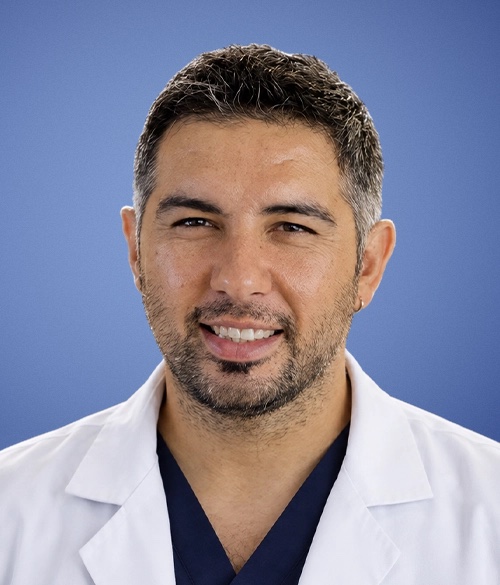

Assoc. Prof. Dr. Mustafa Çelik is an experienced ENT specialist with an academic background in ear, nose and throat diseases and head and neck surgery. Throughout his career, he has been actively involved in clinical practice, academic research, and medical education, contributing to numerous scientific studies and international medical publications.
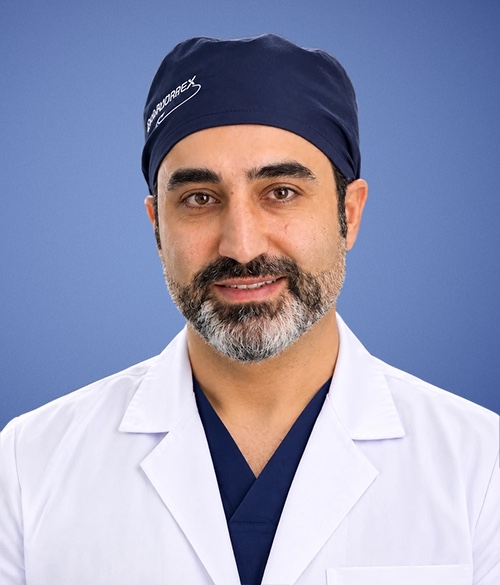
Op. Dr. Mustafa Karakaş is a highly experienced ENT specialist born in 1984, known for performing nearly 5,000 successful surgeries. After graduating from Cerrahpaşa Faculty of Medicine, he completed his specialization at Istanbul Haseki Training and Research Hospital. He is a Board-Certified surgeon who has been honored with a Certificate of Appreciation by the Istanbul Governorship for his medical services. His expertise focuses on aesthetic and functional procedures, particularly Rhinoplasty, Otoplasty, and advanced endoscopic sinus surgeries. Currently, he provides world-class care to loca...
Our medical consultants review all requests regularly, every three hours.
Get a free consultation and answers to all your questions by completing the form below
It removes all or most of the tumour, relieving pressure on the nerves and brainstem, and may reduce symptoms such as headache and dizziness. The team assesses the chances of preserving hearing for each case.
People whose tumour is growing, large or causing symptoms. Observation or other options are sometimes enough, and the treating team decides the right plan after MRI and hearing tests.
Preparation includes MRI, hearing tests, blood tests and an anaesthesia assessment, stopping certain medicines only as your doctor directs, and fasting before the operation.
After general anaesthesia, the surgeon reaches the tumour through the skull by one of the surgical approaches and removes it gradually while monitoring the facial nerve. The surgical site is then closed.
Patients usually stay several days in hospital and may have dizziness, headache and tiredness. Rest, balance rehabilitation and follow-up are needed, and normal activities return gradually over weeks to months.
The condition improves gradually over months, and the result is monitored with periodic MRI scans to check that the tumour does not return. No specific outcome can be guaranteed.
They include loss or worsening of hearing, temporary or permanent facial nerve weakness, balance problems, cerebrospinal fluid leakage, headache, infection, bleeding and anaesthetic complications. The team explains them in detail before the operation.
A surgical scar usually remains behind or near the ear, partly hidden by hair and fading with time.
Usually between one week and several weeks, depending on recovery. The treating doctor confirms when it is safe to travel.
Yes. Follow-up includes hearing and balance tests and periodic MRI scans, and some patients need balance rehabilitation or treatment for facial weakness if it occurs.