- What Are the Most Common Orthodontic Options?
- Why Choose Us for Your Orthodontic Journey?
- When Should You Consider Orthodontic Intervention?
- What Are the Steps of the Orthodontic Procedure?
- How Do Different Orthodontic Systems Compare?
- What Are the Advantages and Disadvantages?
- How to Manage the Initial Adaptation Phase?
- What Do Our Patients Say About Their Transformations?
- How to Begin Your Orthodontic Treatment Journey?
- Expert Tips
- Conclusion
Types of Dental Braces
Exploring the various Types of Dental Braces (Orthodontics) is the first critical step toward achieving a perfectly aligned, functionally healthy, and aesthetically pleasing smile. Consequently, choosing International Clinics guarantees premium care, ensuring you receive the most effective and personalized Types of Dental Braces.
What Are the Most Common Orthodontic Options?
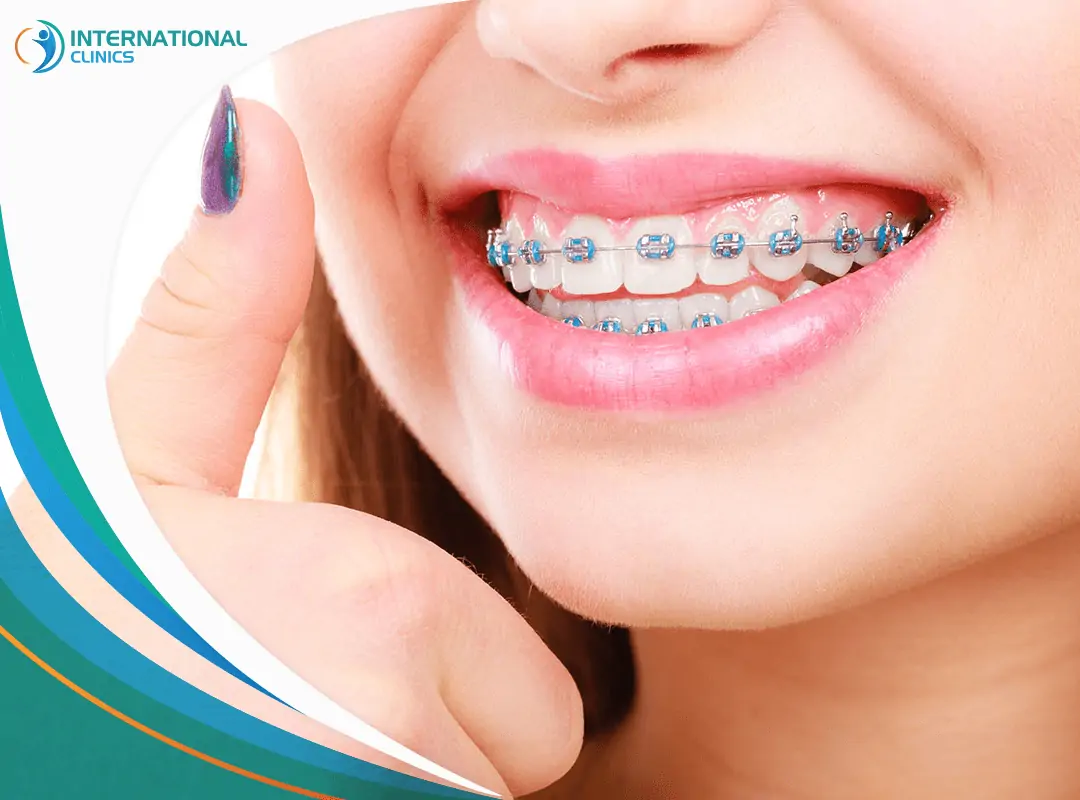
The primary Types of Dental Braces include traditional metal brackets, aesthetic ceramic options, invisible clear aligners, and customized lingual brackets placed behind the teeth. Moreover, the ideal choice depends on your specific malocclusion severity, personal aesthetic preferences, lifestyle requirements, and the expert clinical assessment provided by your specialized orthodontist.
Why Choose Us for Your Orthodontic Journey?
Selecting the right medical facility significantly impacts the overall success, comfort, and duration of your orthodontic treatment. Therefore, our globally accredited center provides unmatched expertise, advanced technology, and personalized care to ensure a seamless transformation.
Understanding the unique benefits of our clinic helps you maximize the effectiveness of various Types of Dental Braces:
Expert Orthodontists: Comprehensive treatment plans crafted by globally recognized and highly experienced dental specialists.
Advanced 3D Imaging: Utilizing state-of-the-art digital scanners for highly precise and comfortable dental impressions.
Diverse Treatment Options: Offering comprehensive solutions including premium metal, ceramic, and virtually invisible clear aligner systems.
Impeccable Sterilization: Adhering to the strictest international hygiene protocols to completely eliminate any risk of infection.
Continuous Monitoring: Scheduled follow-ups to accurately track progress and adjust the treatment trajectory as needed.
Transparent Pricing: Providing highly competitive, all-inclusive packages with absolutely no hidden fees or unexpected costs.
Pain Management: Implementing modern techniques to significantly reduce discomfort during adjustments and initial bracket placement.
Guaranteed Results: Ensuring long-lasting functional alignment, proper bite correction, and a radiant, symmetrical smile.
Ultimately, partnering with our renowned specialists guarantees optimal outcomes when investing in various Types of Dental Braces.
"Selecting the appropriate orthodontic system goes beyond mere aesthetic desires; it is deeply rooted in the clinical complexity of each patients malocclusion. At International Clinics, our digital assessment protocols ensure that every treatment plan delivers both flawless functional bite correction and a beautifully harmonized smile."
— Senior Orthodontist at International Clinics
When Should You Consider Orthodontic Intervention?
Orthodontic treatments are fundamentally designed to correct severe functional impairments alongside resolving notable aesthetic dental concerns. (According to Cleveland Clinic, orthodontic appliances successfully correct malocclusion, thereby significantly improving both chewing efficiency and speech articulation). Consequently, timely intervention prevents future complications.
Identifying these critical clinical indications is essential before choosing specific Types of Dental Braces:
Severe Overcrowding: Correcting misaligned teeth caused by a disproportionately small jaw structure.
Noticeable Diastema: Closing wide gaps between teeth to improve both appearance and function.
Open Bite Issues: Facilitating proper mouth closure and ensuring natural, comfortable food mastication.
Deep Overbite: Preventing the damaging friction between lower teeth and the upper palate.
Underbite Correction: Adjusting lower jaw protrusion to significantly enhance overall facial symmetry.
Speech Impediments: Treating articulation problems directly caused by severe dental misalignment and malocclusion.
Chronic Jaw Pain: Relieving excessive pressure on the temporomandibular joint and reducing muscle spasms.
Cleaning Difficulties: Minimizing decay risks by straightening teeth for much easier, effective brushing.
Therefore, understanding these specific medical conditions validates the necessity of exploring different Types of Dental Braces.
What Are the Steps of the Orthodontic Procedure?
The clinical journey to a perfect smile requires a meticulously planned and sequentially executed medical protocol. Furthermore, individualized treatment plans ensure that every structural adjustment is safe, deliberate, and optimized for the fastest possible aesthetic and functional recovery.
The complete clinical pathway for installing various Types of Dental Braces involves these precise steps:
Initial Consultation: Evaluating oral health comprehensively and discussing realistic aesthetic expectations with the specialist.
Radiographic Imaging: Capturing detailed panoramic X-rays to accurately analyze jawbone density and tooth roots.
Digital Impressions: Creating an exact 3D digital model of the patients teeth without using messy putty.
Treatment Planning: Selecting the ideal system and mapping out the projected timeline for correction.
Professional Prophylaxis: Thoroughly cleaning the enamel surface to ensure optimal adhesion for the brackets.
Bracket Placement: Bonding the metal or ceramic attachments using specialized, high-strength dental cement.
Wire Insertion: Threading the archwire through the brackets to initiate the necessary corrective tension.
Routine Adjustments: Tightening wires and replacing elastic bands during systematically scheduled clinic visits.
Ultimately, strict adherence to this structured timeline ensures maximum efficacy from all Types of Dental Braces.
How Do Different Orthodontic Systems Compare?
Comparing the distinct characteristics of each orthodontic appliance is crucial for making an informed clinical decision. Moreover, while some patients prioritize rapid structural alignment, others focus heavily on maintaining a discreet appearance throughout their entire therapeutic journey.
This comparison highlights the fundamental differences among the most popular Types of Dental Braces:
| Comparison Criteria | Traditional Metal Braces | Clear Aligners (Invisalign) |
| Aesthetic Appearance | Highly visible with metallic components | Transparent and virtually invisible |
| Removability | Permanently fixed during the treatment | Removable for eating and brushing |
| Clinical Efficacy | Highly effective for complex malocclusions | Best for mild to moderate issues |
| Treatment Speed | Generally faster for severe dental crowding | Dependent entirely on patient compliance |
| Oral Hygiene | Requires specialized brushes and floss threaders | Extremely simple after removing trays |
| Patient Comfort | May cause initial friction against cheeks | Smooth plastic prevents oral mucosal irritation |
Consequently, analyzing these distinct features helps you confidently choose the appropriate Types of Dental Braces.
What Are the Advantages and Disadvantages?
Every orthodontic intervention carries unique clinical benefits alongside certain inherent temporary challenges or maintenance requirements. Furthermore, a transparent evaluation of these factors empowers patients to manage their expectations and commit fully to the prescribed dental regimen.
Carefully weigh the following clinical implications when considering the available Types of Dental Braces:
| Advantages (Pros) | Disadvantages (Risks & Cons) |
| Bite Correction: Effectively resolves complex malocclusion and significantly improves mastication efficiency. | Temporary Discomfort: Patients often experience mild soreness and pressure immediately following adjustments. |
| Permanent Alignment: Delivers lifelong straight teeth when post-treatment retainers are worn as directed. | Hygiene Challenges: Fixed appliances demand significantly more time and effort for proper daily cleaning. |
| Aesthetic Versatility: Offers modern, discreet alternatives like ceramic brackets or completely clear aligners. | Financial Investment: Advanced cosmetic systems, such as lingual braces, carry a higher overall cost. |
| Speech Improvement: Corrects lisping and articulation issues stemming from significant dental gaps. | Soft Tissue Irritation: Brackets and archwires may temporarily chafe the inner lips and cheeks. |
| Decay Prevention: Straight teeth are fundamentally easier to brush, significantly reducing future cavity risks. | Treatment Duration: Comprehensive corrective plans often require several months to a few years. |
Therefore, discussing these aspects with your specialist ensures absolute satisfaction with your chosen Types of Dental Braces.
How to Manage the Initial Adaptation Phase?
Transitioning to life with new orthodontic appliances requires a brief period of physiological and behavioral adjustment. (According to the WHO, maintaining exceptional oral hygiene during long-term dental therapies drastically reduces the incidence of periodontal complications). Consequently, understanding this timeline mitigates anxiety.
Successfully adapting to your new Types of Dental Braces involves following this progressive adjustment timeline:
First 48 Hours: Experiencing mild, expected dental tenderness and heightened sensitivity to temperature changes.
Pain Management: Taking prescribed over-the-counter analgesics to easily alleviate the initial orthodontic pressure.
Dietary Modifications: Consuming exclusively soft, easy-to-chew foods to prevent unnecessary stress on the teeth.
Mucosal Adaptation: Allowing the inner cheeks and lips to gradually toughen against the metal brackets.
Subsequent Weeks: Feeling completely accustomed to the appliances as the initial discomfort entirely disappears.
Speech Normalization: Quickly regaining clear articulation after adapting to lingual brackets or clear aligners.
Routine Maintenance: Attending scheduled adjustment appointments to ensure continuous, precise, and effective tooth movement.
Retention Phase: Wearing custom retainers post-treatment to permanently secure your newly aligned, beautiful smile.
Ultimately, proactive management during these early stages maximizes comfort with all Types of Dental Braces.
What Do Our Patients Say About Their Transformations?
The profound impact of orthodontic correction extends far beyond mere physical appearance, deeply influencing self-esteem, social confidence, and overall psychological well-being. Moreover, the comprehensive care provided at International Clinics consistently empowers individuals to reclaim their oral health and thoroughly enjoy their revitalized smiles.
"For years, I struggled with severe dental crowding that made me incredibly self-conscious whenever I smiled or spoke in public. Upon consulting the experts at International Clinics, we decided that clear aligners were the optimal choice for my professional lifestyle. The entire process was seamless, remarkably comfortable, and virtually undetectable to my colleagues. Now, after just 16 months of dedicated wear, my teeth are perfectly aligned, and my confidence has skyrocketed beyond measure." — Michael T., 34.
"Dealing with a severe overbite not only affected my facial profile but also caused chronic jaw pain and frequent headaches. The specialized orthodontic team meticulously designed a comprehensive treatment plan using traditional metal brackets. Although the initial adjustment period was slightly challenging, the continuous support and precise adjustments made all the difference. Today, two years later, my bite is perfectly functional, the pain is entirely gone, and I finally possess the radiant smile I always dreamed of." — Emma L., 27.
How to Begin Your Orthodontic Treatment Journey?
Initiating your dental transformation should be a stress-free, deeply supportive, and highly organized medical experience. Furthermore, our dedicated international patient coordinators manage every logistical detail, ensuring that your focus remains entirely on achieving your optimal dental health and aesthetic goals.
Our comprehensive service packages ensure a premium experience while exploring different Types of Dental Braces:
Complimentary Consultations: Offering initial online digital assessments to thoroughly discuss your unique orthodontic goals.
All-Inclusive Packages: Combining X-rays, premium appliances, and post-treatment retainers into one transparent price.
VIP Logistics: Organizing luxurious accommodation, airport transfers, and clinic transportation for international patients.
Post-Treatment Care: Providing extended remote monitoring to guarantee the long-term stability of your results.
Cutting-Edge Facilities: Utilizing advanced intraoral scanners to completely eliminate uncomfortable traditional dental impressions.
Certified Materials: Using only globally approved, high-grade biocompatible materials for brackets and orthodontic wires.
Flexible Financing: Providing accessible, structured payment plans tailored specifically to accommodate various patient budgets.
Multilingual Support: Ensuring flawless, clear communication through dedicated, professional medical interpreters and coordinators.
Expert Tips
Maximizing the efficiency of your orthodontic treatment requires strict daily adherence to specialized oral hygiene and dietary protocols. On the other hand, neglecting these fundamental maintenance practices can lead to enamel decalcification, prolonged treatment times, and potential structural damage to the delicate orthodontic appliances.
Follow these essential daily guidelines to successfully maintain your specific Types of Dental Braces:
Diligent Brushing: Always use a specialized orthodontic toothbrush immediately after consuming any daily meals.
Water Flossing: Utilize an oral irrigator daily to dislodge trapped food particles effectively and safely.
Avoid Hard Foods: Never bite into raw carrots, ice, or nuts to prevent bracket breakage.
Cut Your Food: Slice apples and crusty bread into bite-sized pieces to minimize chewing stress.
Fluoride Rinse: Incorporate an alcohol-free fluoride mouthwash to continuously fortify and protect dental enamel.
Ban Sticky Sweets: Completely eliminate chewing gum, caramel, and taffy to prevent appliance entanglement.
Wear Mouthguards: Protect your lips and teeth proactively by wearing sports guards during physical activities.
Keep Appointments: Attend every scheduled orthodontic adjustment meticulously to avoid unwanted treatment delays.
Consistently applying these practical steps guarantees a flawless and timely outcome with your Types of Dental Braces.
Conclusion
Committing to orthodontic correction is a profoundly transformative investment in your long-term oral health, facial aesthetics, and personal confidence. Consequently, choosing a globally esteemed medical provider ensures that your clinical journey is supported by advanced technology, exceptional surgical expertise, and unwavering patient care.
The diverse Types of Dental Braces (Types of Dental Braces) available today offer tailored solutions for every unique clinical requirement and aesthetic preference. Whether you require the robust control of traditional brackets or the discreet flexibility of clear aligners, the specialists at International Clinics are dedicated to designing your perfect smile. Contact our medical team today to schedule your comprehensive consultation and take the first definitive step toward lifelong dental excellence.