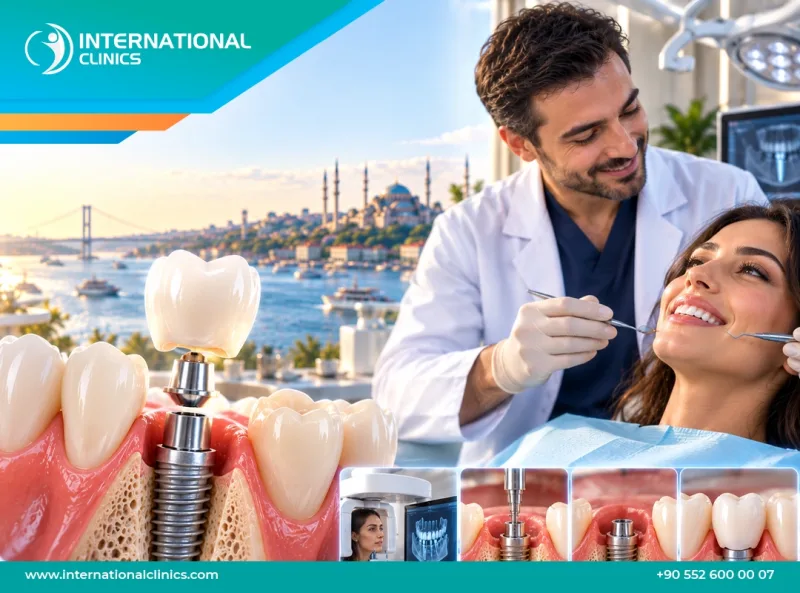
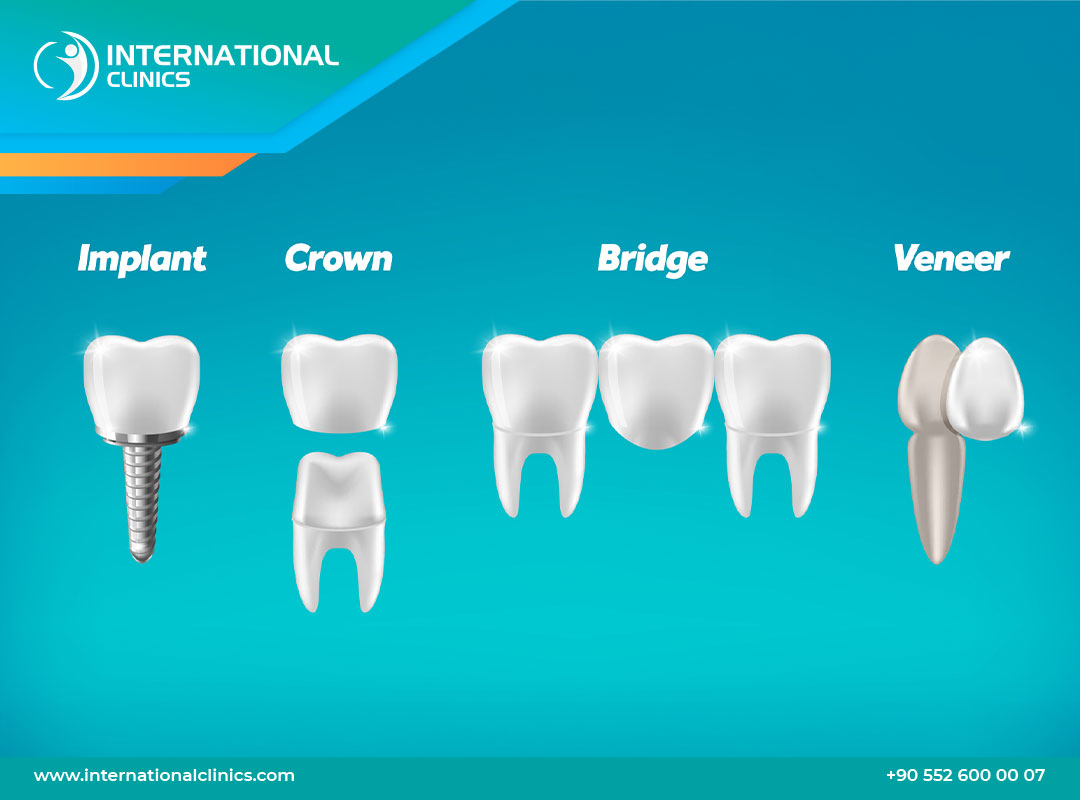
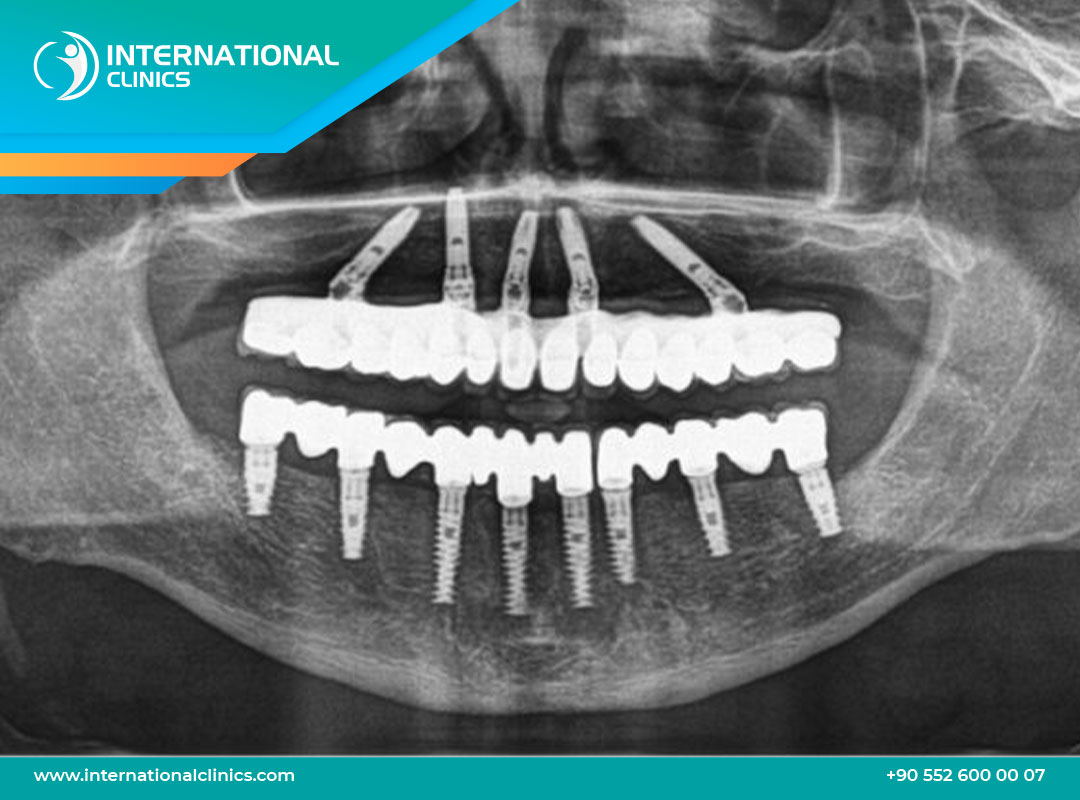
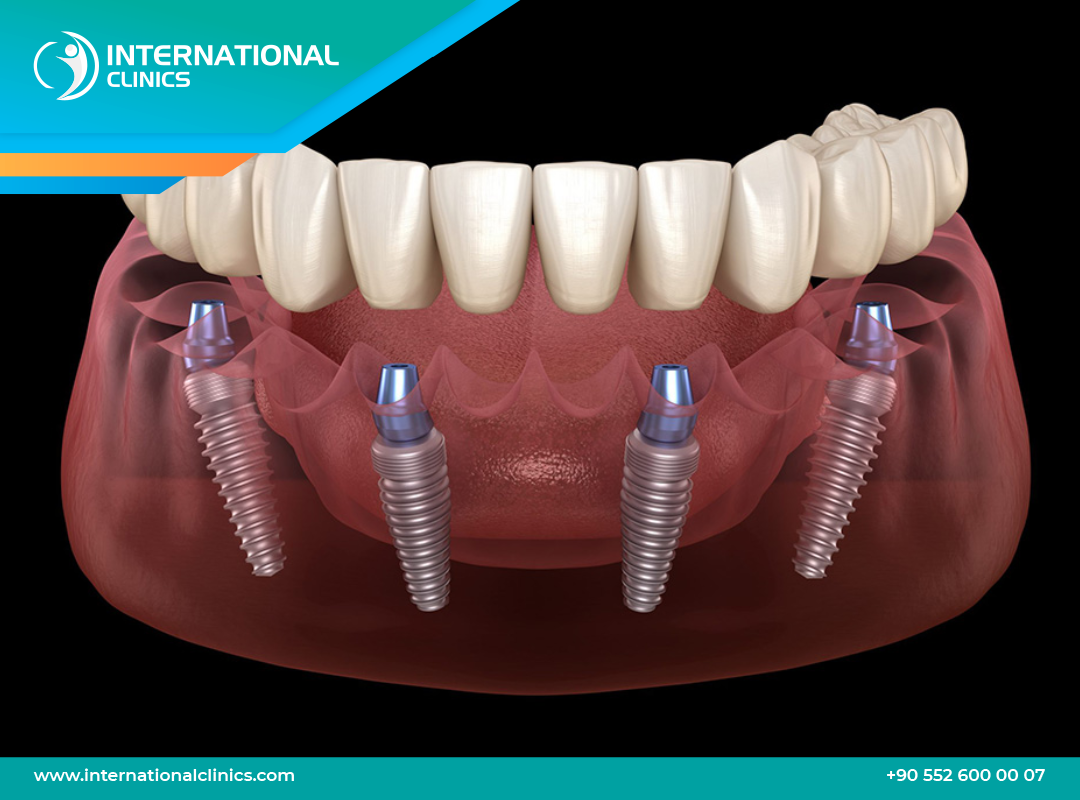
Dental implant surgery places a titanium or similar post into the jawbone to take the place of a missing tooth root. The goal is to replace missing teeth with a stable foundation for comfortable chewing, speaking and smiling. Implants come from different manufacturers, and the dentist chooses the system that suits your case.
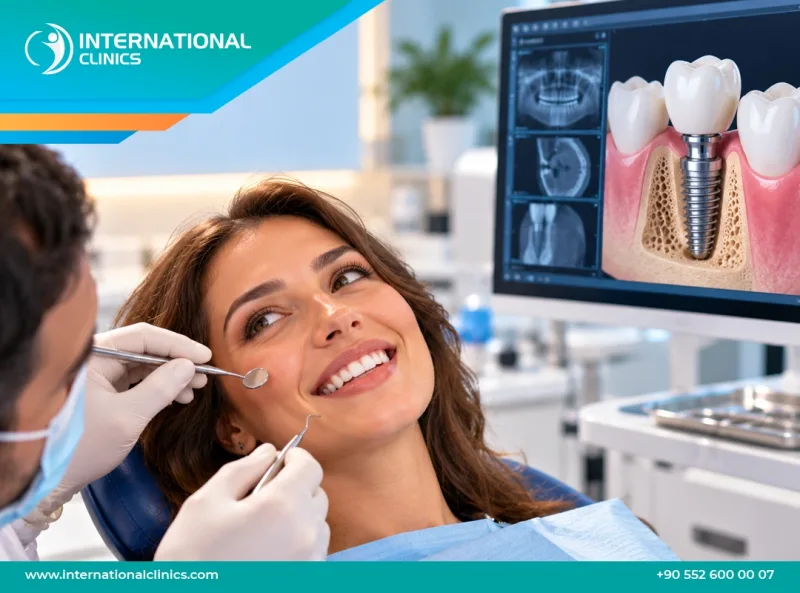
After an examination and usually 3D imaging, the procedure is performed under local anaesthesia, with sedation added if needed. The gum is opened, a small site is prepared in the bone and the implant is placed, then the gum is closed or a healing cap is fitted. A bone graft is sometimes needed first if the bone is insufficient.
Placing a single implant usually takes about 30 to 60 minutes, and most patients go home the same day. The implant typically needs about two to six months to fuse with the bone before the crown is fitted in most cases. The final result appears once the permanent crown is placed and the gum has healed.
The final cost is set after a medical consultant reviews your case and photos.
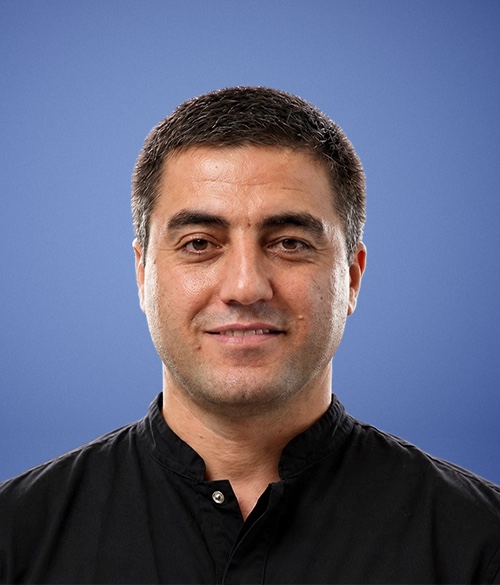

Dr. Burhan Mollamusa is an experienced dentist with more than a decade of clinical practice in modern dentistry. He graduated from Istanbul University Faculty of Dentistry in 2011 and has been providing comprehensive dental care ever since. His expertise includes dental implants, oral surgery, cosmetic dentistry, and advanced restorative treatments. Dr. Mollamusa focuses on using modern technologies and personalized treatment plans to achieve natural and long-lasting results. His patient-centered approach ensures comfort, clear communication, and high-quality dental care for every patient.
Our medical consultants review all requests regularly, every three hours.
Get a free consultation and answers to all your questions by completing the form below
They replace a missing tooth with firm anchorage in the bone, improving chewing, speech and appearance, and they can help preserve jawbone. They usually do not require grinding down neighbouring teeth as bridges do.
Usually an adult with one or more missing teeth, healthy gums, and enough bone or bone that can be built up. Poorly controlled diabetes, smoking or certain medicines may need special assessment by the dentist.
You will have an oral examination and imaging, and gum infection or decay is treated first. Tell the dentist about all your medicines and never stop any, including blood thinners, on your own; the doctor decides.
After local anaesthesia, a site is prepared in the bone and the implant is fixed in place, then the gum is closed or a healing cap fitted. Once it has fused, an abutment and a custom-made crown are attached; in some cases the dentist may fit a crown earlier.
Pain is not usually felt during the procedure because of anaesthesia. Afterwards there may be soreness, swelling or mild bruising, which is usually eased with the pain relief your dentist prescribes.
Rest for a few days, soft foods, avoiding pressure on the site and not smoking are usually advised, along with careful oral hygiene as instructed. Most normal activities resume within a few days.
The result is complete after the implant has fused and the permanent crown is fitted, usually after some months. Implants can last many years with good oral care and regular check-ups, but no specific duration can be guaranteed.
Infection, bleeding and swelling can occur, and sometimes the implant fails to fuse or the surrounding tissue becomes inflamed. In rare cases a nerve or the sinus may be affected. Careful case selection, hygiene and follow-up reduce these risks.
Implants differ in design, surface and abutment system, and each has its own uses. The dentist selects the type that suits your bone, the site and the treatment plan; a brand name alone does not make one automatically superior.
A few days after placement are usually enough to check that swelling and bleeding have settled and to have the first follow-up. Bone grafting or more extensive work may need longer, and the treating dentist confirms the right time.