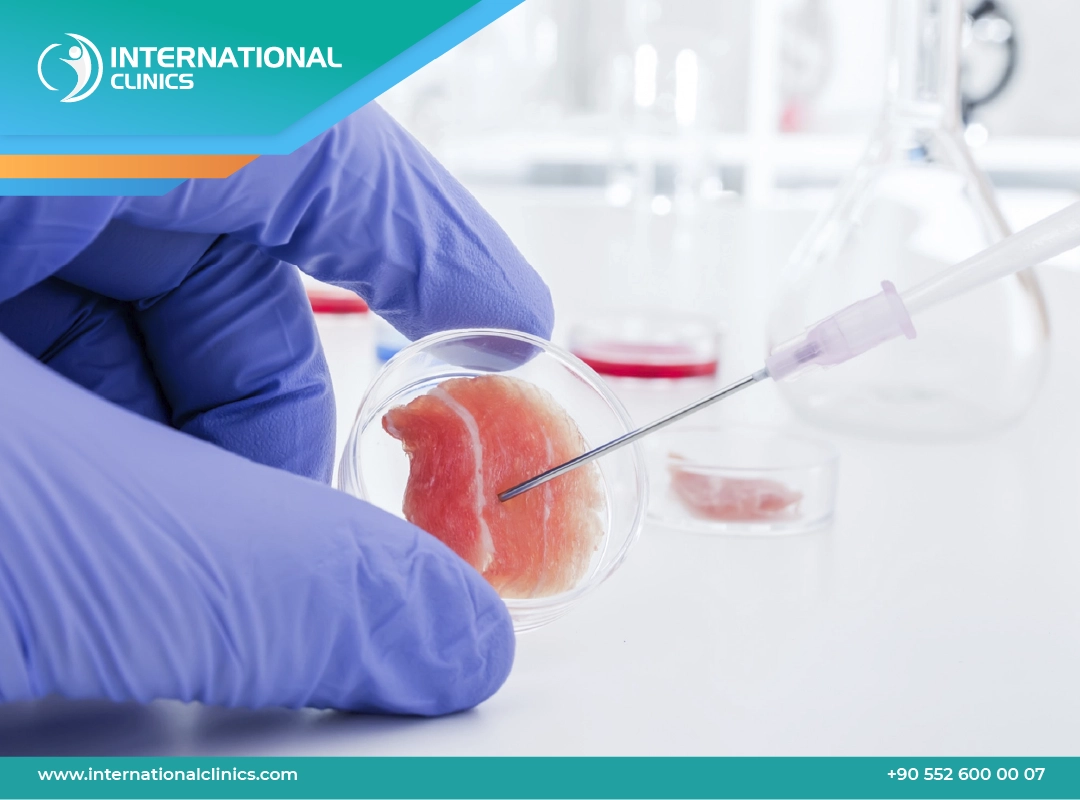
Stem cell and bone marrow transplantation is a specialized treatment in which healthy blood-forming stem cells replace marrow that is diseased or damaged by chemotherapy. It is used for certain blood, marrow and cancer conditions, with the goal of rebuilding the body's ability to produce blood cells. The treating team decides whether it is suitable and which type fits.
There are two main types. In an autologous transplant, the patient's own stem cells are collected, frozen and returned after high-dose chemotherapy. In a donor (allogeneic) transplant, the cells come from a tissue-matched relative or unrelated donor. Cells are infused through a central vein, like a blood transfusion, after conditioning with chemotherapy and sometimes radiation.
Patients usually stay in hospital for several weeks in protective isolation while the new cells begin producing blood, often within two to four weeks. A long recovery and regular follow-up come next. Full immune recovery takes from several months to a year or more.
The final cost is set after a medical consultant reviews your case and photos.
Our medical consultants review all requests regularly, every three hours.
Get a free consultation and answers to all your questions by completing the form below
It allows some blood diseases and cancers to be treated with high-dose therapy followed by rebuilding of the marrow, and in donor transplants the new cells may help the immune system fight the disease. A cure cannot be promised, as the outcome depends on the disease and the patient's condition.
The treating team decides according to the type and stage of the disease, the patient's age and general health, and the function of the heart, lungs, kidneys and liver. It does not suit everyone, and one type may be preferred over another, such as autologous for some blood cancers and donor transplant for some blood and marrow diseases.
You will have extensive blood, organ and infection tests, a central venous catheter is placed, and tissue matching is done for a donor transplant. Do not stop any prescribed medicine on your own; your doctor decides which drugs to pause before conditioning.
In an autologous transplant, the cells are stimulated with medication, collected from the blood and frozen; in a donor transplant, they are taken from the donor's blood or marrow. After conditioning, the cells are infused through the central line, travel to the marrow and begin to grow.
A long hospital stay is needed, followed by close monitoring over the next weeks and months, with infection prevention and preventive medicines. Immunosuppressive drugs may be given after a donor transplant. Fatigue and poor appetite are common and improve gradually.
The transplanted cells often begin making blood cells within a few weeks, while immune recovery takes months or longer. How long the benefit lasts varies with the disease, and regular follow-up remains essential.
They include infection, bleeding, mouth sores, a severe drop in blood counts and damage to some organs; after a donor transplant there is also graft-versus-host disease. The disease may return, and in some cases life-threatening complications occur. The treating team explains and assesses these risks for each patient.
Chemotherapy often causes temporary hair loss, nausea, fatigue, mouth sores and weakened immunity. Supportive medicines can ease many of these effects, and hair usually grows back after some months.
Early travel is not advised: the hospital stay lasts weeks, followed by a period of close follow-up that may last several more weeks. The treating doctor decides when it is safe to travel, based on blood and immune recovery.
An autologous transplant uses the patient's own cells, so rejection and graft-versus-host disease are not a concern. A donor transplant uses cells from a matched person and may provide an immune effect against the disease, but it carries additional immune-related risks.