
Sperm freezing (sperm cryopreservation) preserves semen samples or surgically retrieved sperm at very low temperatures for future use. Its aim is to safeguard the chance of having children before treatments that may harm fertility, such as chemotherapy or radiotherapy, or to make IVF timing easier.
The sample is usually produced by masturbation in a private room after a period of abstinence set by the doctor. It is analysed, mixed with a protective cryoprotectant, divided into small straws or vials, cooled gradually and stored in liquid nitrogen. No anaesthesia is needed unless the sperm are retrieved from the testis or epididymis.
Giving a sample takes little time and requires no hospital stay or recovery. More than one sample may be advised to build a reserve, and sperm can be stored for many years within local regulations. The quality of the result becomes clear when the sample is thawed and sperm survival is assessed before use.
The final cost is set after a medical consultant reviews your case and photos.
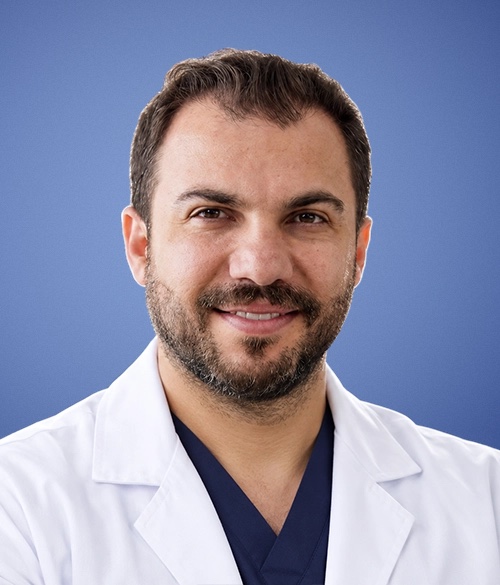

Assoc. Prof. Dr. Zülfü Sertkaya is an Istanbul urologist who focuses on andrology. He graduated from Gazi University Faculty of Medicine in 2008, completed his urology residency at Haydarpaşa Numune Training and Research Hospital in 2014, and holds the FEBU title (2017). He worked at state, university and private hospitals, including Memorial Diyarbakır and Başakşehir Çam and Sakura City Hospital. Since 2022 he has run his own clinic in Zeytinburnu, focusing on penile prosthesis, Peyronie's disease, premature ejaculation and male infertility.
Our medical consultants review all requests regularly, every three hours.
Get a free consultation and answers to all your questions by completing the form below
It preserves future fertility, gives flexibility in timing fertility treatment and avoids repeating surgical sperm retrieval.
Men facing chemotherapy, radiotherapy or surgery that may affect fertility, men undergoing IVF, those who may be absent on egg-collection day, and men whose sperm were retrieved surgically.
The doctor sets the abstinence period before the appointment, and infection screening tests are usually done. Never stop any medicine, such as blood thinners, on your own; the doctor decides.
The sample is analysed, mixed with a protective medium, cooled in stages and kept in liquid-nitrogen tanks under careful monitoring.
Not for a naturally produced sample; if sperm must be retrieved from the testis or epididymis, the anaesthesia suited to that procedure is used.
No; normal daily life can continue immediately after giving a natural sample.
Properly stored sperm can remain usable for many years; local laws set the permitted storage period.
Natural collection carries no health risk, but some sperm lose viability on thawing, and pregnancy cannot be guaranteed.
Accumulated clinical experience has not shown a clear increase in birth defects with frozen compared with fresh sperm; the doctor discusses each case individually.
Travel is usually possible right after the samples are given; the stay depends on the number of samples or any surgical retrieval. Your doctor confirms this.


