Inflatable penile prosthesis implantation is surgery in which two cylinders are placed inside the erectile chambers and connected to a small pump in the scrotum and a fluid reservoir in the lower abdomen, so an erection can be produced on demand and released afterwards. It is considered when tablets and injections fail or are unsuitable, and its aim is to restore an erection firm enough for intercourse with a natural appearance.
The operation is performed under general or spinal anaesthesia through a small incision, usually at the top of the scrotum or above the pubic bone. The surgeon dilates and measures the erectile chambers, positions the cylinders, pump and reservoir, connects them and tests the device before closing, under strict sterile technique with preventive antibiotics to reduce infection.
Surgery usually takes one to two hours, followed by one or two nights in hospital in most cases. Swelling and discomfort are expected during the first weeks and are managed with pain relief; strenuous activity and intercourse are avoided for the period the surgeon advises, and the pump is taught at a follow-up visit. The final result is usually clear after about four to six weeks, once swelling settles and the surgeon allows the device to be used.
The final cost is set after a medical consultant reviews your case and photos.
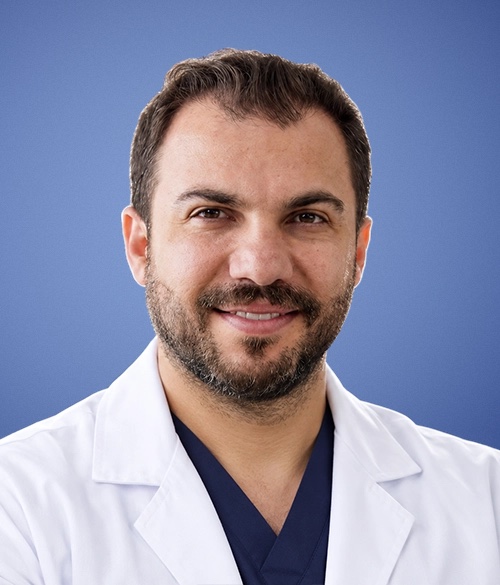

Assoc. Prof. Dr. Zülfü Sertkaya is an Istanbul urologist who focuses on andrology. He graduated from Gazi University Faculty of Medicine in 2008, completed his urology residency at Haydarpaşa Numune Training and Research Hospital in 2014, and holds the FEBU title (2017). He worked at state, university and private hospitals, including Memorial Diyarbakır and Başakşehir Çam and Sakura City Hospital. Since 2022 he has run his own clinic in Zeytinburnu, focusing on penile prosthesis, Peyronie's disease, premature ejaculation and male infertility.
Our medical consultants review all requests regularly, every three hours.
Get a free consultation and answers to all your questions by completing the form below
It gives a reliable erection whenever wanted and a more natural soft state otherwise, needs no medicine before intimacy, and all parts are fully concealed inside the body.
Men with severe erectile dysfunction who did not respond to, or could not tolerate, tablets or injections, for example due to diabetes, pelvic surgery or Peyronie's disease, after a full medical assessment.
Blood tests, blood sugar and a urine test to exclude infection are usually done, and good diabetes control and stopping smoking are advised. Never stop any medicine, such as blood thinners, on your own; the doctor decides whether and when.
Through a small incision the cylinders are placed in the penis, the pump in the scrotum and the reservoir behind the abdominal muscles, then the parts are connected with fine tubing and checked.
You feel no pain during the operation because of anaesthesia. Afterwards pain is usually moderate, controlled with painkillers and fading over several weeks.
Most men return to light activities within about a week. Supportive underwear, wound care and avoiding heavy lifting and vigorous sport until cleared by the surgeon are recommended.
Use usually starts after four to six weeks. The device is designed to work for many years, but it may eventually need repair or replacement because of mechanical failure.
They include infection that may require removal of the device, mechanical malfunction, erosion or shifting of a component, bleeding and swelling, and some men notice slight shortening. No result can be guaranteed.
Usually not: sensation, ejaculation and orgasm are generally preserved because only the erection mechanism is replaced. However, the erectile tissue is altered, so other ED treatments will no longer work afterwards.
A stay of about seven to ten days is generally advised for follow-up and wound checks before travelling; your doctor confirms when it is safe to fly.