Functional endoscopic sinus surgery is performed through the nostrils to treat chronic or recurrent sinusitis, nasal polyps and blocked drainage pathways. Its aim is to reopen the drainage channels and improve ventilation, which may ease congestion, facial pain and discharge.
A thin endoscope with a camera is passed through the nose, and fine instruments remove inflamed tissue, polyps or thin bone that blocks the sinus openings, usually without visible facial incisions. Some anatomical obstructions may be corrected at the same time. The operation is mostly done under general anaesthesia, and occasionally under local anaesthesia with sedation.
Surgery usually takes one to three hours, and most patients go home the same day or the next. Congestion and slight bloody discharge are expected for several days, and many people return to light work after about a week, using saline rinses and attending regular follow-up. The lining heals gradually, and the final result becomes clear after several weeks to a few months.
The final cost is set after a medical consultant reviews your case and photos.
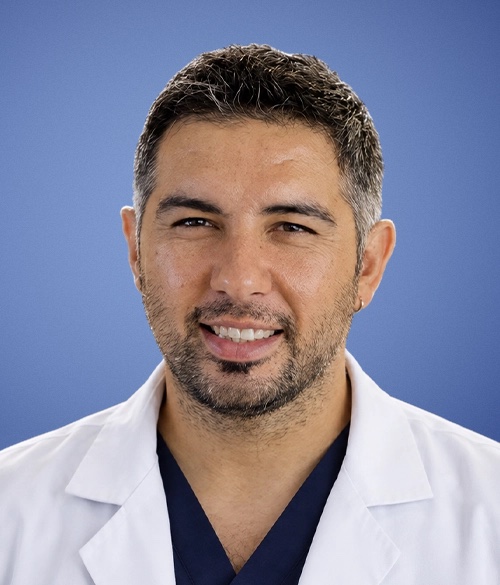

Assoc. Prof. Dr. Mustafa Çelik is an experienced ENT specialist with an academic background in ear, nose and throat diseases and head and neck surgery. Throughout his career, he has been actively involved in clinical practice, academic research, and medical education, contributing to numerous scientific studies and international medical publications.
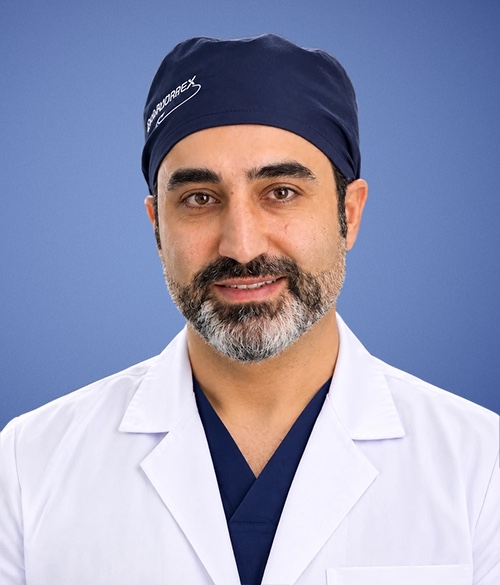
Op. Dr. Mustafa Karakaş is a highly experienced ENT specialist born in 1984, known for performing nearly 5,000 successful surgeries. After graduating from Cerrahpaşa Faculty of Medicine, he completed his specialization at Istanbul Haseki Training and Research Hospital. He is a Board-Certified surgeon who has been honored with a Certificate of Appreciation by the Istanbul Governorship for his medical services. His expertise focuses on aesthetic and functional procedures, particularly Rhinoplasty, Otoplasty, and advanced endoscopic sinus surgeries. Currently, he provides world-class care to loca...
Our medical consultants review all requests regularly, every three hours.
Get a free consultation and answers to all your questions by completing the form below
It may ease congestion, facial headache and discharge, and improve breathing and sense of smell in many patients. It also lets topical medications reach the sinuses more easily afterwards.
Usually people whose symptoms have not improved after adequate medical treatment over a sufficient period, or who have polyps or an anatomical blockage. An ear, nose and throat specialist decides after an examination and a CT scan.
Preparation includes an endoscopic examination, a CT scan and pre-anaesthesia tests. Tell your doctor about all your medications, especially blood thinners, and do not stop them on your own, as that decision belongs to your doctor. Fasting is usually required before surgery.
It is done through the nose with an endoscope under anaesthesia. The tissue causing the blockage is removed and the sinus openings are widened. There are usually no external wounds.
In the first days, expect a blocked nose, slight bloody discharge and facial pressure. Saline rinses are usually advised, and you should avoid forceful nose blowing and strenuous effort as instructed by your doctor, with visits for endoscopic cleaning of the nose.
Many patients notice improvement within weeks, but full assessment takes months. Symptoms may return in some patients, especially with allergy or polyps, so medical care and follow-up continue.
They include bleeding, infection, adhesions and changes in the sense of smell, and, rarely, cerebrospinal fluid leak or injury to the eye or blood vessels. The surgeon explains these risks according to your case.
It does not usually leave visible scars because it is done from inside the nose. Internal adhesions may form and are treated during follow-up.
Patients are often advised to stay about 5 to 7 days for the first check-up and nasal cleaning. The treating doctor confirms the travel date according to your condition.
Usually yes. Nasal sprays and rinses are prescribed, and other medicines may be added depending on the case. Following them supports healing and may reduce the chance of symptoms returning.