Definition

”

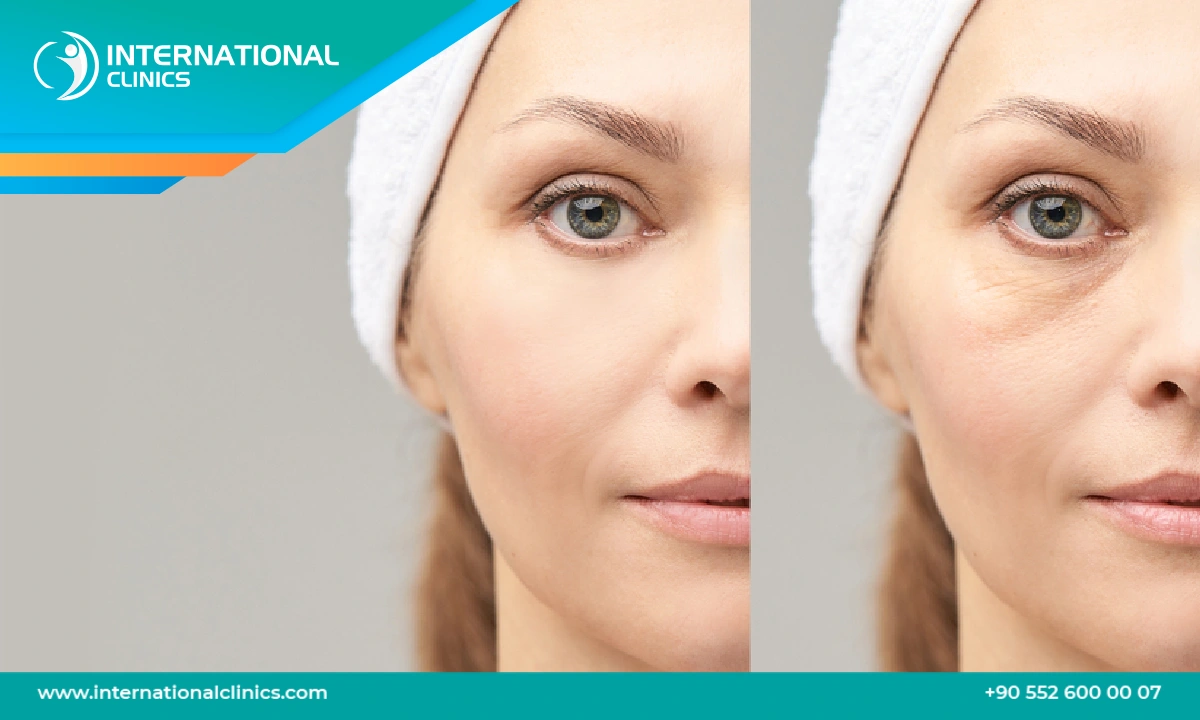
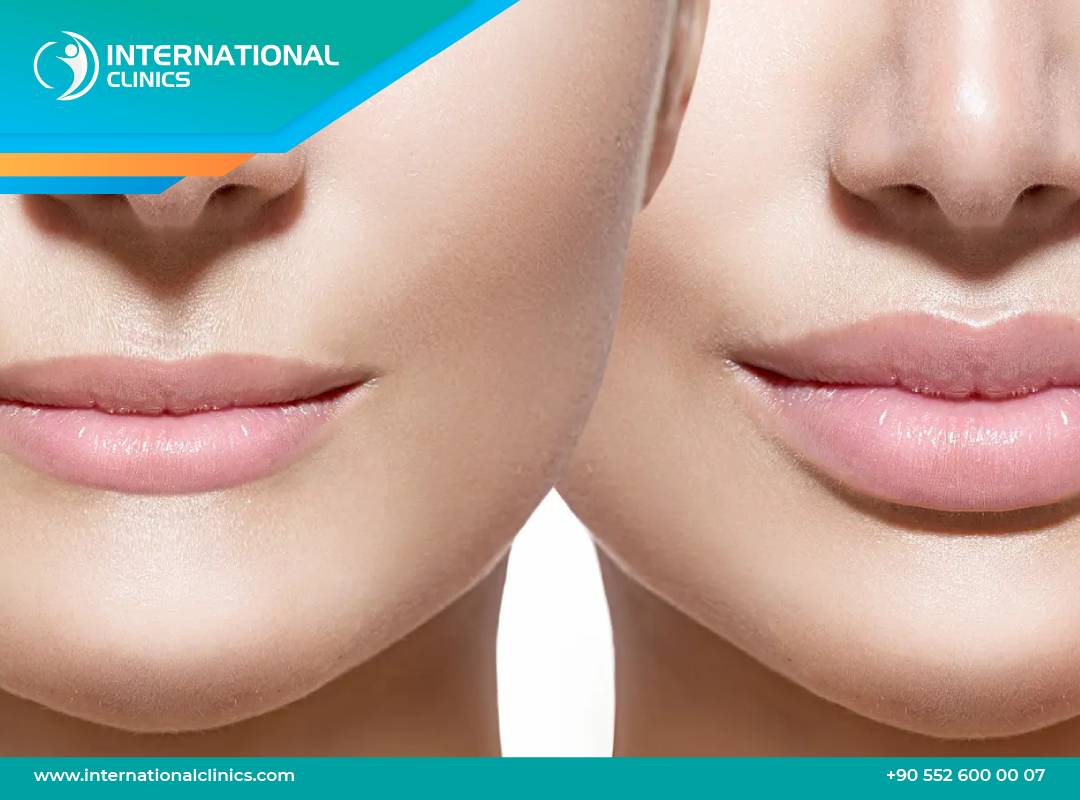
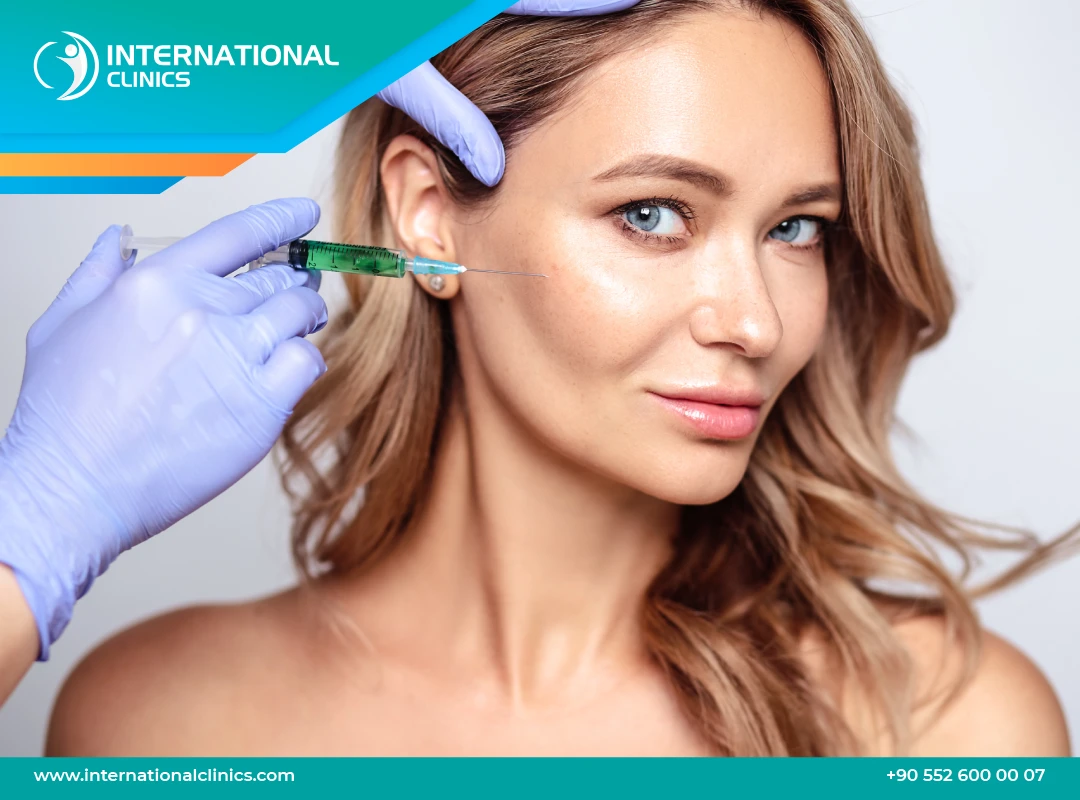
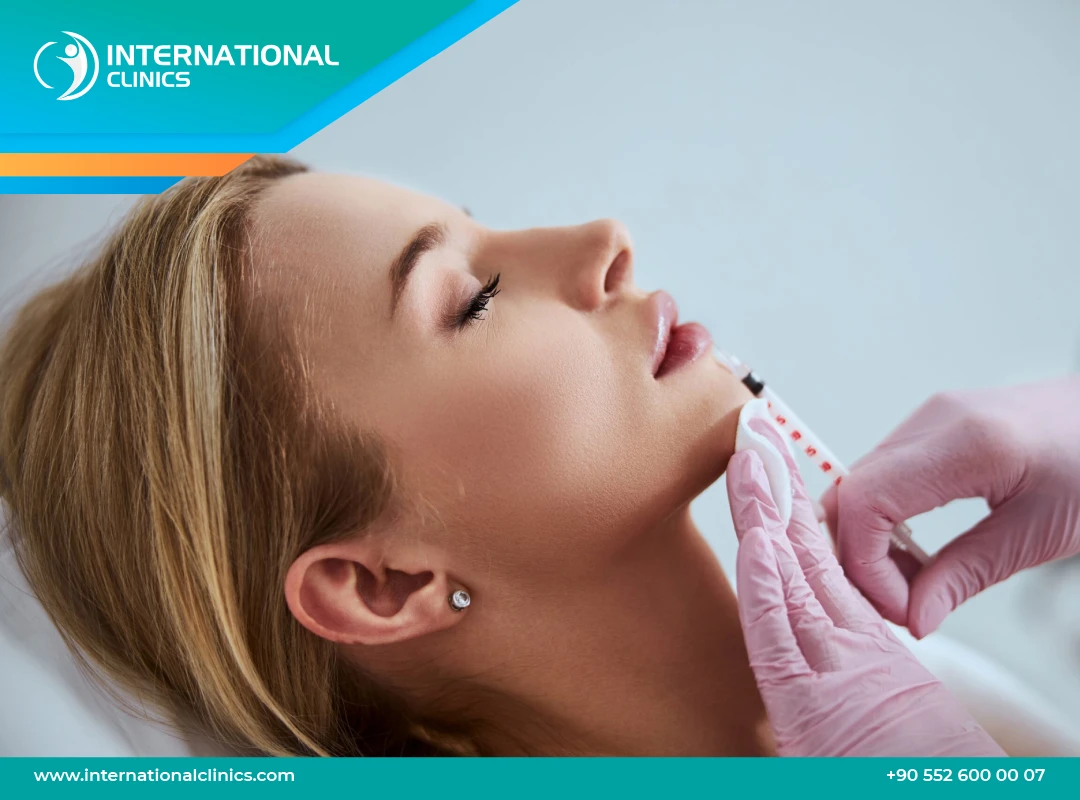
Hyaluronic acid dermal fillers are a non-surgical cosmetic treatment that restores lost volume, softens wrinkles and deep lines, and defines facial features such as the cheeks, lips and jawline. The aim is a fresher, more balanced look that appears natural.

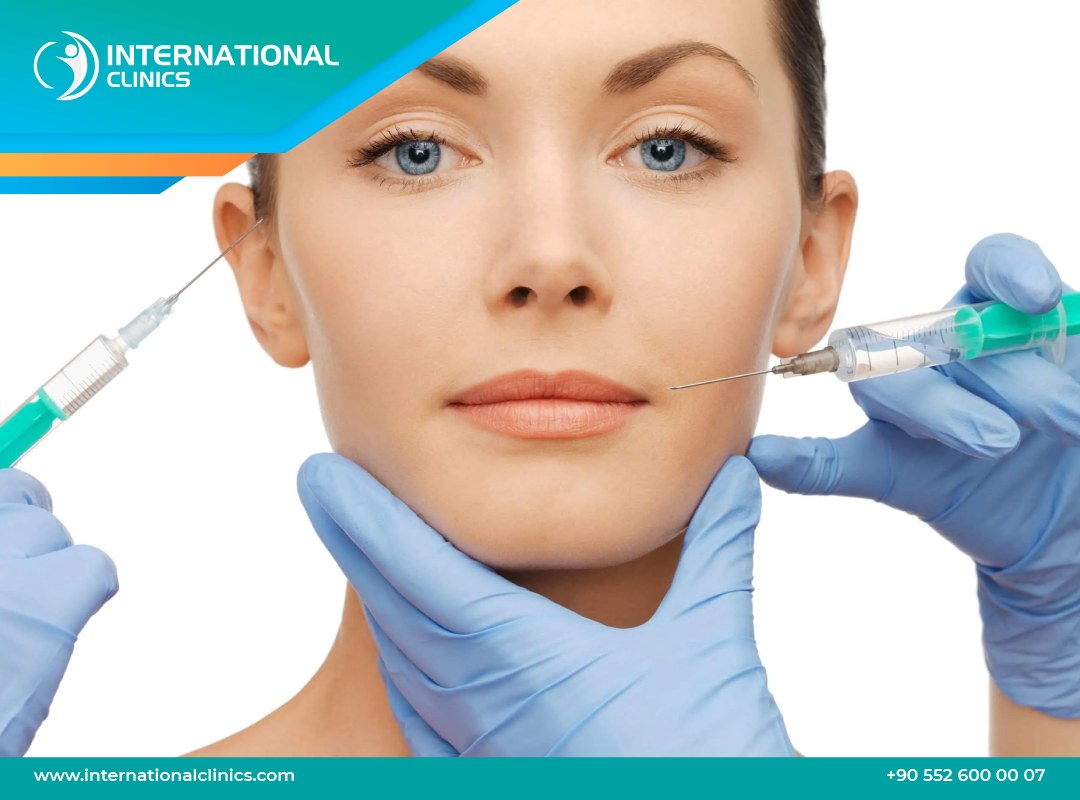
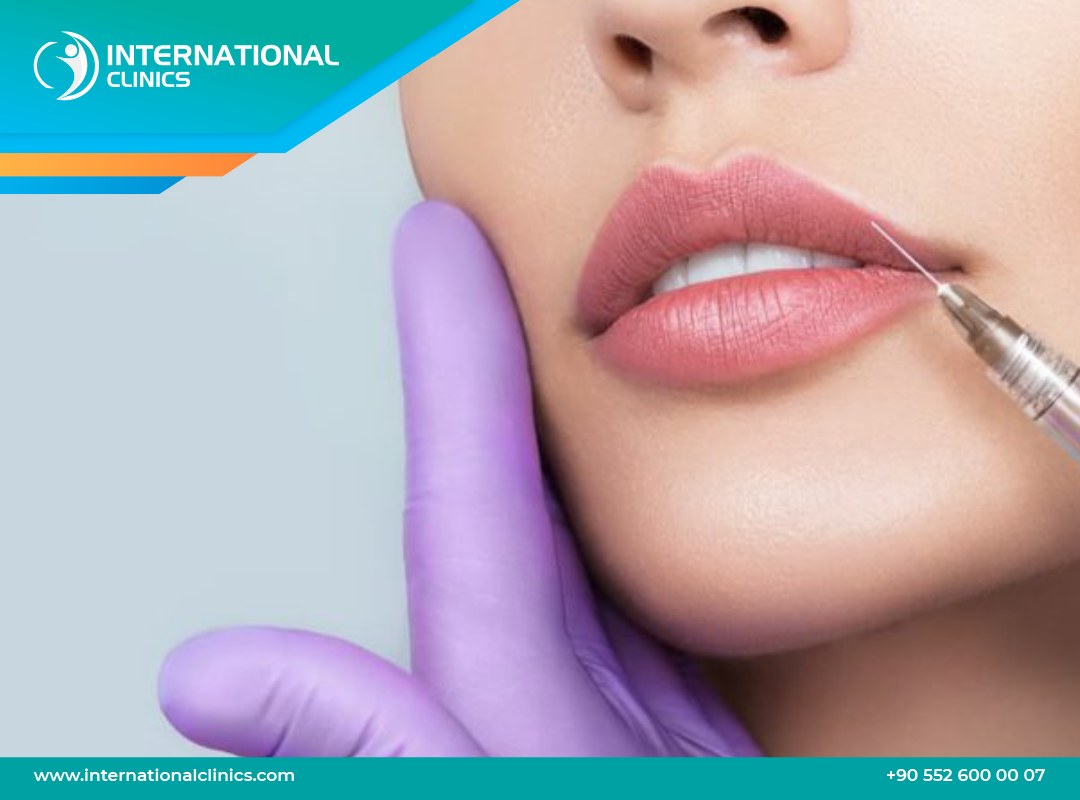
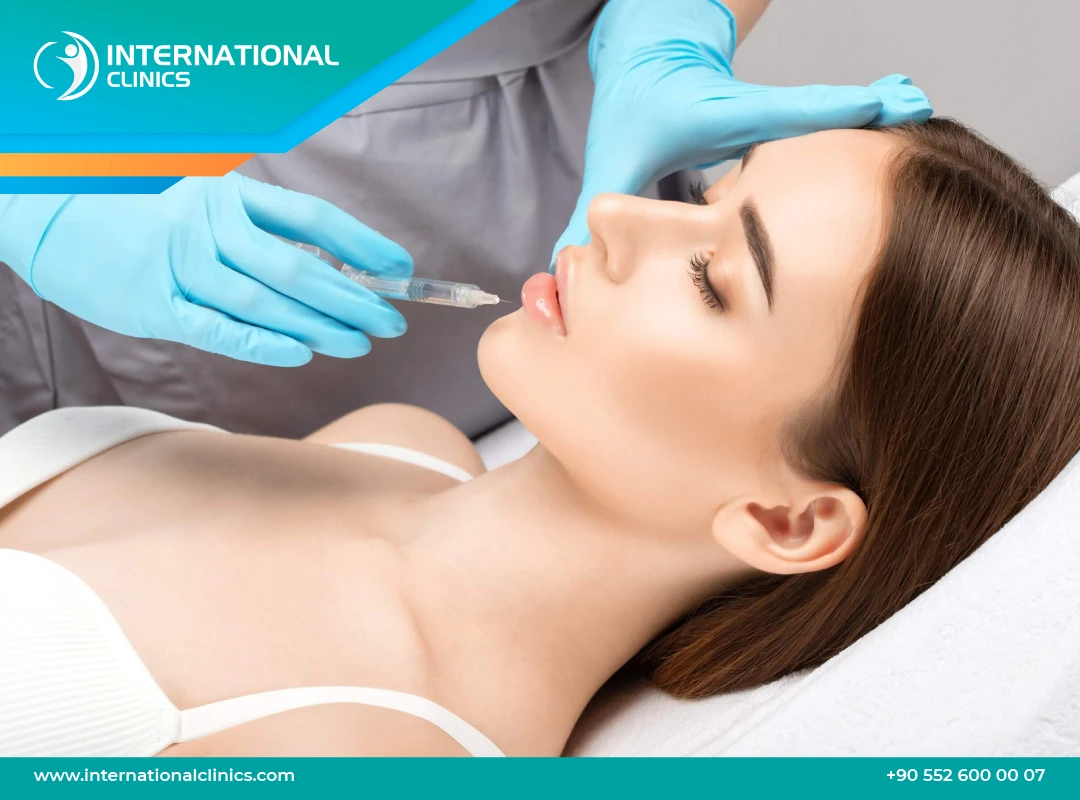
The hyaluronic acid gel is injected with fine needles or thin cannulas into the skin layer suited to each area. A topical numbing cream is often used, and some products contain a built-in anaesthetic. There are no surgical incisions, and the amount can be adjusted during the same session.

A session usually takes 15 to 45 minutes, and most people return to daily life straight away, though redness, swelling and mild bruising may appear and fade within days. The final result shows after one to two weeks and usually lasts from about 6 months to 2 years, depending on the product and the area treated.

Prices

Dermal fillers

Price on request
Share your case

The final cost is set after a medical consultant reviews your case and photos.

Articles

Free Consultation

Get a Free Quote

Our medical consultants review all requests regularly, every three hours.

  • Free Medical Consultation
  • Verified Specialist Doctors
  • 24/7 Fast Response

Let us contact you

Get a free consultation and answers to all your questions by completing the form below


Cosmetic Dermatology (Cosmetology)
Advanced Endoscopy Center
Aesthetic & Plastic Surgeries
Algology (Pain) Clinic
Andrology
Anesthesia and Reanimation
Audiology
Bariatric Surgery Center
Biochemistry
Bone Marrow Transplantation
Brain and Nerve Surgery (Neurosurgery)
Breast Health Center
Breast Surgery
Cancer (Oncology) Center
Cardiology
Cardiovascular Surgery (CVS)
Check Up Center
Chest Diseases (Lung Diseases)
Child and Adolescent Psychiatry
Child and Adolescent Psychology (Pedagogy)
Coronary Intensive Care Unit (CCU)
Cosmetic Dermatology (Cosmetology)
Ear Nose Throat Diseases
Endocrine Surgery
Endocrinology and Metabolic Diseases
Endometriosis Center
Esophageal Diseases Center
Eye Diseases
Gastroenterology
Gastroenterology Surgery
Gastrointestinal Oncologic Surgery Center
General Intensive Care
General Surgery
Genetic Diseases Evaluation Center
Geriatrics (Old Age Health) Department
Gynecologic Oncology (Women's Cancers)
Gynecology and Obstetrics
Hair Transplant
Hematology
Home Care and Health Services
Immunology and Allergic Diseases
Infectious Diseases and Clinical Microbiology
Internal Medicine (Internal Medicine)
Interventional Neuroradiology
Interventional Radiology
IVF and Reproductive Health Center
Kidney Transplant Center
KVC Intensive Care Unit
Liaison Psychiatry
Liver Transplantation Center
Liver-Pancreas-Gallbladder and Pathways (HPB) Center
Lung Nodule Center
Manual Medicine
Medical Oncology
Microbiology Laboratory
Muscle and Nerve Diseases Center (Neuromuscular Diseases)
Neonatal Intensive Care Unit (Neonatology)
Nephrology
Neurology
Nuclear Medicine
Nutrition and Diet
Oncological Surgery Center
Oral and Dental Health
Organ Transplantation Center
Orthopedics and Traumatology
Pathology
Pediatric Allergy
Pediatric Bone Marrow Transplant Unit
Pediatric Cardiology
Pediatric Cardiovascular Surgery
Pediatric Chest Diseases
Pediatric Development
Pediatric Endocrinology
Pediatric Gastroenterology
Pediatric Hematology
Pediatric Infectious Diseases
Pediatric Nephrology
Pediatric Neurology
Pediatric Oncology
Pediatric Physical Therapy and Rehabilitation Center
Pediatric surgery
Pediatric Urology
Pediatrics
Perinatology (High Risk Pregnancies)
Physical Medicine and Rehabilitation
Proctology Center (Hemorrhoid and Anorectal Diseases Unit)
Psychiatry
Psychology (Clinical)
Radiation Oncology (Radiotherapy)
Radiology
Respiratory Physiotherapy
Rheumatology
Robotic Orthopedic Surgery (Robotic Prosthesis Surgery)
Robotic Rehabilitation Center
Robotic Surgery Center
Skin and Venereal Diseases (Dermatology)
Sleep Disorders Center
Smoking Cessation Clinic
Spine Center (Spine Surgery)
Stroke and Brain Injury Rehabilitation Center
Test-Tube Babies (IVF)
Thoracic Surgery
Undiagnosed Diseases Center
Urinary Tract
Urology
Dermal fillers
Select Treatments ...


✓
Success!
Your message has been sent successfully. We will contact you soon.

Frequently Asked Questions

What are the benefits of dermal fillers?

They replace lost volume, soften lines and wrinkles, and improve the shape of the lips, cheeks and chin. The look is fresher, without surgery and without a long recovery.

Who are fillers suitable for?

Healthy adults who want to improve their features or soften signs of ageing and who have realistic expectations. They are usually not recommended during pregnancy and breastfeeding, with an active infection in the area, or with a known allergy to the product's ingredients.

How do I prepare for the session?

Depending on your doctor's advice, avoid aspirin, anti-inflammatory drugs, supplements that increase bleeding and alcohol beforehand, and tell the doctor about your medications and health. Never stop a prescribed medicine on your own; ask your doctor first. It is wise not to book the session just a few days before an important event, in case of bruising.

How is the session carried out?

The skin is cleaned and a numbing cream applied, then the filler is injected at planned points and gently massaged to spread it. The doctor checks symmetry during the session and adjusts the amount if needed.

What is recovery like?

Recovery is usually short. Redness, swelling or mild bruising may appear and fade within days. You may be advised to avoid strenuous exercise, high heat such as saunas, and pressure on the area for a short time, following your doctor's instructions.

When do results appear and how long do they last?

The effect is visible immediately and settles after one to two weeks as swelling subsides. It usually lasts roughly 6 months to 2 years, depending on the product, the area and the individual, and treatment can be repeated to maintain it.

What are the possible risks and complications?

Common effects are redness, swelling, bruising and temporary asymmetry. Infection, lumps or allergic reactions are uncommon. A rare but serious complication is a blocked blood vessel, which can damage the skin or vision, so treatment should be done by a trained doctor who knows facial anatomy. Severe pain, skin colour change or visual disturbance after injection needs urgent medical attention.

Can the filler be dissolved if I do not like the result?

Yes. Hyaluronic acid can be dissolved with an enzyme called hyaluronidase, and the doctor decides the right timing and amount.

Are the injections painful?

Most people feel only a pinch or mild pressure thanks to the numbing cream or the anaesthetic built into the product. Sensitive areas such as the lips are a little more uncomfortable.

How many days should I stay before flying home?

A long stay is usually not needed. Waiting a day or two to watch for swelling or bruising and to be reassured about the result is generally enough, and the treating doctor confirms the suitable time.

×
Get a Free Consultation

Our commitments to you

  • Reliable care at accredited, contracted institutions
  • A clear price agreed before you travel, with no hidden costs
  • Full medical support with professional interpreters
  • Clear treatment plans and follow-up to international standards
  • Personal assistance throughout your treatment journey
  • Complete confidentiality for all your medical information
✓
Success!
Your message has been sent successfully.
Chat with us
1 WhatsApp