Definition

”

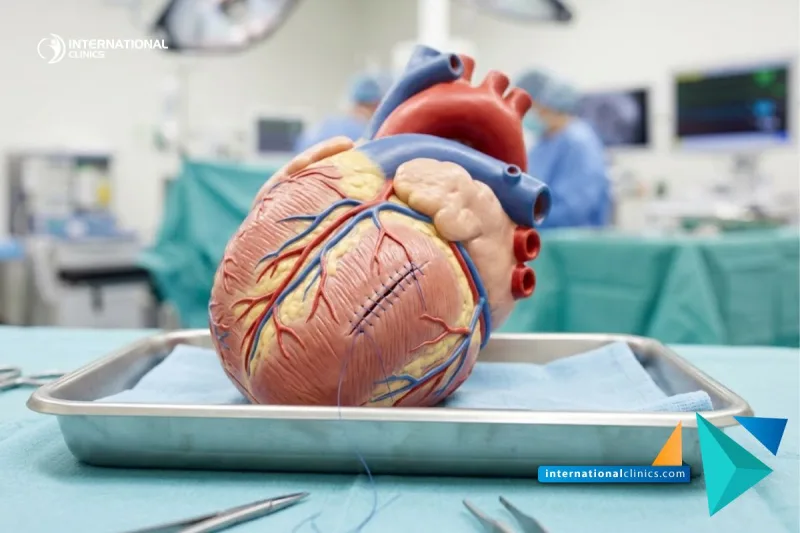
Coronary artery bypass grafting (CABG) is performed for patients whose coronary arteries are blocked or narrowed, which reduces blood flow to the heart muscle. It aims to improve blood flow to the heart and ease symptoms such as chest pain, and the medical team decides how suitable it is for each patient.

The surgeon takes a healthy vessel, such as the internal chest artery or a leg vein, and connects it to the coronary artery beyond the blockage, creating a new route for blood. It is done under general anesthesia, usually through an incision in the breastbone. Conventionally the heart is stopped temporarily and a heart-lung machine takes over; alternatively the heart keeps beating without the machine, and the team chooses what suits the case.

Surgery often lasts 3 to 6 hours, followed by intensive care and several days in hospital. The breastbone heals in about 6 to 8 weeks. Symptoms usually improve over weeks to months with cardiac rehabilitation and lifestyle changes.

Prices

Coronary artery bypass grafting (CABG)

Price based on your case
Share your case

Off-pump coronary artery bypass

Price based on your case
Share your case

The final cost is set after a medical consultant reviews your case and photos.

Free Consultation

Get a Free Quote

Our medical consultants review all requests regularly, every three hours.

  • Free Medical Consultation
  • Verified Specialist Doctors
  • 24/7 Fast Response

Let us contact you

Get a free consultation and answers to all your questions by completing the form below


Cardiovascular Surgery (CVS)
Advanced Endoscopy Center
Aesthetic & Plastic Surgeries
Algology (Pain) Clinic
Andrology
Anesthesia and Reanimation
Audiology
Bariatric Surgery Center
Biochemistry
Bone Marrow Transplantation
Brain and Nerve Surgery (Neurosurgery)
Breast Health Center
Breast Surgery
Cancer (Oncology) Center
Cardiology
Cardiovascular Surgery (CVS)
Check Up Center
Chest Diseases (Lung Diseases)
Child and Adolescent Psychiatry
Child and Adolescent Psychology (Pedagogy)
Coronary Intensive Care Unit (CCU)
Cosmetic Dermatology (Cosmetology)
Ear Nose Throat Diseases
Endocrine Surgery
Endocrinology and Metabolic Diseases
Endometriosis Center
Esophageal Diseases Center
Eye Diseases
Gastroenterology
Gastroenterology Surgery
Gastrointestinal Oncologic Surgery Center
General Intensive Care
General Surgery
Genetic Diseases Evaluation Center
Geriatrics (Old Age Health) Department
Gynecologic Oncology (Women's Cancers)
Gynecology and Obstetrics
Hair Transplant
Hematology
Home Care and Health Services
Immunology and Allergic Diseases
Infectious Diseases and Clinical Microbiology
Internal Medicine (Internal Medicine)
Interventional Neuroradiology
Interventional Radiology
IVF and Reproductive Health Center
Kidney Transplant Center
KVC Intensive Care Unit
Liaison Psychiatry
Liver Transplantation Center
Liver-Pancreas-Gallbladder and Pathways (HPB) Center
Lung Nodule Center
Manual Medicine
Medical Oncology
Microbiology Laboratory
Muscle and Nerve Diseases Center (Neuromuscular Diseases)
Neonatal Intensive Care Unit (Neonatology)
Nephrology
Neurology
Nuclear Medicine
Nutrition and Diet
Oncological Surgery Center
Oral and Dental Health
Organ Transplantation Center
Orthopedics and Traumatology
Pathology
Pediatric Allergy
Pediatric Bone Marrow Transplant Unit
Pediatric Cardiology
Pediatric Cardiovascular Surgery
Pediatric Chest Diseases
Pediatric Development
Pediatric Endocrinology
Pediatric Gastroenterology
Pediatric Hematology
Pediatric Infectious Diseases
Pediatric Nephrology
Pediatric Neurology
Pediatric Oncology
Pediatric Physical Therapy and Rehabilitation Center
Pediatric surgery
Pediatric Urology
Pediatrics
Perinatology (High Risk Pregnancies)
Physical Medicine and Rehabilitation
Proctology Center (Hemorrhoid and Anorectal Diseases Unit)
Psychiatry
Psychology (Clinical)
Radiation Oncology (Radiotherapy)
Radiology
Respiratory Physiotherapy
Rheumatology
Robotic Orthopedic Surgery (Robotic Prosthesis Surgery)
Robotic Rehabilitation Center
Robotic Surgery Center
Skin and Venereal Diseases (Dermatology)
Sleep Disorders Center
Smoking Cessation Clinic
Spine Center (Spine Surgery)
Stroke and Brain Injury Rehabilitation Center
Test-Tube Babies (IVF)
Thoracic Surgery
Undiagnosed Diseases Center
Urinary Tract
Urology
Coronary artery bypass grafting (CABG)
Select Treatments ...


✓
Success!
Your message has been sent successfully. We will contact you soon.

Frequently Asked Questions

What are the benefits of coronary bypass surgery?

It improves blood flow to the heart muscle and may ease chest pain and shortness of breath and increase exercise capacity. The treating team defines the expected benefit in each case, and it is not a final cure for arterial disease.

Who is this surgery suitable for?

It is for patients with multiple blockages or blockages in critical parts of the coronary arteries, or for whom other treatments are unsuitable, based on the heart team's assessment after angiography, imaging and heart tests. Diabetes, heart function and kidney function are also considered.

How do I prepare for surgery?

Blood tests, an ECG, X-rays and artery imaging are done, and the doctor reviews your medicines and may ask you to stop some. You are advised to quit smoking, fast before the operation and arrange for a companion to help after discharge.

How is the operation performed?

After general anesthesia the chest is opened, suitable vessels are harvested and then sewn to the coronary arteries. With the heart-lung machine, the machine pumps blood while the heart is temporarily stopped; in the off-pump approach, the grafts are done while the heart beats. The breastbone is then closed with wires.

What is the difference between on-pump and off-pump surgery?

The difference lies in using the machine with a temporarily stopped heart, not in the principle of the grafts themselves. The surgeon chooses the approach according to the number and location of the diseased arteries and the patient's general condition, and each approach has its own considerations.

What does recovery look like?

The first days are spent in intensive care and then in a ward, with gradual walking. Chest pain and tiredness are expected in the first weeks, with heavy lifting and early driving avoided, and cardiac rehabilitation is advised. Full recovery often takes several weeks.

When do results appear and how long do they last?

Symptoms often improve over weeks to months, and how long the grafts stay open depends on taking medicines, keeping a healthy lifestyle and controlling blood pressure, sugar and cholesterol. Regular follow-up with a cardiologist is essential.

What are the possible risks and complications?

Open-heart surgery is a major operation, and complications may include bleeding, wound infection, irregular heart rhythm, lung or kidney problems and stroke, with higher chances when other illnesses are present. The team discusses the risks specific to your case before you decide.

Does the surgery leave a scar?

Yes, it leaves a long scar in the middle of the chest, and sometimes another on the leg or arm if a vessel was taken from there. The scar fades with time but often remains visible.

How many days should I stay before flying after surgery?

Patients usually stay in hospital for several days and then need a check-up before travel; waiting several weeks is often advised, depending on recovery. Your treating doctor confirms the safe date for your case.

×
Get a Free Consultation

Our commitments to you

  • Reliable care at accredited, contracted institutions
  • A clear price agreed before you travel, with no hidden costs
  • Full medical support with professional interpreters
  • Clear treatment plans and follow-up to international standards
  • Personal assistance throughout your treatment journey
  • Complete confidentiality for all your medical information
✓
Success!
Your message has been sent successfully.
Chat with us
1 WhatsApp