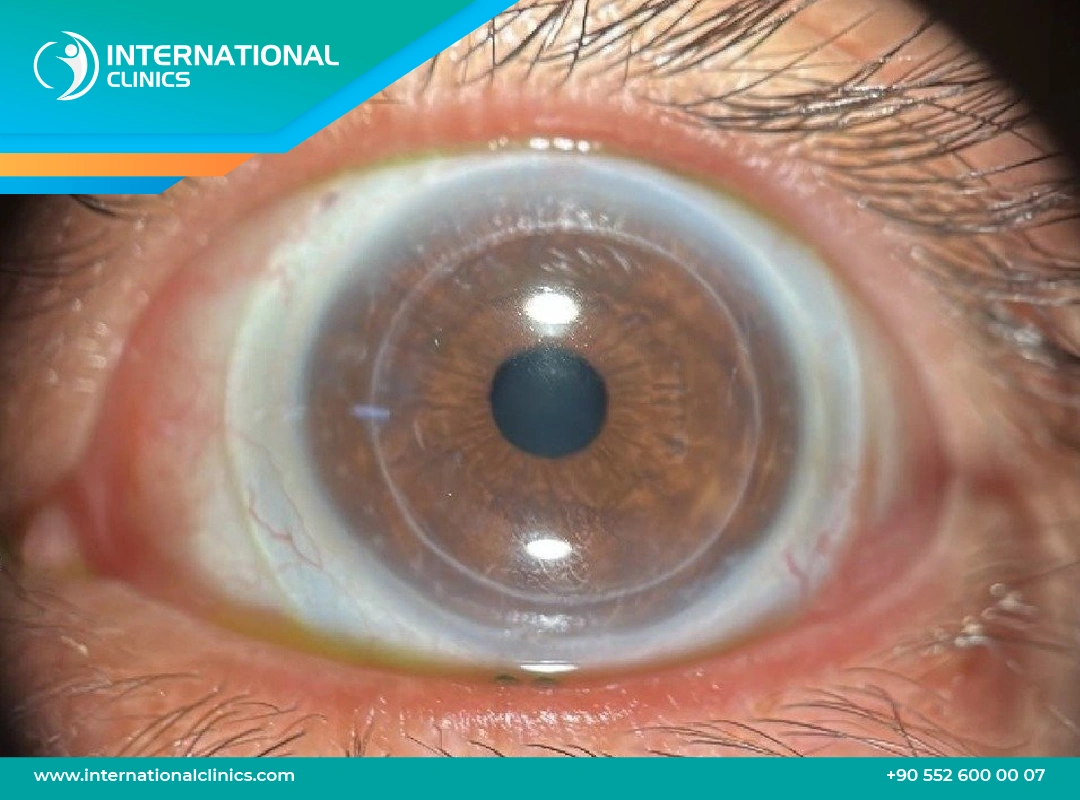
A corneal transplant replaces damaged or cloudy corneal tissue with healthy tissue from a donor. It is considered for reasons such as keratoconus, scarring after infection or injury, corneal swelling and inherited corneal disease, and its aim is to restore corneal clarity and improve vision.
Depending on the disease, the surgeon may replace the full thickness of the cornea or only the affected layers, then secures the donor tissue with fine stitches or an air bubble. The operation is usually done under local anaesthesia with a sedative, and general anaesthesia may be used when needed.
Surgery typically takes one to two hours, and patients often go home the same day or after one night. Vision improves gradually, and eye drops are needed for many months. Final vision may take from several months to a year to settle, and glasses or a contact lens may still be needed afterwards.
The final cost is set after a medical consultant reviews your case and photos.
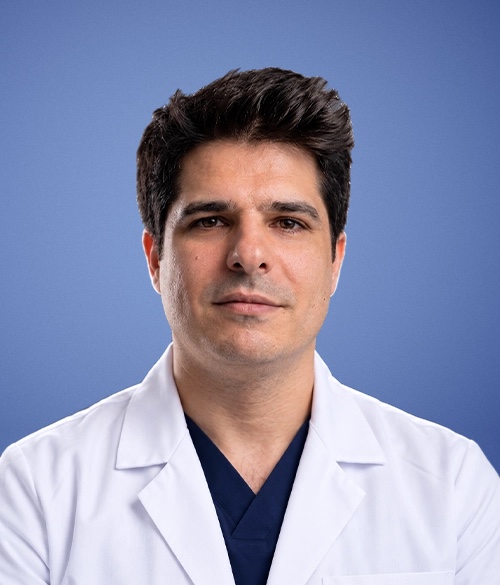

Op. Dr. Önder Aslan is an experienced specialist in ophthalmology. He completed his medical education at Dicle University Faculty of Medicine and specialized in eye diseases. His main areas of expertise include cataract surgery, laser eye treatments, and smart lens procedures. He provides modern and reliable treatments using advanced medical technologies. Dr. Aslan focuses on patient satisfaction and high-quality eye care.
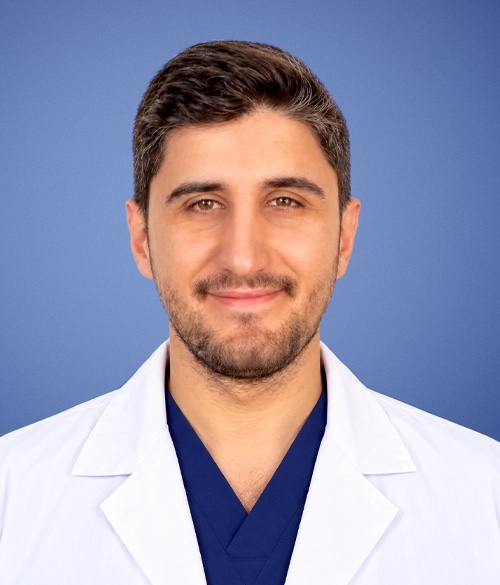
Asst. Prof. Dr. Muhammed Talha Sadık is an ophthalmologist at BHT Clinic Istanbul Tema Hospital. He graduated from Istanbul University Çapa Faculty of Medicine and has worked at Gaziosmanpaşa Yeni Yüzyıl University Hospital and Sultan Abdülmecit Training and Research Hospital. His clinical interests include cataract surgery, refractive surgery, laser treatments and smart lens implantation, as well as pediatric eye examination, strabismus, retinal diseases and retinopathy of prematurity.
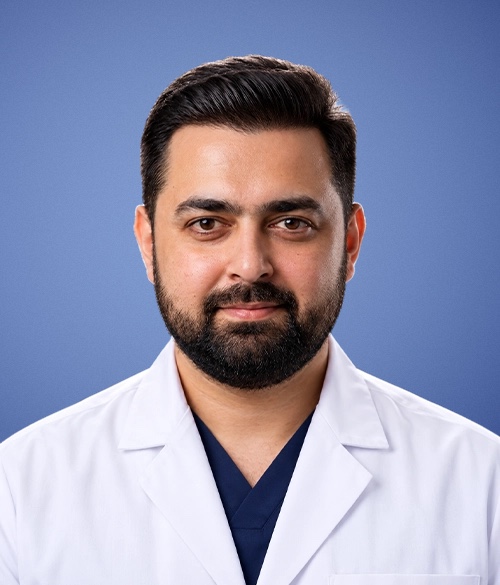
Dr. Muhammet Derda Özer is a Turkish ophthalmologist specializing in the diagnosis and treatment of eye diseases. He completed his medical education and ophthalmology residency at Istanbul University Istanbul Faculty of Medicine. Dr. Özer currently practices at Liv Hospital Ulus in Istanbul, where he provides advanced eye care services. His main areas of expertise include retina diseases, uveitis, ocular oncology, and cataract surgery. With more than eight years of clinical experience, he is also known for his scientific publications and academic contributions in ophthalmology. He focuses on p...
Our medical consultants review all requests regularly, every three hours.
Get a free consultation and answers to all your questions by completing the form below
It may be needed when the cornea loses clarity or regular shape because of keratoconus, scarring after infection or injury, or swelling, and glasses, lenses or medication no longer help enough. The goal is better vision, and a specific result cannot be promised.
A person whose corneal condition limits daily life and who has not benefited from other options. The doctor decides after tests that include corneal thickness, mapping and the health of the rest of the eye.
You have a full eye examination and a review of your medical history. Tell the doctor about all your medicines, and never stop a prescribed drug, including blood thinners, on your own; that decision belongs to the doctor. The date may depend on donor tissue becoming available.
The surgeon removes the damaged cornea, either fully or in layers, then places the donor tissue and secures it with fine stitches or an air bubble, depending on the technique chosen for your eye.
It is usually done under local anaesthesia with a sedative, so sharp pain is not expected, and general anaesthesia may be used in some cases. Afterwards, discomfort, light sensitivity and watering may occur in the first days.
The eye is protected with a shield, and anti-inflammatory and anti-rejection drops are used for months. You must not rub the eye and should avoid heavy exertion, dust and swimming, with regular check-ups; stitches may be removed later if needed.
Gradually rather than immediately. Vision may stay blurred for the first weeks and often settles over several months to a year. Glasses or a contact lens may be needed for the clearest possible sight.
In many patients it lasts for many years, but this cannot be guaranteed. The main risk is rejection, whose signs include a red, painful, light-sensitive eye and falling vision; these need medical attention right away.
They include rejection, infection, raised eye pressure (glaucoma), cataract and blurred vision from astigmatism. Occasionally the graft fails and repeat surgery is needed. The doctor explains these possibilities for your case.
Usually after a few days to about two weeks, once the doctor confirms the date at a follow-up check and the eye is stable without signs of infection or rejection. If an air or gas bubble was placed in the eye, do not fly until the doctor allows it.