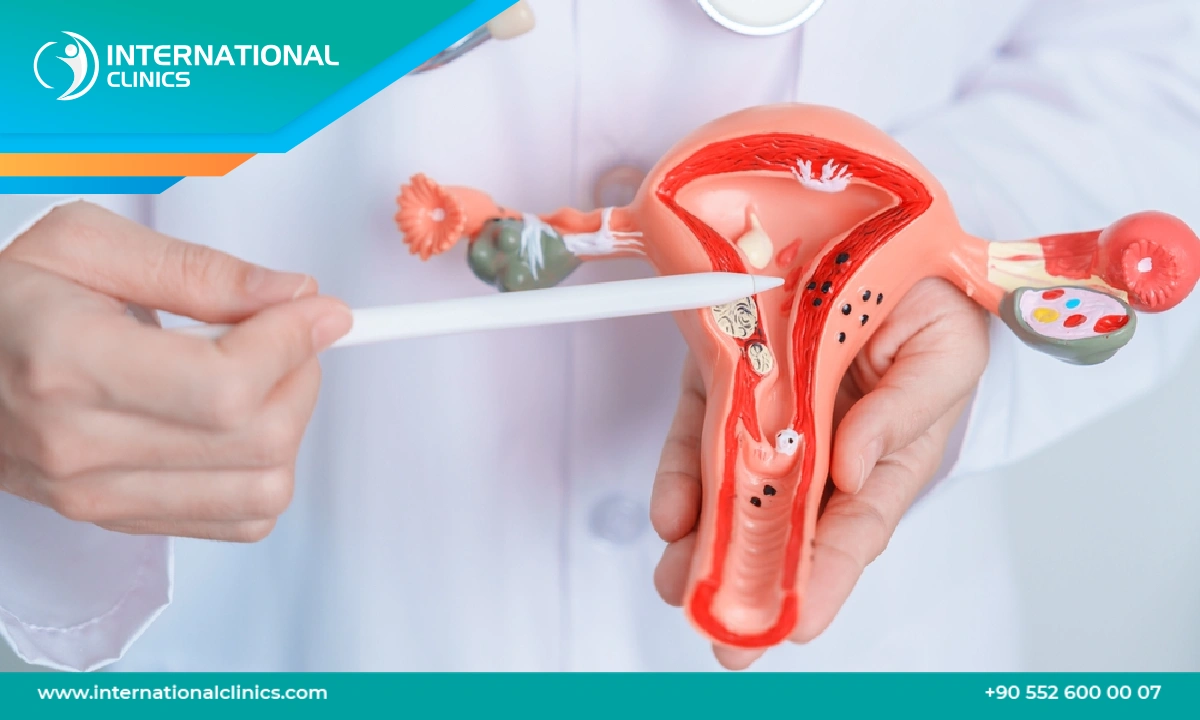
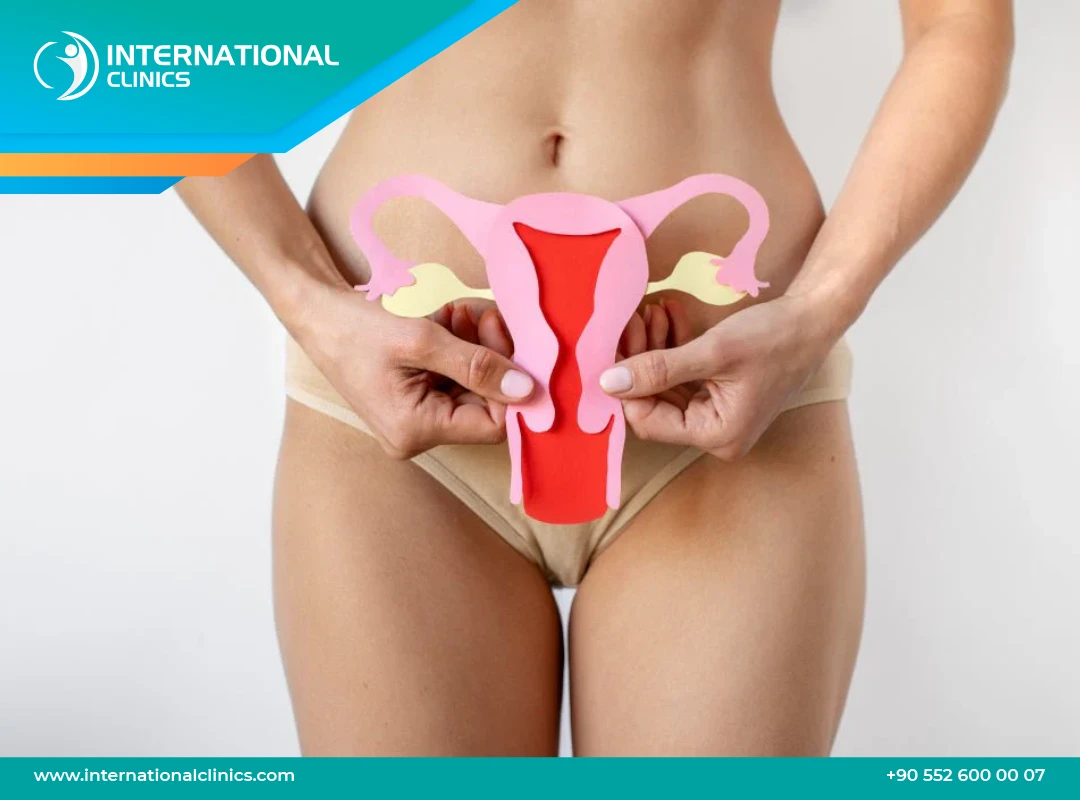
A cesarean section is a surgical delivery in which the baby is born through an incision in the abdominal wall and the uterus, rather than vaginally. An obstetrician recommends it when it is considered safer for the mother or the baby, with the aim of a safe birth for both mother and newborn.
It is usually performed under spinal or epidural anesthesia, so the mother stays awake; general anesthesia may be used in emergencies. The surgeon makes a low horizontal incision in the lower abdomen, then a second one in the uterus, delivers the baby and the placenta, and closes the uterus and the abdominal layers with sutures.
The operation usually takes between half an hour and an hour, and the hospital stay is often two to four days. Basic recovery generally takes about four to six weeks, while the scar gradually improves and the body regains its full strength over several months.
The final cost is set after a medical consultant reviews your case and photos.
Our medical consultants review all requests regularly, every three hours.
Get a free consultation and answers to all your questions by completing the form below
It allows the baby to be delivered safely when a vaginal birth could put the mother or baby at risk, and in some cases the date can be planned in advance. However, it is not better than a vaginal birth when there is no medical need for it.
Reasons may include an unfavorable position of the baby such as breech, placental problems such as placenta previa, obstructed or stalled labor, fetal distress, certain maternal illnesses, a previous cesarean in some cases, and twin pregnancy in certain circumstances. The obstetrician decides case by case.
Blood tests and an ultrasound scan are done, and the type of anesthesia is explained to you. Before a planned operation you are asked to fast for the period the team specifies. Never stop any medication on your own, and ask your doctor about blood thinners and diabetes drugs.
After anesthesia and cleaning of the abdomen, an incision is made in the skin, usually low and horizontal. The uterus is then opened, the baby and placenta are delivered, and the layers are closed. In most cases the mother can hold her baby soon afterward.
Gentle walking is encouraged on the first day, and wound pain may last a few days and is eased with painkillers prescribed by the doctor. Lifting heavy objects and driving are usually avoided for several weeks, and the doctor advises when to resume normal activities.
The visible wound usually closes within a few weeks, while the scar may take months to mature. A scar remains in the uterus and abdominal wall, and this is taken into account in a later pregnancy.
They may include bleeding, infection of the wound or uterus, blood clots in the veins, anesthesia-related problems, rare injury to nearby organs, and adhesions. In a later pregnancy, some risks related to the placenta or the uterine scar may be higher. The doctor explains these risks beforehand.
The scar is usually a low horizontal line near the underwear line that fades gradually over months. Its appearance differs from one woman to another, and the doctor may recommend specific wound care.
Waiting at least two weeks before a long trip is often advised, once the doctor has assessed the mother and the baby. Airlines may set a minimum age for newborns, so check with your doctor and the airline before booking.
This may be possible for some women, depending on the type of the previous incision, the reason for that operation and the current pregnancy. The doctor decides after an assessment whether a trial of labor is safe.