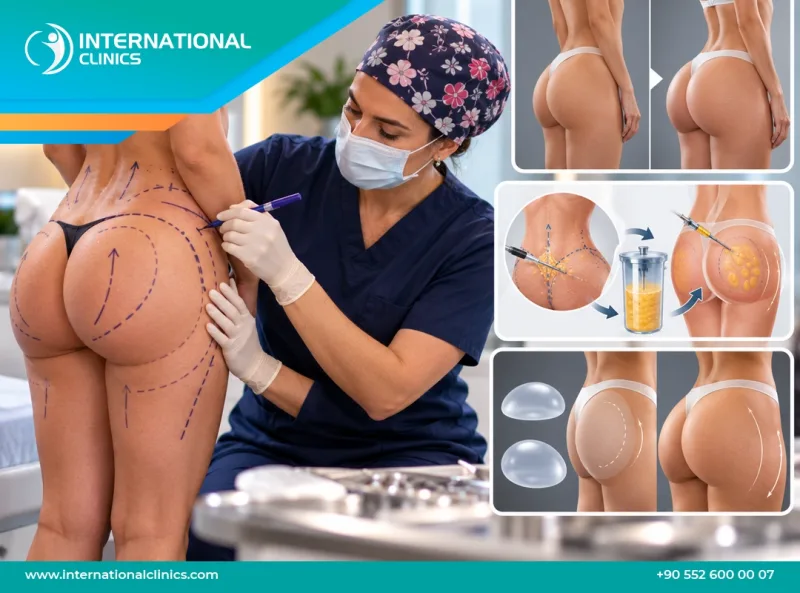
Buttock augmentation is a cosmetic operation that increases the volume and improves the shape of the buttocks, using either the patient's own fat, harvested by liposuction from another area, or dedicated silicone buttock implants. The goal is better contour and body proportion in people who feel their buttocks are small or flat, and the surgeon chooses the technique after examination.
The operation is performed under general anaesthesia. In fat transfer, fat is removed through small incisions from the abdomen, flanks or thighs, purified and injected under the skin above the muscle, never into it, to avoid the risk of fat embolism. With implants, an incision is made in the crease between the buttocks, the implant is placed in a suitable pocket and the incision is stitched. The two methods may be combined.
The operation usually takes two to four hours. Direct sitting and sleeping on the back are generally avoided for about three to four weeks, a compression garment is worn, and strenuous exercise is postponed for weeks. The final result usually becomes clear after three to six months, once swelling resolves and the transferred fat settles.
The final cost is set after a medical consultant reviews your case and photos.
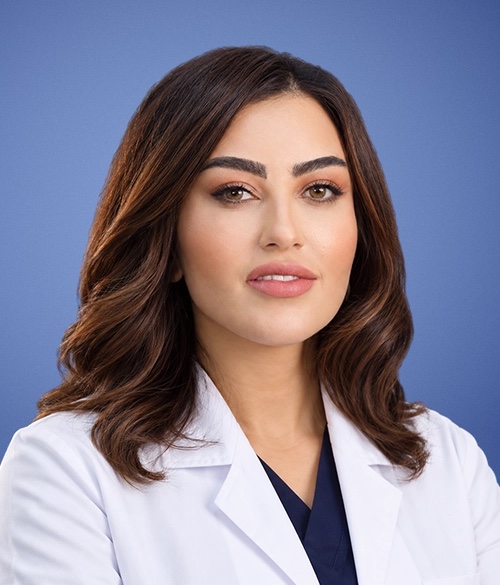

Bilgehan İlker completed his medical education at Trakya University Faculty of Medicine and specialized in Plastic, Reconstructive, and Aesthetic Surgery at Dokuz Eylül University. He has performed hundreds of aesthetic and reconstructive procedures and has participated in academic research projects supported by TÜBİTAK. Dr. İlker is also an active member of national and international plastic surgery societies.
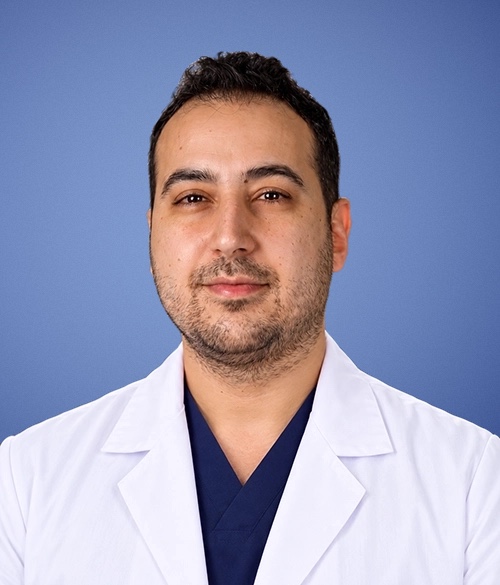
Op. Dr. Ali Can Günenc is a physician specializing in Plastic, Reconstructive, and Aesthetic Surgery. He completed his medical education between 2007 and 2013 at the Istanbul University Istanbul Faculty of Medicine. He then completed his residency at the University of Health Sciences Şişli Etfal Training and Research Hospital between 2013 and 2019, earning his title as a specialist. After advancing his professional career at Şişli Etfal and Yalova State Hospital, he currently provides services to his patients at the Medical Park Florya hospital. Dr. Günenc holds the European Board Certificate ...
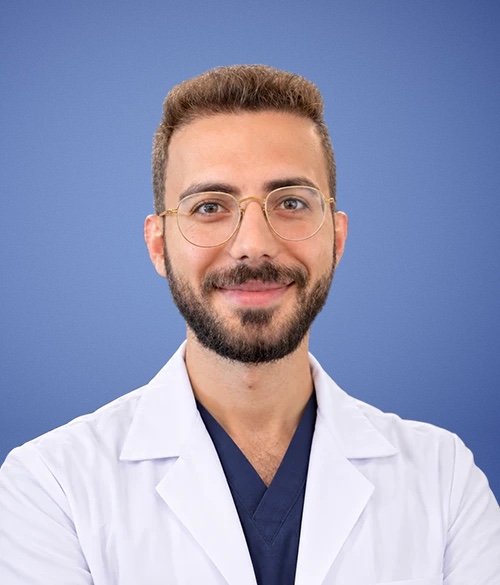
Asst. Prof. Dr. Emrah Köksal is a plastic, reconstructive and aesthetic surgeon at Medical Park Göztepe Hospital (since 2025). He graduated from Trakya University Faculty of Medicine (2017) and completed his specialty training at Gülhane Military Medical Academy (2017-2023), then worked at Hakkari Yüksekova State Hospital. His focus includes closed rhinoplasty, breast aesthetics, eyelid surgery, face and neck lift, liposuction and BBL, and body contouring lifts.
Prof. Dr. Halil İbrahim Canter is a plastic, reconstructive and aesthetic surgeon at Liv Hospital Vadistanbul (since 2022). A Hacettepe University graduate, he completed residency and a PhD in plastic surgery there, plus a craniofacial surgery fellowship at Providence Hospital, Michigan (USA). His interests include breast and facial aesthetic surgery, craniomaxillofacial surgery, hand surgery and cleft lip and palate repair.
Assoc. Prof. Dr. Erdem Güven is a plastic, reconstructive and aesthetic surgeon at Acıbadem Maslak Hospital, with the Acıbadem Healthcare Group since 2019. He graduated from Istanbul University Istanbul Faculty of Medicine (1998), qualified there in plastic surgery (2004), and holds subspecialty certification in hand surgery (2011) and oral and maxillofacial surgery (2012). His interests include breast augmentation and reduction, facelift, mommy makeover and Mohs reconstruction.
Prof. Dr. Naci Karacaoğlan is a plastic and reconstructive surgeon at Medipol Mega University Hospital and head of plastic, reconstructive and aesthetic surgery at Istanbul Medipol University. A 1984 Erciyes University graduate, he specialised in 1991, taught at Ondokuz Mayıs University, became associate professor in 1997 and joined Medipol in 2003, later serving as chief physician and medical faculty dean (2010-2025). He has published widely on flap and burn reconstruction.
Prof. Dr. Necmettin Kutlu is a plastic, reconstructive and aesthetic surgeon at Medicana International Istanbul (Beylikdüzü). He graduated from Istanbul University Faculty of Medicine in 1982 and specialised in plastic surgery at Ankara University in 1991, later working at Karadeniz Technical University and Okmeydanı Training and Research Hospital. His interests are aesthetic and reconstructive surgery, hand surgery and maxillofacial surgery, with publications on flaps and microsurgery.
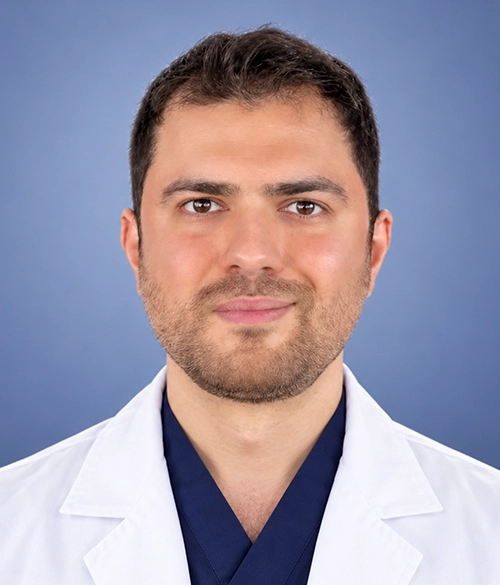
Dr. Salih Cem Altunal is a plastic, reconstructive and aesthetic surgeon at BHT Clinic Istanbul Tema Hospital. He graduated from Istanbul University Cerrahpaşa Faculty of Medicine and completed his specialty training at Istanbul Kartal Dr. Lütfi Kırdar City Hospital. He has since worked at Mersin City Hospital, Kartal City Hospital and Prof. Dr. Cemil Taşçıoğlu City Hospital. His practice covers rhinoplasty, tummy tuck, breast surgery, BBL, liposuction, face and neck lifts and eyelid surgery.
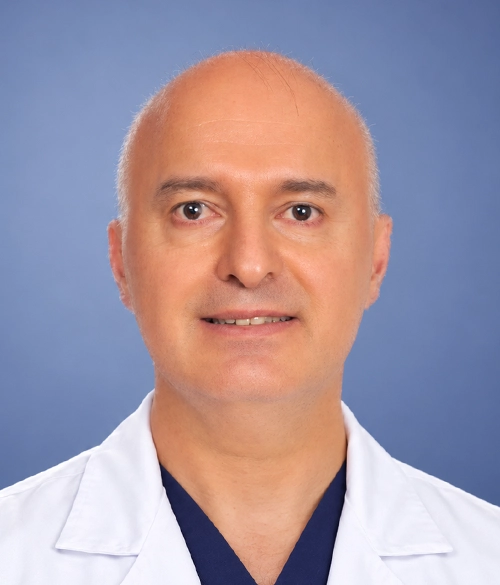
Prof. Dr. Yakup Çil is a plastic, reconstructive and aesthetic surgeon at Istanbul Aydın University VM Medical Park Florya Hospital. A 1997 graduate of Gülhane Military Medical Academy (GATA), he completed his plastic surgery residency there in 2005 and became an associate professor in 2015. He has led plastic surgery clinics at military and city hospitals in Eskişehir, Diyarbakır and Ankara, and focuses on facial and nasal surgery, breast aesthetics, microsurgery and reconstruction.
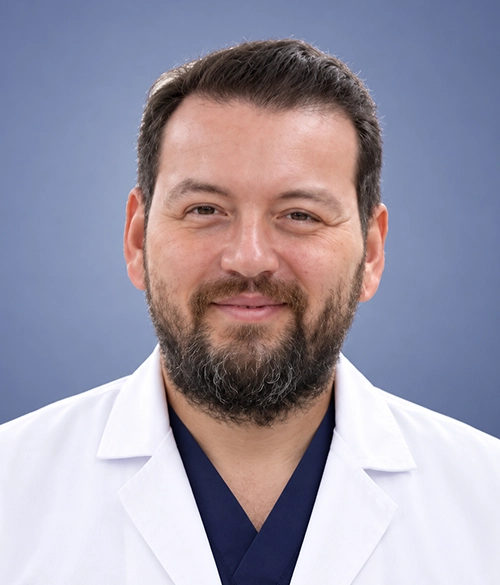
Assoc. Prof. Dr. Mehmet Emre Yeğin is a plastic, reconstructive and aesthetic surgeon at Liv Hospital Bahçeşehir and Liv Hospital Ulus. He studied medicine at Akdeniz University and completed his residency at Ege University's plastic surgery department, then worked in the plastic surgery and burn units of Ege University Hospital and Elazığ hospitals. His work covers aesthetic surgery, microsurgery, breast and head-and-neck reconstruction, lymphedema surgery and post-bariatric body contouring.
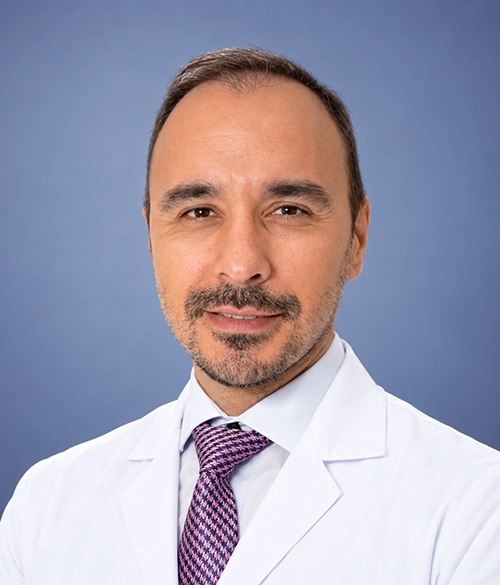
Assoc. Prof. Dr. Burak Özkan is a plastic, reconstructive and aesthetic surgeon at Medipol Mega University Hospital and Medipol Acıbadem Regional Hospital. A 2009 graduate of Ege University, he completed plastic surgery training at Başkent University (2015) and worked there as a faculty member until 2024. He performs breast, face, eyelid and body contouring surgery, as well as post-cancer breast reconstruction, microsurgery and skin cancer surgery.
Prof. Dr. Şükrü Yazar is a plastic, reconstructive and aesthetic surgeon at Acibadem Altunizade Hospital, with Acibadem since 2005 and professor at Acibadem University since 2013. Trained at Istanbul University Cerrahpaşa, he gained reconstructive microsurgery experience in Cambridge, Glasgow and at Chang Gung Memorial Hospital in Taiwan. He holds the European Board in plastic surgery and board certifications in hand and maxillofacial surgery.
Prof. Dr. Cihangir Tetik is a hand surgeon and microsurgeon at Acibadem Maslak Hospital, with Acibadem since 2007. A 1984 graduate of Ondokuz Mayıs University, he trained in orthopedics in Ankara, in hand surgery and microsurgery at the University of Utah, and in microsurgery research at Cleveland Clinic. Professor at Marmara University from 2005, he founded its hand surgery and microsurgery unit, and treats hand, wrist, nerve and tendon injuries and pediatric hand anomalies.
Prof. Dr. Hakan Ağır is a plastic, reconstructive and aesthetic surgeon and maxillofacial surgeon at Acibadem Altunizade Hospital, with Acibadem since 2020. A 1991 Hacettepe University graduate, he trained at Istanbul University and completed craniofacial fellowships in Adelaide, Wellington and at Chang Gung in Taiwan. Professor at Kocaeli University from 2015, he holds the European Board (FEBOPRAS) and treats cleft lip and palate, facial anomalies, rhinoplasty and breast surgery.
Op. Dr. M. Baver Acaban is a plastic, reconstructive and aesthetic surgeon at Medical Park Pendik and Maltepe. He graduated from Istanbul University Cerrahpaşa Faculty of Medicine in 2012 and completed plastic surgery training at Mersin University (2015-2020). He worked at Tarsus State Hospital, Mersin City Hospital and Acıbadem Taksim and Fulya hospitals, co-translated the Turkish edition of Kevin Chung's 'Flaps in Plastic and Reconstructive Surgery' and has published on free flaps and hand reconstruction. He performs blepharoplasty, rhinoplasty, facelift, breast, liposuction, tummy tuck and ...
Op. Dr. Hüsrev Purisa is a hand and microsurgery specialist at Liv Hospital Bahçeşehir. He graduated from Istanbul University Faculty of Medicine and completed his specialty training in plastic and reconstructive surgery at Istanbul University. He worked at İren Hospital from 1998 to 2000 and at Tem Hospital from 2000 to 2018. His practice covers hand and finger injuries, chronic and autoimmune hand disorders, and nail deformities.
Opr. Dr. Ahmet Aydın is a specialist in Plastic, Reconstructive, and Aesthetic Surgery based in Istanbul. He graduated from Cerrahpaşa Medical Faculty and completed his specialty training at Erciyes University. He received microvascular surgery training in Taiwan and has worked at Hakkari State Hospital and Medipol Mega University Hospital. He currently sees patients at his private clinic.
Dr. Nargiz Ibrahimli is a specialist in plastic, reconstructive and aesthetic surgery at Acıbadem Kent Hospital in İzmir. She graduated from Azerbaijan Medical University Faculty of Medicine in 2017 and completed her specialty training in plastic, reconstructive and aesthetic surgery at Ege University Faculty of Medicine in 2024. She joined the Acıbadem Healthcare Group in October 2024 and has 8 years of medical experience.
Prof. Dr. A. Özlem Gündeşlioğlu is a plastic, reconstructive and aesthetic surgeon at Medicana International Izmir Hospital. A 1993 Ankara University graduate, she specialised at Ankara Dışkapı Training and Research Hospital in 2002 and trained in the Department of Plastic and Reconstructive Surgery at MD Anderson Cancer Center in Texas. Formerly at Necmettin Erbakan University Meram, she performs head and neck and breast reconstruction, rhinoplasty, facial aesthetics and body contouring.
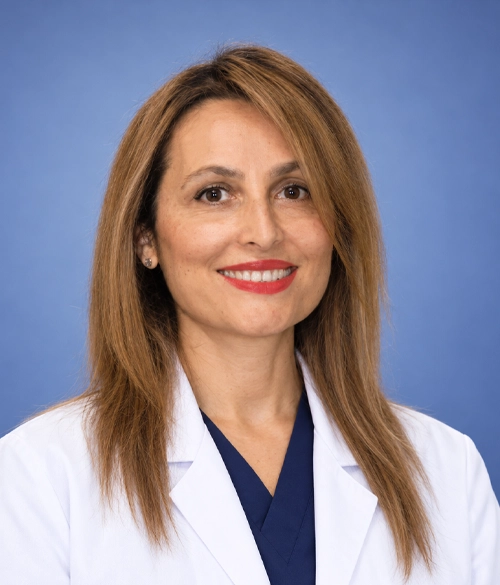
Prof. Dr. Dilek Demirez is a plastic, reconstructive and aesthetic surgeon at Medstar Antalya Hospital. She graduated from Ankara University Faculty of Medicine in 1994 and completed her plastic surgery residency there (1997-2002). She worked at Ankara Numune Training and Research Hospital, Abant İzzet Baysal University and Antalya Training and Research Hospital, then at Medical Park Antalya, before joining Medstar Antalya in 2022. She became associate professor in 2011 and professor in 2018. She performs rhinoplasty, eyelid surgery, tummy tuck, neck lift and gynecomastia surgery, and treats c...
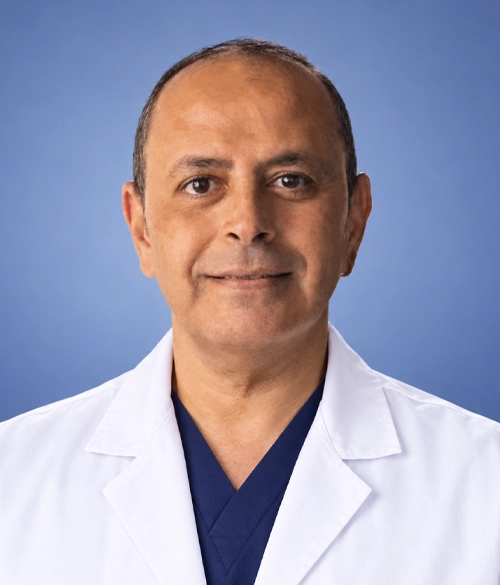
Prof. Dr. Ümit Naci Karaçal is a plastic, reconstructive and aesthetic surgeon at Memorial Ankara Hospital, where he also works in the Breast Center. He graduated from Hacettepe University Faculty of Medicine in 1994 and trained in plastic surgery at Ankara Numune Training and Research Hospital (1994-1999), where he then served as chief resident. He was a faculty member in plastic surgery at Karadeniz Technical University in Trabzon for over two decades (2001-2023) and at İzmir Bakırçay University (2023-2024) before joining Memorial Ankara in 2024. He performs rhinoplasty, breast reduction and...
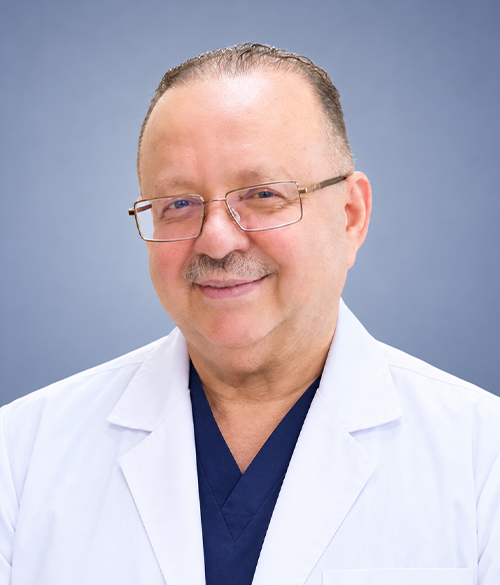
Dr. Adham Mansour is a specialist plastic surgeon at Dr. Sulaiman Al Habib Hospital, Dubai Healthcare City. He trained as a specialist in plastic surgery and laser in France and is director of the Syrian Center for Plastic Surgery and Laser in Damascus. He is a member of IPRAS and the International Society of Hair Restoration Surgery. His work covers laser liposuction and fat transfer, breast surgery, tummy tucks, facial rejuvenation, rhinoplasty and hair transplants.
Our medical consultants review all requests regularly, every three hours.
Get a free consultation and answers to all your questions by completing the form below
It may increase buttock volume, improve body proportion and give a fuller contour. The result depends on body structure and the chosen technique, and varies between people.
Adults in good general health with a stable weight and realistic expectations. Fat transfer requires enough fat that can be harvested, and implants require enough tissue to cover them.
Blood tests and an anaesthesia assessment are done. Stopping smoking for some weeks beforehand is advised to lower clot and poor-healing risks. Only the doctor decides whether any medication is adjusted; patients should never stop prescribed drugs on their own.
Under general anaesthesia, either by liposuction and injection of fat under the skin of the buttocks, by placing silicone implants through an incision in the crease between the buttocks, or by combining both, according to the surgeon's assessment.
Swelling, bruising and discomfort are expected during the first weeks. Avoiding direct sitting and sleeping on the back for about three to four weeks, wearing a compression garment and returning gradually to activity under medical guidance are usually advised.
The result becomes clear after several months. Part of the transferred fat may be absorbed, so the final volume can differ from expectations. Implants last long but may need review or replacement over time. Weight changes also affect the result.
They include infection, bleeding, fluid collection, asymmetry, scars and changes in sensation. Fat injection can, rarely, cause serious fat embolism, which may be fatal. Implants may move, become exposed or develop firm scar tissue around them. Smoking and immobility increase the risk of blood clots.
With fat transfer the scars are small and sit at the liposuction sites. With implants the incision is usually in the crease between the buttocks. Scar quality varies with skin type and healing.
Waiting two weeks or more is usually advised because of clot risk and the need to avoid prolonged sitting, but the treating doctor confirms the right timing for your case.
Fat transfer uses your own fat and softens the contour, but some volume may be lost and it carries a rare risk of fat embolism. Implants provide a more stable volume but carry their own specific risks. The surgeon recommends the better option after examination.