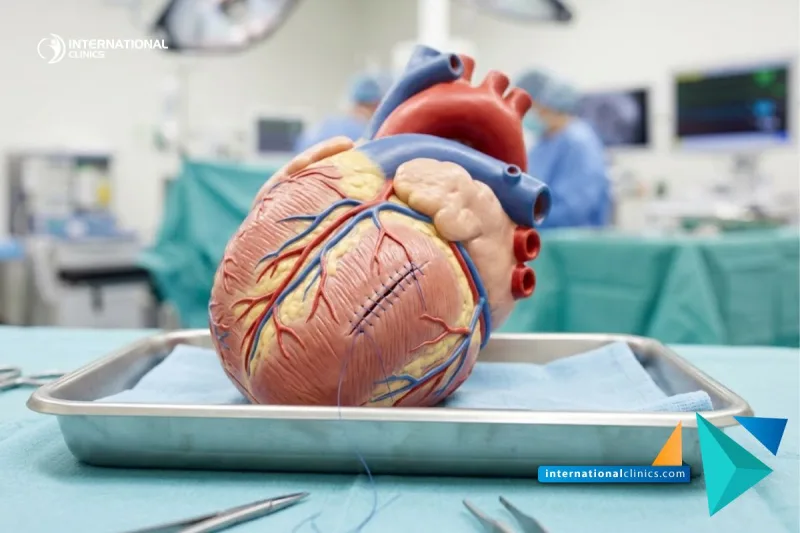
Aortic valve replacement is a heart operation in which a new valve takes the place of a narrowed or leaking aortic valve. Doctors consider it when the damaged valve obstructs blood flow from the heart to the body, and the aim is to improve heart function and relieve symptoms such as breathlessness, fainting and chest pain.
The operation is performed under general anesthesia, usually through a chest incision, while a heart-lung machine temporarily takes over the work of the heart and lungs. The surgeon removes the diseased valve and fits a mechanical or biological one, chosen according to the patient's age and general health.
Surgery usually takes several hours, followed by a stay in intensive care and then several days on the ward. Full recovery generally takes weeks to a few months, and heart performance improves gradually over weeks to months. The treating team sets a treatment and follow-up plan for each case.
The final cost is set after a medical consultant reviews your case and photos.
Our medical consultants review all requests regularly, every three hours.
Get a free consultation and answers to all your questions by completing the form below
It may relieve symptoms such as breathlessness, tiredness, chest pain and fainting, and it may ease the strain a faulty valve places on the heart. The degree of benefit depends on each patient's condition.
Patients with severe narrowing or leakage of the aortic valve who have symptoms or whose heart function is affected. The heart team decides after the tests, taking age and other health conditions into account.
Preparation usually includes blood tests, an ECG and an echocardiogram, and sometimes catheterization or a CT scan. The doctor will tell you when to fast, and you should not stop any medication, including blood thinners, unless instructed.
It is usually done under general anesthesia through a chest incision, with a heart-lung machine, and the diseased valve is replaced with a mechanical or biological one. The surgeon chooses the approach and valve type for each patient.
Patients usually spend a few days in intensive care and several more in hospital. Returning to full activity takes weeks and sometimes months, with a cardiac rehabilitation programme as advised by the doctor.
Many patients notice gradual improvement over weeks to months. How long a valve lasts depends on its type and the patient's condition, and the doctor sets the follow-up schedule.
As with any major heart surgery, complications may include bleeding, infection, heart rhythm problems, blood clots, problems with the new valve and anesthesia effects. The doctor explains these risks for your situation before surgery.
Yes, the chest incision leaves a scar that usually fades with time, to a degree that varies from one patient to another.
Patients usually remain under follow-up for around two to four weeks after surgery, and sometimes longer. The treating doctor confirms the appropriate time to travel for your condition.
Often yes. A mechanical valve usually requires lifelong blood thinners, whereas a biological valve may need a shorter course of treatment. Never stop medication on your own; that decision belongs to the doctor.