
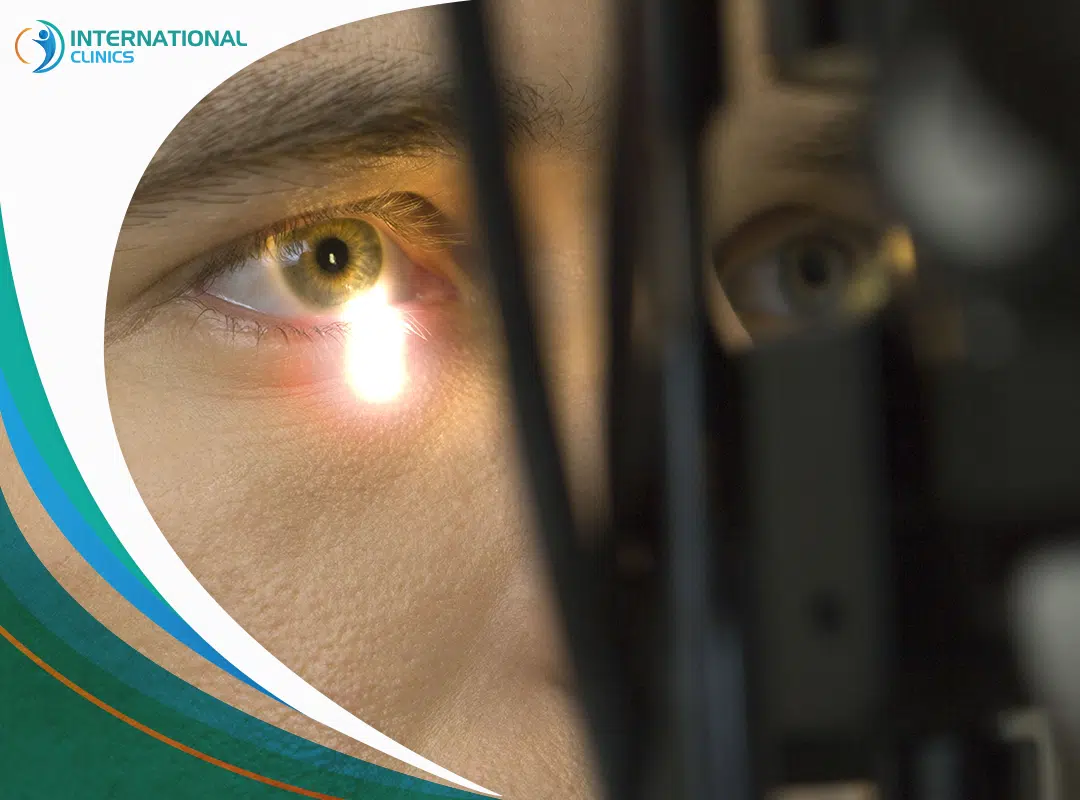
Optomap Retinal Imaging vs Dilation: Benefits, Uses, & Risks
https://internationalclinics.com
FAQ's
Is Eye Dilation Painful?
Not exactly. Eye dilation is not a painful procedure, but you may feel a sting in your eye and certain level of discomfort. Most people tolerate these symptoms, and everything returns to normal after an eye examination.
How Do I Get My Eyes Back to Normal After Dilation?
You must rest in your home and avoid going to work after getting eye dilation. Try also to rest in a dark room and wear sunglasses when going outside in the sun.
Why Do I Feel Sick After Getting My Eyes Dilated?
Unfortunately, some people experience unwanted symptoms after eye dilation because the body can absorb these drops and interact with them systemically. Some people may feel a spike in blood pressure, dizziness, and headache.
What Can Be Seen on Optomap?
Optomap device can help diagnose and see eye diseases and symptoms of systemic problems. This includes diabetic retinopathy, high blood pressure, macular degeneration, retinal holes, and retinal detachments.
Can Optomap Detect Cataracts?
Yes of course. Optomap retinal imaging can detect cataracts easily. However, doctors don’t rely only on Optomap retinal imaging to diagnose cataracts. There are other cheaper alternatives to detect cataracts.
Can Optomap Detect Glaucoma?
Yes of course. In fact, doctors can use Optomap retinal imaging to detect almost any type of glaucoma.
Can Optomap Detect Retinal Tear?
Optomap retinal imaging can detect retinal detachments without a problem; however, detecting retinal holes and tears might be a problematic due to limitations in the optics according to a study from 2009. Things are developed pretty much since then.
×
Get a Free Consultation
International Clinics Guarantees
Reliable medical care provided within our accredited facilities
Final fixed price with no hidden costs
Full medical support with professional interpreters
Clear treatment plans and follow-up at international standards
Personalized assistance throughout the entire treatment journey
We use our own cookies and third-party cookies so that we can display this website and better understand how you use it, with the aim of improving the services we offer. If you continue browsing, we consider that you have accepted the cookies.