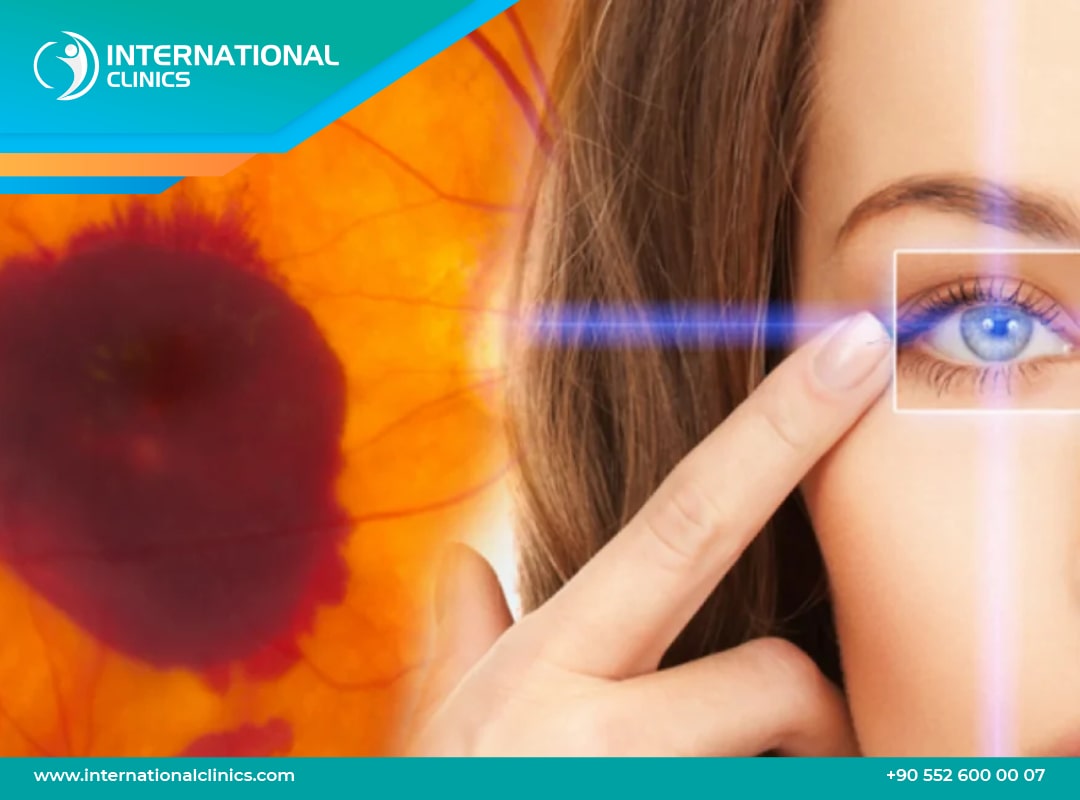
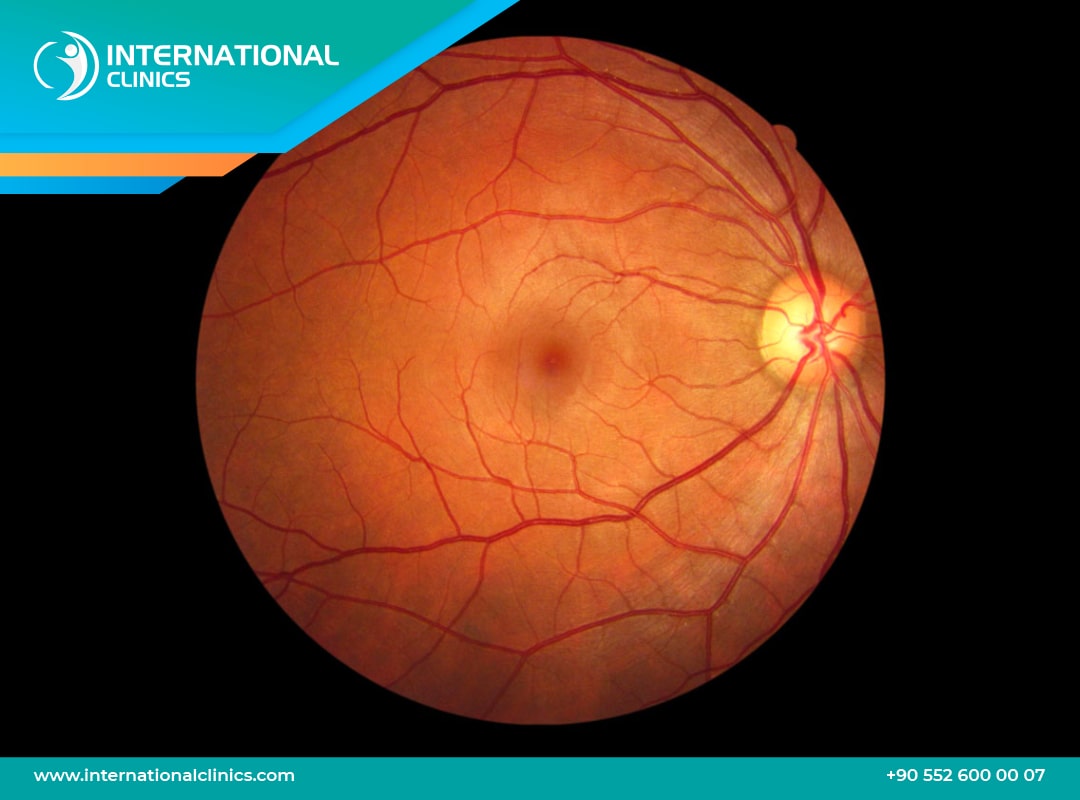
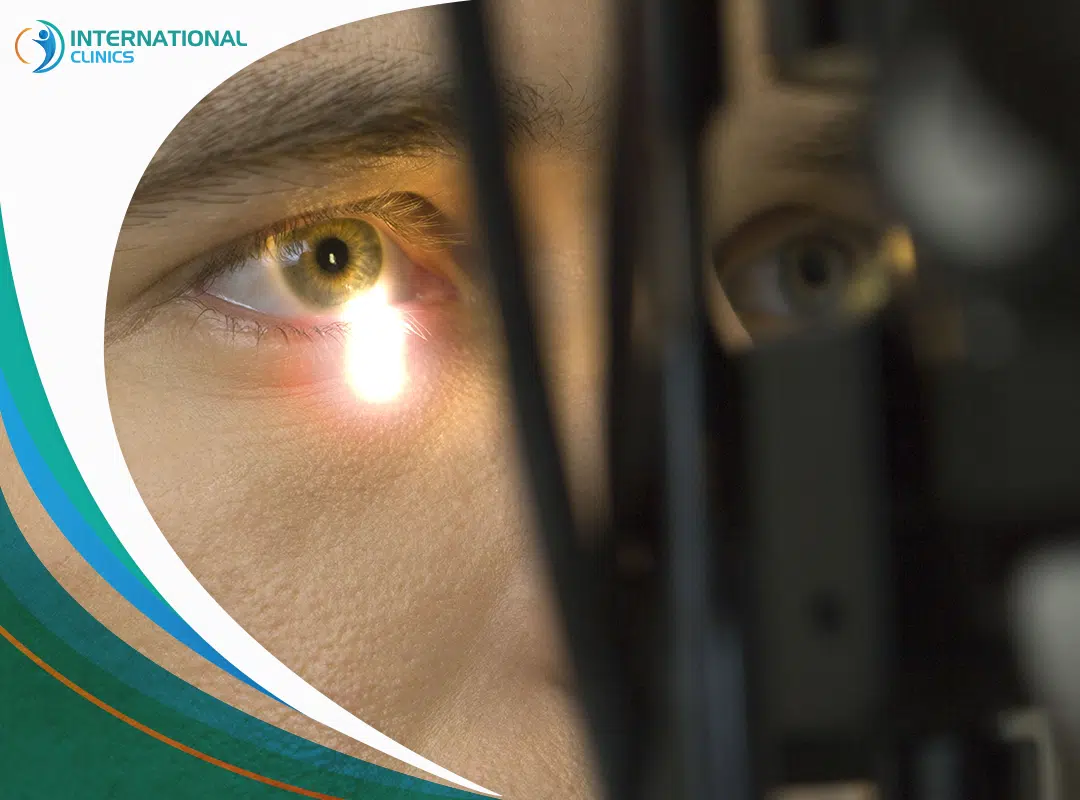
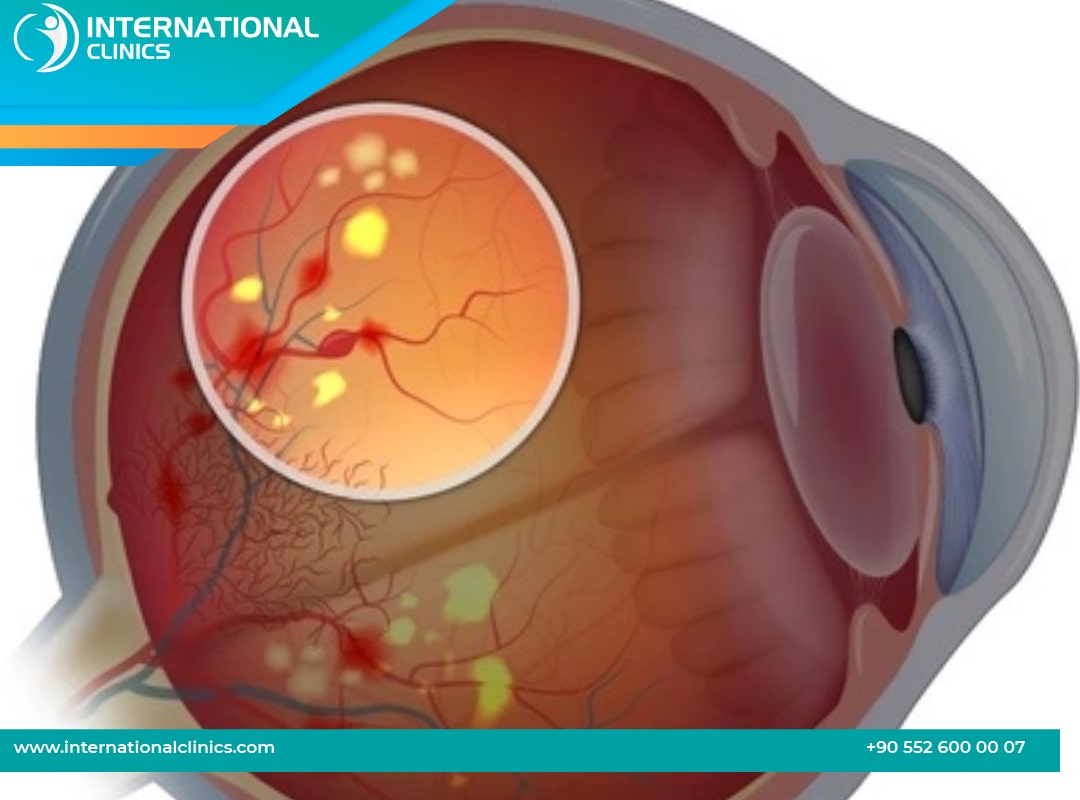
Treatment of age-related macular degeneration is used for the wet (neovascular) form, in which abnormal blood vessels leak under the macula, the central part of the retina. Two options are described here: intravitreal anti-VEGF injections and photodynamic therapy. The aim is to slow the disease and help preserve central vision; neither treatment cures macular degeneration, and lost sight usually does not return.
An anti-VEGF injection places a medicine into the vitreous gel of the eye with a very fine needle, after the eye is numbed with drops and cleaned with an antiseptic. Photodynamic therapy gives a light-sensitive medicine (verteporfin) through a vein; a few minutes later a non-thermal laser is aimed at the abnormal vessels to activate it. Both are outpatient procedures and do not need general anaesthesia.
An injection takes only a few minutes and photodynamic therapy about 15 to 30 minutes in total. Mild irritation or blurred vision may last a day or so, and most people resume normal activity quickly. After photodynamic therapy, skin and eyes must be protected from bright light for about 48 hours. Injections are usually repeated, and the benefit is judged over weeks to months through regular eye checks.
The final cost is set after a medical consultant reviews your case and photos.
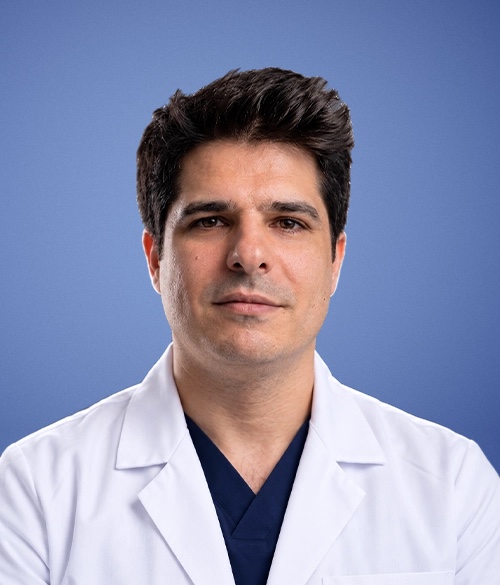

Op. Dr. Önder Aslan is an experienced specialist in ophthalmology. He completed his medical education at Dicle University Faculty of Medicine and specialized in eye diseases. His main areas of expertise include cataract surgery, laser eye treatments, and smart lens procedures. He provides modern and reliable treatments using advanced medical technologies. Dr. Aslan focuses on patient satisfaction and high-quality eye care.
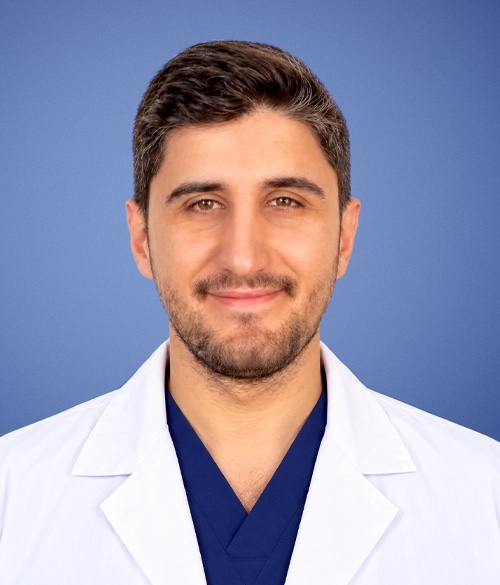
Asst. Prof. Dr. Muhammed Talha Sadık is an ophthalmologist at BHT Clinic Istanbul Tema Hospital. He graduated from Istanbul University Çapa Faculty of Medicine and has worked at Gaziosmanpaşa Yeni Yüzyıl University Hospital and Sultan Abdülmecit Training and Research Hospital. His clinical interests include cataract surgery, refractive surgery, laser treatments and smart lens implantation, as well as pediatric eye examination, strabismus, retinal diseases and retinopathy of prematurity.
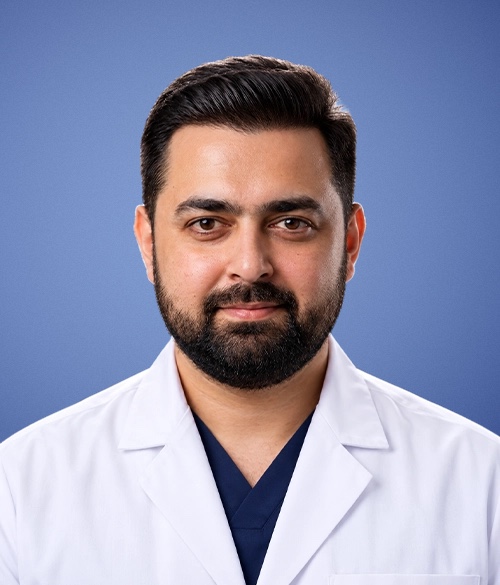
Dr. Muhammet Derda Özer is a Turkish ophthalmologist specializing in the diagnosis and treatment of eye diseases. He completed his medical education and ophthalmology residency at Istanbul University Istanbul Faculty of Medicine. Dr. Özer currently practices at Liv Hospital Ulus in Istanbul, where he provides advanced eye care services. His main areas of expertise include retina diseases, uveitis, ocular oncology, and cataract surgery. With more than eight years of clinical experience, he is also known for his scientific publications and academic contributions in ophthalmology. He focuses on p...
Our medical consultants review all requests regularly, every three hours.
Get a free consultation and answers to all your questions by completing the form below
Treatment may slow the leakage and growth of abnormal vessels, help keep central vision stable and, in some people, improve it a little. It does not cure the disease, and vision already lost usually does not return.
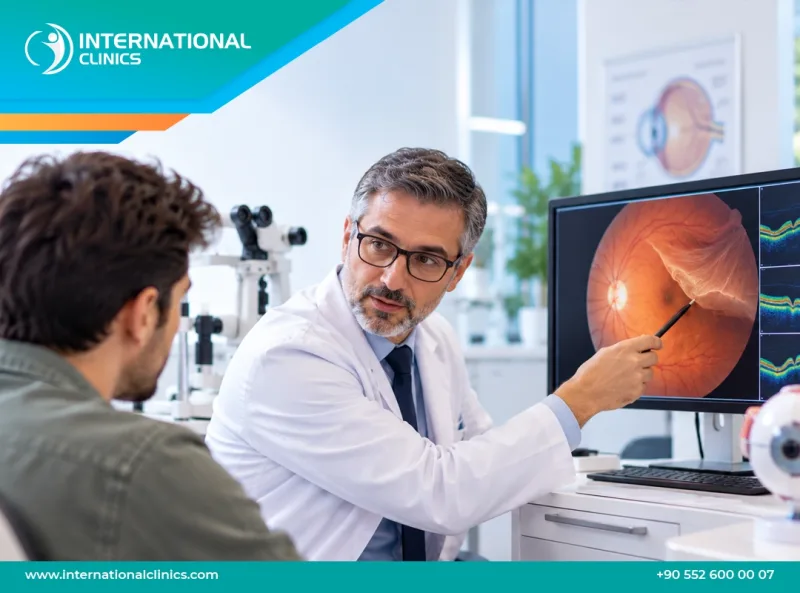
People with wet (neovascular) macular degeneration confirmed by examination and scans such as OCT and angiography. The retina specialist chooses the option, and dry macular degeneration is managed differently.
You will have a detailed eye examination and imaging, and your medical history and medicines are reviewed. Never stop blood thinners or other prescribed medicines on your own; your doctor decides. Arrange a companion for the visit if your vision will be blurred.
For an injection, the eye is numbed and cleaned, and the medicine is injected through the white of the eye with a fine needle. For photodynamic therapy, a light-sensitive medicine is given into a vein and a non-thermal laser is then directed at the affected area.
Mild discomfort, redness, floaters or blurry vision may occur for a day or two after an injection. After photodynamic therapy you must avoid direct sunlight and bright indoor light for about 48 hours, and wear protective clothing and sunglasses.
Doctors judge the response over weeks to months with examinations and OCT scans. Treatment usually needs to be repeated for a long time, and the disease can progress even with treatment.
Injections can cause eye infection (endophthalmitis), raised eye pressure, retinal tear or detachment, bleeding or inflammation, though serious problems are uncommon. Photodynamic therapy can cause sunburn-like skin reactions, temporary vision disturbance or back pain during infusion.
Anti-VEGF injections are commonly given at regular intervals, often monthly at first and then spaced according to your response. Photodynamic therapy may be repeated after a few months if the doctor sees ongoing activity.
Severe pain, increasing redness, a sudden drop in vision or new flashes and shadows after treatment need urgent assessment by your eye doctor. Do not wait for the next scheduled visit.
After an injection, many people can travel within a few days once the doctor has checked the eye, while photodynamic therapy requires light protection for about 48 hours first. Your treating doctor confirms the safe date for your flight.