Vocal cord surgery covers procedures that treat poor closure of the vocal cords, most often caused by paralysis or wasting of one cord. The aim is to bring the affected cord closer to the midline to improve voice quality and protect the airway.
In thyroplasty, a small incision is made in the neck and an implant is placed inside the voice-box cartilage to push the affected cord toward the middle. The patient is usually awake under local anaesthesia with sedation so the voice can be tested during the operation. In vocal cord injection, a material that adds bulk is injected into the cord under local or general anaesthesia, and the material may be temporary or longer-lasting.
The procedure usually takes from about twenty minutes to two hours, depending on its type. Voice rest for several days is advised, and temporary swelling that affects the voice is expected. The final voice usually settles after several weeks to a few months, and a return to the previous voice cannot be guaranteed.
The final cost is set after a medical consultant reviews your case and photos.
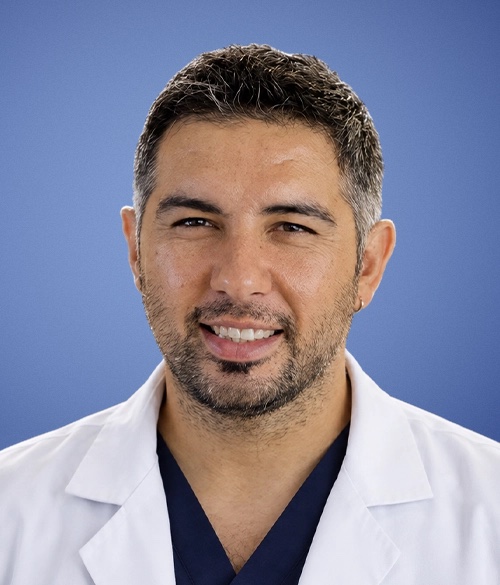

Assoc. Prof. Dr. Mustafa Çelik is an experienced ENT specialist with an academic background in ear, nose and throat diseases and head and neck surgery. Throughout his career, he has been actively involved in clinical practice, academic research, and medical education, contributing to numerous scientific studies and international medical publications.
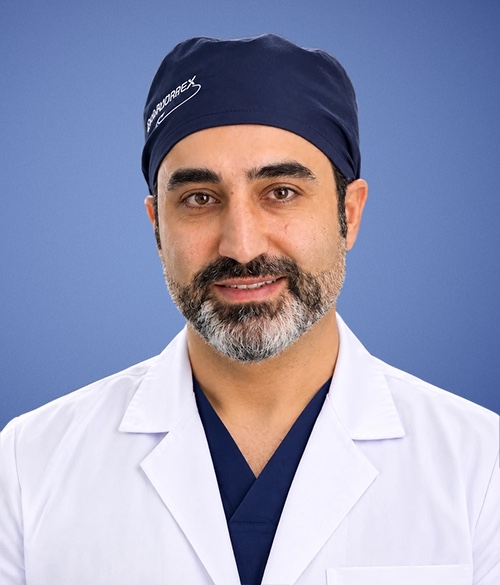
Op. Dr. Mustafa Karakaş is a highly experienced ENT specialist born in 1984, known for performing nearly 5,000 successful surgeries. After graduating from Cerrahpaşa Faculty of Medicine, he completed his specialization at Istanbul Haseki Training and Research Hospital. He is a Board-Certified surgeon who has been honored with a Certificate of Appreciation by the Istanbul Governorship for his medical services. His expertise focuses on aesthetic and functional procedures, particularly Rhinoplasty, Otoplasty, and advanced endoscopic sinus surgeries. Currently, he provides world-class care to loca...
Our medical consultants review all requests regularly, every three hours.
Get a free consultation and answers to all your questions by completing the form below
It may improve the strength and clarity of the voice, reduce choking while swallowing and make coughing easier. The benefit depends on the cause and the degree of weakness.
People whose vocal cord closure is shown to be weak on laryngoscopy, often after a period of voice therapy or waiting for possible recovery. The ear, nose and throat specialist decides which type is most suitable.
The larynx is examined with a scope, and voice and swallowing assessment may be requested. Do not stop any prescribed medicine, especially blood thinners, unless your doctor instructs you to, and fasting depends on the type of anaesthesia.
Thyroplasty is done through a neck incision with an implant that tends to last longer, while injection is less invasive and its effect may be temporary. The doctor chooses between them according to your condition and expectations.
In thyroplasty, the implant is placed through a small incision and the voice is adjusted during the operation. In injection, the material is injected into the vocal cord under scope guidance to add bulk.
Resting the voice for several days and avoiding shouting and long talking is advised, and mild swelling and discomfort may appear. Many patients return to light activities within days, following the doctor's instructions.
The voice may improve immediately, but it settles only after weeks. Temporary injected materials are gradually absorbed, so injection may need repeating, while an implant lasts longer, although its durability cannot be guaranteed.
They include swelling, bleeding, infection, temporary breathing difficulty, insufficient voice improvement, over-injection and implant movement. The doctor explains the risks related to your condition.
After thyroplasty a small scar remains in the neck and fades with time, while injection does not usually leave an external scar.
A period of about two days to a week after the procedure is often enough, depending on its type, the anaesthesia and whether swelling occurs. The treating doctor confirms when you can travel after examining you.